Newsletters


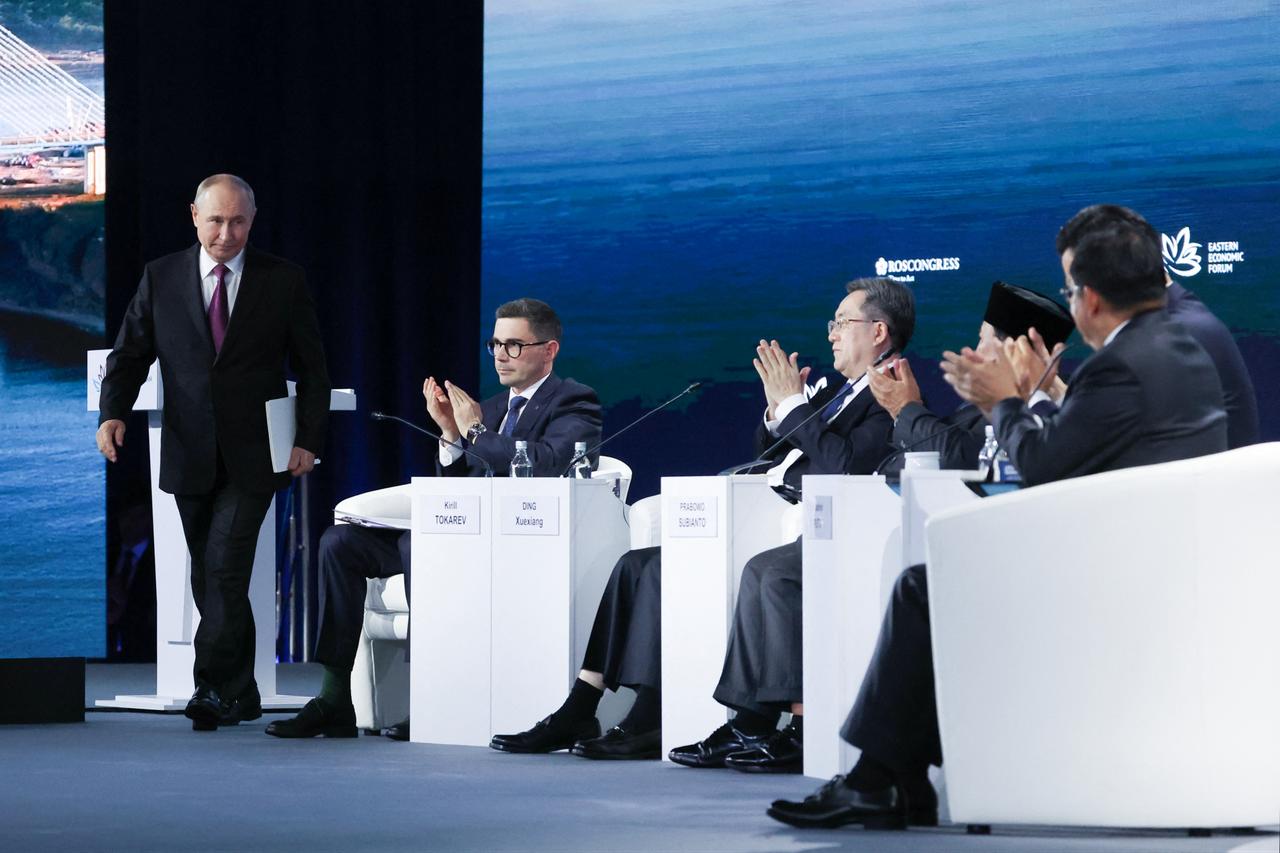


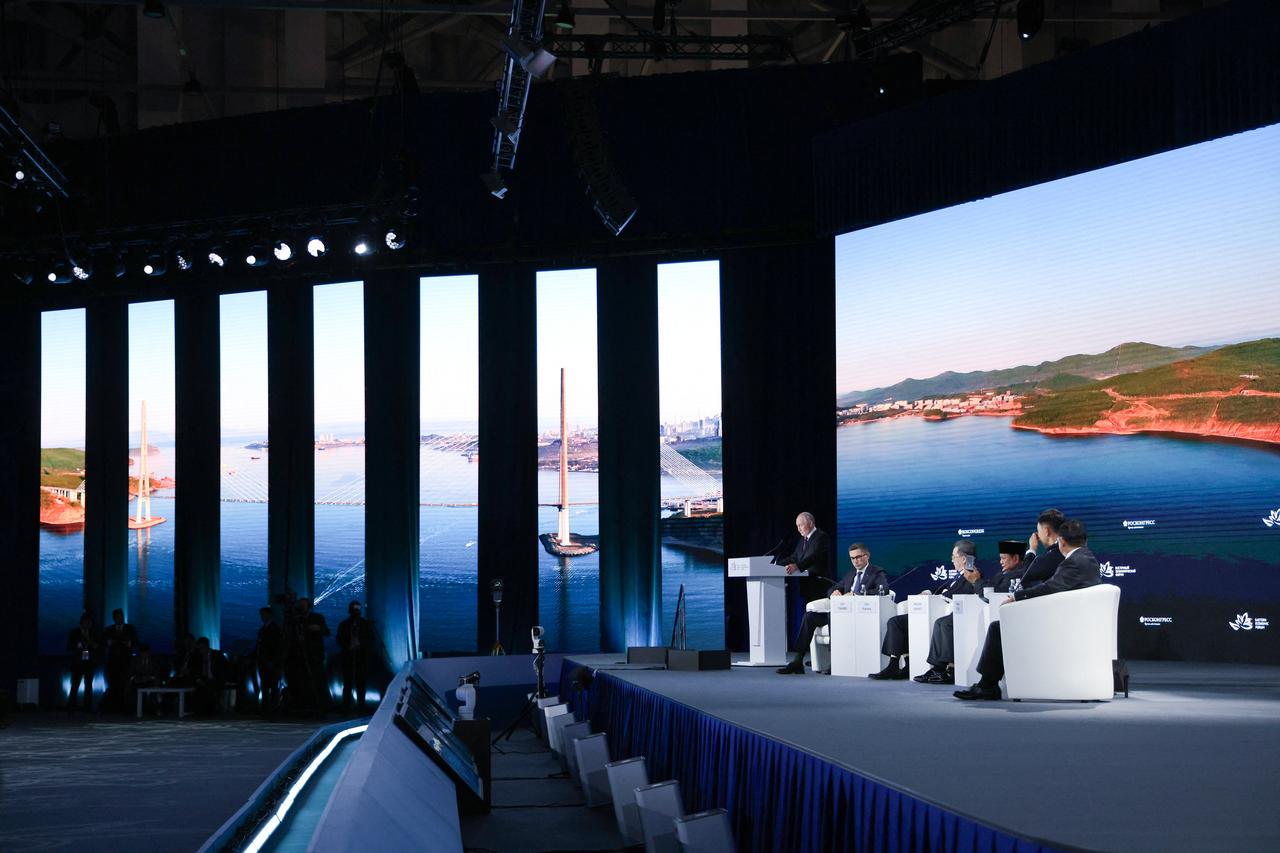
Walk into the Eastern Economic Forum in Vladivostok, and energy is everywhere. It’s in the projects filling the exhibition halls, the deals being hashed out behind closed doors, and the grand plans to turn the Far East into a new power hub.
Energy was already a serious concern in 2024, when power shortages were delaying projects, and the government ordered a long-term capacity plan.
In 2025, the eastern power system entered Russia’s competitive wholesale electricity market. This year, the program places energy independence directly within its “infrastructure for economic growth” track.
The concern is not new, but a constraint once framed around shortages is now being treated more clearly as a condition for the Far East’s economic plans.
Electricity consumption in the region rose 26% over the past decade and is forecast to grow by about 5% annually through 2030, more than twice the national rate.
Regional governments have submitted around 500 additional investment projects representing nearly 8 gigawatts of requested capacity.
Only 138 projects, requiring 2.7 gigawatts by 2030, have so far been verified. Power plants and high-voltage lines take years to build, while demand forecasts can change much faster.

Geopolitics has added another layer to what began as a regional infrastructure problem. The European Union has now codified the phase-out of Russian gas imports under a regulation adopted in January 2026.
The loss of much of Russia’s European energy market after 2022 has increased the importance of Asian markets and eastern export routes that Moscow had already been developing. That reorientation increasingly intersects with the Far East’s own rising electricity and gas demand.
Gas makes the overlap particularly clear. Far Eastern gas demand is estimated at 9–10 bcm this year and could reach 34 bcm by 2035.
Gazprom, Russia’s state-controlled gas company, must meet that domestic growth while expanding supplies abroad.
Power of Siberia 2, renamed Power of Baikal on Sept. 2, is a proposed pipeline designed to carry up to 50 bcm of Russian gas a year to China through Mongolia.
The project forms part of the Eastern Gas Supply System, a wider planned network intended to connect production centers with Russia’s existing gas grid and bring pipeline gas to regions that currently lack it.
Domestic gasification, industrial demand, and exports therefore draw on overlapping infrastructure and capital.
The latest planning is more cautious than a simple race to add megawatts.
Around 1.7 gigawatts of renewable projects have been selected for the Far East; storage is under consideration, and the System Operator, the body responsible for balancing Russia’s electricity system and planning its future needs, is proposing a pause on further measures until early 2027 so actual 2026 demand can be reassessed.
One of the longer-term projects is a nuclear plant in Primorsky Krai, the region that includes Vladivostok. Earlier system planning placed the first 1 gigawatt unit in 2033 and the second in 2035. Rosatom said at the forum on Sept. 2 that construction is now expected to begin in 2027, with first power targeted for 2032.
Much of the first unit’s output is expected to replace the aging generation while meeting new demand.
Across the energy sessions being held on Russky Island, construction time, reliability, and financing keep returning alongside questions about the generation mix.
The 2025 market reform was designed to attract investment, while authorities have sought to keep Far Eastern electricity prices from rising above the national average. Those objectives can pull in different directions, making project selection and sequencing central to the region’s economics.
China adds another constraint against easy assumptions. China’s energy security strategy is deliberately diversified.
The National Energy Administration says the country trades oil and gas with nearly 50 countries and has liquefied natural gas (LNG) receiving capacity above 120 million tonnes a year.
Russian pipeline gas can deepen that portfolio and provide a large overland source, but China retains alternatives. Beijing’s public response this week on Power of Siberia 2 reaffirmed cooperation and mutual benefit without discussing project terms.
There is no basis to turn that caution into a political dispute. Important commercial terms are still not public, particularly the pricing arrangements.
The Akkuyu project brings Türkiye into the same discussion over how geopolitics affects the delivery of large energy projects.
Türkiye’s first nuclear power plant is being built by Rosatom, Russia’s state nuclear energy corporation, and is designed to provide 4.8 gigawatts of generating capacity.
The project has shown how exposed major energy infrastructure can be to events outside the construction site.
The first unit missed its original 2023 target. Siemens Energy later withheld key equipment under German export restrictions, forcing Rosatom to procure replacements from China, while payment channels have also caused delays.
Construction of the first unit was declared complete in June 2026, and Rosatom said at the forum on Sept. 2 that the unit was close to physical start-up.
Akkuyu connects directly to the question being debated in Vladivostok. Large-scale firm generation can strengthen an electricity system, but delivery depends on finance, technology, suppliers, and political conditions across several jurisdictions.
For Türkiye, the additional nuclear capacity can diversify the electricity mix by adding firm generation, while resilience still requires diversity across fuels, suppliers, and technologies.
What I hear in Vladivostok is a debate about whether infrastructure can catch up with strategy.
Russia has spent years encouraging investment to move east, and geopolitical change has raised the value of eastern export routes. Electricity and gas networks now have to carry the weight of both shifts.
Capacity built too slowly can hold back investment already attracted to the region. Capacity built too far ahead of credible demand can transfer enormous costs to consumers or the state.
The Far East’s next stage will depend on whether Russia can get that timing right.


 Set as preferred source
 Set as preferred source



 7 min read