Newsletters


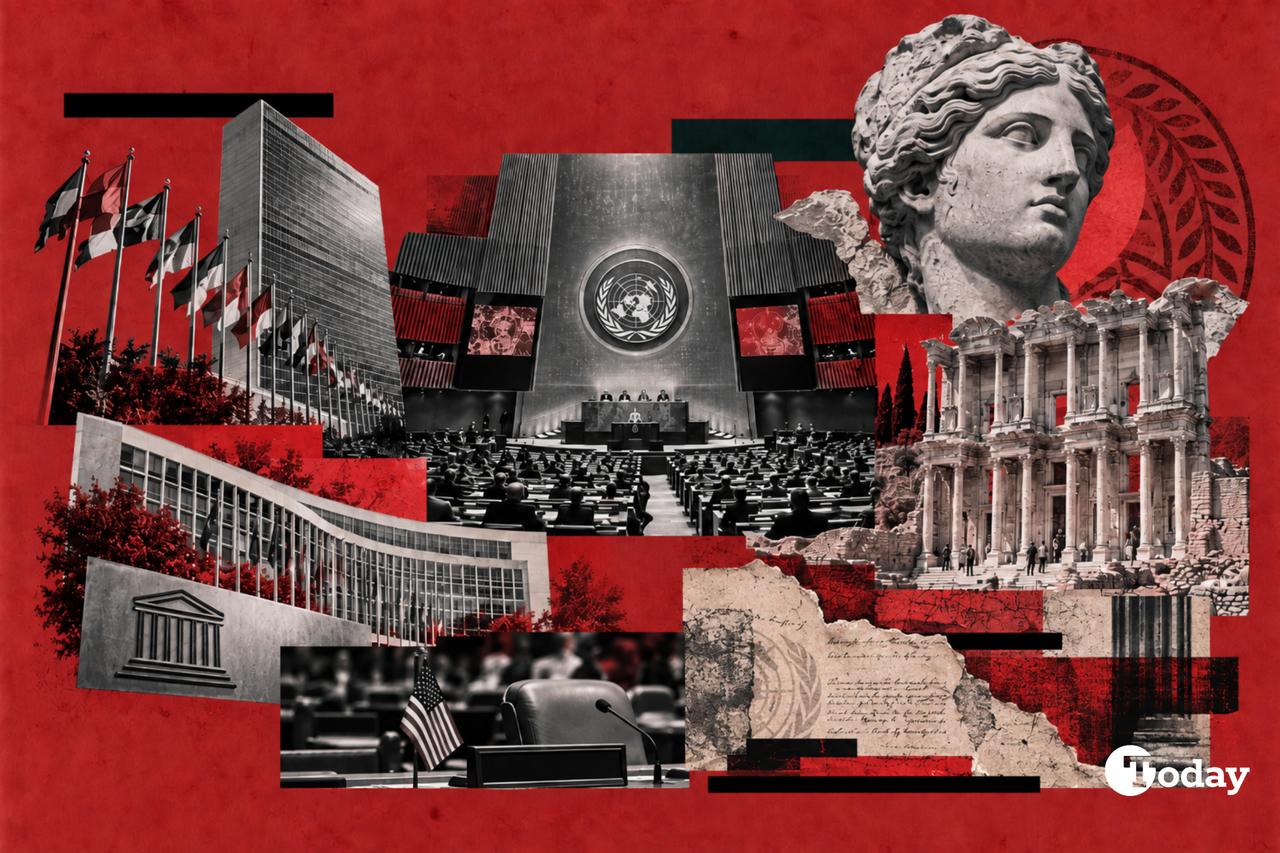


The United Nations has spent decades treating culture as a guest at the far end of the development table, greeted politely, offered a glass of water, but never asked to weigh in on the menu. Then, in one single vote in New York, someone pulled out a chair and moved culture to the head of the table.
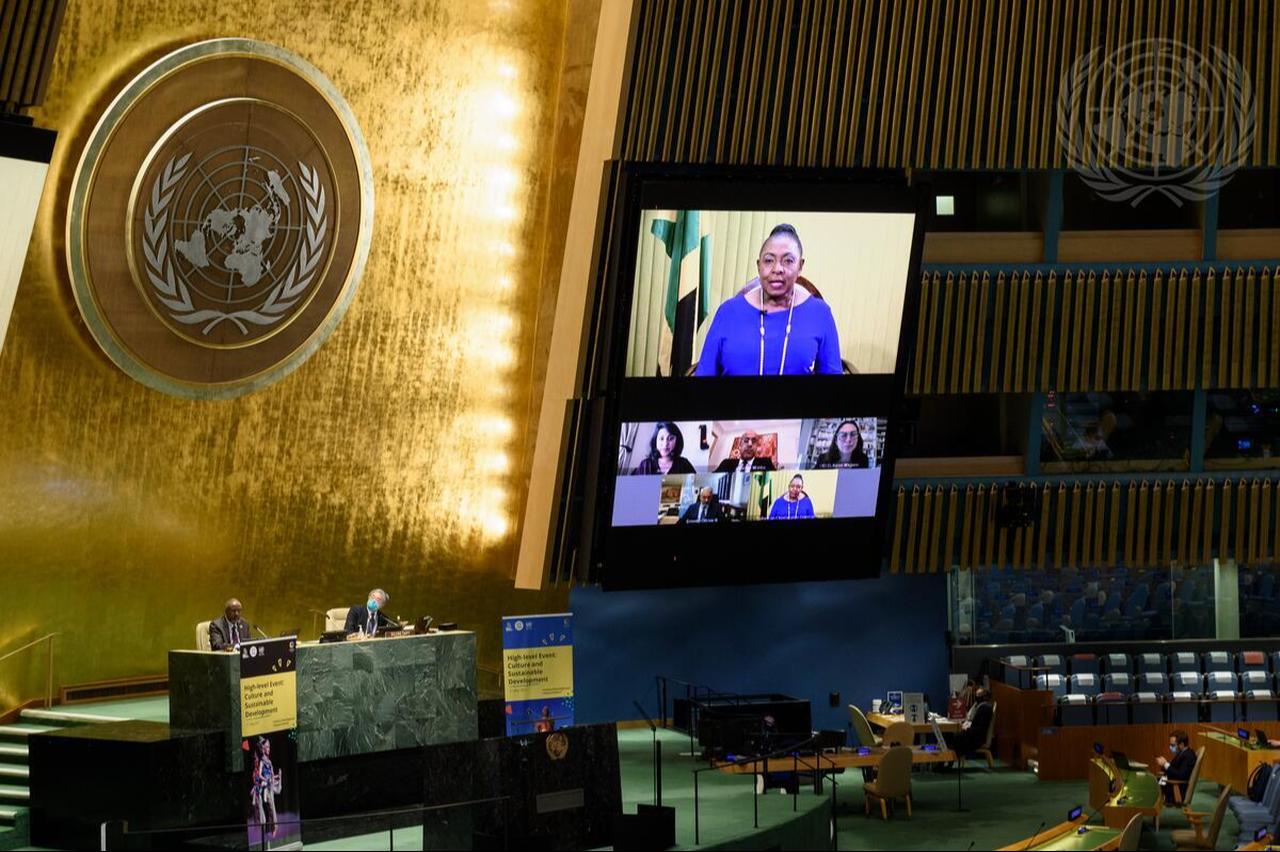
The U.N. General Assembly has declared 2027-2036 the "International Decade of Culture for Sustainable Development," with 174 countries backing the resolution, no abstentions and only one country voting against it: the United States.
On paper, the result looks close to a global consensus. More importantly, it sets out an ambitious shift in how culture is expected to fit into the international development agenda, moving it away from the margins of tourism, heritage promotion and diplomatic prestige and placing it much closer to debates over jobs, inequality, climate resilience and social cohesion.
Yet that overwhelming show of support also brings up a harder question. At a time when multilateral institutions are under strain, wars are reshaping priorities and governments are increasingly reluctant to take on new financial commitments, can a decade built around culture move beyond diplomatic language and actually produce policy?
That will be the real test.

"Sustainable development" is often thrown around as an all-purpose policy phrase, but its basic meaning is straightforward: meeting today's needs without undermining the ability of future generations to meet theirs.
From the 1987 Brundtland Report through the 1992 Rio Summit, the Millennium Development Goals and finally the Sustainable Development Goals adopted in 2015, the concept gradually became one of the main organizing principles of global policy.
Traditionally, sustainable development has been built around three pillars: economic growth, social inclusion and environmental protection. Culture, despite shaping how societies understand themselves and respond to change, struggled to break into that structure.
For decades, it was often pushed aside as something governments could deal with after more urgent problems such as hunger, climate change or economic instability had been addressed. At best, culture was frequently treated as a diplomatic asset, a tourism resource or a leisure sector rather than part of development itself.
Even the 2030 Agenda did not set out culture as an independent Sustainable Development Goal, or SDG. Its clearest place came under Target 11.4, which deals with protecting cultural and natural heritage, while cultural issues were spread across several other targets.
The new decade tries to turn that logic around.
Rather than defining culture merely as a past that needs to be preserved, the resolution places it within the machinery that can help build the future.
Traditional knowledge can feed into responses to ecological pressures, creative industries can create qualified employment, cultural activity can support local economies, and shared cultural frameworks can help societies hold together in an increasingly polarized world.
In that sense, the decade signals an attempt to move culture from the display window of development policy into its supporting structure.
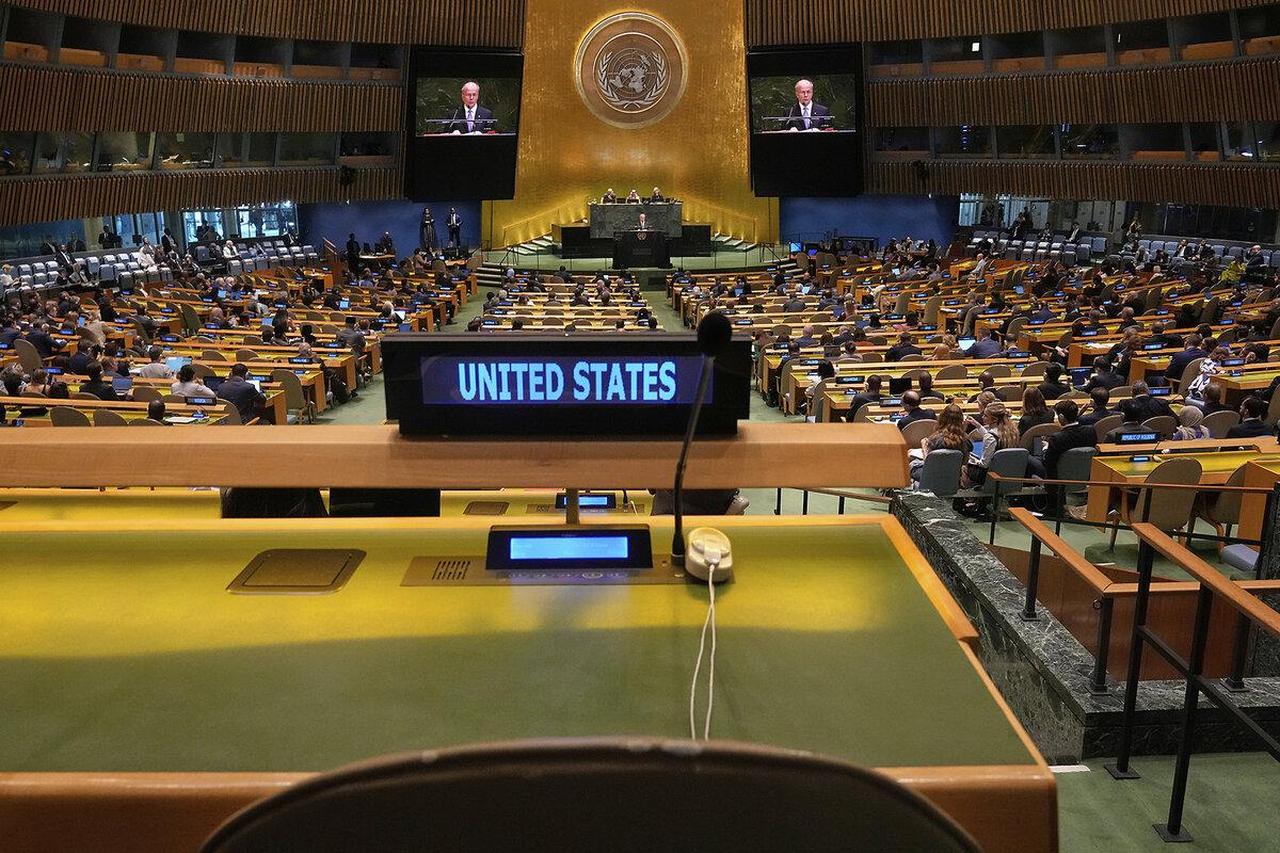
Against that backdrop, the U.S. vote stands out.
Washington was the only government to vote against the resolution, setting itself apart from the 174 countries that supported it. The disagreement also comes against the backdrop of a much longer and difficult relationship between the United States and UNESCO, the U.N. agency that will lead the decade.
The United States has previously broken with UNESCO over issues including Palestinian membership and what Washington described as anti-Israel positions within the organization. It has also announced that it will leave UNESCO again at the end of December 2026.
That matters because UNESCO is expected to steer the new decade, while the United States is home to one of the world's largest creative-industry markets.
Its absence therefore raises questions not only about the political reach of the initiative, but also about how inclusive and financially robust the decade can become from the outset.
The larger problem, however, goes well beyond the U.S. position.
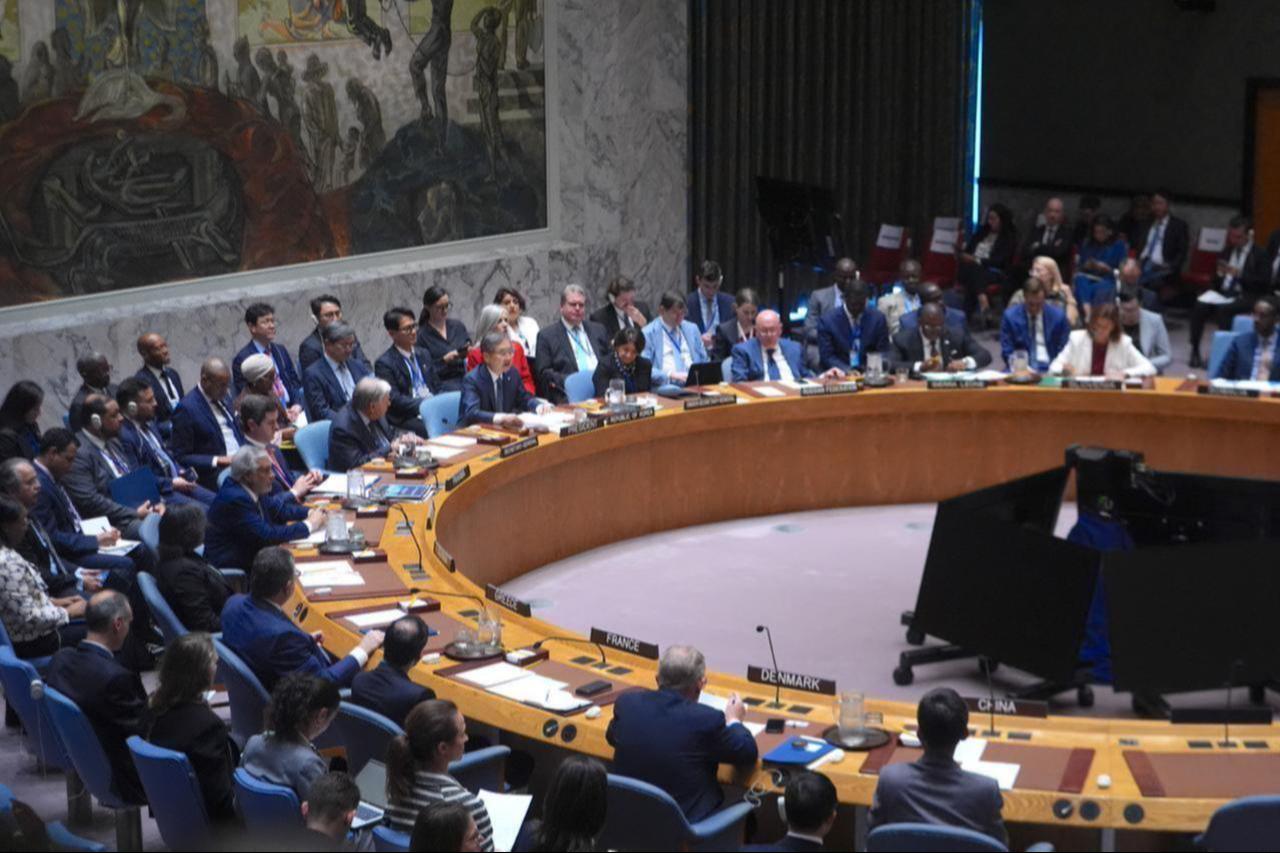
General Assembly resolutions, unlike binding decisions of the U.N. Security Council, do not carry legal enforcement. Governments may back them diplomatically without ever fully folding their goals into national development programs.
That leaves the Culture Decade exposed to a familiar risk: it could end up as an impressive statement of intent without the money, institutions or political commitment needed to carry it through.
UNESCO may have been given the leading role, but the question of how large-scale projects will be financed remains unresolved. The resolution relies on voluntary contributions, even as governments face competing demands and confidence in multilateral mechanisms continues to weaken.
Culture is particularly vulnerable in such an environment because it is still often treated as a "soft" policy field. When budgets tighten, cultural programs can struggle to compete with areas seen as more immediate.
The decade will therefore be judged less by the language adopted in New York than by whether governments put resources behind it.
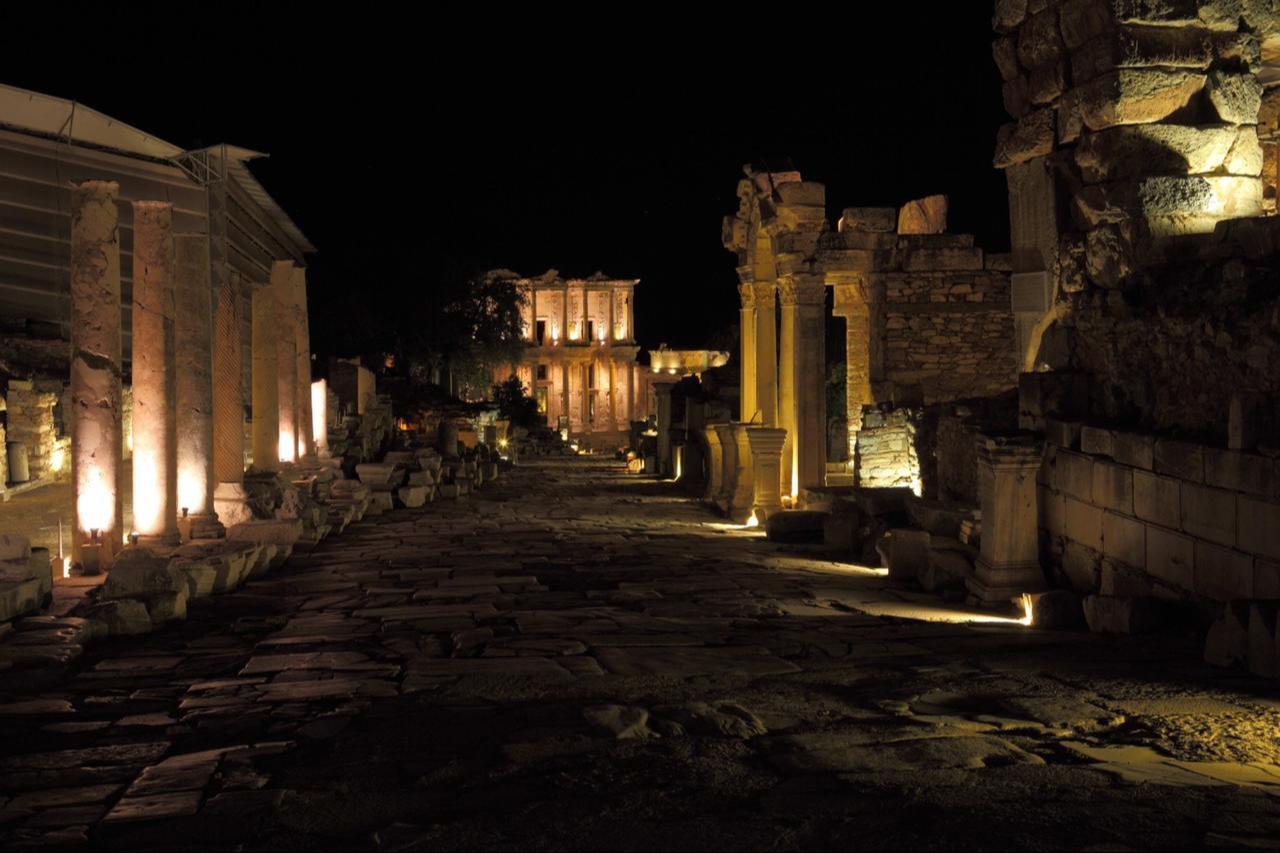
For Türkiye, this new framework should mean more than another opportunity to showcase its archaeological sites, museums or historic monuments abroad.
The larger opening lies in turning culture itself into a working part of economic, social and environmental development.
Türkiye is unusually well placed for that discussion. Anatolia brings together thousands of years of cultural heritage, UNESCO-recognized sites, living traditions, gastronomy, crafts and a growing range of creative industries, while the country's geography places it at a crossroads connecting Europe, the Balkans, the Caucasus, the Middle East and the Mediterranean.
But turning that cultural depth into a development advantage requires moving beyond a model in which culture is largely folded into tourism.
Heritage protection can be linked more closely with climate policy, disaster resilience and sustainable urban planning. Traditional production and crafts can feed into local economies and employment. Film, music, design, gaming, publishing and digital content can be treated not only as cultural activity but also as high-value economic sectors.
Türkiye could therefore aim not merely to take part in the Culture Decade, but to help shape it.
Between 2027 and 2036, it could put forward policy models linking heritage conservation, creative economies, climate policy, local development and cultural diplomacy, while building international cooperation around those areas.
Doing so would require Ankara to go beyond following UNESCO initiatives and bring the relationship between culture and development more directly into national policy documents, local government practice and public financing.
Otherwise, Türkiye's cultural wealth risks remaining a catalogue of things to promote rather than becoming a broader policy advantage.
Despite the institutional weaknesses, financing uncertainties and political divisions surrounding the initiative, the General Assembly vote still marks an important moment for global cultural policy.
The significance lies not simply in declaring another U.N. decade, but in the fact that 174 governments have backed a framework that places culture more firmly inside the sustainable development debate.
Whether that becomes historically meaningful will depend on what follows.
Resources will have to be put in place, policy mechanisms will have to be built up, and governments will have to carry the vision from international meetings into national and local decision-making.
The period from 2027 to 2036 will therefore amount to a decade-long test of whether culture's new visibility can be converted into lasting policy, sustainable financing and changes that can actually be felt in people's daily lives.
If that happens, culture could finally move beyond being seen as one of development's outcomes and instead be recognized as one of the forces that makes development possible.
If it does not, the decade may end with little more than a U.N. resolution and an unusually broad diplomatic consensus.
The challenge is to make sure that the support of 174 countries eventually adds up to something people can see beyond the walls of the General Assembly.


 Set as preferred source
 Set as preferred source


 8 min read