

 Newsletters


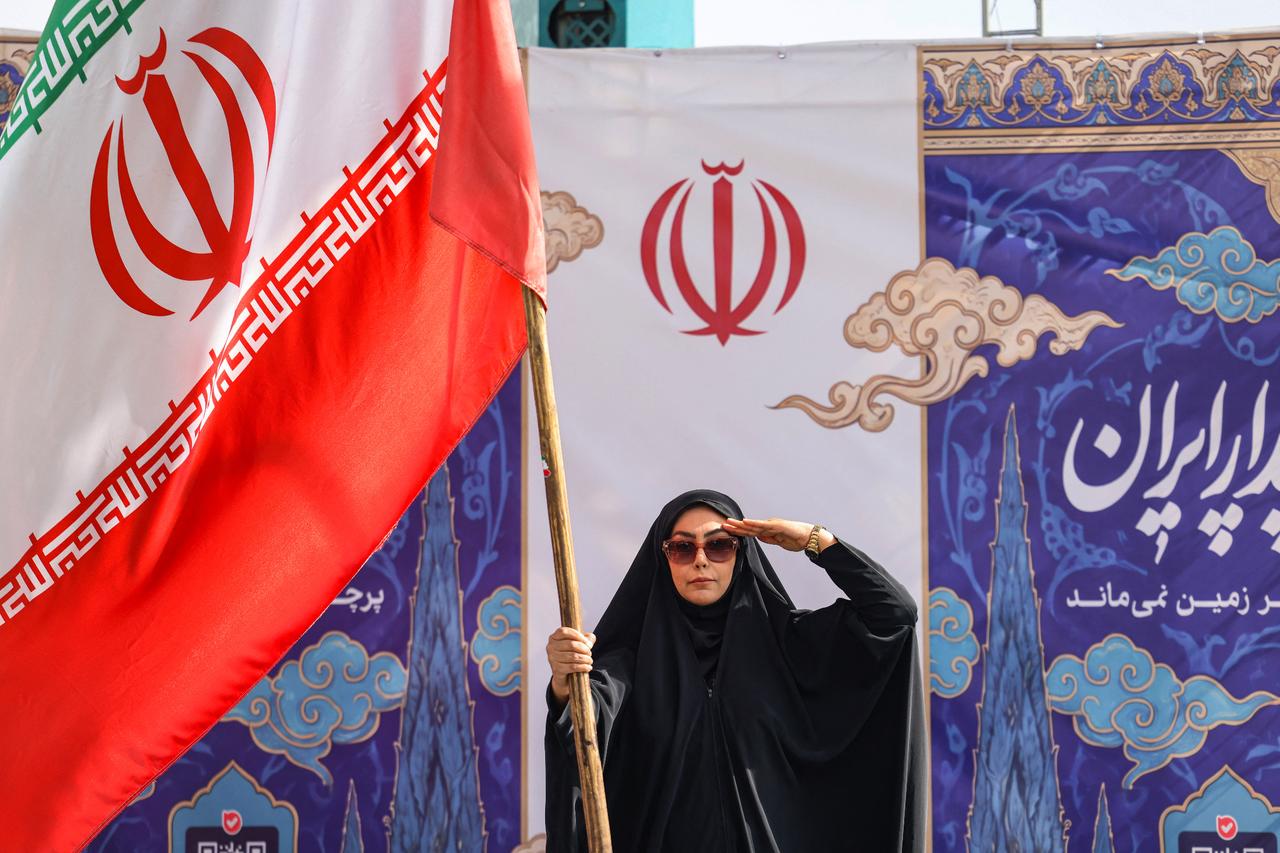


The latest diplomatic efforts led by Qatar, with the support of Saudi Arabia, Türkiye and Pakistan, may represent one of the last opportunities to prevent a renewed and potentially devastating escalation of the war against Iran.
On Nov. 1, Iranian and Qatari negotiators entered their third consecutive day of discussions in Doha, following consultations in Tehran and continued coordination with Washington. The negotiations are focused on a proposed agreement involving confidence-building measures, the reopening of the Strait of Hormuz, sanctions relief and the resumption of broader negotiations over Iran’s nuclear program.
The initial Qatari proposal envisaged a seven-day implementation process, although discussions have since explored shortening key measures to just 48 hours. Iran has expressed reservations about the terms, particularly the sequencing of sanctions relief and nuclear commitments, but negotiations remain ongoing.
These developments come at an exceptionally critical moment. The United States is just a day away from its Nov. 3 midterm elections. President Donald Trump has indicated that Washington will not resume attacks on Iran before the vote, while leaving the military option open afterward. Meanwhile, preparations for possible renewed hostilities continue, increasing the urgency of reaching a diplomatic understanding.
Yet the consequences of failure extend far beyond Washington and Tehran. They reach directly into Israel’s domestic political crisis, where Prime Minister Benjamin Netanyahu is about to lose his power following the Oct. 27 election results. The strategic risk is that Iran’s rejection of a credible diplomatic compromise could provide Netanyahu with precisely the external crisis he needs to overcome his domestic political setbacks, prolong his leadership, reshape Israel’s post-election political dynamics in his favor, and even fulfil his ambition of resuming war against Iran.

Israel’s recent elections have left Netanyahu politically weakened but not defeated. His governing bloc secured only 53 seats in the 120-member Knesset, losing its previous parliamentary majority. The principal opposition bloc led by Gadi Eisenkot won 48 seats, while Arab-led parties secured 19. Neither major bloc has the 61 seats necessary to form a government independently.
These results represent a significant setback for Netanyahu. Although his Likud party remains the largest, his political survival now depends on difficult coalition negotiations, opposition divisions and the possibility of new alliances. Under normal circumstances, these negotiations would concentrate on Israel’s domestic political future, government accountability and the consequences of years of conflict. Netanyahu would face pressure to justify his record and defend his continued leadership.
A renewed confrontation with Iran could fundamentally alter that environment. War changes political priorities. Questions of responsibility, leadership and accountability can rapidly be displaced by demands for national security, political unity and continuity of command. Netanyahu could seek to transform his vulnerable position as caretaker prime minister into an argument that changing leadership during a major confrontation would jeopardize Israel’s security. In such circumstances, the political debate could shift from whether Netanyahu deserves another term to whether Israel can afford to replace him during wartime.
The danger is not simply that rejecting the latest mediation proposals could lead to renewed American and Israeli attacks. It is that such rejection could provide Netanyahu with a political justification for advocating escalation at the precise moment when his domestic position is most vulnerable. Netanyahu has consistently presented Iran as Israel’s greatest strategic threat. An Iranian refusal to engage constructively with the current diplomatic initiative could strengthen his argument that Tehran remains unwilling to compromise and that military pressure is the only viable alternative.
This would be especially significant after the American midterm elections, when the political calculations in Washington may change. Although President Trump has not decided to resume military operations, an unsuccessful diplomatic process could make renewed escalation easier to justify. For Netanyahu, this presents a potential convergence of strategic and political interests. Military confrontation could reinforce his national security credentials while diverting attention from his electoral setback.
A major confrontation with Iran could considerably strengthen his negotiating position. He could argue that Israel urgently requires a national unity government capable of managing an existential security challenge. Opposition leaders who previously rejected cooperation with him might then face pressure to place national security above political differences. Gadi Eisenkot and other opposition figures would confront a difficult choice between maintaining their commitment to replacing Netanyahu and participating in an emergency coalition intended to demonstrate national unity.
Even without a unity agreement, prolonged coalition deadlock could allow Netanyahu to continue as caretaker prime minister. Israeli legal experts note that caretaker governments retain substantial security powers, including authority over military operations.
This is precisely why Tehran should assess the diplomatic initiative beyond its immediate disagreements with Washington. Rejecting compromise without offering a practical alternative could prove strategically counterproductive. Iran might intend to demonstrate determination and resistance to external pressure. Yet that position could ultimately strengthen the Israeli leader most closely associated with the campaign against it.
If this happens, it would be ironic, because a decision intended to defend Iranian national interests could help preserve Netanyahu’s political future and facilitate renewed military action against Tehran.
The involvement of Saudi Arabia, Türkiye and Pakistan makes the current opportunity particularly valuable. Their senior representatives visited Tehran on Oct. 26 as members of the Mecca defense pact, seeking to prevent further escalation and advance a regional security understanding. Their engagement, alongside Qatar’s mediation, offers Tehran an opportunity to transform regional relationships and establish a framework for addressing differences through negotiations rather than military escalation.
Diplomacy is the strongest way to deny Netanyahu this opportunity. A constructive Iranian response would not require Tehran to abandon its national interests. Rather, it would require a realistic negotiating position built around reciprocal commitments, credible guarantees and measurable implementation.
By engaging seriously with Qatar’s initiative, Iran could demonstrate that diplomacy remains possible and that another round of war is unnecessary. That would also place greater responsibility on Washington and Israel to explain any decision to resume military operations despite a viable negotiating alternative.
The coming days could determine not only whether the region moves toward another devastating confrontation, but also whether Netanyahu succeeds in converting electoral weakness into renewed political strength.
Iran must therefore recognize that the cost of rejecting diplomacy may extend beyond another war. It could also mean rescuing Netanyahu politically, blunting the consequences of Israel’s elections and giving him an opportunity to prolong his rule.


 Set as preferred source
 Set as preferred source


 2 min read
 1 min read


