Newsletters


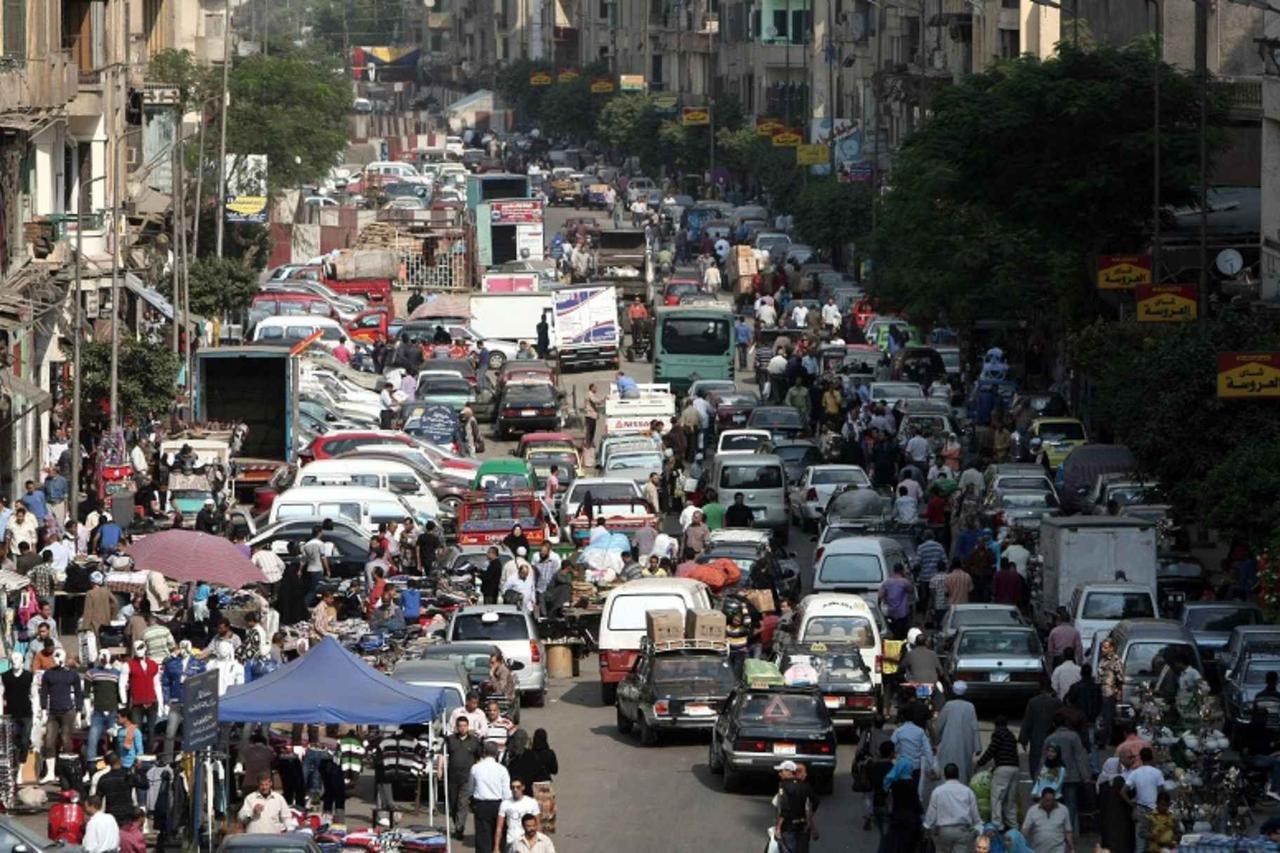


Arriving at Cairo International Airport, visitors are greeted by a prominent sign quoting the Holy Quran: "Enter it in peace, secure."
It is a comforting message for those who believe, projecting the image of Egypt as an oasis of stability. Geographically, the image holds up. Spanning more than a million square kilometers, Egypt is largely free of the internal fighting and political unrest currently ravaging its neighbors such as Sudan and Libya, and the war in Gaza next door.
Yet beneath this tranquil surface lies a collective political trauma that continues to shape the actions of Egypt's leadership. The memory of the January 2011 revolution still haunts the corridors of power, fostering a mentality in which questioning the government is viewed as an existential threat.
That fear recently culminated in a sweeping crackdown on independent journalism.
Over 24 hours on Sept. 28 and 29, 2026, Egyptian security forces arrested all six journalists at the independent fact-checking platform Matsda2sh (Egyptian Arabic for "Don't believe it").
Since 2018, the platform has worked to debunk rumors and verify official statements. The Interior Ministry quickly accused the newsroom of acting as a media apparatus for the outlawed Muslim Brotherhood, a claim the outlet strongly denied, pointing out that it frequently debunks misinformation generated by the Brotherhood itself.
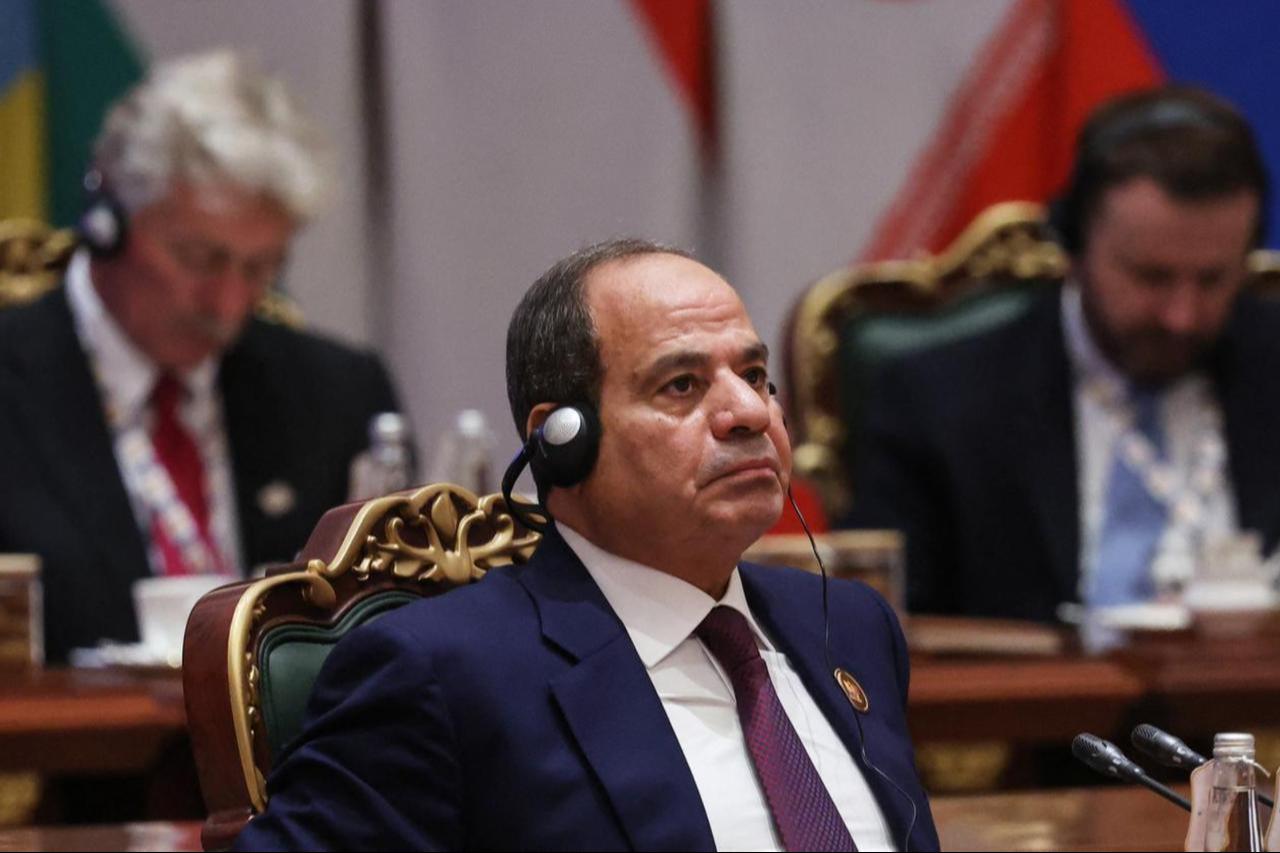

The timing of these arrests was no coincidence. On the very same day his security agencies were rounding up the fact-checkers, President Abdel-Fattah el-Sisi was meeting with state leaders, ministers, security officials, and local village heads. In a largely improvised address, Sisi made a point of reading one specific passage from a written text. He warned that modern tools of destruction include the intensive promotion of doubt and resentment on social media.
"Wars aim to spread frustration and despair, halt construction, and morally assassinate officials," the president declared, urging his government to push forward. His underlying message was clear: persistence in pointing out flaws eventually convinces the public that the state is failing.
All these political and security signals in Sisi's speech served as an unwritten directive for security agencies to continue their sweeping crackdowns.
The president frequently frames this dynamic as a battle against the "people of evil."
The fate of Matsda2sh perfectly illustrates the rigidity of this worldview. Following the arrests, Mohamed El Baz, the editor-in-chief of a pro-state newspaper, made this binary explicitly clear in a television interview.
He stated that there are only two players in the country: the Egyptian state and the Muslim Brotherhood. Therefore, anyone who is not blindly with the state is automatically assumed to be with the Brotherhood.
In this environment, the very act of fact-checking is criminalized. Investigating public expenditures or verifying official data is viewed by the state as an attempt to cast doubt on public employees, weaken trust in the political system, and fragment the internal front.
The state expects profound gratitude when it succeeds, and unquestioning encouragement when it errs, even if those errors result in the waste of billions of dollars.
In the midst of this turbulent atmosphere, profound questions arise regarding the true nature of Egypt's stability. Can a society be genuinely secure when its security apparatus treats fact-checkers as terrorists?
A nation that demands absolute silence to maintain order is not at peace; it is merely holding its breath. The sign at Cairo Airport promises an oasis of security, but true internal peace requires a society strong enough to withstand the truth.
DISCLAIMER: The views and opinions expressed in this article are those of the author and may not necessarily reflect the editorial policy of Türkiye Today.


 Set as preferred source
 Set as preferred source


 6 min read