Newsletters


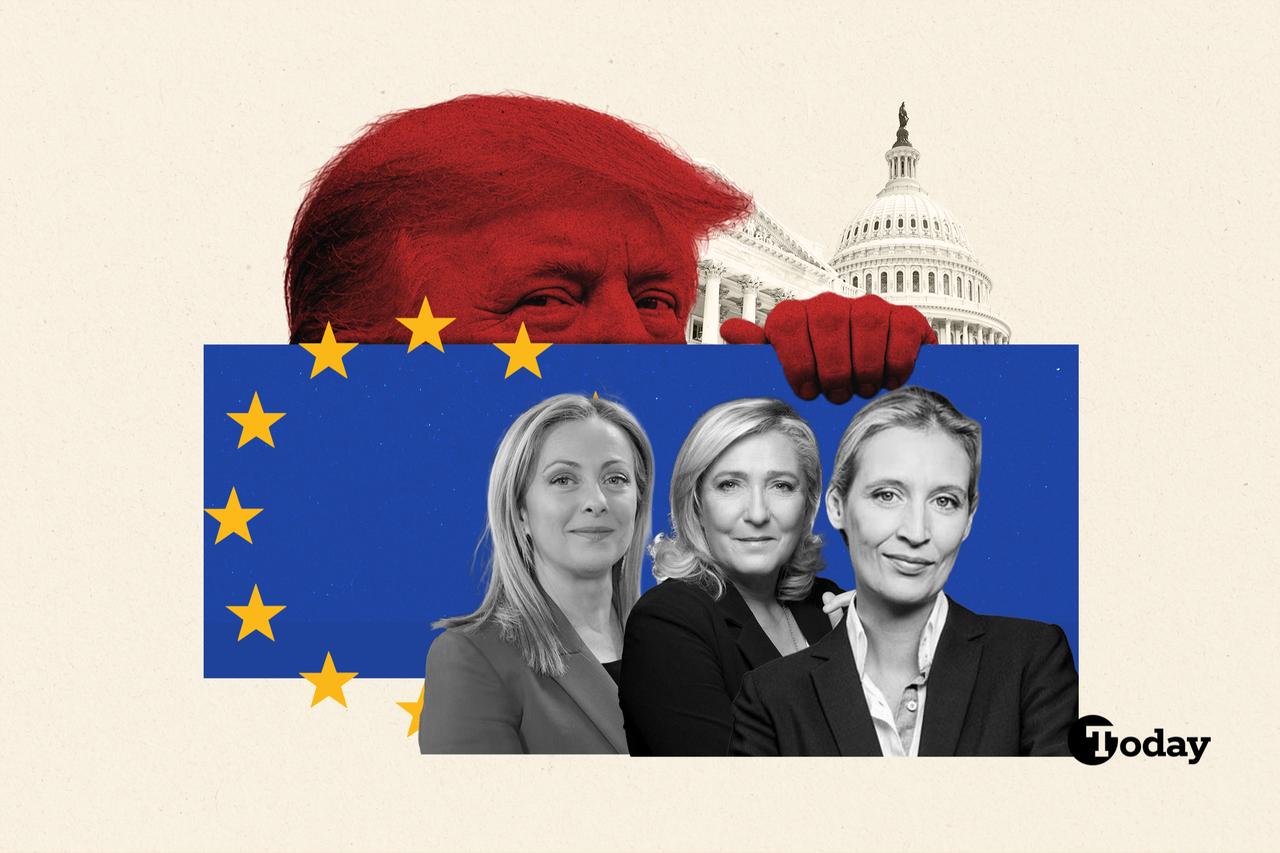


Washington is spending $176.9 million to win over Europe's nationalists. Europe's nationalists are spending their time keeping Washington at arm's length.
On Sept. 30, the State Department obligated that money across 43 international grants, redirecting human rights funds toward European conservative groups defending what American policymakers called Western civilizational norms. The assumption was that subsidies would cement loyalty across the Atlantic.
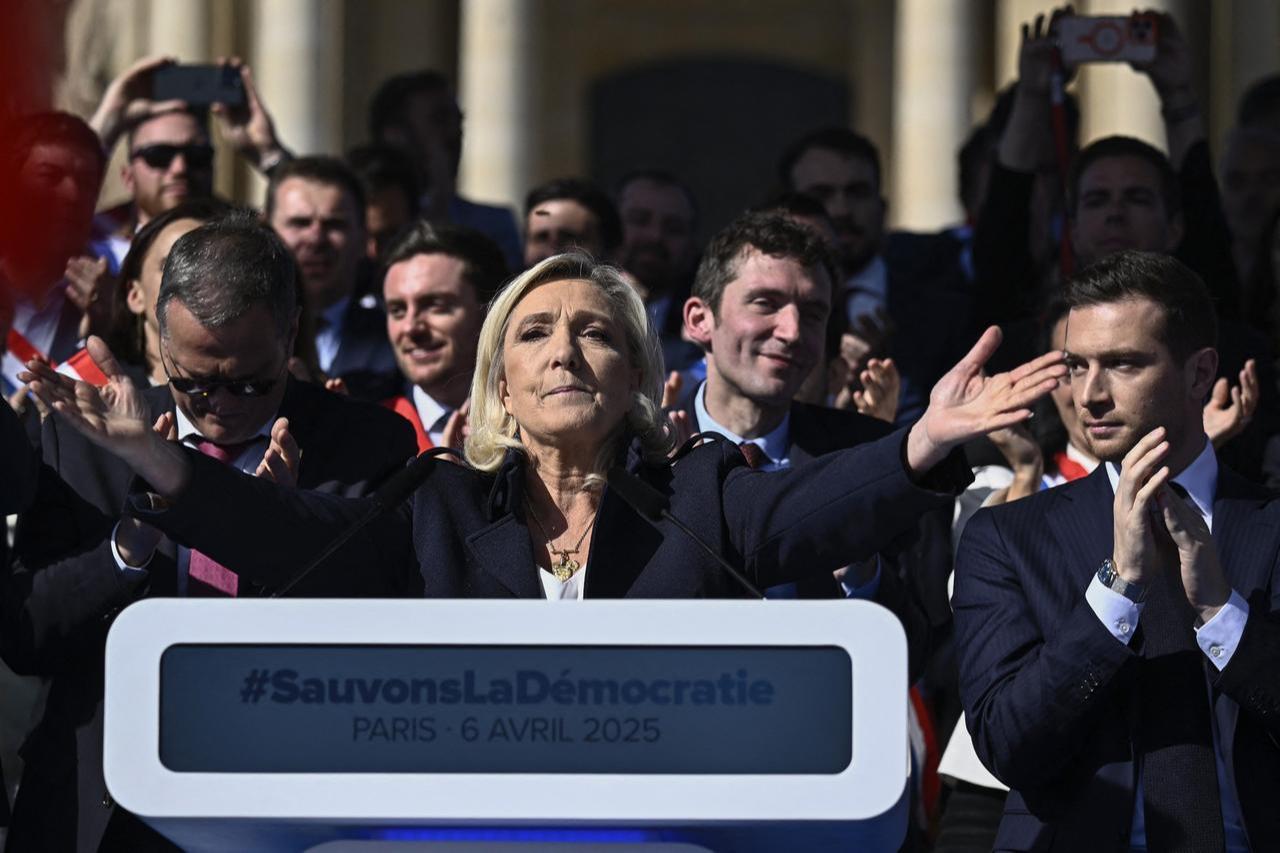
American grants cannot bridge conflicting national interests across the Atlantic. In April 2026, Marine Le Pen drew a sharp line against American expectations in Paris, warning party lawmakers that French foreign policy could not rest on unconditional alignment with Washington while American unilateralism threatened to set the global economy on fire.
Across Rome and Berlin, parties seeking executive power have spent recent months pulling away from Donald Trump. While the White House demands ideological solidarity, unconditional subservience to Washington threatens their domestic political survival.
Competing sovereign priorities make a durable transatlantic populist coalition unworkable.
Europe's far right is pulling back for practical reasons. Nationalist movements are abandoning Trump because his unilateralism, tariff threats, and foreign adventurism make Washington an electoral liability for parties seeking to govern. When American hegemony collides with European national interests, domestic sovereignty proves stronger than ideological camaraderie.

Rome provided the first direct confrontation.
The Pentagon tested Italian sovereignty in April 2026. American commanders requested permission to launch offensive bombing sorties against Iran from Naval Air Station Sigonella, the American military installation in eastern Sicily.
Giorgia Meloni, the Italian prime minister and leader of Brothers of Italy, refused. Meloni cited constitutional limits, reminding Washington that Italian bases remain subject to Italian sovereign control.
Following that spring confrontation, Trump reacted with fury. Speaking in Washington shortly after the Italian refusal, Trump branded Meloni a coward.
"I thought she had courage, but I was wrong," Trump complained.
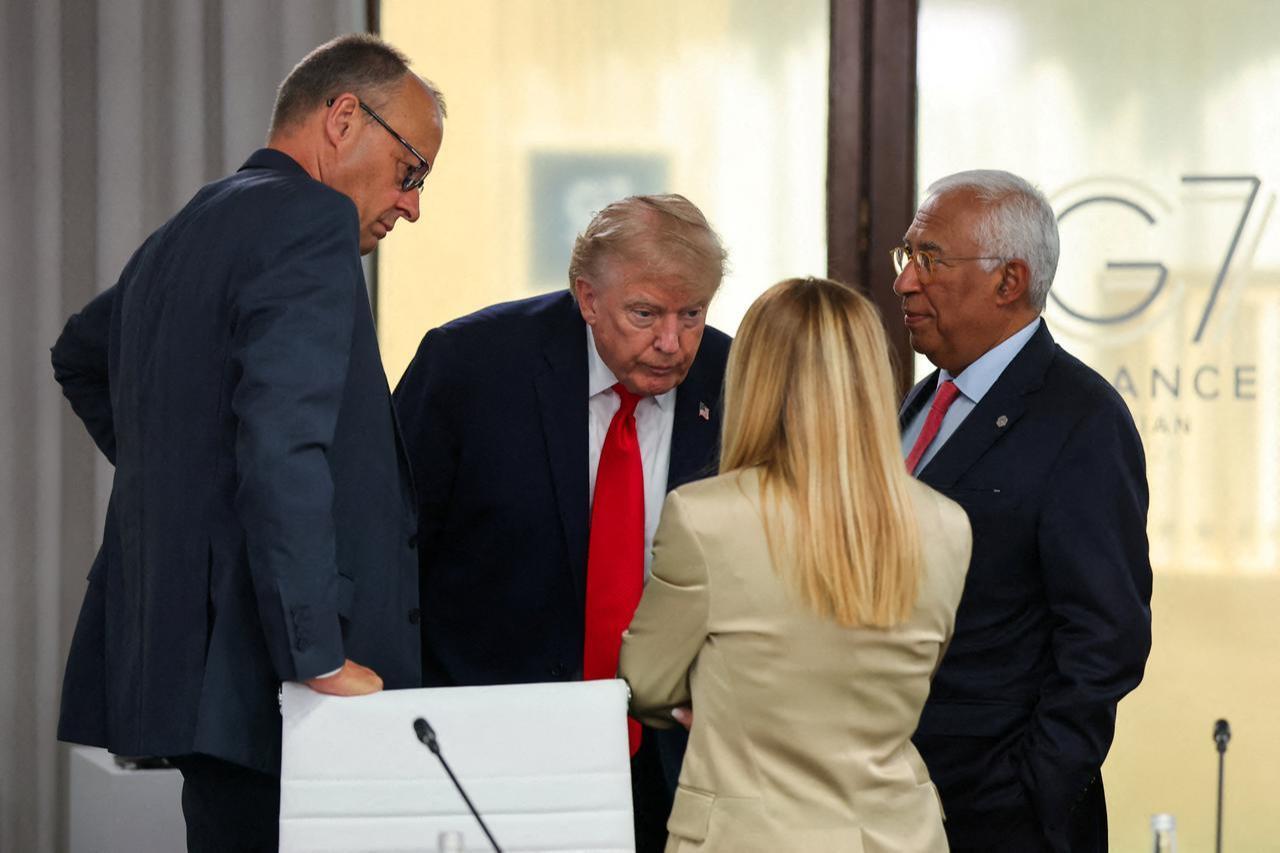
Meloni held firm, dismissing subsequent claims that she had begged for a joint photograph during the Group of Seven summit.
Nationalism is inherently inward-looking.
An American president who proclaims America First will inevitably pursue policies that injure European interests. When Marco Rubio, the U.S. Secretary of State, suggested during congressional hearings that Danish control over Greenland was temporary, Nordic conservatives recoiled. They saw an arrogant superpower treating sovereign European territory as real estate.
Economic realities deepen the divide across the continent. Trump repeatedly threatened baseline tariffs of 10% to 20% on European industrial goods. For German automotive suppliers, Italian wine producers, and French farmers, those barriers represent immediate danger.
European populists cannot promise prosperity while endorsing trade penalties that shutter local factories.
In Berlin, the Alternative for Germany (AfD) absorbed the lesson. Tino Chrupalla, the party's federal co-leader, publicly denounced Trump's actions as Wild-West methods that destabilize international alliances. For a movement seeking political normalization, American foreign adventures have become an intolerable burden.
The party adjusted its strategy following recent state victories. After winning an outright majority in Saxony-Anhalt, the eastern German state, party managers under Alice Weidel, the AfD parliamentary co-chair, issued quiet instructions. Federal delegates were urged to cancel high-profile visits to Washington, insulating local gains from American foreign policy controversies.
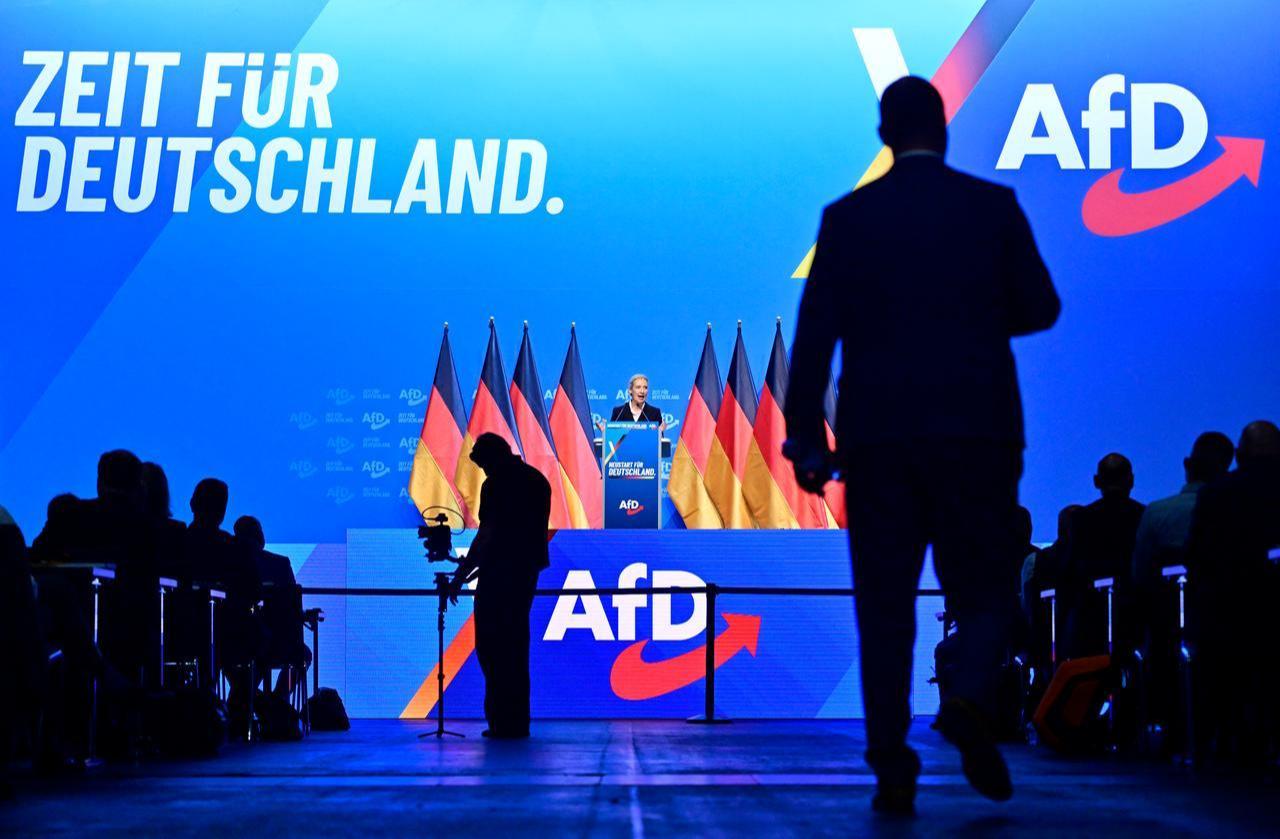
Association with Trump has become an electoral liability.
Budapest demonstrated the political cost of Washington's embrace. In April 2026, JD Vance, the U.S. Vice President, traveled to Budapest to campaign with Viktor Orban, the longtime Hungarian prime minister. Instead of securing victory, Orban suffered a historic parliamentary defeat two weeks later. European strategists concluded that the American endorsement acted as an electoral kiss of death.
Jordan Bardella understands that danger intimately. As president of the National Rally and leader of Patriots for Europe, the right-wing alliance in the European Parliament, Bardella is preparing for the 2027 French presidential election. He cannot afford to look like an American client.
Bardella condemned Trump's Middle Eastern military operations as totally erratic. By rejecting American imperial ambitions, the young French politician sought to reassure moderate voters that his movement answers strictly to French citizens rather than strategists in Washington.
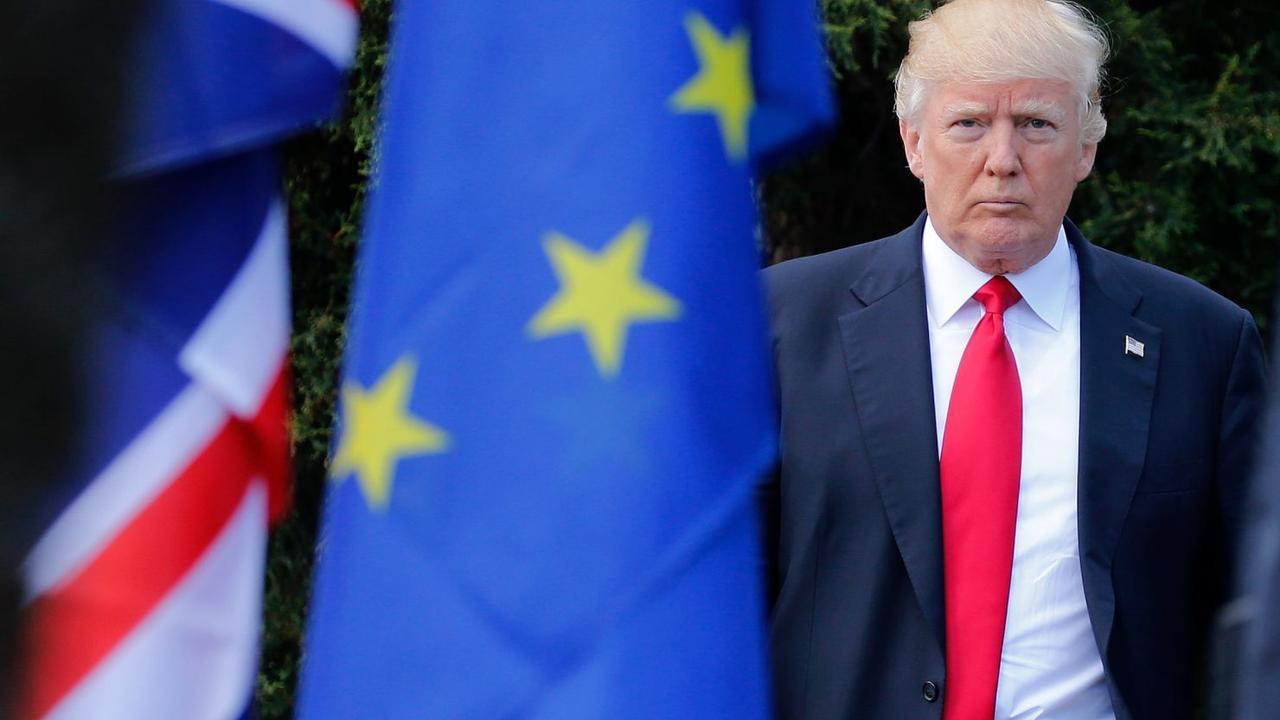
To be sure, ideological affinities across the Atlantic will not vanish overnight. Activists still gather at the Conservative Political Action Conference, share hostility toward mass migration, and welcome the State Department's new civilizational subsidies.
However, transatlantic applause does not deliver governing stability. To secure executive power, European nationalist movements must convince skeptical voters that they can protect domestic industries, manage state security, and maintain reliable defense partnerships.
Subservience to an erratic American administration destroys that governing credibility before voters cast their ballots.
Alternative partnerships already offer a working model. Ankara has developed transactional defense relationships with Rome and Budapest that demonstrate how strategic procurement can thrive outside Washington's ideological umbrella.
European governments could exploit this rift by engaging domestic nationalist parties on common defense priorities, showing that collective security requires diversified coordination rather than subservience to American whims.
Washington can spend hundreds of millions of dollars attempting to export American culture wars.
Nonetheless, as Le Pen made clear in Paris, sovereign nations do not outsource their survival to an overseas patron.
Europe's far right is discovering that defending the nation means keeping Donald Trump at arm's length.


 Set as preferred source
 Set as preferred source


 4 min read