Newsletters


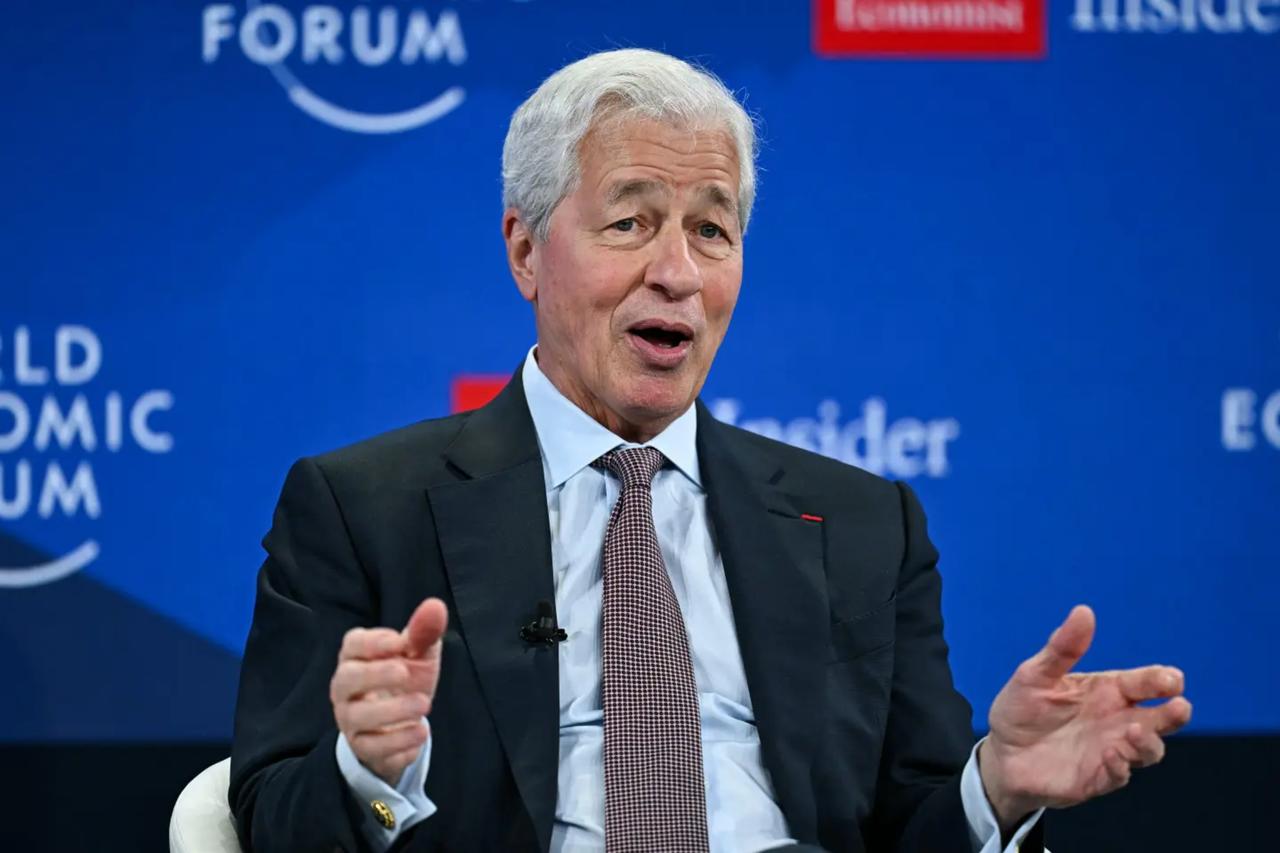


As sobering economic data and soaring global risks lay bare the threat of a rising China, JPMorgan Chase CEO Jamie Dimon has laid out a bold blueprint to repair fractured alliances and reclaim Western supremacy, a plan driven, in his view, by the need to counter China's growing weight.
On Sept. 28, Dimon published an article in the Wall Street Journal entitled “A Plan for the Western World’s Revival,” calling for a return to enlightened self-interest and renewing frayed ties with America’s traditional allies, specifically in Europe.
He writes, “The world is very different from 10 or 20 years ago. The risks today are enormous, and the stakes couldn’t be higher. A strong America with robust military and economic alliances is the foundation for a prosperous and peaceful world.”
It is rare for an American businessman to speak so directly to such a wide forum on political trends, and even more unusual for a figure of his renown. Dimon argues that America needs to begin repairing the post-World War II Western social contract, starting with Europe.
Dimon's aim is specific: to reunite the United States and Europe in the face of China's continued rise, which he sees as economic, technological, cultural and, eventually, military. And he approaches the task as a banker would, starting with a free trade agreement between the U.S. and the European Union.
According to Dimon, America’s global leadership is built upon three separate but linked foundations which he calls the “pillars” of America’s strength. They depend on one another, he argues, and if any one fails, the whole structure could come down.
In line with much of classic political theory, Dimon’s first pillar is maintaining the world’s most powerful and effective military. Most informed opinion still holds the United States as the world’s main military superpower, but within the context of the costs of Iraq, Afghanistan, and now Iran, the world can also see the very real limits of that power. And China is surely watching closely.
The second foundation of America’s preeminence is its economy and the U.S. dollar’s role as the global reserve currency; both necessary prerequisites to its military might. This pillar is, again, more fragile than it looks in recent years.
The third pillar is what he calls American values; the most ambiguous but perhaps most influential one. For Dimon, these are essentially the values of capitalism, social liberalism and free-market economics, a set of ideas which have as many critics as they do proponents, even at the best of times. But he argues that a renewed emphasis on these ideas can lay the groundwork for a stronger America in the future.
“We need to exercise all these tools to protect national security and resiliency. Foreign economic policy should maximize growth and competitiveness, both in the U.S. and for American companies doing business internationally.”
For decades, the bargain between America and Europe was straightforward: Washington guaranteed Europe's security, and Europe largely accepted American dominance on the world stage. Both sides believed that the arrangement served their national interests.
How quickly that world can change.
So where does Turkiye fit in all of this? Ankara retains its foreign policy of strategic autonomy, but it is also an established NATO member and, at least on a diplomatic level, works with the Americans on most pressing regional issues. The economics of the relationship is also deep and vibrant.
Dimon doesn't speak about Turkiye directly in the Wall Street Journal op-ed, but the bank he leads has strong connections with the drivers of the Turkish economy, both public and private.
JPMorgan maintains an active presence in Istanbul and serves as a major intermediary for foreign investment into Turkiye, hosting meetings and events at the highest levels in both the U.S. and Türkiye.
In August 2023, JPMorgan organized the Türkiye Economic Forum in Istanbul, featuring Treasury and Finance Minister Mehmet Simsek and other important national business figures in conversation with dozens of major international investors. Dimon’s senior team regularly holds top-level meetings between Turkish officials and Western fund managers.
After Simsek took over as finance minister, JPMorgan turned bullish on Turkish assets. Dimon often points to Türkiye's location when he talks about supply chains, NATO and regional politics, and he sees middle powers like it as vital to global stability.
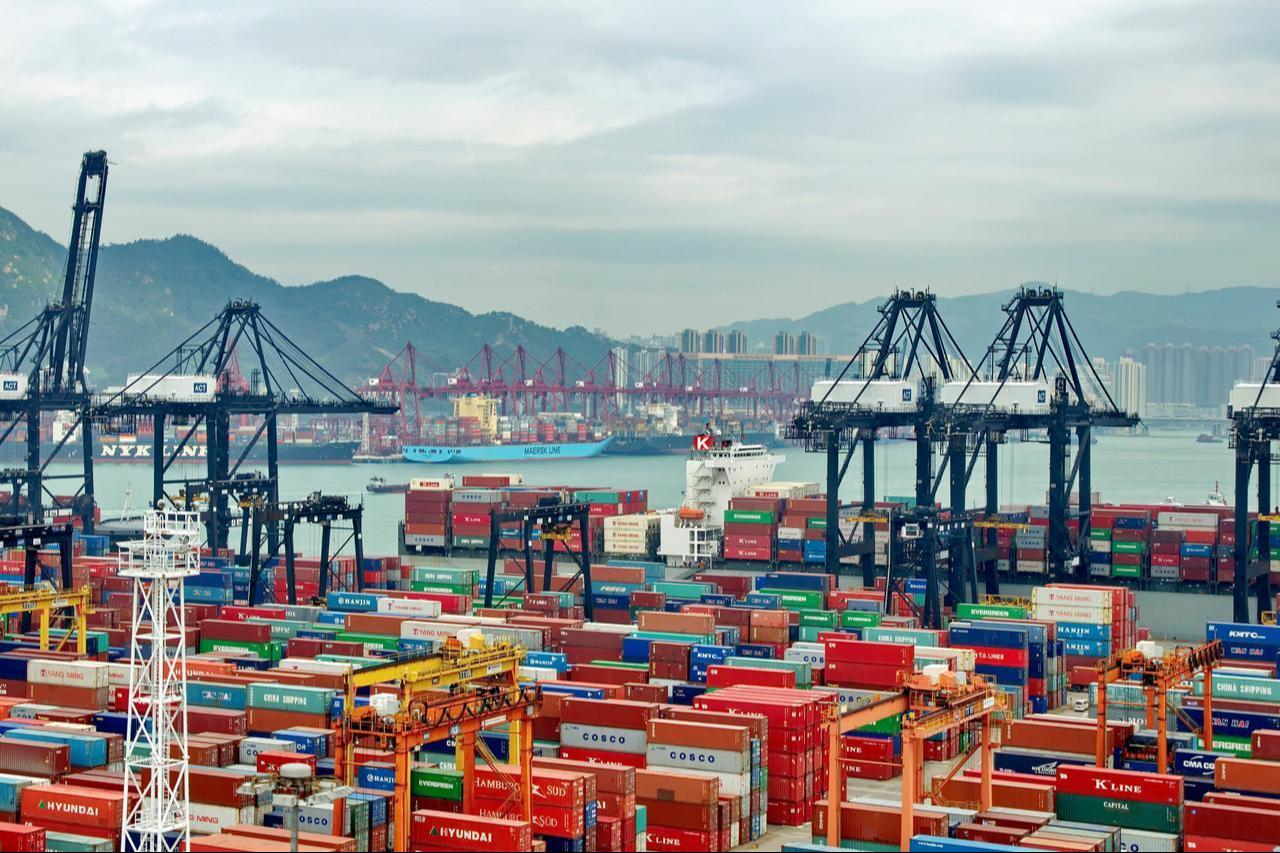

Dimon believes that by opening a free trade agreement discussion with Europe, America could demonstrate that it is serious about improving its international alliances while signalling that some of the most controversial aspects of the current Trump era will soon be behind us.
He argues that it is in U.S. national interest that Europe and our allies succeed. Yet it is now clearer than ever that the system he envisions is more fragile than most people assumed.
Nobel Prize-winning economist Paul Krugman reads the op-ed as a sign that American business leaders are growing more willing to speak out politically, and that the Trump era may be nearing its end.
Ultimately, although Dimon’s ideas are phrased in economic terms, they are really political; he speaks directly about Europe, but his real interest is in rebuilding America’s alliances to stabilize the international political system.
Speaking to the World Economic Forum in Davos in 2026 on the prospect of global economic and political fragmentation, Dimon emphasized the need for pragmatism in international relations: "You can hope for the world you want, but you’re gonna get the world that you got, and your competitors are gonna use it, and countries are gonna use it."
Dimon is a political animal, and his name has come up more than once as a possible presidential candidate.
Krugman argues he timed the op-ed on the expectation that Democrats will do well in the midterms. Either way, Dimon appears to be preparing his bank, America's allies and the wider world for life after Trump.


 Set as preferred source
 Set as preferred source


 6 min read