Newsletters




This article was originally written for Türkiye Today’s weekly newsletter, Saturday's Wrap-up, in its October 23, 2026 issue. Please make sure you subscribe to the newsletter by clicking here.
Brussels is in a trade war with China and it would rather not call it that. Officials are “deeply concerned” that it may be portrayed as such.
Desperate to shield domestic supply chains from a flood of cheap Chinese electric vehicles, and scrambling to compete with sweeping American green-tech subsidies, Brussels is busy drawing up blueprints for a fortress. This is the new European protectionism we are facing. Yet, there is so much at stake, and European decisionmaking may not be designed to meet such geopolitical shifts.
Europeans call it the "Made in Europe" initiative. The rules would act as a geographic fence for public money, dictating that strategic products, particularly in automotive, battery manufacturing, and clean energy, must be manufactured within the bloc to qualify for state subsidies, corporate fleet incentives, and public procurement contracts.
But it raises explosive questions for countries on the bloc's periphery: where exactly do the borders of "Europe" end and how much Europe is ready to sacrifice?
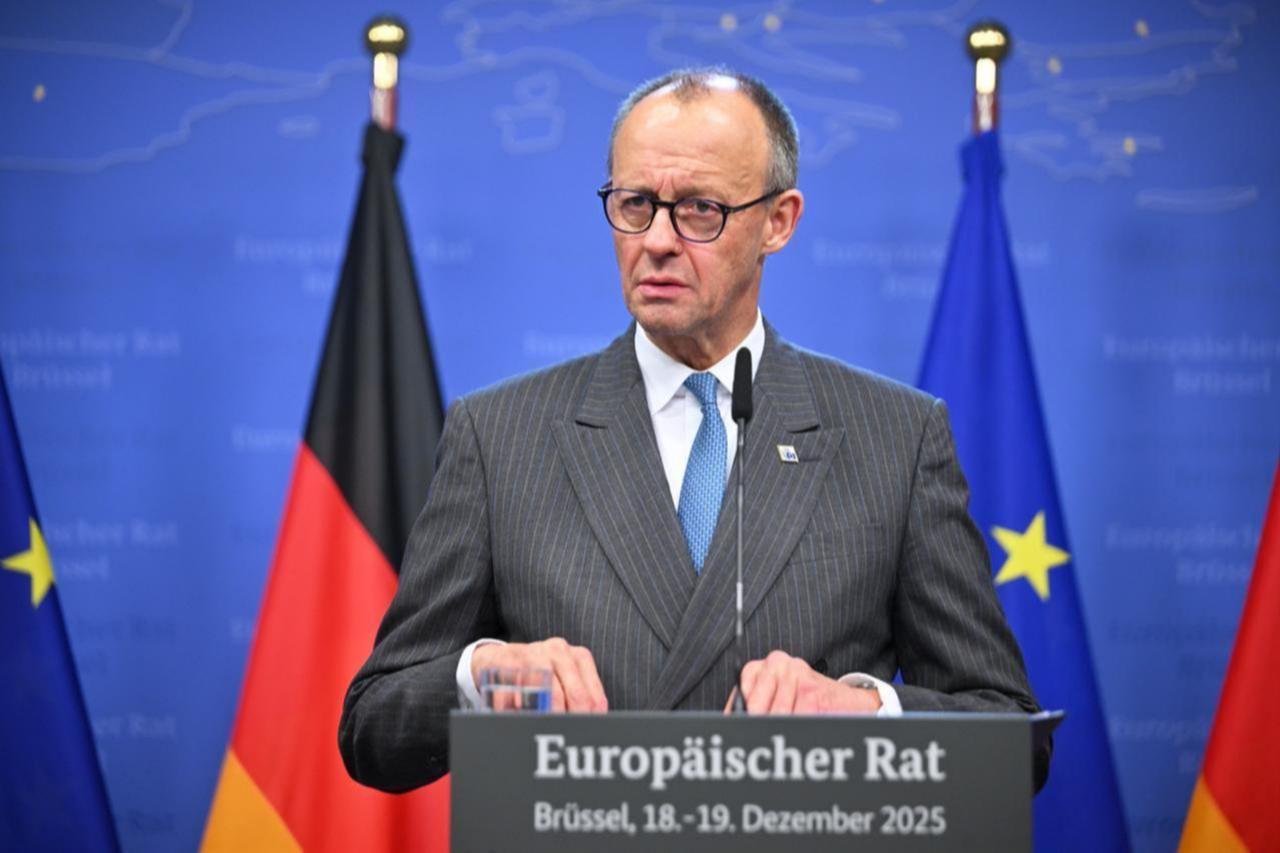
If a recent Franco-German non-paper is any indication, those borders are about to shrink dramatically. While the document suggests extending these vital automotive subsidies to the United Kingdom and EFTA states, it explicitly proposes excluding Japan, South Korea, and most alarmingly, Türkiye.
For Ankara, the economic stakes are economically existential. But for Europe, the risks are geopolitical.
Bound to the EU by a Customs Union since 1995, Türkiye is not just a trading partner, it is a highly integrated, indispensable manufacturing hub for European automakers.
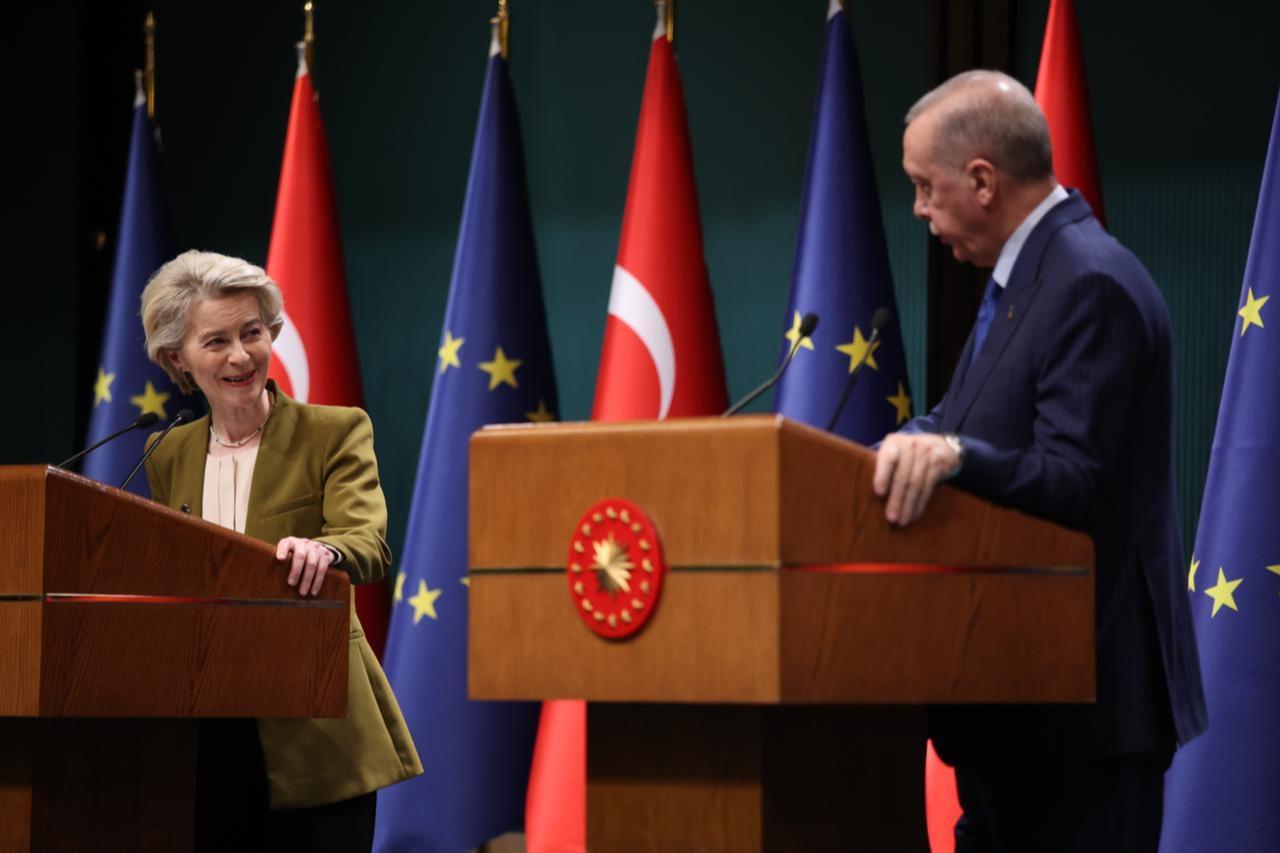
Turkish Trade Minister Omer Bolat recently highlighted a staggering fact: European auto firms manufacturing in and exporting to Türkiye sustain around 250,000 jobs within Europe itself. Bolat has been actively lobbying in Brussels, warning that sidelining Türkiye would rupture a 30-year Customs Union and deeply intertwined supply chains.
Industry leaders are echoing this alarm. Ender Yilmaz, a prominent candidate for the presidency of the Istanbul Chamber of Industry (ISO), recently cautioned that narrowing the "Made in Europe" approach in a way that excludes these integrated production centers carries significant risks for the future of the European automotive sector. Strict local-content requirements could disrupt the flow of vital parts, inflate manufacturing costs, and ultimately harm European consumers.
European diplomats I talked to recently painted a pessimistic picture of the current trajectory, but warned against absolute pessimism on the issue because the talks are still ongoing.
The controversial non-paper is far from a finalized directive, and the EU legislative process is notoriously slow. For the EU to turn something like this into law, France and Germany must first strike a deal, and they are currently at odds. France has historically championed stricter protectionist measures for European industries. Germany, whose economy relies heavily on global exports and integrated supply chains like those in Türkiye, has traditionally favored a more pragmatic, open approach.
However, the very fact that Türkiye's exclusion is being seriously floated in diplomatic drafts should serve as a wake-up call in Ankara.
This brings us to the ultimate question: Is Europe truly ready for a Türkiye with little left to lose?
Economic integration has long been the anchor of European-Turkish relations. Despite political turbulence, disagreements over migration, and democratic friction, the massive trade volume has kept the relationship grounded. It forces mutual pragmatism.
If Europe chooses protectionism and effectively weakens these profound trade ties, that anchor disappears. Excluding Turkish factories from the "Made in Europe" umbrella would put vehicles and parts manufactured here at a severe competitive disadvantage in their primary export market. It could deter future investments, hollow out the local supply chain, and spark an industrial downturn in Türkiye.
Brussels must calculate carefully. Protecting local manufacturing is a valid goal in the face of Chinese and American competition. But sacrificing a highly integrated, 30-year industrial partnership to build that wall might cost Europe far more than it saves.


 Set as preferred source
 Set as preferred source



 7 min read