Newsletters





The skies above Syria have long been a chessboard, but Israel’s latest military maneuver just shifted the game's primary opponent.
Israel’s recent attack on Abu al-Duhur Air Base, 70 kilometers from the Turkish border, was not quite surprising in the context of Israel’s broader Syria policy.
What drew particular attention was Netanyahu’s subsequent statement that the strike was a message to Türkiye. Israel does not want its neighbor Syria to grow stronger and is increasingly uneasy with Türkiye’s expanding regional influence, particularly its expanding military presence and investment in Syria’s future.
Since the early years of the Syrian civil war, Israel has operated relatively freely in Syria. It now pursues a long-term strategy centered on buffer zones, occupation, and a permanent presence—similar to its policies in Lebanon and the West Bank.
Yet, Netanyahu’s new Syria policy carries critical flaws and potentially fatal minefields.
Like Türkiye, Israel became involved early in the Syrian civil war, though its role attracted less attention. As Syria became a key front in the Iran-Israel proxy conflict, Israel conducted hundreds of airstrikes, with U.S. support and arrangements with Moscow and Damascus, targeting Iran’s military presence and weapons transfers to Hezbollah.
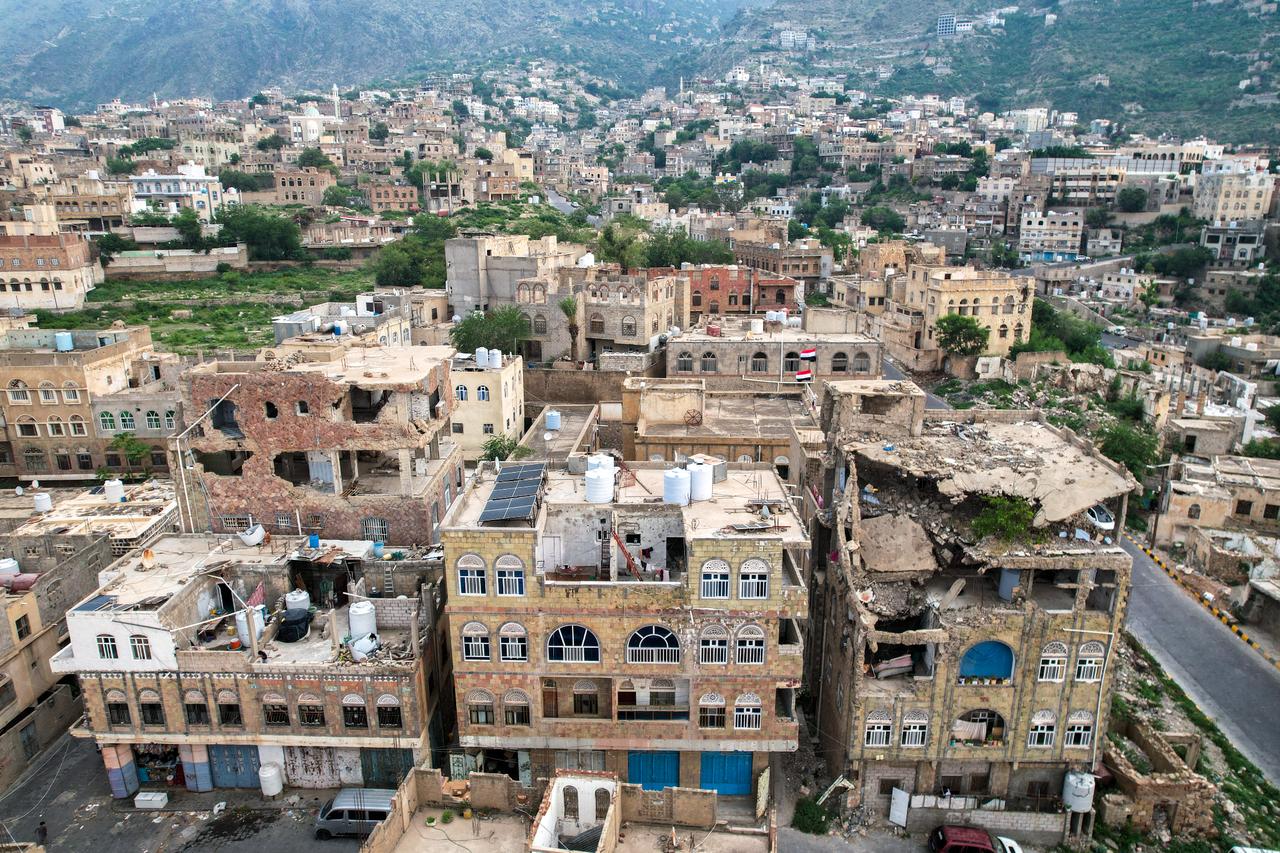
After Bashar Assad’s fall, Israel’s arrangements with Russia and the Syrian regime became obsolete, while a new administration it distrusted came to power. Israel therefore moved rapidly to secure its northern border, occupying the 1974 Golan Heights demilitarized zone, demanding wider demilitarization in southern Syria, and extending its control deeper into Syrian territory and up to 25 kilometers from Damascus. Despite initially describing its presence as temporary, it has reportedly established at least 10 bases and expanded ground operations in Daraa and Quneitra—including raids, checkpoints, searches, and arrests—which it justifies as necessary to prevent security threats and keep “hostile actors” away from its northern border.
Within 48 hours of Assad’s fall, Israel launched more than 350 strikes against Syrian military infrastructure. Over the following year, it carried out more than 1,000 airstrikes and 400 cross-border incursions in southern Syria, weakening Syria’s military capabilities while preventing the new administration, Hezbollah, or hostile groups from acquiring military assets.
Together with plans to expand settlements in the Golan Heights, these actions suggest that Israel’s presence in southern Syria is intended to be permanent, resembling its long-term policies in the West Bank and Lebanon. Netanyahu has reportedly told IDF officers that Israeli forces will remain on the Syrian side of Mount Hermon and in the Golan buffer zone for “an unlimited period of time.”

The narrative of a potential Israel-Türkiye conflict, and of Türkiye as a security threat to Israel, has emerged almost entirely from developments in Syria. Just days after Assad’s overthrow, articles in the U.S. began warning that Türkiye and Israel were “on a collision course.” These were followed by increasingly strong statements from Israeli officials and pro-Israel circles portraying Türkiye as a greater threat than Iran—the “next Iran.” Israel’s underlying concern is therefore Türkiye’s growing influence in Syria and the possibility of Syria becoming stronger with Turkish support.
In April of last year, Israel struck the T4 base near Homs, where Türkiye was reportedly planning to deploy air defenses, as well as Hama military airport. Israel has made clear that it opposes an expanded Turkish military presence, Turkish bases, and greater Turkish involvement in Syrian airspace.
This raises the question of how Türkiye and Israel coexisted relatively uneventfully between 2013 and Assad’s overthrow in 2024. During the civil war, their spheres of influence were largely constrained: Türkiye’s military presence and air operations were limited mainly to the border regions. Meanwhile, U.S. support and understandings with Russia and Damascus, along with the Russia-Israel deconfliction mechanism, gave Israel considerable freedom to operate against its targets.
That balance has now disappeared. Iran can no longer counter Türkiye’s influence, Russia is losing ground, the Kurdish administration that Israel cooperated with is integrating into Syria’s state institutions, and the United States withdrew its troops while working with Türkiye to strengthen Syria. Israel is therefore increasingly isolated as Türkiye trains the Syrian army, invests in major economic and energy projects, supports state-building, and considers further military expansion. Israel fears Türkiye could fill the vacuum left by Russia and provide Syria with radars, air defenses, and drones that could undermine Israel’s air superiority and restrict its freedom of action across Syria, Lebanon, Iran, and Iraq.
The issue is not whether Türkiye planned a base at Abu al-Duhur. Even a Turkish air base farther from Israel, or a naval base in Latakia or Tartus, could raise similar concerns. Israel’s long game in Syria is to prevent any center of power—including a legitimate Syrian state—from becoming strong enough to threaten it. Managing this emerging competition and ensuring Syria’s future and regional stability will require a more comprehensive framework than the deconfliction mechanisms currently being discussed.
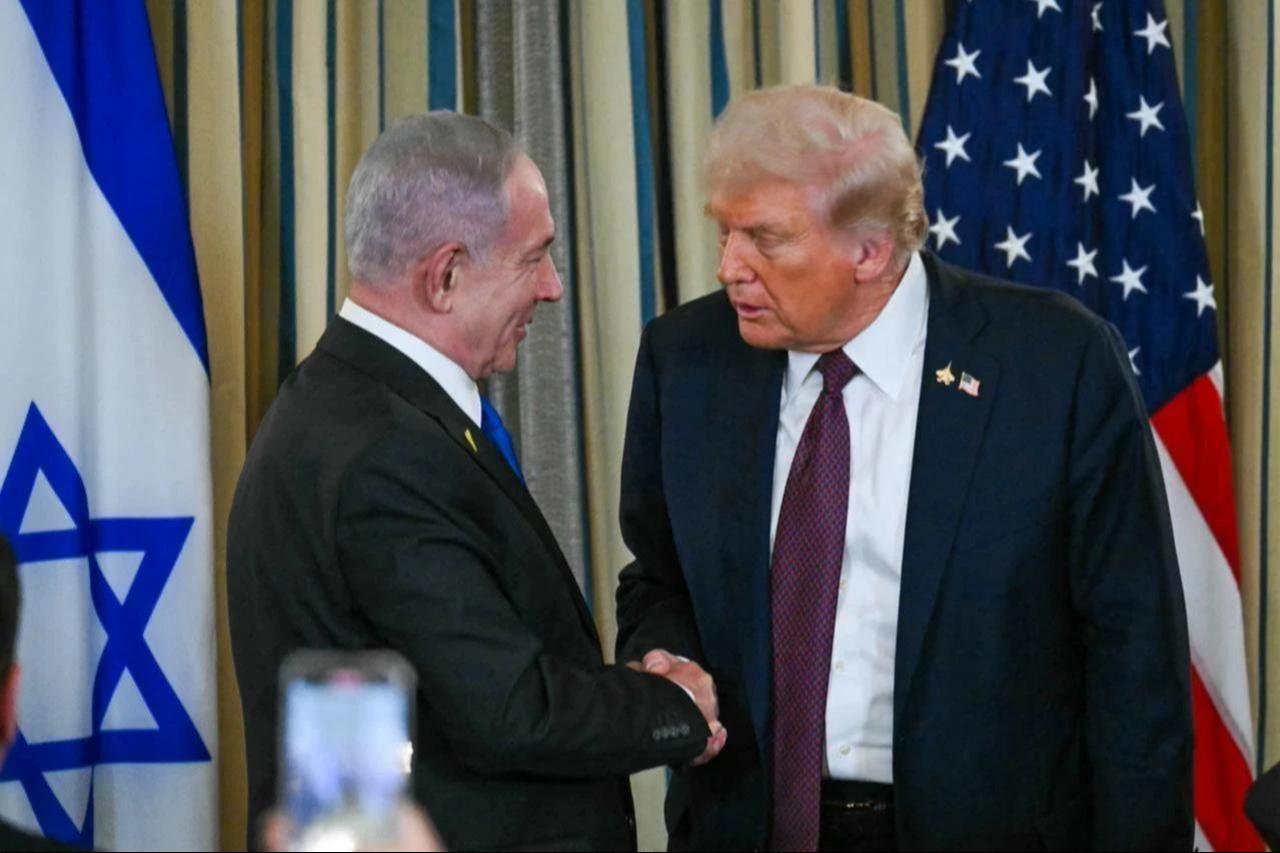
Israel is increasingly concerned about Washington’s opposition to its Syria policy. After Assad’s overthrow, Netanyahu raised his concerns about Türkiye’s presence in Syria with Trump, who publicly urged him to be “reasonable.” In July, reportedly after meeting Ahmad al-Sharaa in Ankara on the sidelines of the NATO Summit, Trump also told Netanyahu that Israel should withdraw its forces from Syria. The U.S. stance towards the Syria file is a major limitation of Israel's Syria policy.
U.S. Special Envoy for Syria and Ambassador to Ankara Tom Barrack has consistently made clear that Washington opposes Israel’s policies in Syria and supports a strong Syria. While the U.S. and Türkiye seek to strengthen the Syrian state, Israel is undermining these efforts through occupation, support for separatism, and military aggression. It has withdrawn from U.S.-mediated security talks with Syria, refused to return to the 1974 disengagement lines, and continued its military occupation.
Israel also appears unwilling to recognize that a strong Syrian state could serve its interests by limiting Iranian influence and preventing terrorist groups from operating freely. This is despite the new government’s conciliatory approach toward Israel, its distance from Iran, its support for Hezbollah’s disarmament, and its willingness to monitor terrorist networks, as well as the support it has received from the United States and Europe.
In the near term, at least until Israel’s elections, Türkiye, Israel, and Syria are likely to exercise restraint and respond cautiously to any escalation. If Israel’s government changes, the key question will be how much influence Washington can exert over its successor.
If Netanyahu remains in power, the Trump administration will need to firmly constrain Israel’s Syria policy before January 2029. A future U.S. president may have neither Trump’s influence and freedom of action over Israel nor the same close relationship with Türkiye.
But regardless of the outcome of Israel’s elections, neither Syria’s effort to rebuild after 13 years of civil war and devastating destruction nor Türkiye’s pursuit of peace and prosperity—after bearing the heavy security and economic costs of the turmoil in its neighbor—can be stopped.


 Set as preferred source
 Set as preferred source



 7 min read