

 Newsletters


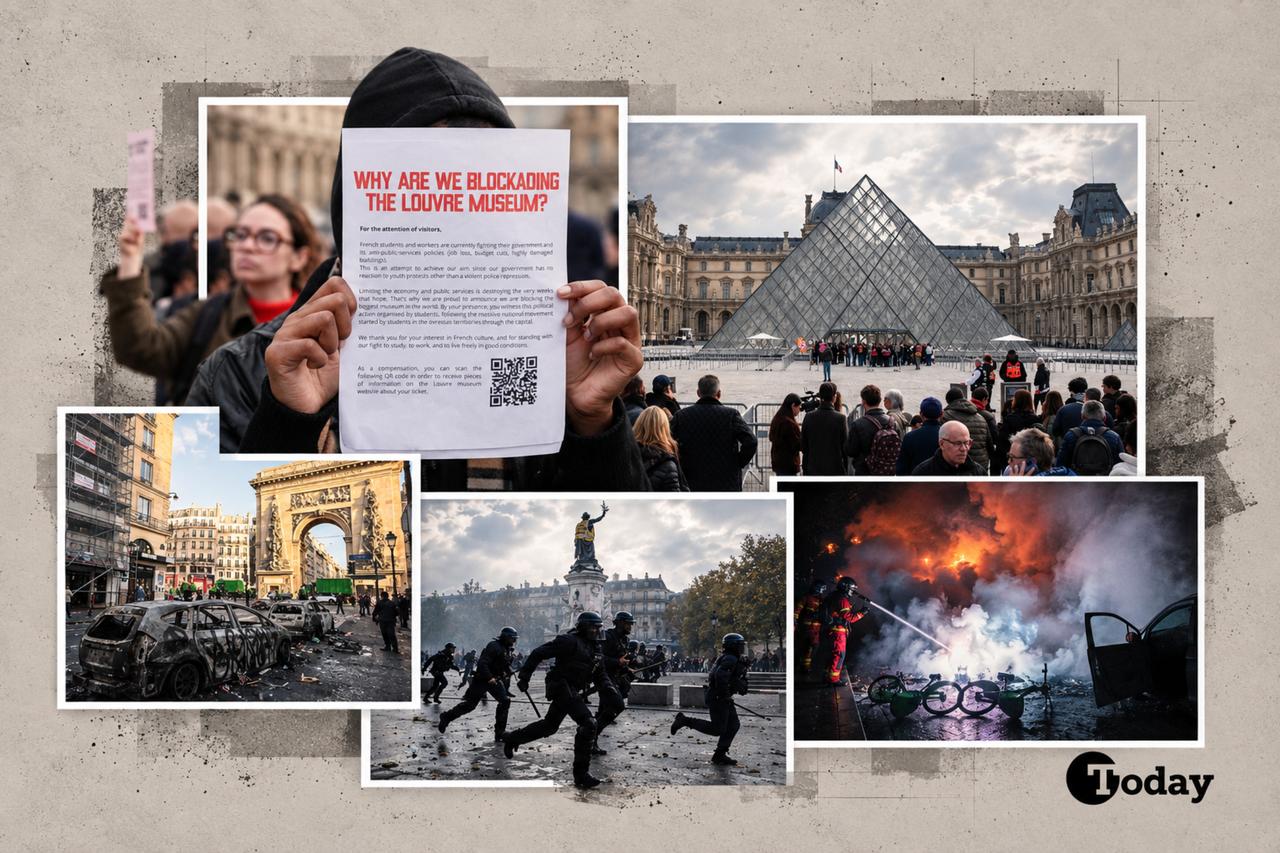


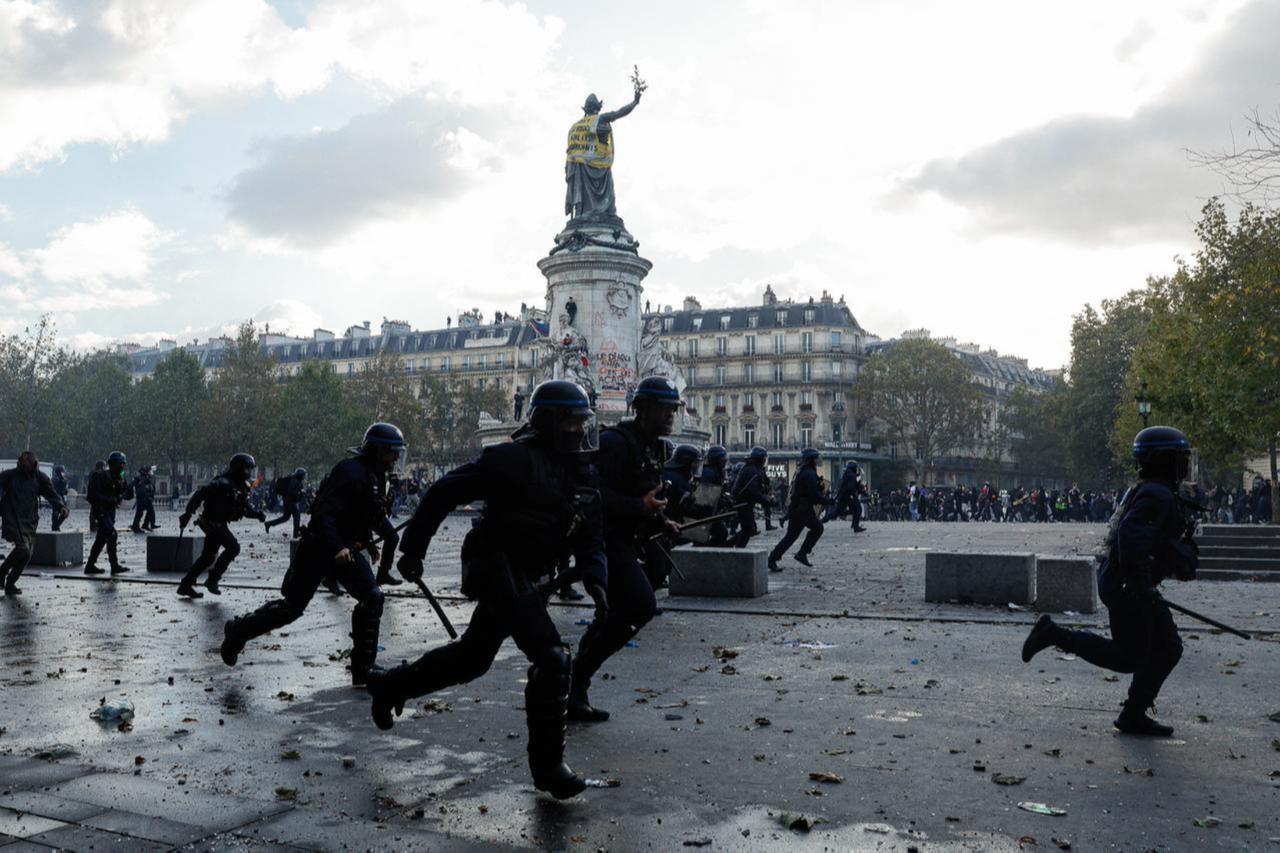
France is going through another period of mounting social tensions spilling onto the streets. Opposition to the education system, the rising cost of living, declining public services and political leadership is bringing together different segments of society. As labor unions and various social groups join student-led protests, memories of the Yellow Vest movement are resurfacing.
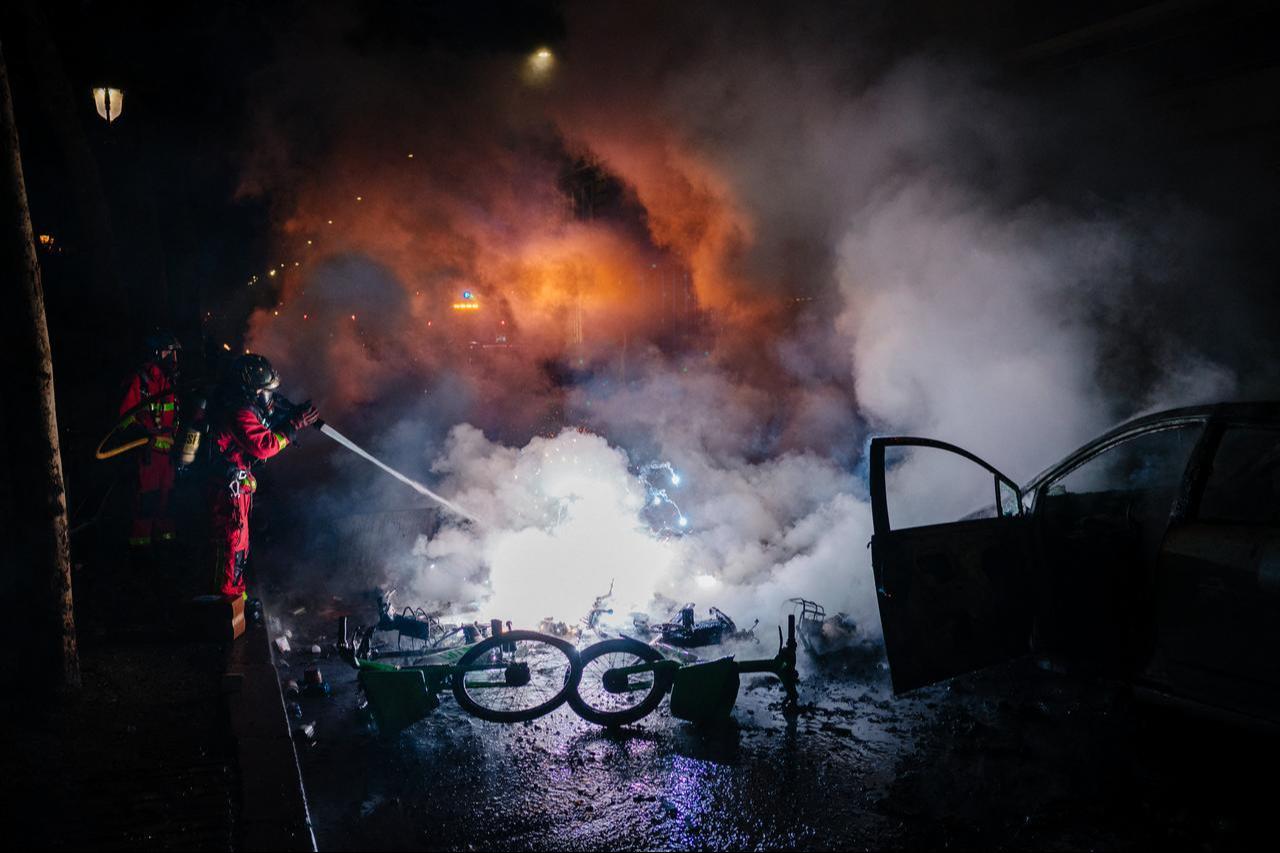
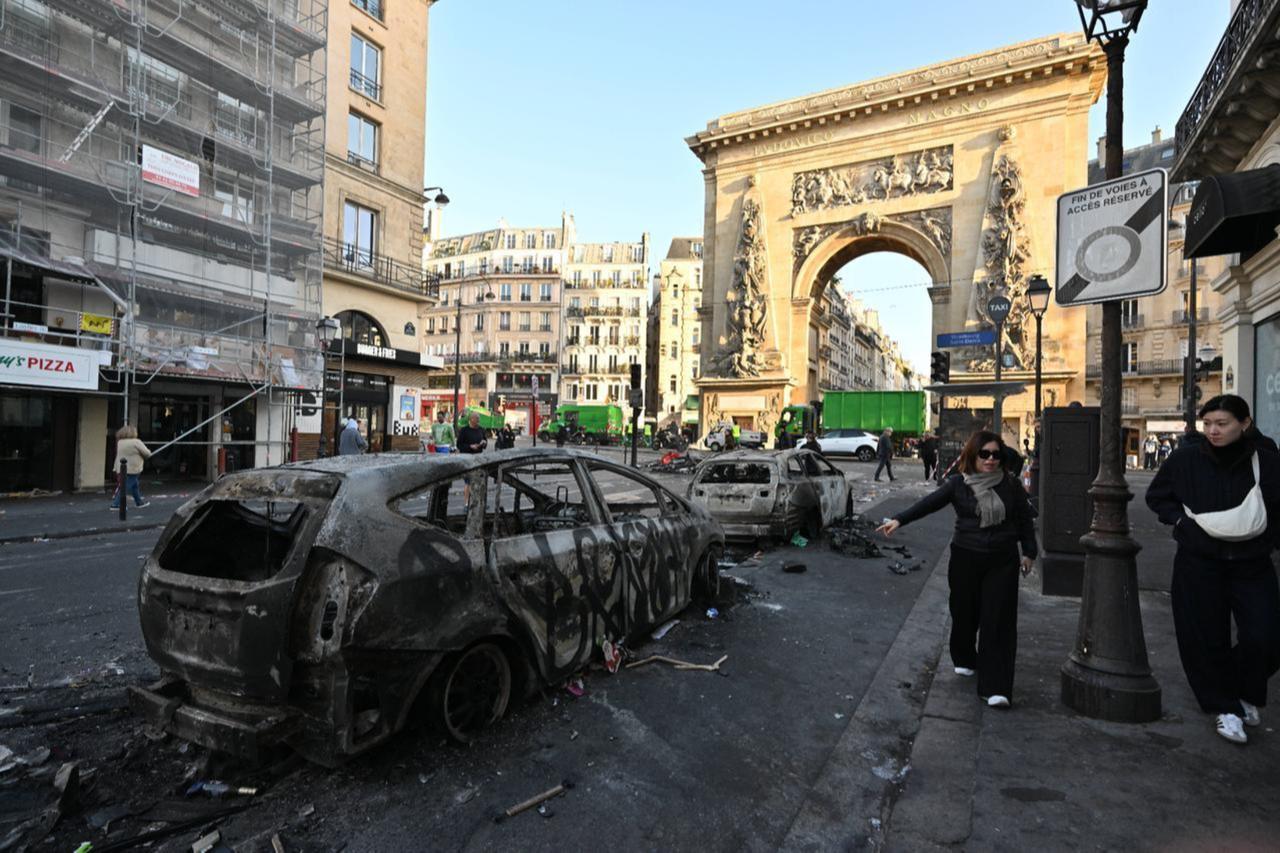
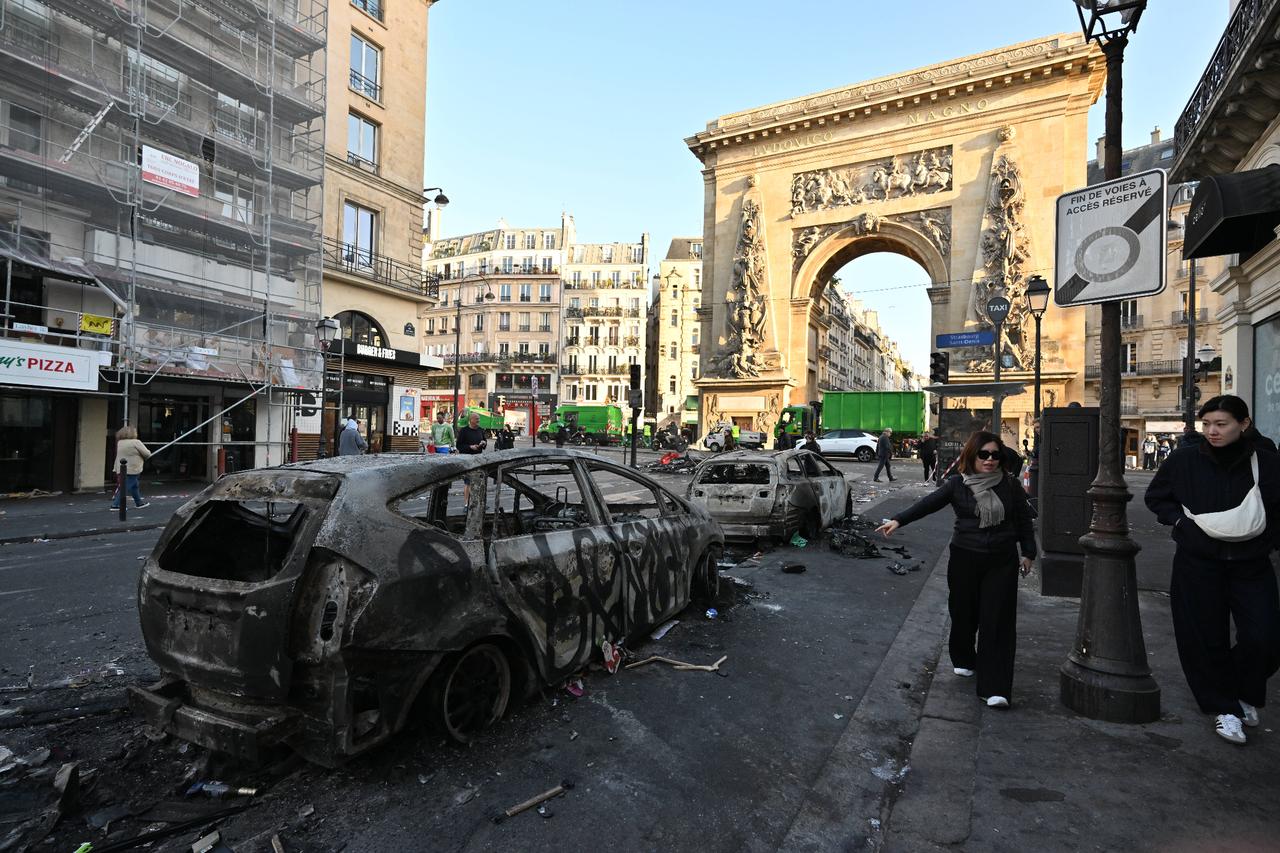
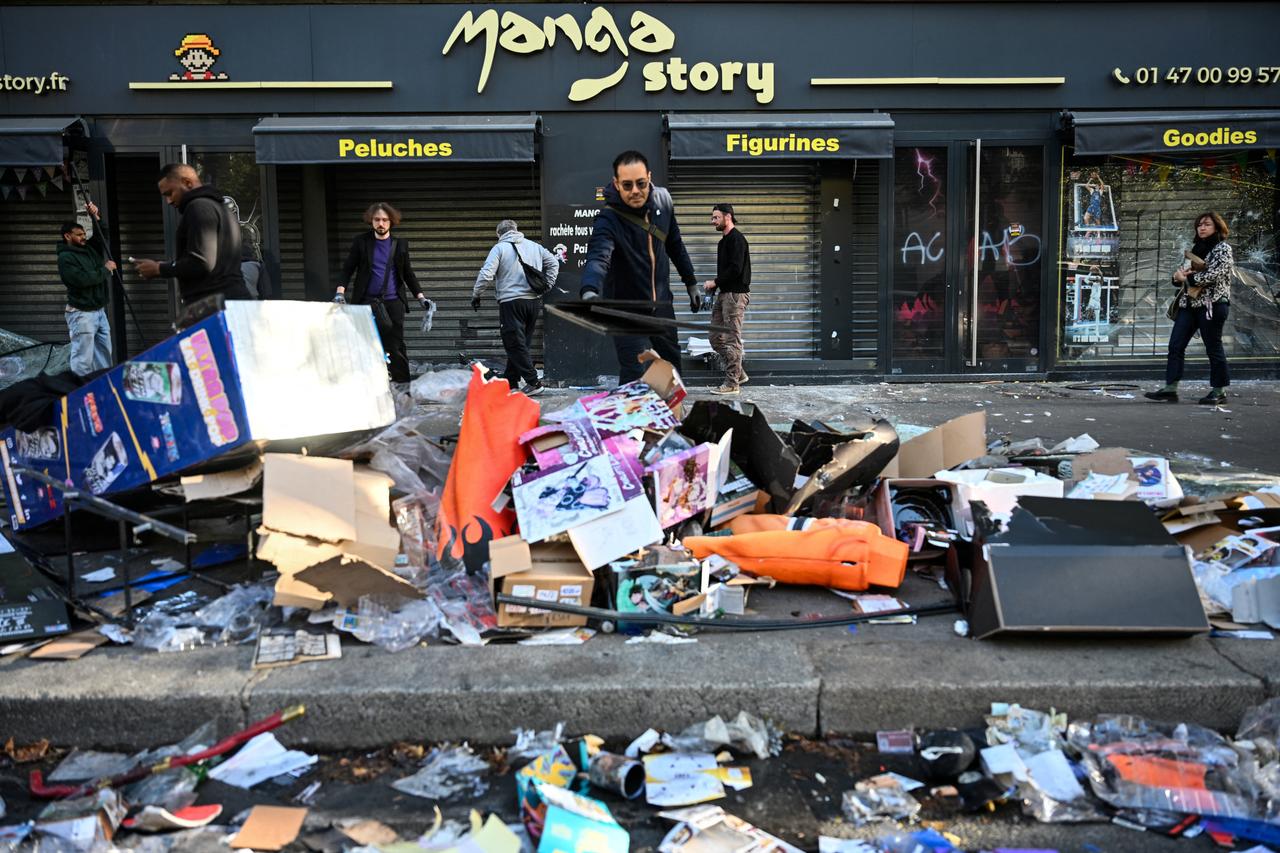
However, the violence accompanying the demonstrations is changing the nature of the unrest. Looted stores, burning vehicles, damaged public buildings and clashes with security forces point to a public security crisis that extends beyond political dissent.
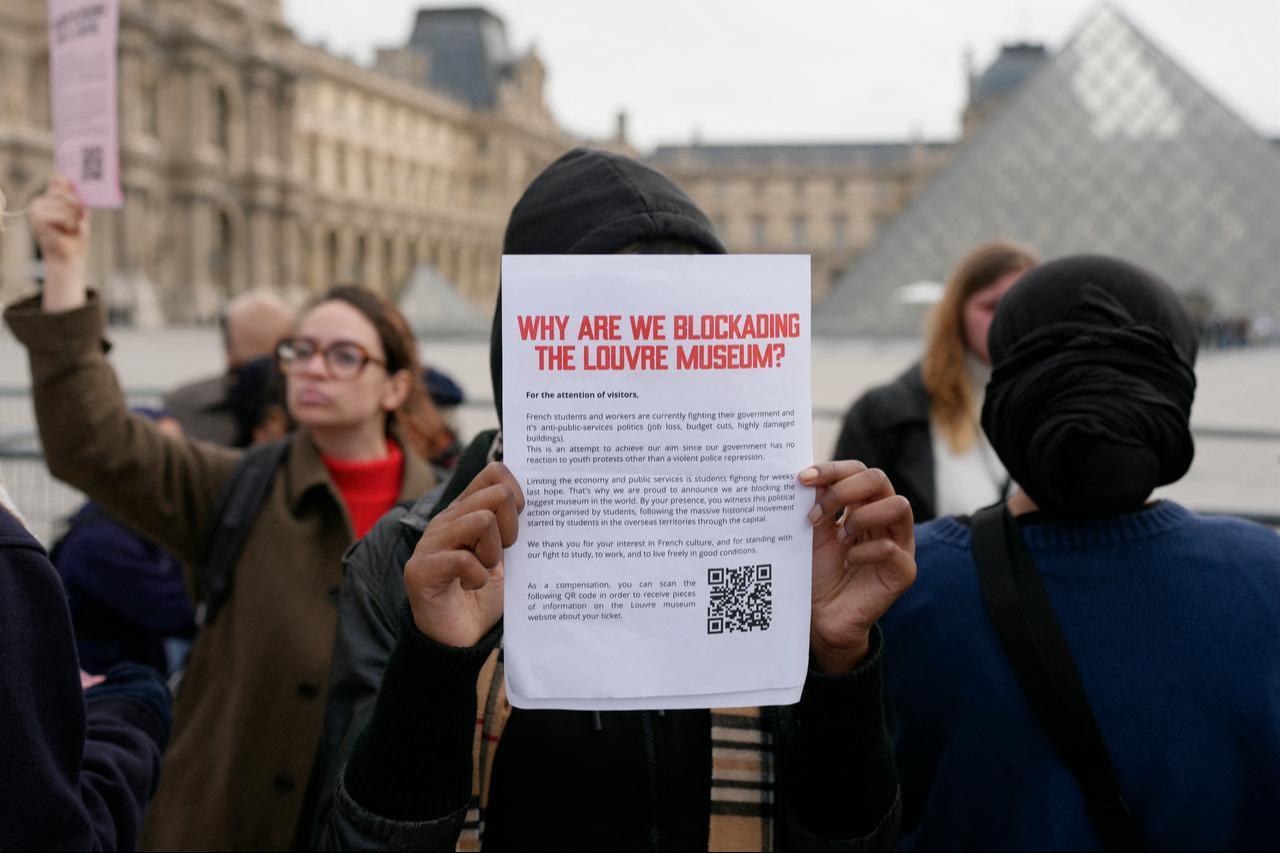
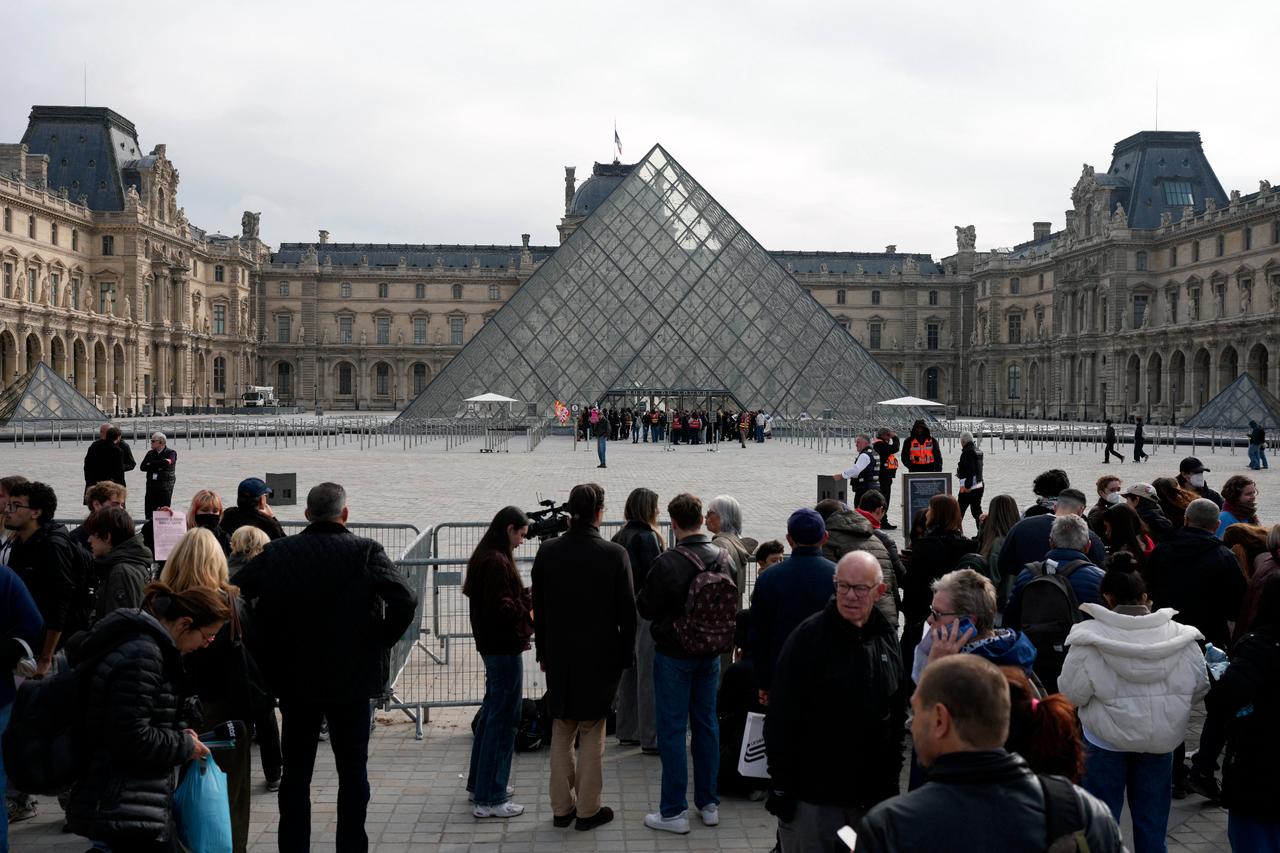
On Oct. 19, 2026, these tensions reached the doors of one of the world's most famous museums. The Louvre in Paris temporarily closed to visitors after students blockaded its entrances. Museum officials said that the students had used the Louvre as an "echo chamber" to make their voices heard around the world.
Yet the protesters' demands also included concerns over budget cuts and working conditions in the cultural sector. The Louvre was therefore not merely a stage on which a wider social crisis became visible; it was also one of the institutions affected by that crisis.
What made the incident particularly striking was its timing. Exactly one year earlier, on Oct. 19, 2025, the Louvre had made international headlines following a major jewelry heist. Thieves broke into the Galerie d'Apollon and stole royal jewels that formed part of France's historical heritage, raising serious questions about the museum's security systems.
On Oct. 19, 2025, the museum's physical security was breached. On Oct. 19, 2026, public access was disrupted by a social protest.
Although fundamentally different, the two incidents raise the same question: To what extent can the world's greatest museums remain insulated from the crises unfolding within their own societies?

In November 2025, I examined the threats facing Western European museums in an article titled "Museums in the Shadow of Civil War," published by Izmir Art. My analysis drew on the work of Professor David Betz of the Department of War Studies at King's College London.
In his 2023 paper, "Civil War Comes to the West," Betz argued that threats to the security of Western societies did not arise solely from external forces but also from internal social and economic tensions. He developed this argument further in his publications throughout 2025.
One of Betz's starting points was a comparison made in 2022 by Josep Borrell, the European Union's former high representative for foreign affairs. Borrell likened Europe to an orderly, prosperous garden and the rest of the world to a jungle.
For Betz, however, the greatest danger came not from the jungle outside but from the deterioration taking place within the garden itself.
He identified three principal forces driving this deterioration: the hardening of social identities, the widening gap between economic expectations and actual living conditions, and the vulnerability of modern urban infrastructure.
Recent developments in France have brought these dynamics back into focus. Young people's grievances concerning education, housing and their prospects for the future recall what Betz describes as the "expectations gap."
As the distance grows between the life a society promises and the reality it can provide, public trust in political institutions may begin to erode.
Yet the issue goes beyond economic dissatisfaction or the exercise of the democratic right to protest. Looting, vandalism and attacks on public buildings accompanying mass demonstrations risk fundamentally changing the nature of the social crisis.
This is where Betz's civil war scenario opens up a more concrete discussion about the future of museums.
In a city where stores are being looted, vehicles set on fire and public buildings damaged, what grounds do we have for assuming that museums will remain beyond the reach of violence?
A museum does not need to house internationally celebrated masterpieces to become a target of vandalism. Its historical identity, the neighborhood in which it stands or simply its location along the path of spreading violence may be enough to expose it to danger.
The vulnerability is even greater for regional and local museums with limited international visibility and modest security budgets.
Betz's argument concerning urban vulnerability becomes particularly relevant here. Modern cities depend on interconnected systems of energy, transportation, communications and public services.
Disruptions to these systems can bring museum operations to a halt even when the museum building itself remains completely intact.
A breakdown in urban security can also expose cultural institutions to opportunistic looting, vandalism or ideologically motivated attacks.
Museum security, therefore, cannot be guaranteed solely through measures implemented at entrances, in exhibition galleries or in storage facilities. When a city's broader security system breaks down, a museum's walls cannot provide sufficient protection on their own.
The student protest at the Louvre was not an attack on its collections. Nevertheless, the spread of violence across the city raises the possibility that cultural heritage could become a direct target in the future.
Protecting cultural heritage is not simply about documenting disasters after they occur. It is about anticipating those that have yet to happen.
There is also a deeper historical dimension to this issue: the legacy of colonialism.
The Louvre's collections reflect not only France's cultural achievements but also its imperial past and the unequal power relations that shaped it.
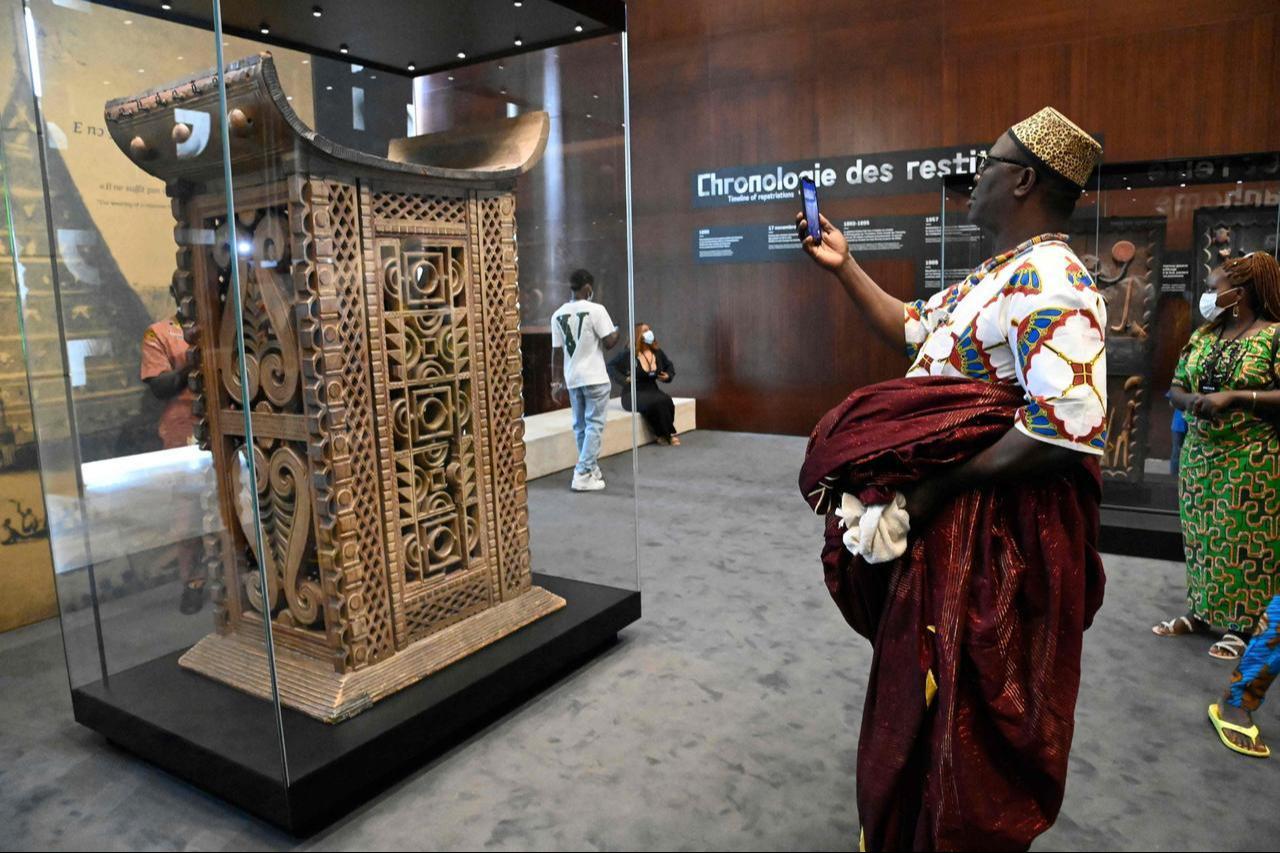
French museums hold numerous objects brought from Africa, Asia and other parts of the world. Some were forcibly removed, looted or transferred to Europe under unequal conditions during the colonial period.
Among the people living in France today are communities with family, cultural and historical ties to the regions from which these objects originated.
As a result, the objects displayed in certain museums do not carry the same meaning for everyone.
An artifact that symbolizes national pride for one group may serve as a reminder of colonial domination and historical injustice for another.
The danger here does not arise from the existence of these communities. Rather, it stems from the increasingly contentious debate over the historical legitimacy of European museums' collections.
In an environment where social violence becomes more widespread, these debates could turn cultural institutions into more visible targets of symbolic confrontation.
Nor is this situation unique to France.
Institutions such as the British Museum in London and the Humboldt Forum in Berlin have also faced controversy over the origins and ownership of their collections, as well as the historical narratives those collections represent.
Museums in Europe's former imperial centers are not merely repositories of cultural heritage. They are also places where historical power relations take on a tangible form.
As social conflicts deepen, this symbolic position could make museums increasingly vulnerable.
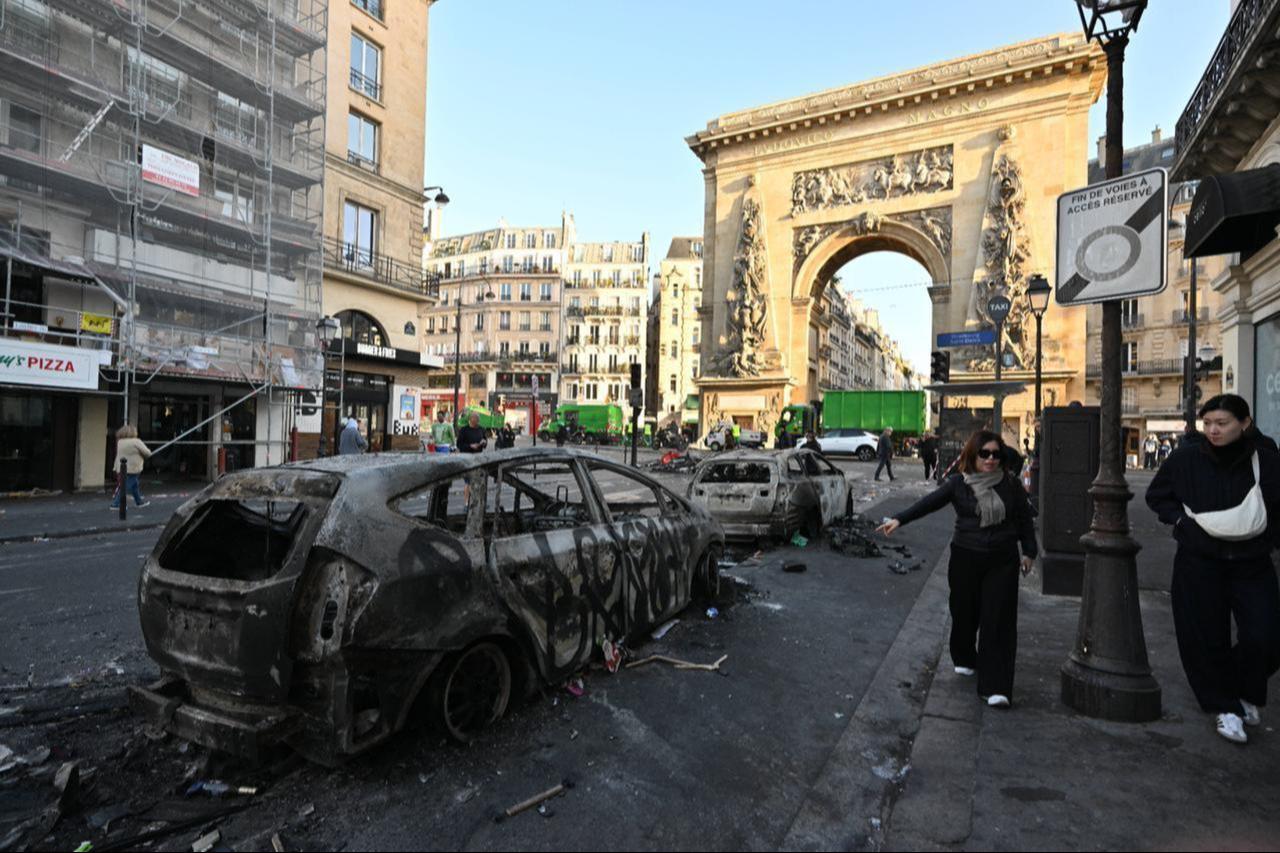
In my 2025 article, I examined the threats facing museums under two main categories: ideological attacks and the looting of cultural property.
During internal conflicts, cultural heritage may become a target not only because of its economic value but also because of the collective identity it represents.
Destroying a monument, smashing a statue or looting a museum can sometimes amount to an attempt to erase the historical narrative embodied by those objects.
The student protest at the Louvre, however, brings a different phenomenon into focus.
The students did not attempt to steal or damage artworks. Instead, they sought to use the museum's symbolic power to draw attention to their social demands.
This suggests that the challenges facing museums should now be considered under a third category: the seizure of symbolic space.
In this case, the target is not the collection but the museum's ability to function as a public institution.
Blocking entrances, halting visits and directing global attention toward a particular cultural landmark are becoming methods of political communication.
A protest in an ordinary Parisian square might attract national media coverage. When the same protest forces the Louvre to close its doors, it becomes international news.
The museum's reputation and global visibility make it a strategic location for social confrontation.
In recent years, climate activists have also targeted the protective glass, frames and pedestals of artworks, demonstrating just how powerful cultural institutions have become as symbolic spaces for protest.
Although these actions differ in their objectives and methods, they share a common feature: taking advantage of museums' international visibility.
The threats facing museums, therefore, no longer concern only the physical safety of artworks.
The public operations and symbolic reputations of cultural institutions are also becoming part of broader social struggles.
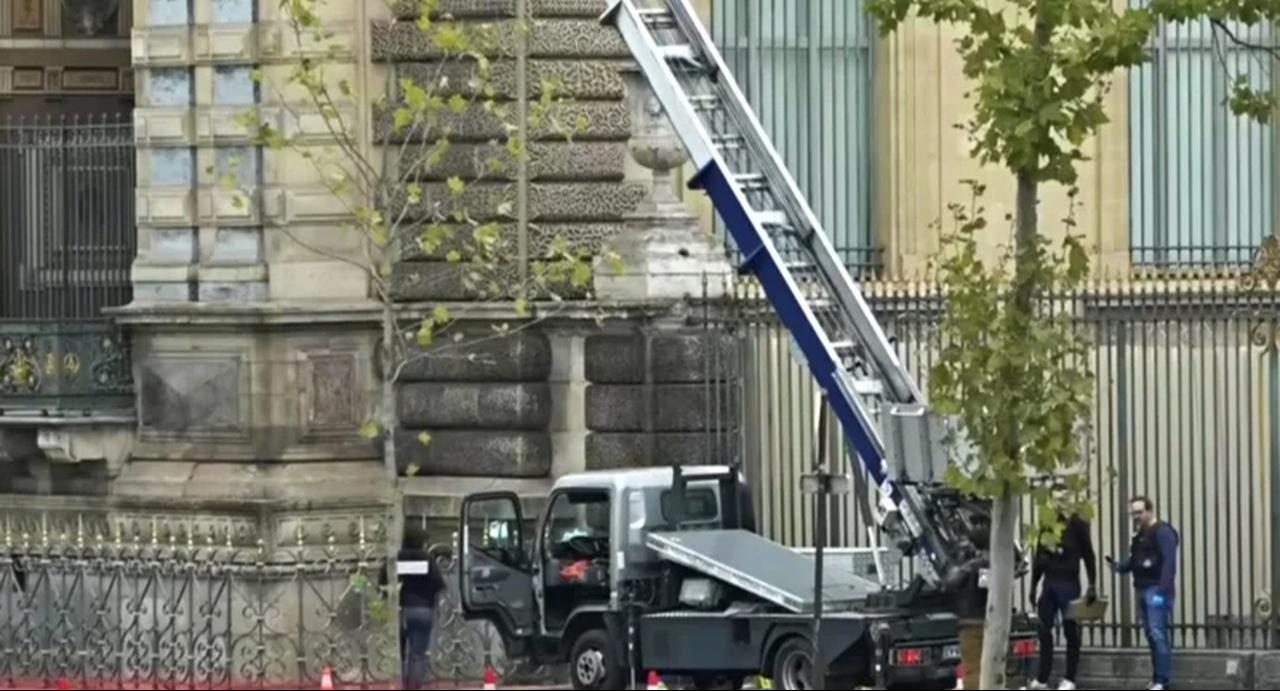
The 2025 Louvre heist challenged a long-standing assumption: that the world's greatest museums are also its best-protected cultural institutions.
A concept highlighted in David Betz's work, known as "normalcy bias," becomes particularly important here.
Normalcy bias describes the tendency of individuals and institutions to underestimate or ignore approaching dangers because they assume that familiar conditions will continue.
The West's major museums may have lived under a similar illusion for a long time.
The belief that wars, looting and major social conflicts belonged to other parts of the world may have encouraged European museums to see themselves as cultural sanctuaries, almost immune to the storms of history.
Yet the Louvre heist of Oct. 19, 2025, demonstrated just how fragile that perception of security could be.
The student blockade one year later brought another reality into focus: A museum's operations can be brought to a standstill without anyone attacking its collection.
In one case, physical security was breached. In the other, public access was interrupted.
Both incidents demonstrate that museums cannot be protected exclusively through measures implemented within their own walls.
This is where the real danger of normalcy bias lies.
Underestimating risks delays institutional preparations for disasters that have not yet occurred.
Moreover, during a citywide security crisis, law enforcement priorities may shift. The redeployment of officers to other areas to maintain public order could indirectly weaken the protection available to museums.
For European museums, the greatest danger is not simply that their security barriers can be breached, but that they may still refuse to believe such breaches are possible.
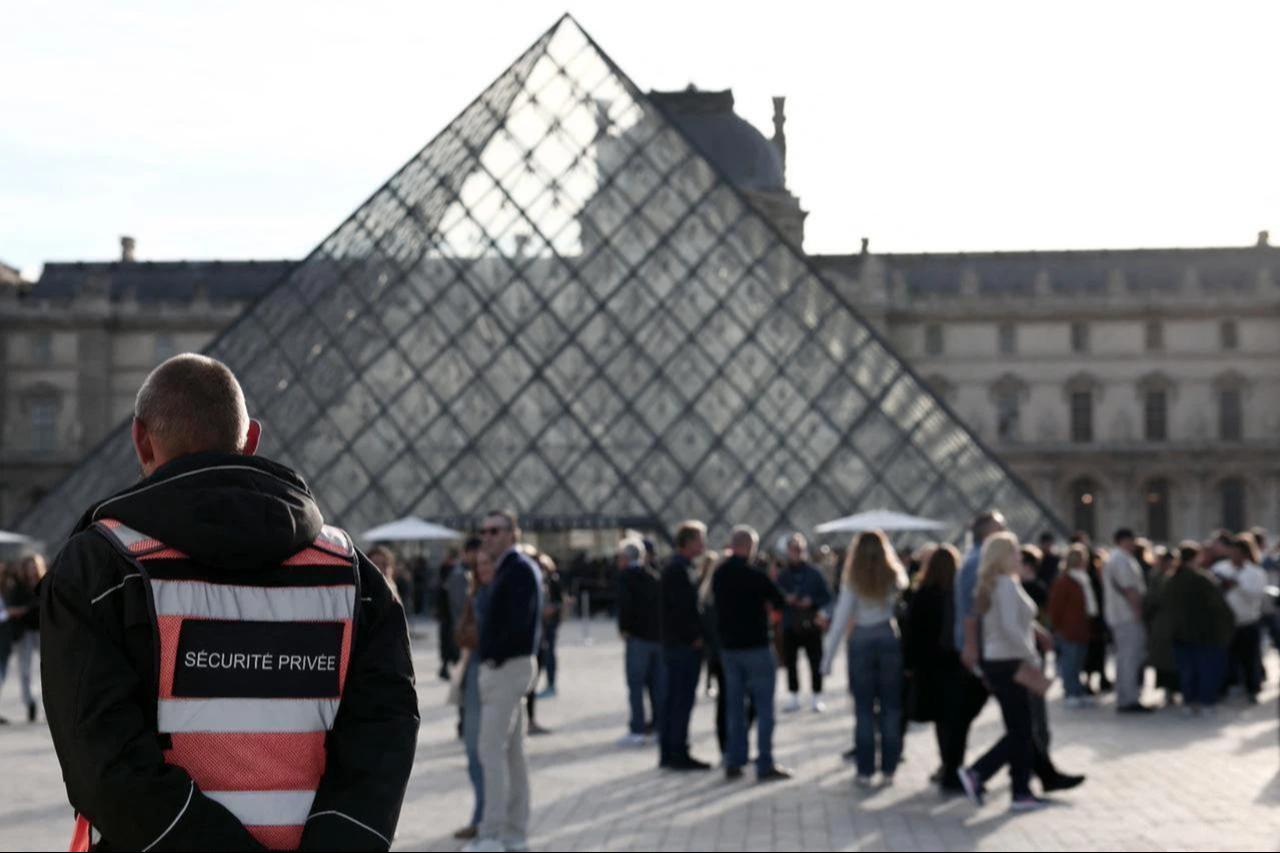
David Betz's predictions about the future of Western societies are pessimistic.
He argues that social polarization, economic decline and identity-based tensions could develop into more serious internal conflicts.
Whether this scenario will eventually unfold cannot be determined with certainty today.
However, a society does not have to descend into civil war for its cultural heritage to suffer damage.
A temporary breakdown in public order, widespread looting or the loss of control over urban centers can create sufficient conditions for cultural property to be destroyed.
During World War II, European museums took extraordinary measures to protect their collections from bombing and looting.
Artworks were moved into secure storage facilities, protection inventories were prepared, and specialized units were established to safeguard cultural heritage under wartime conditions.
Betz similarly argues that museums, archives and galleries should have protection plans prepared in advance for potential internal conflicts.
However, the museum crises of the 21st century are too complex to be resolved simply by moving artworks to safer locations.
The security of museums cannot be separated from the security of the cities in which they operate.
For this reason, culture ministries, local authorities, law enforcement agencies and emergency management institutions must treat cultural heritage protection as an integral part of urban security planning.
Measures to safeguard collections, evacuate staff and visitors, maintain security around museum buildings and ensure the continuity of operations must all be planned before a crisis occurs.
Yet the issue is not simply about building higher walls, installing more sophisticated alarm systems or hiring additional security personnel.
Museums must also rethink their relationships with society while protecting their collections.
After all, a cultural institution that loses its public legitimacy cannot secure its future through technical measures alone.
 1 min read
For centuries, European museums have built walls, display cases and security systems to protect the objects they collected from around the world.
Today, however, the danger they face is not merely that these barriers might be breached, but that the social crisis growing outside their walls could eventually reach the collections inside.
On Oct. 19, 2025, thieves who broke into the Louvre overcame the physical defenses of one of the world's most famous museums.
On Oct. 19, 2026, a student blockade brought the same museum's public operations to a halt.
Separated by exactly one year, these two incidents exposed the same reality through very different means—a museum's security cannot be separated from the security of the society in which it exists.
The challenges facing the Louvre, therefore, are not the Louvre's alone.
For European museums, the greatest danger is not simply that their security barriers can be breached, but that they may still refuse to believe such breaches are possible.


 Set as preferred source
 Set as preferred source


 1 min read


