Newsletters


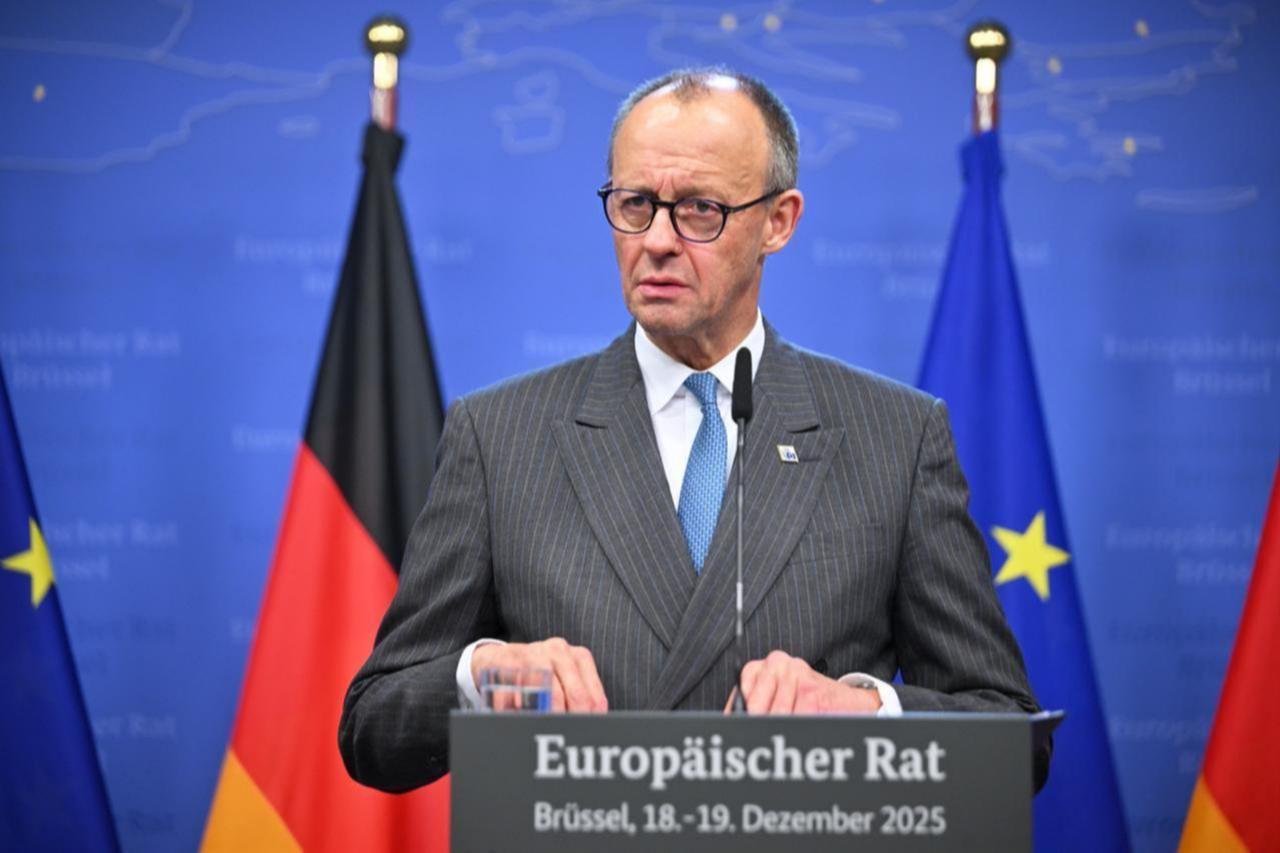


On Oct. 20 in Berlin, Chancellor Friedrich Merz marked the anniversary of the 1961 recruitment agreement that first brought Turkish guest workers to Germany. The agreement, he acknowledged, was supposed to be temporary. The planners assumed the workers would return home.
Merz admitted that the plan had overlooked the workers themselves. “This calculation, as we can see today, did not take the people into account,” he said. Many of them stayed, and in his words, they became “eventually Germans.”
Today, naturalization is governed by the 2024 citizenship overhaul, which made keeping the original passport the general rule for naturalized citizens, including Turkish nationals. Last year, by preliminary count, 34,100 Turkish nationals were naturalized, a 51% increase that federal statisticians say is probably linked to the reform.
However, Merz's speech sidestepped the rule that makes it possible. Worse, leading voices in his own party want it ended or narrowed. Alexander Throm, the interior spokesman of the Union, the parliamentary group of Merz's Christian Democrats (CDU), called in May for abolishing the general permission for dual citizenship.
Merz was praising an outcome his party opposed or discouraged at several turns, from Helmut Kohl's return premium in the 1980s to the Union's vote against dual citizenship in 2024.
The chancellor's praise holds only as long as the reform does, because for many of the 1.4 million people in Germany who hold only a Turkish passport, it decides whether becoming German means giving up that passport.
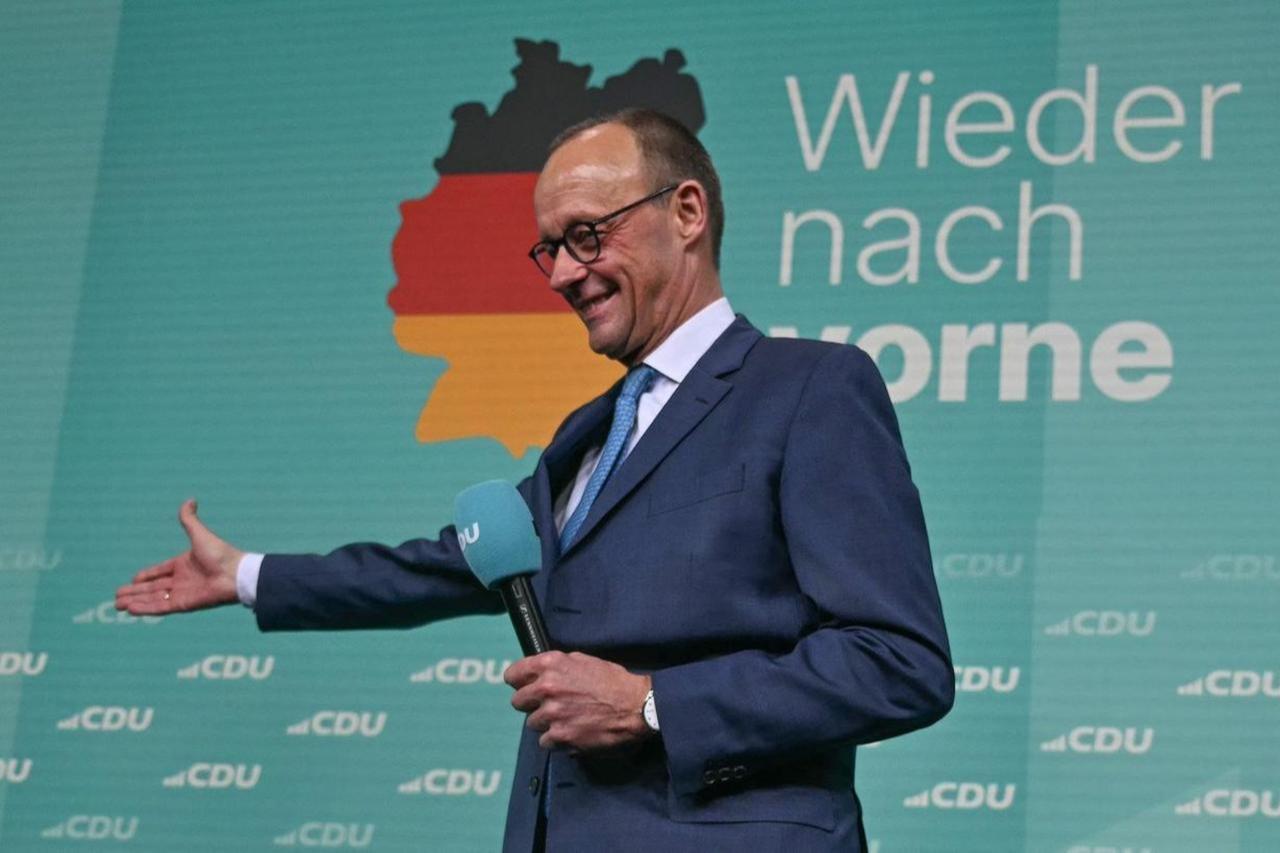

On paper, the reform stands. No bill to end it has been announced, and the coalition agreement the Union signed with the Social Democrats (SPD) says "we stand by the reform of citizenship law." Dual citizenship itself goes unnamed there, after the Union failed to get it abolished.
Throm is not the only doubter, though. In May, Hesse's interior minister, Roman Poseck, also from the CDU, argued that dual citizenship makes integration harder and should be limited to exceptions, five months before his party's chancellor praised the guest workers for becoming German.
Praise for the guest workers and their descendants rests on a documented record. Guest workers built cars at the Ford plant in Cologne, and the record goes beyond industry. The writer Emine Sevgi Özdamar, born in Türkiye, won the Georg Büchner Prize for literature.
In medicine, Ugur Sahin and Ozlem Tureci, among the Turkish Germans Merz praised, founded BioNTech, which won EU approval for its COVID-19 vaccine. With that record settled, the passport is the question still open.
The figures show who is naturalizing. The Turkish nationals naturalized last year had lived in Germany for 24.1 years on average. On that evidence, many who had stayed for decades took German citizenship once it no longer cost them their Turkish citizenship.
In November 1983, Kohl's Union-led coalition with the liberals passed the Return Assistance Act. It paid a premium, open to every recruitment country outside the European Community, to those hit by plant closures or short-time work who left Germany with their families for good. The share of Turkish citizens leaving more than doubled the following year, though most stayed.
When they stayed, the question moved to the passport. In 1999, Roland Koch, the CDU's leader in Hesse, campaigned against dual citizenship, won the state election and became premier. The law that followed granted citizenship at birth to children of long-settled parents, yet required those with dual citizenship to choose one as young adults.
A Union-SPD coalition eased that duty in 2014. However, in January 2024, when the German parliament made dual citizenship the rule, not one Union member voted yes, and Throm called the reform "wrong in general." A year later, Merz said in an interview that dual citizenship should again be the exception.
Seen together, these measures asked the same thing of the workers and their children. First, they were to choose between countries, then between passports. The CDU has said its aim was integration, and it has made exceptions along the way. Throm and Poseck show that the demand has not gone away.
The CDU can point to its record in government. It accepted the reform in the coalition agreement, and a year ago, the Union voted for a law that removed only the fast track to citizenship. So that law, as the federal statistics office notes, left the right to keep a former citizenship in place. This is why the record is the party’s strongest point.
Throm and Poseck take the other position. Throm has said abolition could not be pushed through against the SPD, and in May he still wanted it. Merz's speech did not defend the rule against them. By praising the outcome and leaving the rule unnamed, it spared him a choice between the two positions and left the split unresolved.
The coalition partner, the SPD, has defended the reform. Hakan Demir, an SPD member of parliament, was quoted last year saying there would be "no rowing back," and an SPD interior expert, Sebastian Fiedler, noted a year ago that the Union members then calling for change had voted for the law.
As things stand, Merz's "eventually Germans" is praise for a result his party has not agreed on how to defend. For many Turkish nationals in Germany who hold only the Turkish passport, the rule decides whether they can become German and keep that passport. For them, the speech in Berlin remains an empty stage show.
Aysegul Colak is a researcher in politics and technology at the Technical University of Munich.


 Set as preferred source
 Set as preferred source


 2 min read


 1 min read