

 Newsletters




I need you to go back in time for a moment. Back to one of the most shocking atrocities during the siege of Sarajevo. On February 5, 1994, a single mortar shell exploded in the middle of the busy Markale marketplace in Sarajevo. Sixty-eight civilians were killed, and more than 140 were wounded. Many of them had been standing in line for food in a city that had already endured nearly years under siege. Then it happened again.
On August 28, 1995, another mortar attack struck the same market. Forty-three civilians were killed, and dozens more were injured. Both massacres occurred during the final phase of the Bosnian War. Sarajevo had been surrounded since 1992, enduring one of the longest sieges of a capital city in modern history. Artillery positions of the Bosnian Serb Army ringed the city’s hills, firing shells daily into neighbourhoods, hospitals, schools, and markets.
But it is the images from Markale that shocked the world the most: bodies scattered across the market stalls, blood running through the narrow streets, fruit and vegetables mixed with debris and fragments of clothing. Yet the reaction that followed revealed another dimension of war.
Instead of accepting responsibility, officials from Republika Srpska accused the Bosnian government of staging the massacre. They claimed Sarajevo had fired on its own civilians to provoke international intervention.
Serbian state media amplified the claim, suggesting that international journalists and UN investigators were biased against Serbs. The massacre, they said, was either fabricated or carried out by the victims themselves. Years later, the International Criminal Tribunal for the former Yugoslavia (ICTY) examined extensive forensic and ballistic evidence. Two Bosnian Serb commanders, Stanislav Galic and Dragomir Milosevic, were convicted for their roles in a campaign of shelling and sniping against civilians in Sarajevo, which included the Markale attacks. The tribunal concluded that the shells had been fired from Bosnian Serb positions surrounding the city.
Markale market became one of the defining images of the Bosnian War. It showed the world that civilians were deliberately targeted during the siege. It exposed the scale of suffering in Sarajevo. And it revealed something else that accompanies modern warfare almost as reliably as artillery and missiles: denial. The claim that Sarajevo had “shelled itself” became one of the most infamous examples of wartime disinformation.
Military historians and political communication scholars have long documented how combatants attempt to shape narratives around civilian casualties. Studies on conflict propaganda note that parties frequently employ what researchers call “atrocity denial framing”: deny responsibility, blame the victim, question evidence, and accuse the media of bias. In the chaos of war, this strategy creates uncertainty long enough to delay accountability and shape public perception.
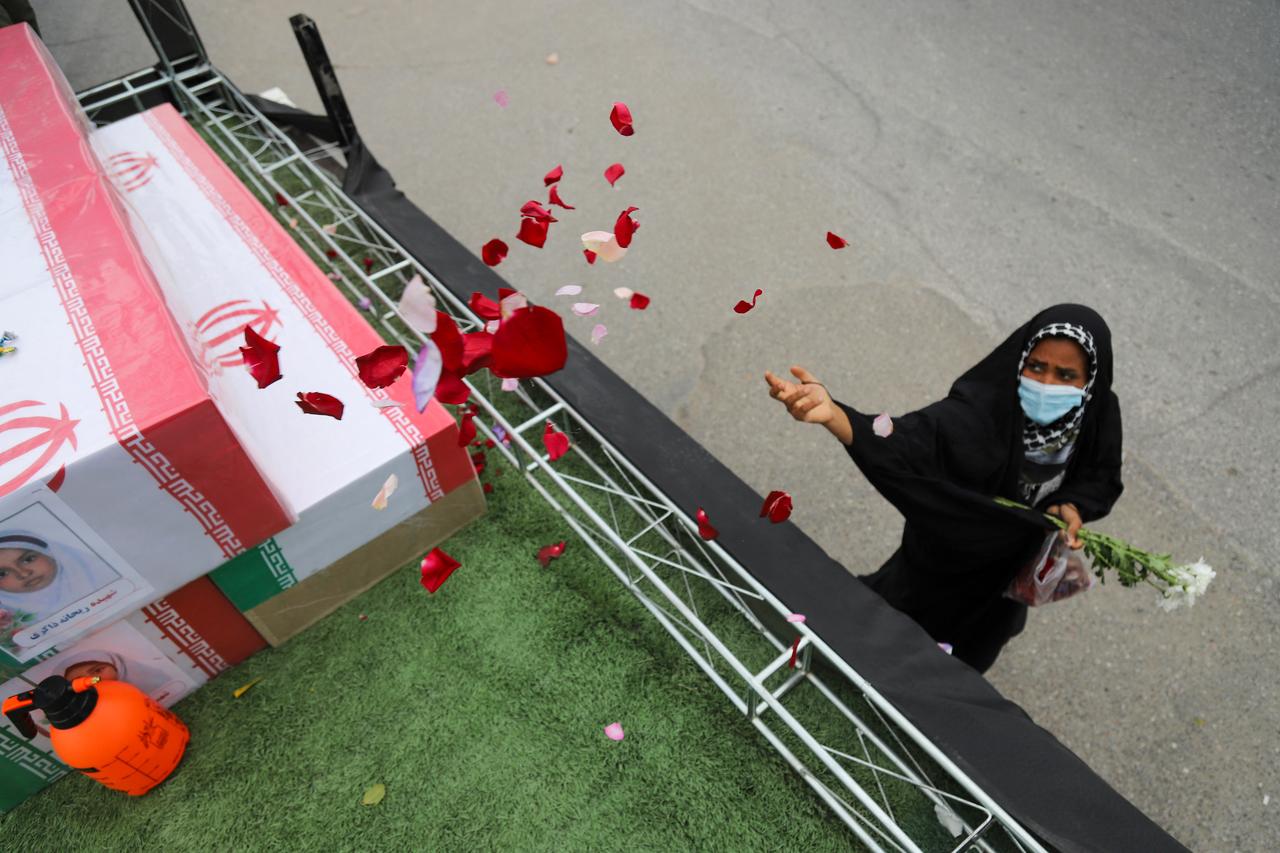

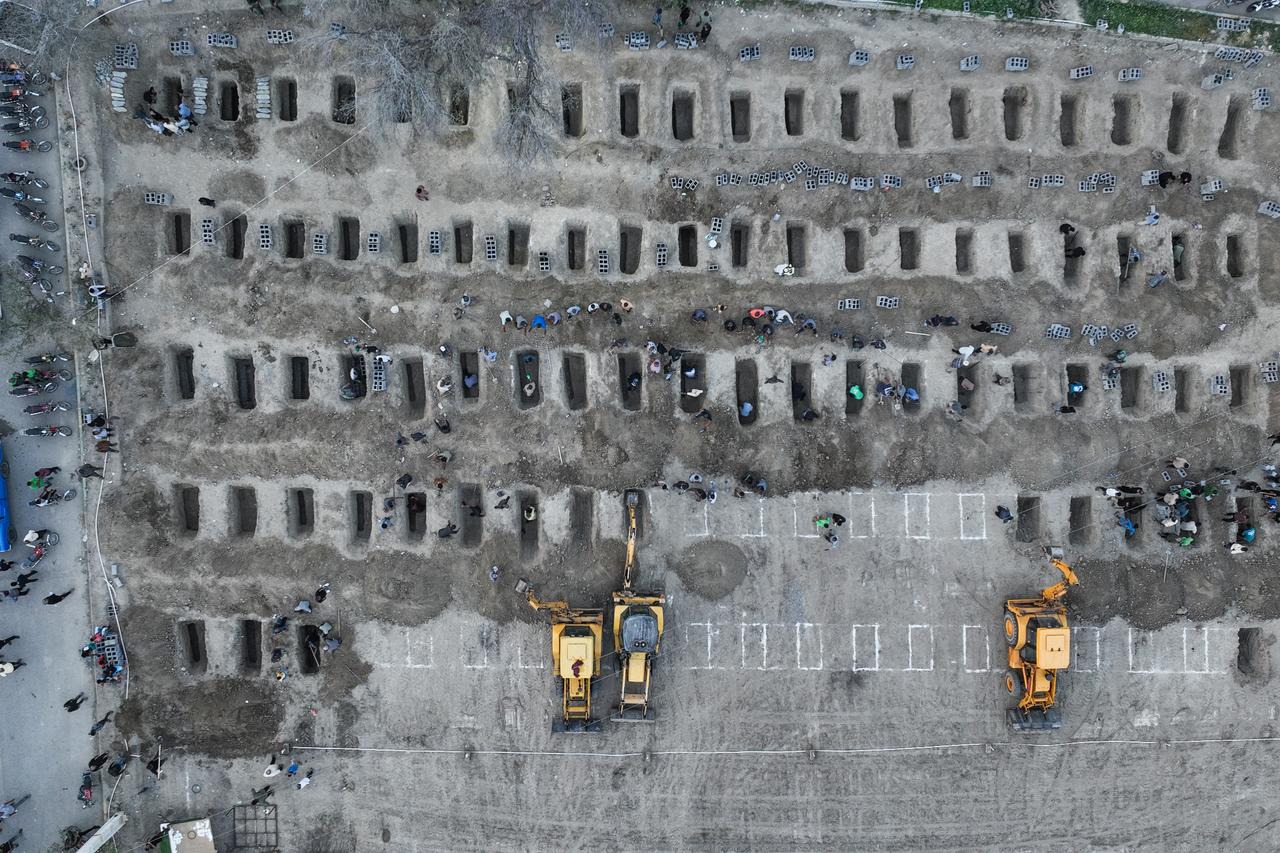
Now fast-forward to February 28, 2026. In the early hours of the U.S.–Israeli assault on Iran, a missile struck the Shajareh Tayyebeh girls’ elementary school in the southern Iranian city of Minab. The school was located near a base belonging to Iran’s Islamic Revolutionary Guard Corps.The missile hit the building at approximately 10:45 a.m. local time, during peak classroom hours. The blast destroyed the structure and caused the roof to collapse on students and teachers inside.
At least 170 people were killed, most of them schoolgirls. Dozens more were injured. Images from the scene were hauntingly familiar: destroyed classrooms, backpacks scattered across the rubble, parents searching through debris for their children. In the days after the strike, U.S. President Donald Trump initially blamed Iran for the bombing, suggesting that Tehran may have struck its own civilians.
“Based on what I’ve seen, that was done by Iran. We think it was done by Iran because they are very inaccurate with their munitions. They have no accuracy whatsoever,” Trump said during a public appearance.
But as more evidence emerged, the picture began to shift. Video footage of the strike, satellite imagery, and weapons analysis examined by journalists and military experts suggested that the missile that hit the school resembled a Tomahawk cruise missile, a weapon used by the United States during the opening strikes against Iran on February 28.
Neither Iran nor Israel operates Tomahawk missiles. The U.S. military has confirmed that Tomahawk missiles were used during the first wave of strikes on Iran, and a Pentagon map of the initial attacks showed targets in the Minab area. Asked again about the attack, Trump said he doesn’t know about it. Some U.S. senators described the bombing as “appalling” and demanded a full investigation into whether U.S. targeting decisions or relaxed rules of engagement contributed to the strike. The United Nations has also called for a full and independent investigation into the attack, warning that strikes on schools during active class hours raise serious concerns under international humanitarian law.
Iranian officials have condemned the bombing as a war crime and blamed foreign military aggression.
And so the battle over the narrative began almost immediately. The same elements reappeared: competing claims, accusations of bias, calls for investigation, and attempts to reshape the story before all the facts are known.
The investigation continues.
Three decades separate Markale from Minab.
The geography is different.
The weapons are different.
The war is different.
But the pattern is not. When civilians die in war, the fight over truth begins almost as quickly as the explosion itself.Backpacks scattered across the rubble in Minab look painfully familiar to anyone who remembers Sarajevo’s markets covered in blood.
The weapons of war may evolve—but the narratives that follow them rarely do.


 Set as preferred source
 Set as preferred source


 2 min read
 1 min read


