Newsletters


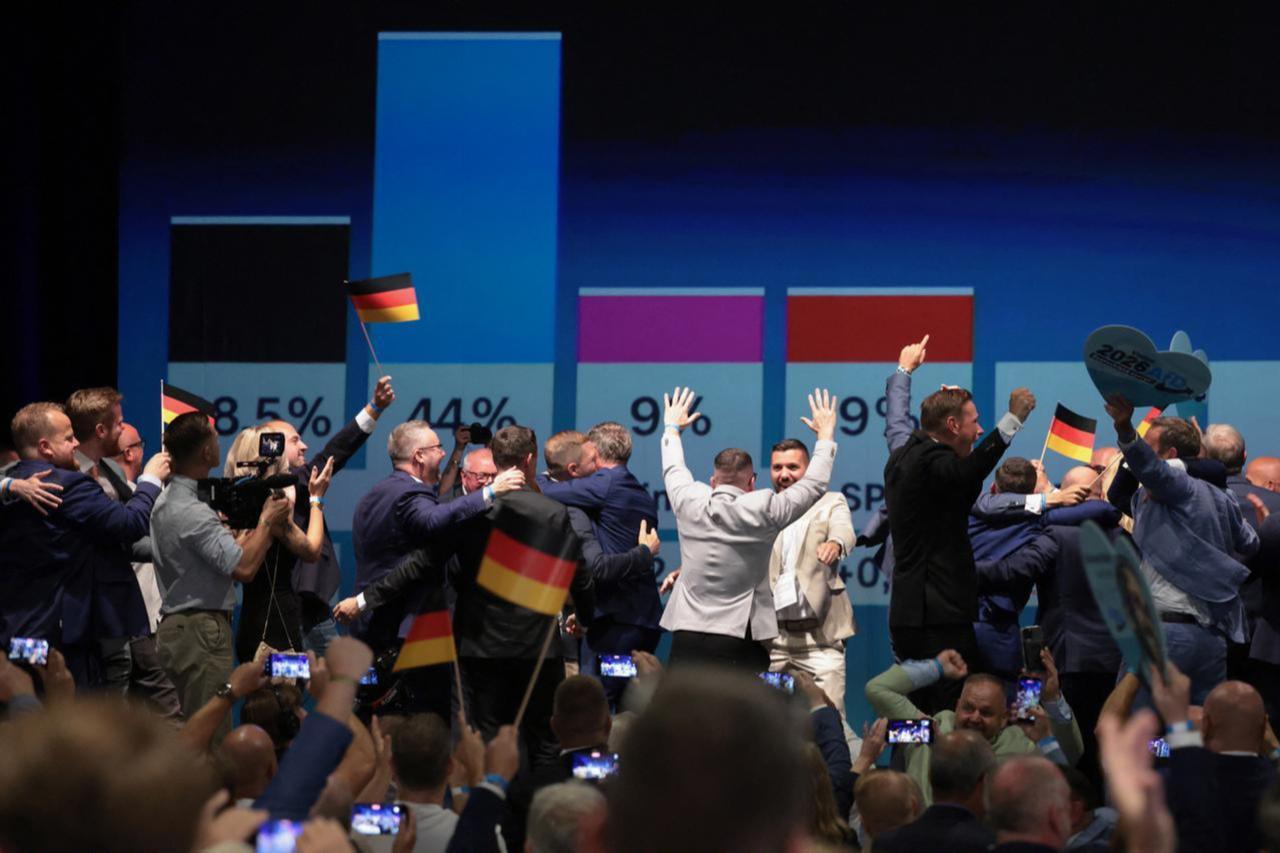


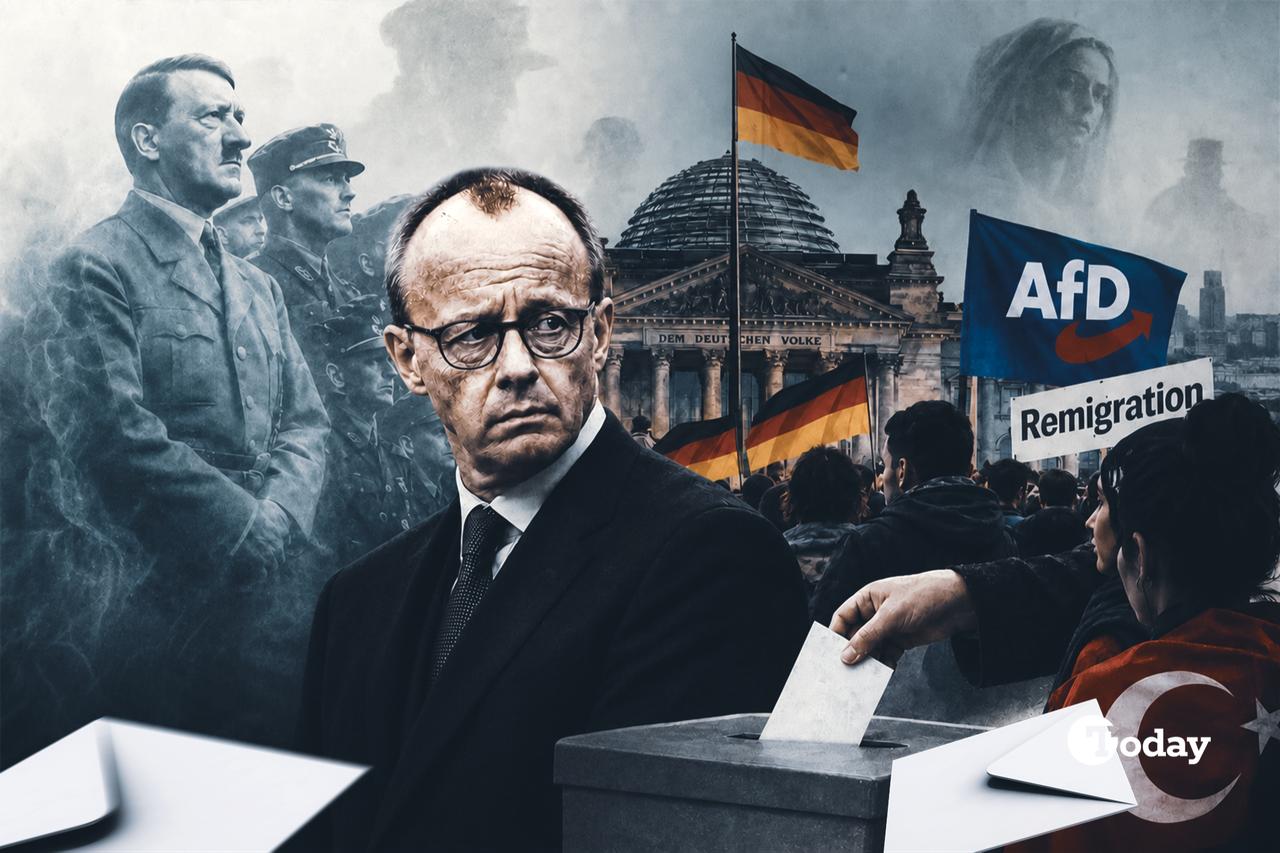
"The past is never dead. It's not even past," William Faulkner wrote. Germany has spent the last two weeks proving him right, and in two ways at once.
On one hand, the right-wing Alternative for Germany (AfD) topped the elections in the state of Saxony-Anhalt, achieving its strongest result since the end of the Nazi era.
On the other hand, the confrontation between Berlin and Moscow has escalated, with mutual threats that have heightened security concerns, particularly after the important civilian and military airport in Leipzig came under threat.
At first glance, these two developments may appear unrelated. In reality, they are tightly connected. As the situation deteriorates to the point where talk of a possible direct Russian-German war is no longer dismissed, right-wing politicians are pouring fuel on the fire by openly expressing their conviction that Germany must be prepared to fight wars to regain its historic standing.
Chancellor Friedrich Merz spoke with clear distress about the AfD’s advance, describing his sense of shock. In his view, the result will not be confined to Saxony-Anhalt; its repercussions will extend across Germany and Europe.
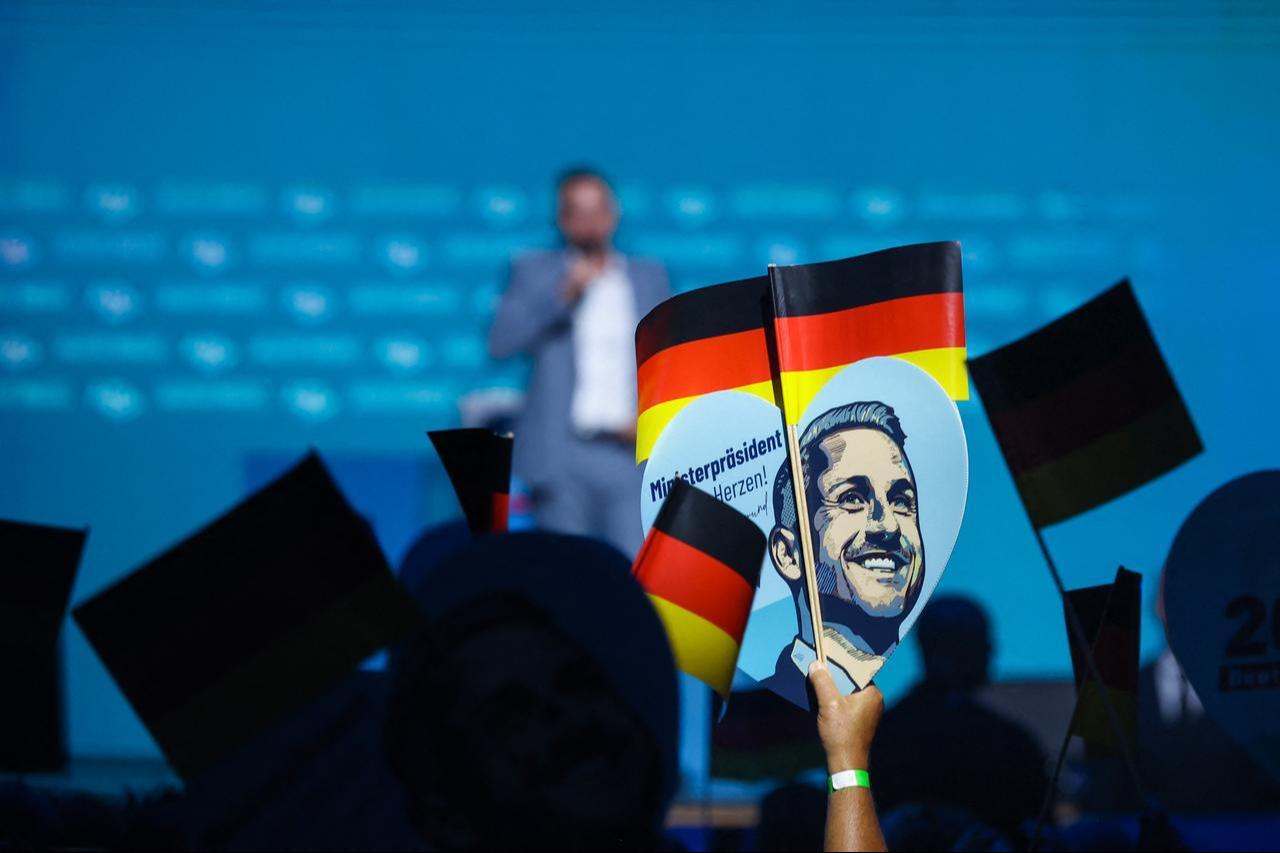

All of this is unfolding against a backdrop of growing public discussion about a possible second rise of Nazism. No one yet dares to declare open allegiance to Nazism, yet many believe that a new generation needs to draw on nationalist slogans in a world that is dissolving identities.
Discrimination against foreigners and the division of citizens into “natives” and “transients, a discourse that emerged in a crude form in the United States after the rise of a current that no longer bothers to conceal its ideas, quickly found an echo in several European countries, above all Germany.
Many Germans, particularly AfD supporters, now speak frankly of their rejection of foreigners and of multiculturalism and diversity.
Russian threats have brought the nationalists’ and right-wingers’ question into sharp focus: How can a multicultural country fight a war?
In a moment of real war, the country will not need millions of residents or even naturalised citizens; it will need ethnic Germans who feel a genuine attachment to the soil of their homeland.
This emotional argument masks a clearer truth: Germany is unprepared for a serious war—not because it is full of foreigners, as the simplistic narrative claims, but because for decades it lived without any serious consideration that it might one day need to recover a fighting spirit.
That long period of complacency has left it looking like a weak link when facing real threats.
Even reliance on NATO is no longer taken for granted. Some right-wing eastern Germans feel nostalgia for the communist era, when they formed part of Soviet pride.
Today the situation is different: the principle of collective Atlantic defense does not automatically mean that German security is treated as an integral part of American security.
Here lies a striking paradox of history: right-wingers who once opposed communism now feel nostalgia for communist rule, while easterners whose parents lived under Russian occupation have become closer to Russia.
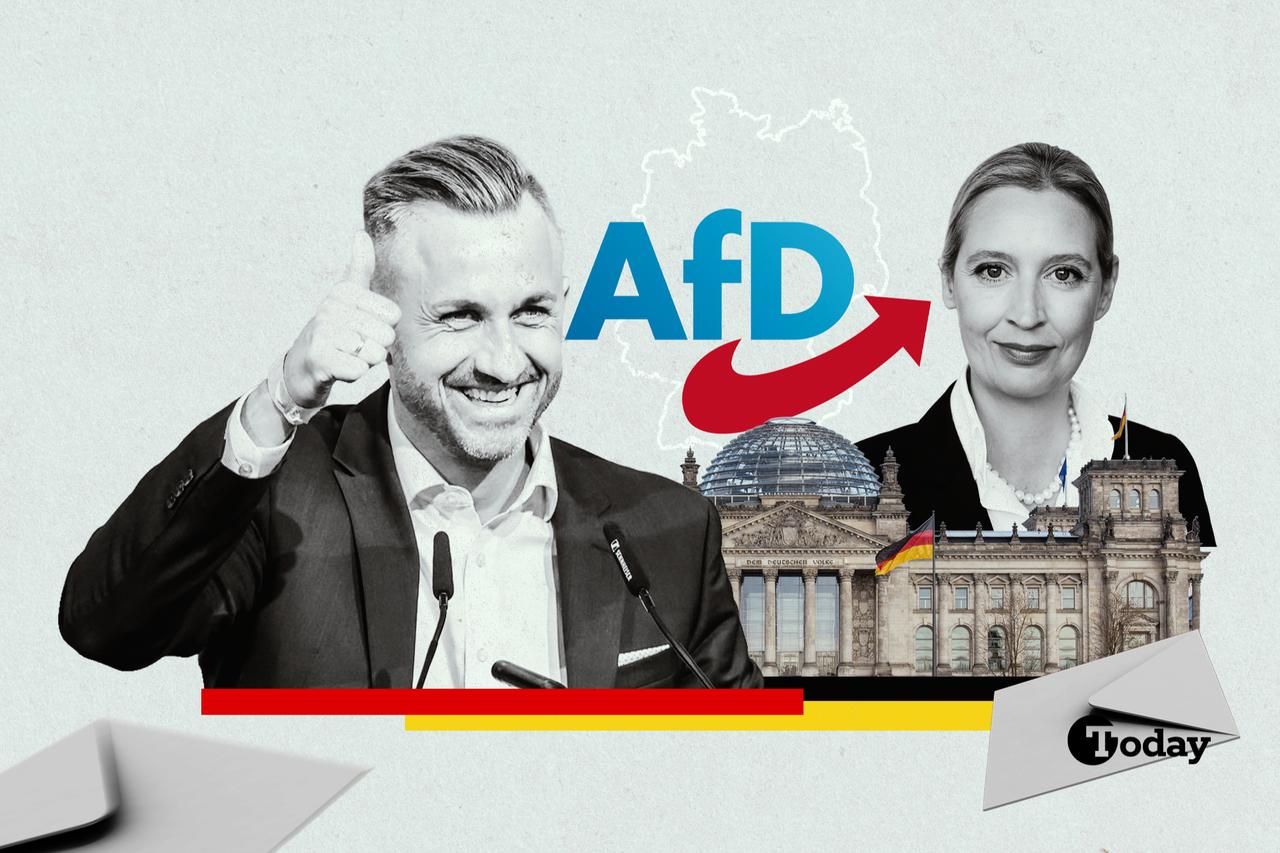
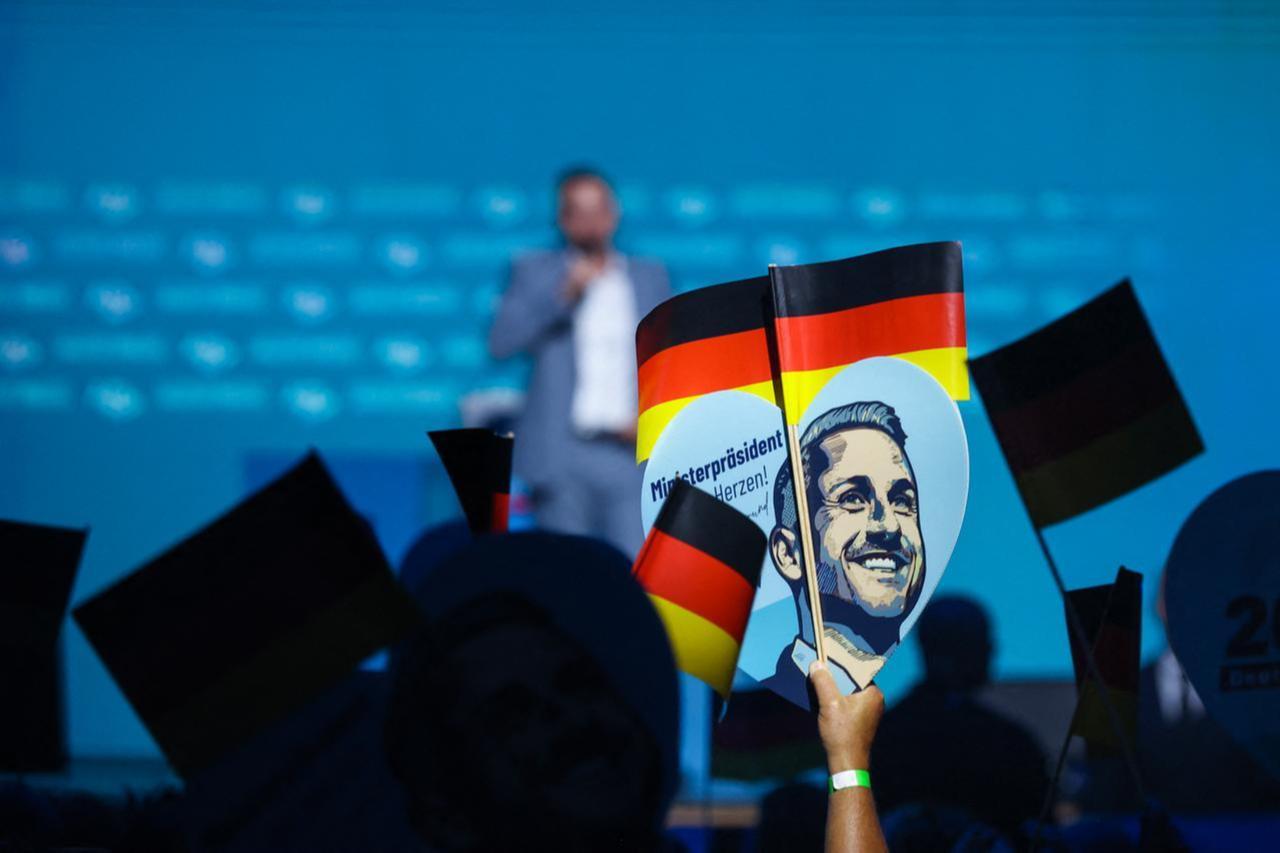
In practice, the AfD is increasingly classified as a pro-Russian party, according to the statements of many of its members and leading figures, including the young and articulate politician Ulrich Siegmund, one of the most prominent defenders of closer ties with Moscow.
The sensitivity of this position becomes clear when one recalls that Germany is currently Ukraine’s largest financial supporter.
The rise of a Russia-friendly party comes at a moment when Europe is considering responses to Russian provocations and Germany is closing what remains of its consulates and cultural centres in Russia.
This sensitivity explains why the German magazine Der Spiegel put Siegmund on its cover under the headline “The most dangerous man in Germany.”
 2 min read
The mere fact that the party won some authority in a small state of barely 2 million people triggered widespread alarm. The global attention created a misleading impression that the AfD had already taken over the national political stage—which is not accurate.
There is no solid evidence that the result will be repeated in other states. The intense regional and international interest reflected a deeper fear that rapid developments could eventually bring the party into national power and allow it to dominate.
It should be remembered that the term “right-wing” is broad and covers very different voices. It is not true, for example, that all European right-wingers are pro-Russian.
In Poland—which recently suffered a Russian strike near its border—the right is closely linked to nationalists who regard Russia as the greatest threat to their country.
Even inside Germany it quickly becomes clear that the AfD’s sympathy for Russia is more characteristic of its eastern currents than of the party as a whole.
This nuance should temper exaggerated claims of direct coordination between Russia and the entire European right.
Inside Germany, it also brings us back to a central point: the old East-West divide has still not healed. Despite all the policies that have been pursued, mentalities remain different, even among members of the same party and the same political family living in different parts of the country.
To put the matter in perspective: such regional successes will have little immediate effect on major political or constitutional changes, especially in the field of foreign policy, where the chancellor sets the broad lines and bears responsibility for their implementation.
This leaves the AfD relatively weak unless it enters broad coalitions. Nevertheless, the result cannot be ignored. It reflects a clear shift in the German—and wider global—public mood.
That mood could, in the near future, allow the far right to dominate not only the German political scene, thanks to the weakness and mutual quarrelling of the moderate parties, but potentially European institutions as well.


 Set as preferred source
 Set as preferred source


 1 min read