Newsletters




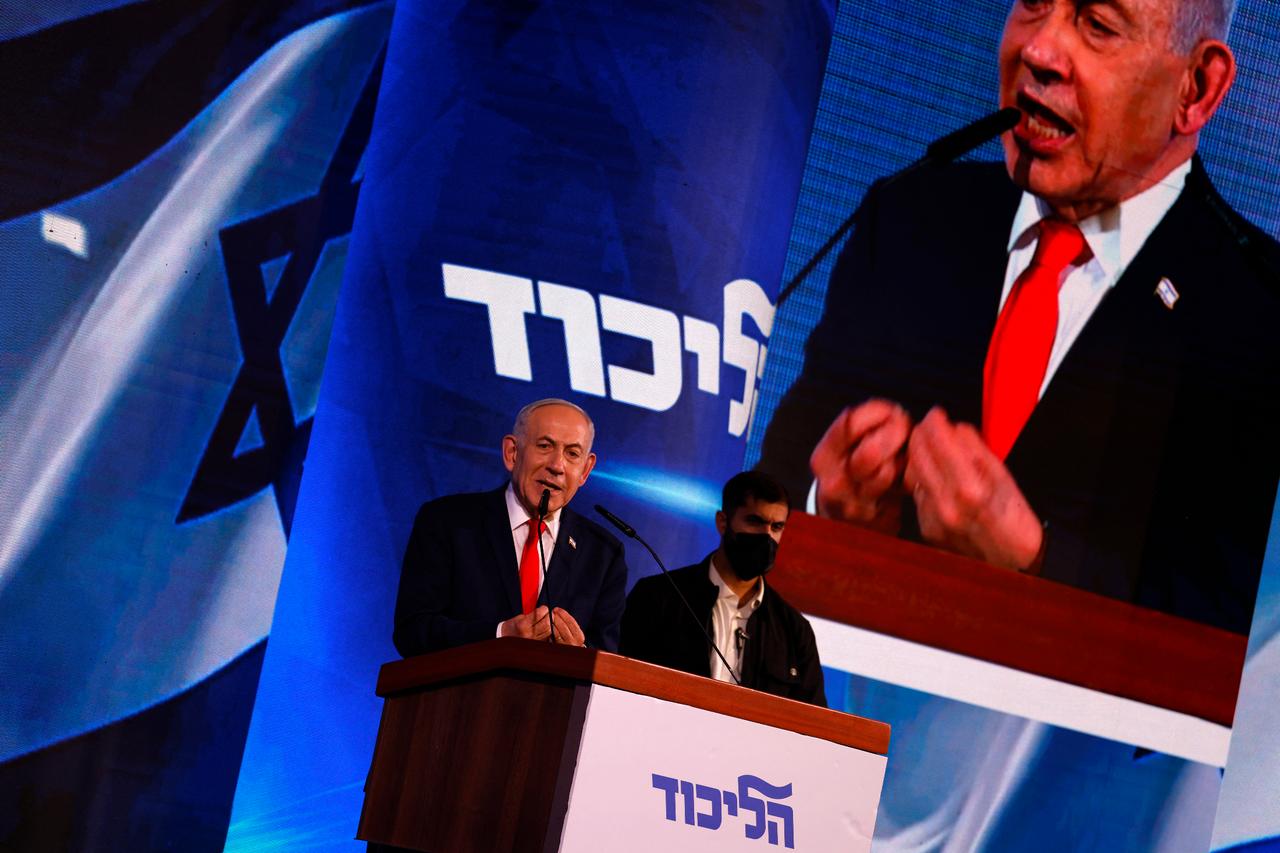
On the evening of Oct. 27, two very different scenes played out in Israel at the same time. On one side, Prime Minister Benjamin Netanyahu claimed that Arab voters were flocking to the polls. He was casting them as an enemy to provoke a reaction from his own base. National Security Minister Itamar Ben-Gvir did much the same, calling the high Arab turnout “crazy.”
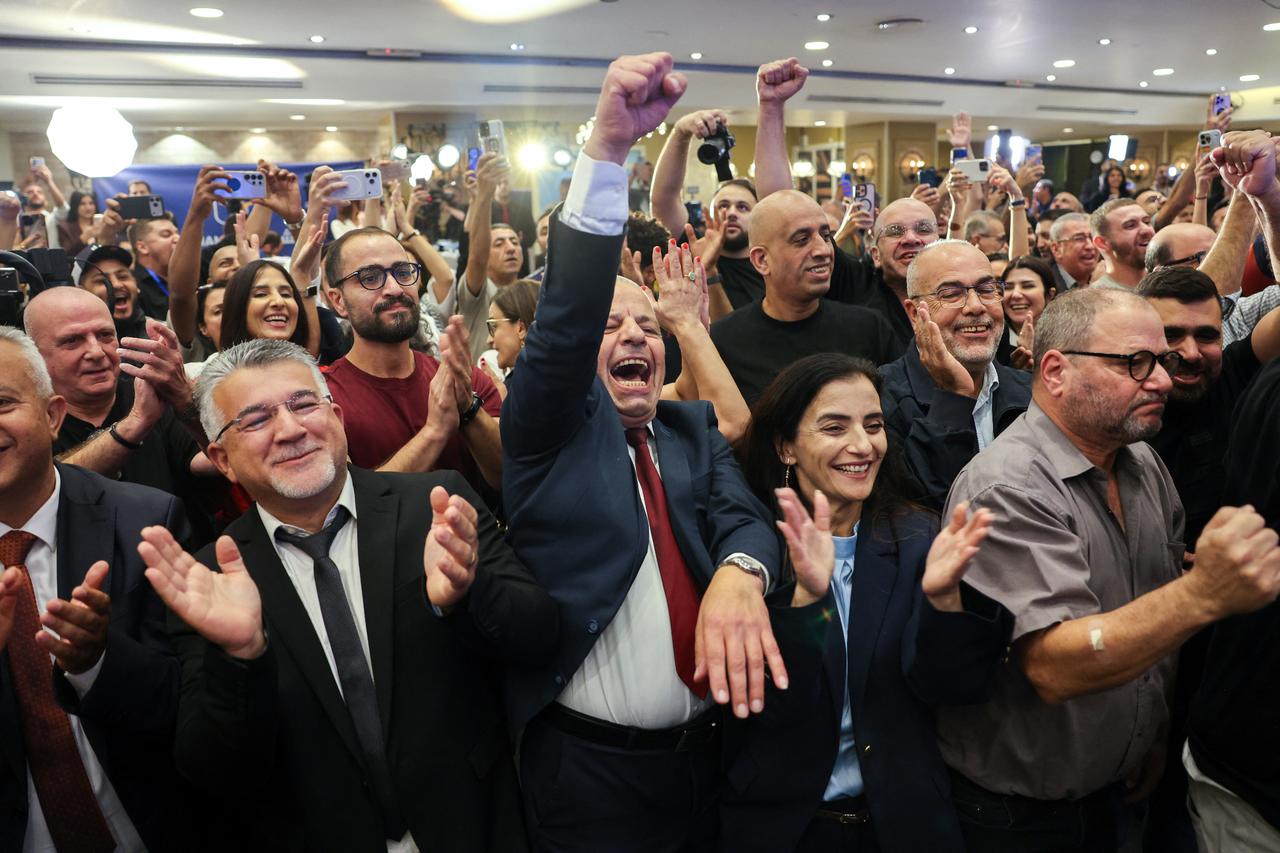
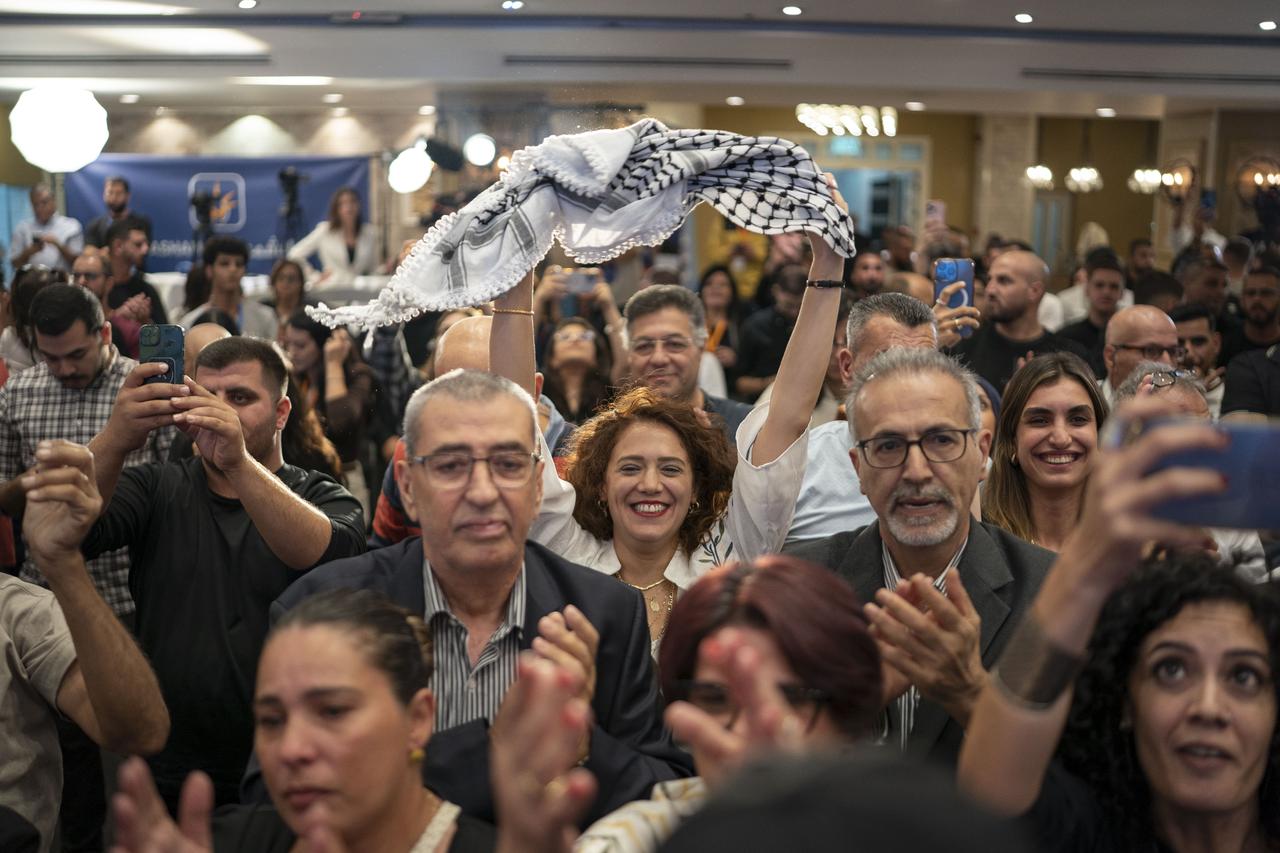
On the other side, the Joint List’s headquarters in Nazareth was celebrating a historic day. When the results came in on Oct. 28, it became clear why each side had behaved as it did.
With 99.5% of the votes counted, Netanyahu’s bloc had won 53 seats and Gadi Eisenkot’s opposition bloc 48. The Arab parties set a record with 19 seats, which put the key to a Knesset majority in Arab hands.
On Oct. 27 these voters had been portrayed as a threat. A day later they had become kingmakers who would decide the fate of the next government.
This contradiction revives a question often asked in Türkiye as well: who are Israel’s Arabs, and what do they want?
Arab citizens make up about 20% of Israel’s population. Most are descendants of Palestinians who managed to stay in their homes in 1948. They include Muslims, Christians, Druze and the Bedouin of the Negev, and each group has its own relationship with the state. Druze men, for example, are subject to compulsory military service, while Muslim and Christian Arabs are exempt. Until 1966, these communities lived under military rule and needed a permit even to leave their villages.
Even what to call them is contested. Official language refers to them as “Israeli Arabs,” while a large part of the community identifies as “Palestinian citizens of Israel.” The question of identity begins with the name.
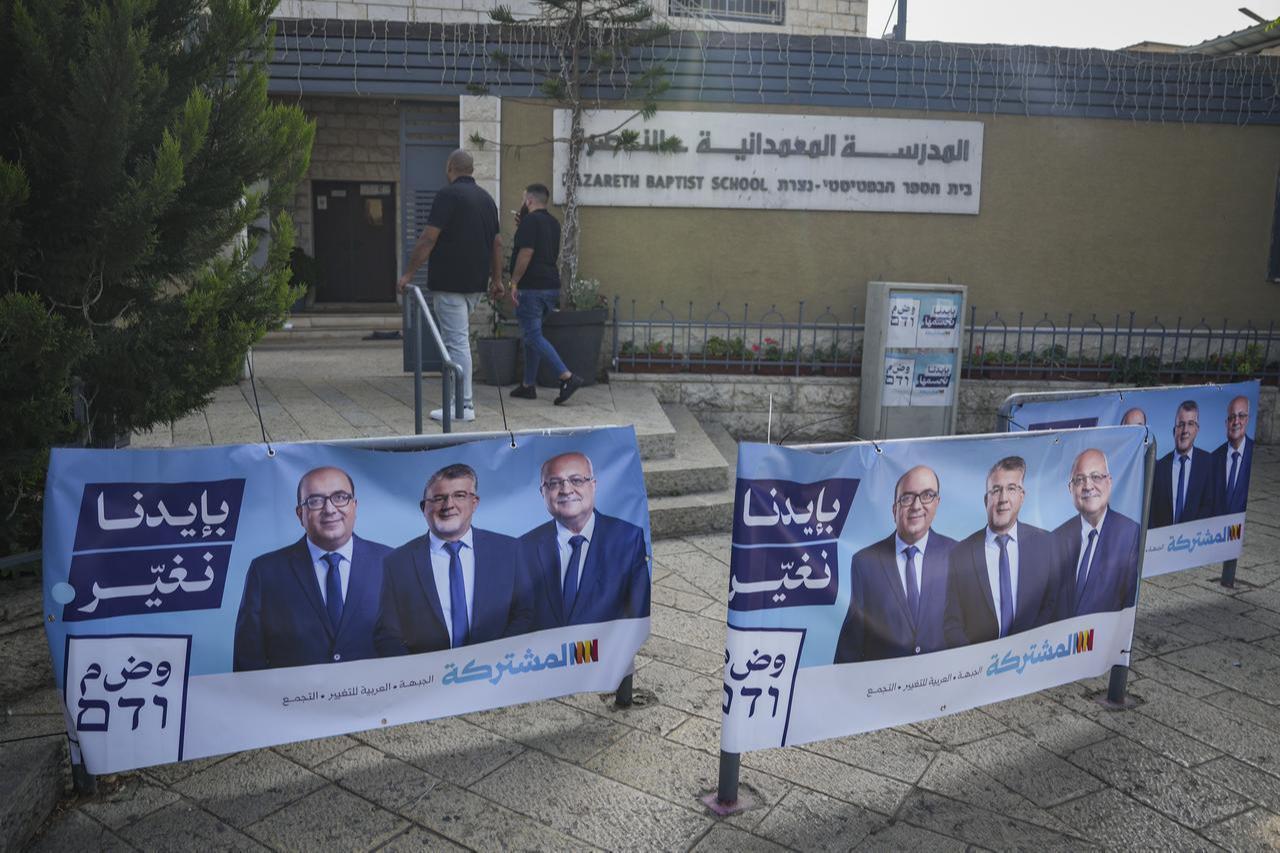

Arab citizens have been able to vote in Israeli elections since 1949. For them, though, going to the polls or staying away has never been an ordinary civic act. Some saw the Knesset as the only legal arena in which to defend their rights. Others argued that taking part would legitimize a system that excluded them, and called for a boycott. The northern branch of the Islamic Movement, which the government banned in 2015, was the best-known voice of this position.
What strengthened the boycotters’ case was that Arab votes never turned into real power. In more than 70 years, no Arab party was invited into government. Ra’am’s entry into the Bennett-Lapid government in 2021 was a first, but that government lasted only about a year. Throughout that time, Jewish parties either left Arab lawmakers out of their coalition math or avoided being associated with them.
The 2018 Nation-State Law made this feeling permanent. It reserved the right to national self-determination for the Jewish people alone and downgraded Arabic from an official language to one with “special status.” In the same years, building permits in Arab towns were almost never granted, while penalties for unlicensed construction became harsher. Bedouin villages in the Negev that the state does not recognize are still cut off from the electricity and water grid.
These policies, together with the Arab parties’ exclusion from coalitions and their political marginalization, showed up at the ballot box. Arab turnout, around 75% in 1999, fell to roughly 45% by 2021. The decline reflected exhaustion rather than indifference. It was the quiet response of a community that had come to believe voting changed nothing.
By 2026, the old disunity and fatigue had given way to anger, above all because of the war that began on Oct. 7. For Arab citizens, the war in Gaza was not someone else’s war: many of them have relatives living there.
In the same period, students, teachers and artists were detained over social media posts, which showed that in their own country even mourning could be treated as a crime.
There was also bloodshed at home. Organized crime and killings in Arab towns reached unprecedented levels. In 2023 alone, more than 240 Arab citizens were killed, and most of those murders were never solved. With Ben-Gvir as the minister in charge of the police, many Arabs concluded that this neglect was no accident.
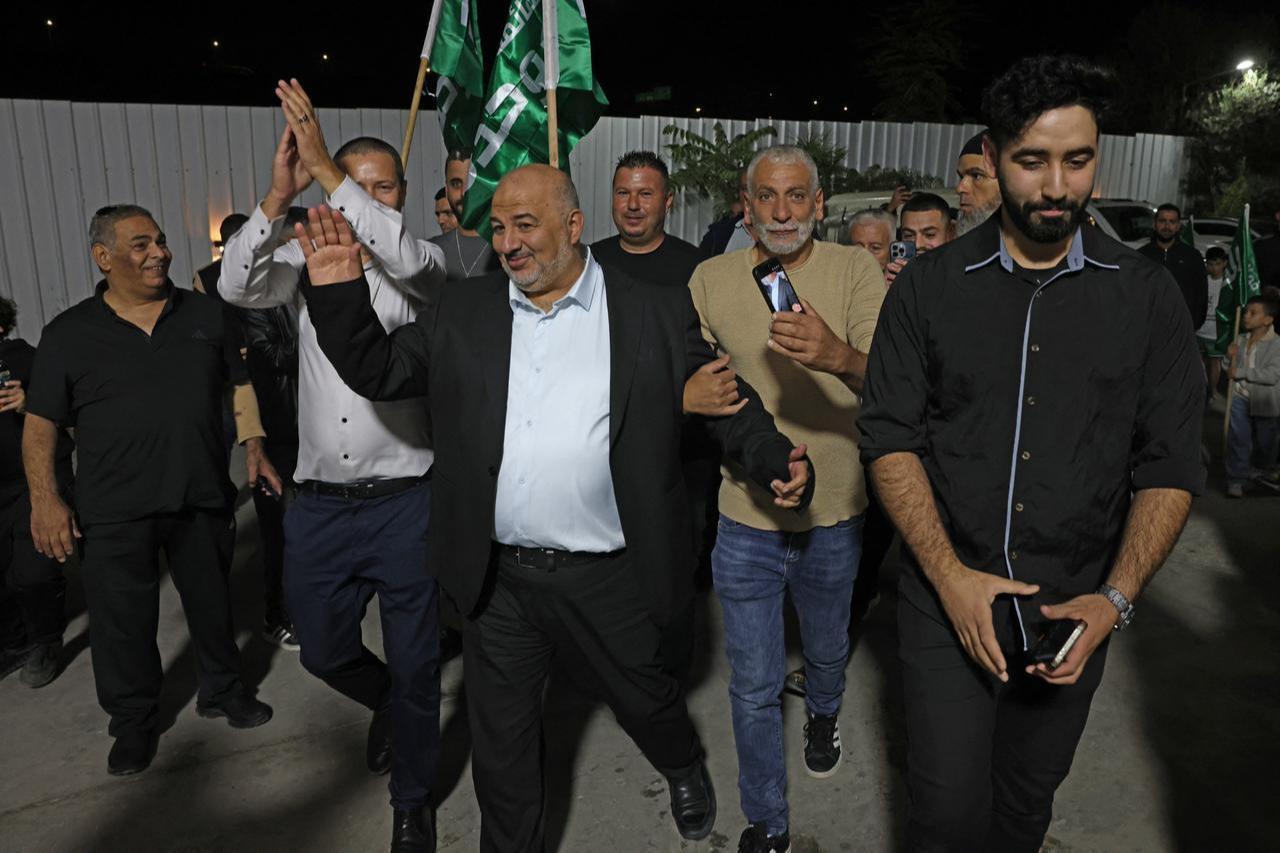
In January, the Arab parties, which had long failed to work together, agreed to revive the Joint List. Polls showed 82% of Arab voters backing a united list. Ra’am ended up running separately, but the message was clear: this election was about a community proving that it exists.
Even election day was not easy. The Association for Civil Rights in Israel reported voting delays in at least 18 Arab communities. Ra’am described the detention of some of its members as an attempt to suppress Arab turnout. Even so, according to Channel 12’s estimate, Arab turnout reached about 80%, breaking the 1999 record.
 2 min read
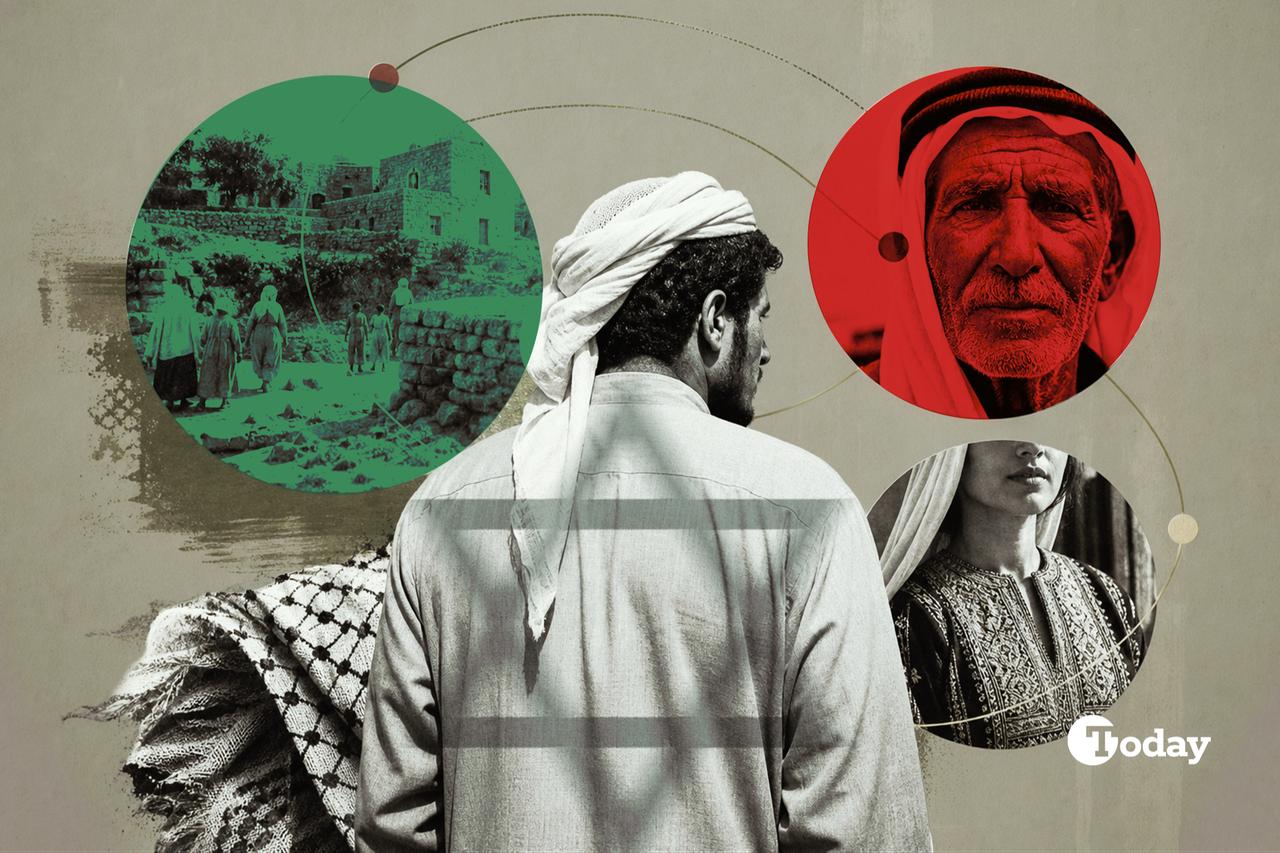
Israel’s Arab citizens have been accused of being a “fifth column” since 1948, and the accusation resurfaces at every election. Yet the Arab parties support a two-state solution and equality, not secession.
Arab lawmakers enter the Knesset, take the oath of office and serve as legitimate members of parliament. What they object to is not the state’s existence but a definition that makes them second-class citizens. This is where post-election bargaining gets stuck: opposition leader Eisenkot makes any deal with the Arab parties conditional on their recognizing Israel as a “Jewish state.”
For the Arab parties, that would mean endorsing a definition that excludes them, and they refuse. No democracy expects a minority to endorse a constitutional identity that does not treat it as equal.
Nor do Arab citizens see their support for a Palestinian state as separatism. A state in the West Bank and Gaza has nothing to do with the land where Arab citizens live. They want freedom for their people and equal citizenship in the country where they live, and they see no contradiction between the two.
Arab politics does not speak with one voice either. Ra’am sets identity debates aside and concentrates on budgets and services. Hadash, which has both Arab and Jewish members, advocates equality and a two-state solution. Balad most openly demands “a state of all its citizens,” and for that reason there have been repeated attempts to bar its candidates from running. The Supreme Court has overturned most of those decisions.
Despite these differences, all the Arab parties agree on one goal: getting the state to accept that they are citizens, not guests.
The Arab parties are numerically stronger than ever. Yair Golan, leader of the Democrats, argues that the opposition should form a government with them. Most Jewish opposition parties, however, are still unwilling to take that step. One option is for the Arab parties to support a minority government from outside, which would once again leave them at the edge of the table rather than at it.
Netanyahu and Ben-Gvir, meanwhile, are pushing the debate in a more anti-democratic direction, ignoring Arab citizens and arguing that their votes should be invalidated. Netanyahu hopes this way to hold on to power on his own.
For now, Arab citizens are keeping quiet. They will not recognize Israel as a Jewish state. It is just as clear, after five elections between 2019 and 2022, that failing to form a government leads to political crisis. Netanyahu’s party came first, but building a coalition looks impossible for him.
In the opposition, more people are willing to negotiate with the Arab parties in order to remove Netanyahu. For that to happen, though, Eisenkot will have to soften his red lines.
Neither the government nor the opposition can claim a clear victory in the Oct. 27 election. What is plain is that the Arabs emerged from it in the strongest position. But to turn their gains at the ballot box into a real victory, they will also need to prevail in the negotiations ahead.


 Set as preferred source
 Set as preferred source


 1 min read