Newsletters


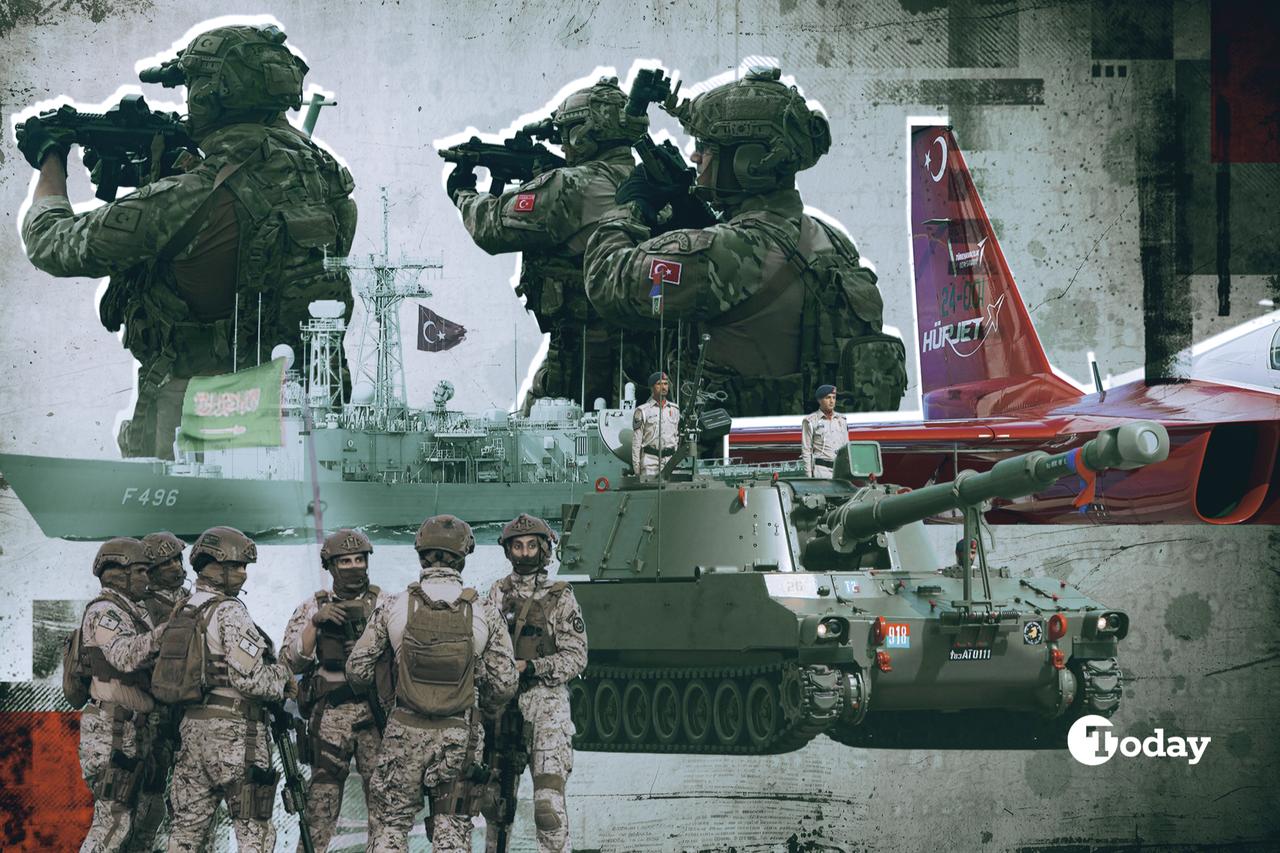


Turkish Foreign Minister Hakan Fidan has recently announced that talks have been held on a possible defense pact with Pakistan and Saudi Arabia, but no agreement has been signed. Such a cooperation is significant, since it could reshape regional security dynamics across the Middle East, South Asia and adjacent maritime theaters.
While no agreement has yet been formally signed, officials from all three countries confirm that a draft framework has been under deliberation for several months, signalling a serious and sustained diplomatic effort rather than speculative alignment.
The initiative builds upon the Strategic Mutual Defense Agreement (SMDA) concluded between Pakistan and Saudi Arabia in September 2025. That bilateral pact includes language resembling collective security commitments, notably the assertion that aggression against one party would be treated as aggression against the other, though it deliberately stops short of NATO-style automatic military intervention.
The agreement is characterized by strategic ambiguity, particularly regarding the scope of military response and any nuclear dimension, an issue that has attracted significant commentary given Pakistan’s nuclear status.
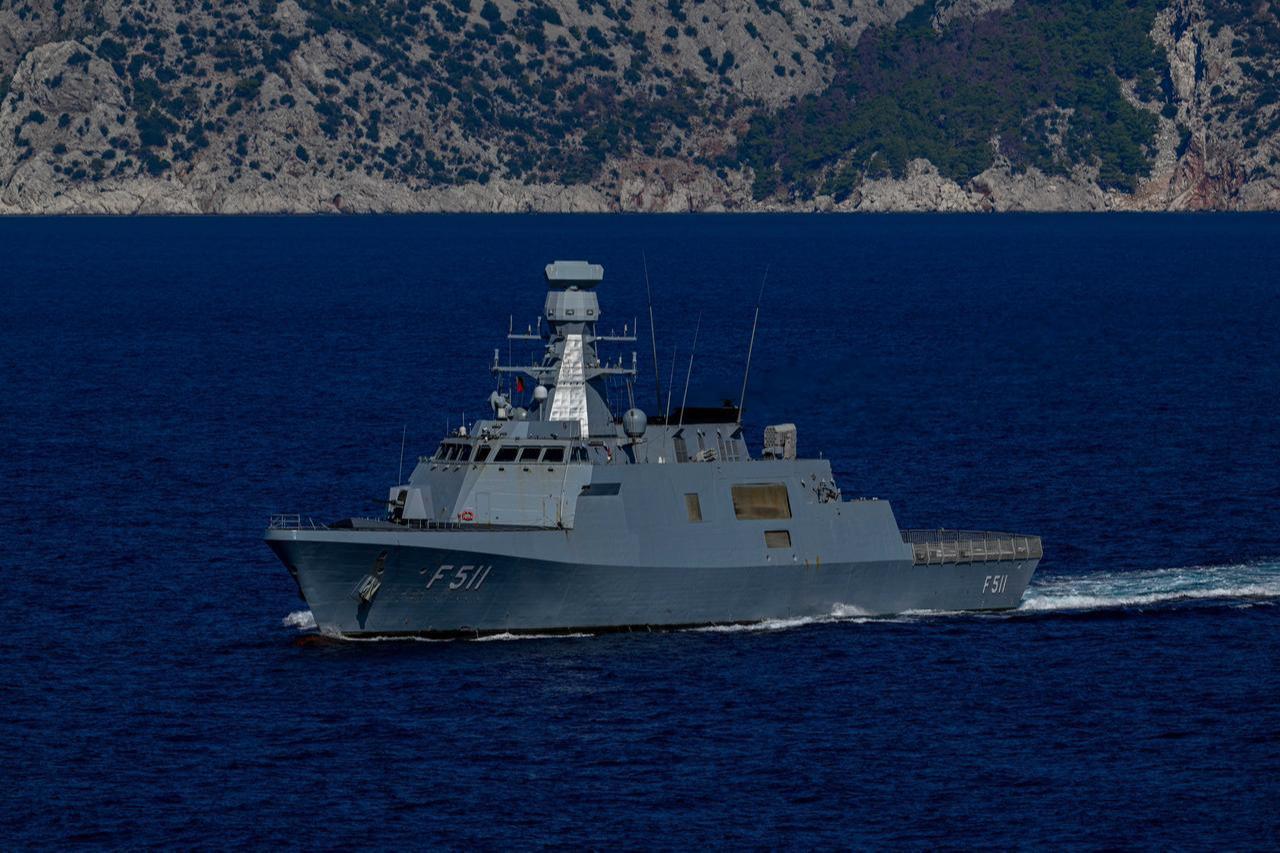
Türkiye's potential inclusion represents both continuity and escalation. Ankara already maintains deep defense-industrial and operational ties with Pakistan, encompassing naval platforms (notably the MILGEM corvette program), aircraft modernization, unmanned systems, training and joint exercises. According to Stockholm International Peace Research Institute (SIPRI) data for 2025, Türkiye is Pakistan’s second-largest arms supplier, underlining the material depth of the relationship. Saudi Arabia, meanwhile, has historically relied on Pakistani military support and increasingly views Türkiye as a capable partner in defense industrial cooperation and technology transfer.

Officials in Ankara have been careful to frame the discussions not as a rigid military bloc but as part of a broader vision for regional security cooperation based on trust, inclusivity, and reduced dependence on extra-regional actors. Turkish Foreign Minister Hakan Fidan has repeatedly emphasized that talks are ongoing and that no binding agreement has yet been concluded, aligning with Türkiye's preference for flexible, platform-based security arrangements rather than formal alliances that could constrain strategic autonomy.
From Islamabad’s perspective, a trilateral pact would enhance deterrence, diplomatic standing and strategic depth at a time of heightened regional volatility. Pakistani officials have explicitly stated that the proposed trilateral arrangement would be distinct from the existing Saudi-Pakistani SMDA, suggesting a layered architecture of bilateral and multilateral security cooperation rather than a single, monolithic treaty.
Strategically, the timing is significant. The discussions unfold against a backdrop of escalating conflicts in Gaza and the wider Middle East, growing insecurity in the Red Sea and Horn of Africa, and a broader perception among regional actors that existing international security mechanisms have proven insufficient. It can be argued that the three countries bring complementary strengths to the table: Saudi Arabia’s financial resources and regional influence, Pakistan’s large and experienced military (including nuclear capability), and Türkiye's advanced defense industry and NATO-hardened armed forces.
The trilateral cooperation is also significant because of its members’ diverging relations with major powers, namely the United States and China.
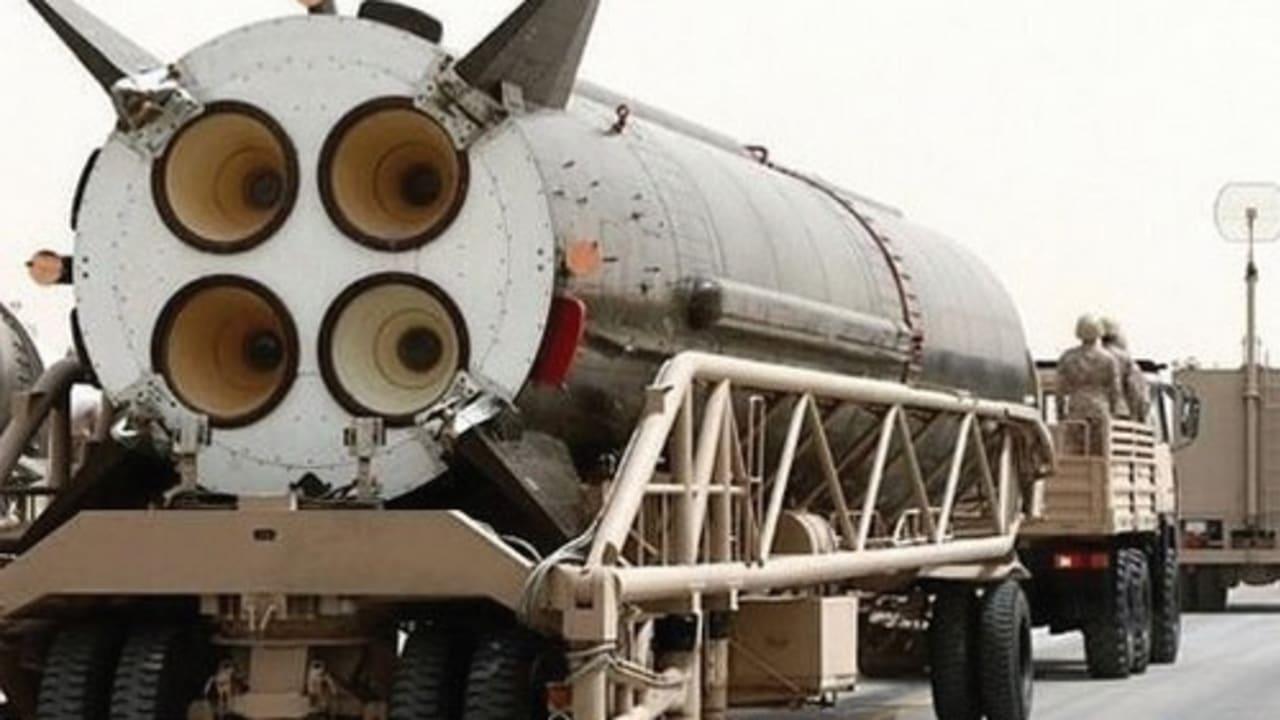
Pakistan has the strongest defense and security relations with China among the three. China has been Islamabad's major political, military and defense industry partner, providing not only large quantities of military equipment and training, but also strategic defense against India. Saudi Arabia’s economic and political relations with China have expanded significantly in the past two decades and defense industry cooperation is also developing. China provided Saudi Arabia with DF-3 intermediate-range ballistic missiles and is reportedly in the process of providing Riyadh with industrial infrastructure for ballistic missile production.
Türkiye's defense and military relations with China, on the other hand, have been limited: Ankara transferred rocket and ballistic missile technology from China in the late 1990s, but cooperation ended there. Türkiye selected the Chinese FT-2000 long-range air defense system in 2013, but after a two-year negotiation phase and much public controversy, the project was cancelled in 2025.
The three countries’ relations with the United States have seen many ups and downs. Türkiye, a fellow NATO member, is seemingly restoring its relations with Washington. Türkiye’s removal from the F-35 project and imposition of CAATSA sanctions came on top of a long list of major issues, such as Syria. The second term of the Trump administration has so far seen the “redefinition” of bilateral relations, based on mutual benefit and a form of transactionalism.
U.S.-Pakistan defense and security relations have been shaped by cycles of close cooperation and strategic estrangement, driven largely by shifting U.S. priorities in South Asia, Afghanistan and counterterrorism since the Cold War. The partnership peaked during periods when Pakistan was central to U.S. military objectives, most notably during the post-9/11 “War on Terror”, but has since narrowed due to U.S.-India strategic alignment, mutual distrust, and disagreements over militancy and regional stability. Today, the relationship persists in a limited, transactional form focused on counterterrorism coordination, sustainment of military assistance and crisis de-escalation, rather than a broad strategic alliance.
U.S.-Saudi defense and security relations are anchored in a long-standing strategic bargain in which Washington provides military protection, arms, and security guarantees in exchange for stability in global energy markets and Saudi alignment on key regional issues. The partnership has deepened through extensive U.S. arms sales, intelligence sharing and cooperation on counterterrorism and regional deterrence, particularly against Iran, but has also faced strains over human rights concerns, Yemen, and Saudi strategic autonomy. In recent years, Riyadh has pursued a more diversified security posture, engaging China and regional partners, while maintaining the United States as its primary, though no longer exclusive, security partner.
Taken together, the prospective Turkish–Pakistani–Saudi defense arrangement should be considered less as the emergence of a rigid alliance and more as an adaptive response to an increasingly fragmented and uncertain security environment.
The initiative seems to reflect a shared desire among three pivotal regional actors to hedge against overdependence on any single great power, leverage complementary military and industrial capabilities and construct flexible, issue-based security mechanisms tailored to regional realities rather than inherited Cold War models.
Whether or not it culminates in a formal pact, the process itself signals a gradual shift toward multipolar, interest-driven security cooperation, one that may not replace existing partnerships with the United States or China, but will increasingly coexist with them and, over time, reshape the strategic calculus of the wider Middle East and South Asia.


 Set as preferred source
 Set as preferred source



 4 min read