Newsletters


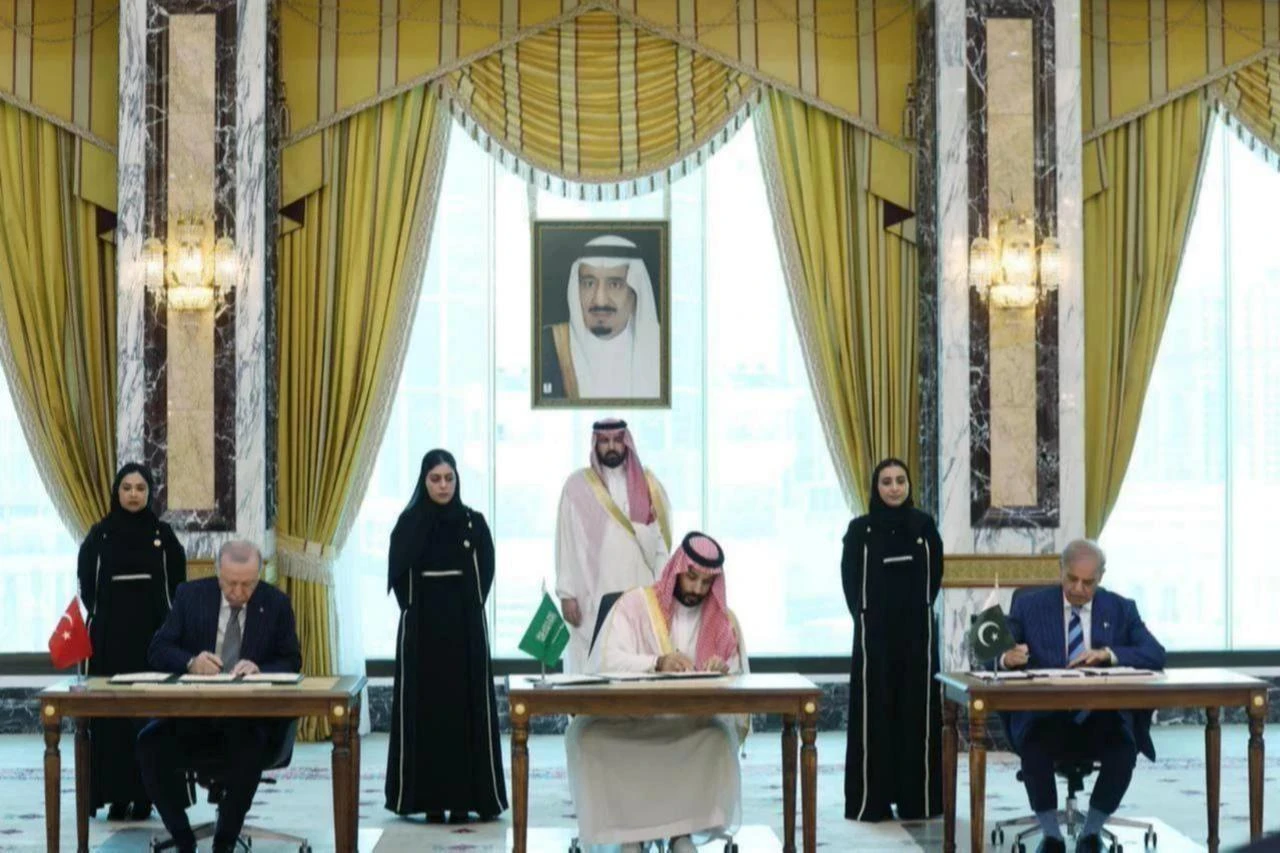


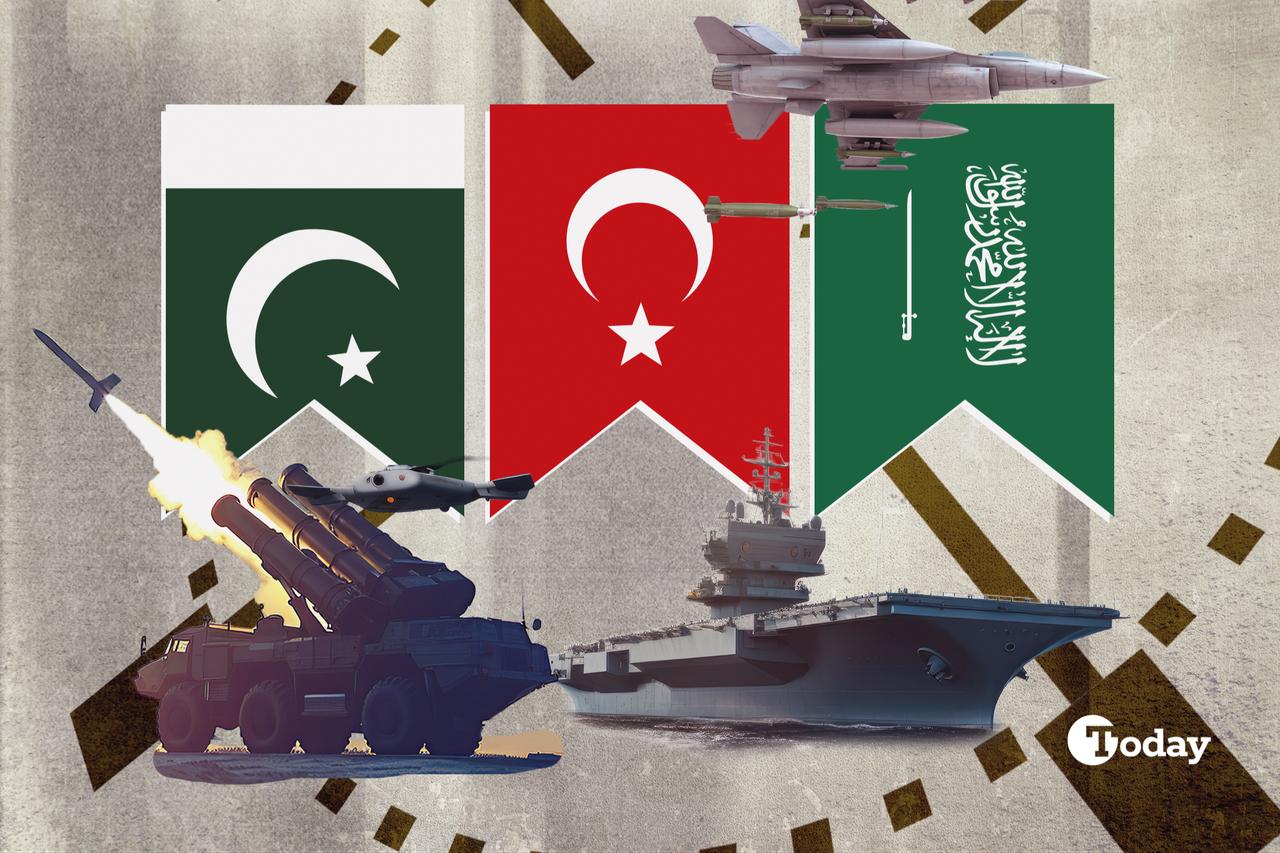
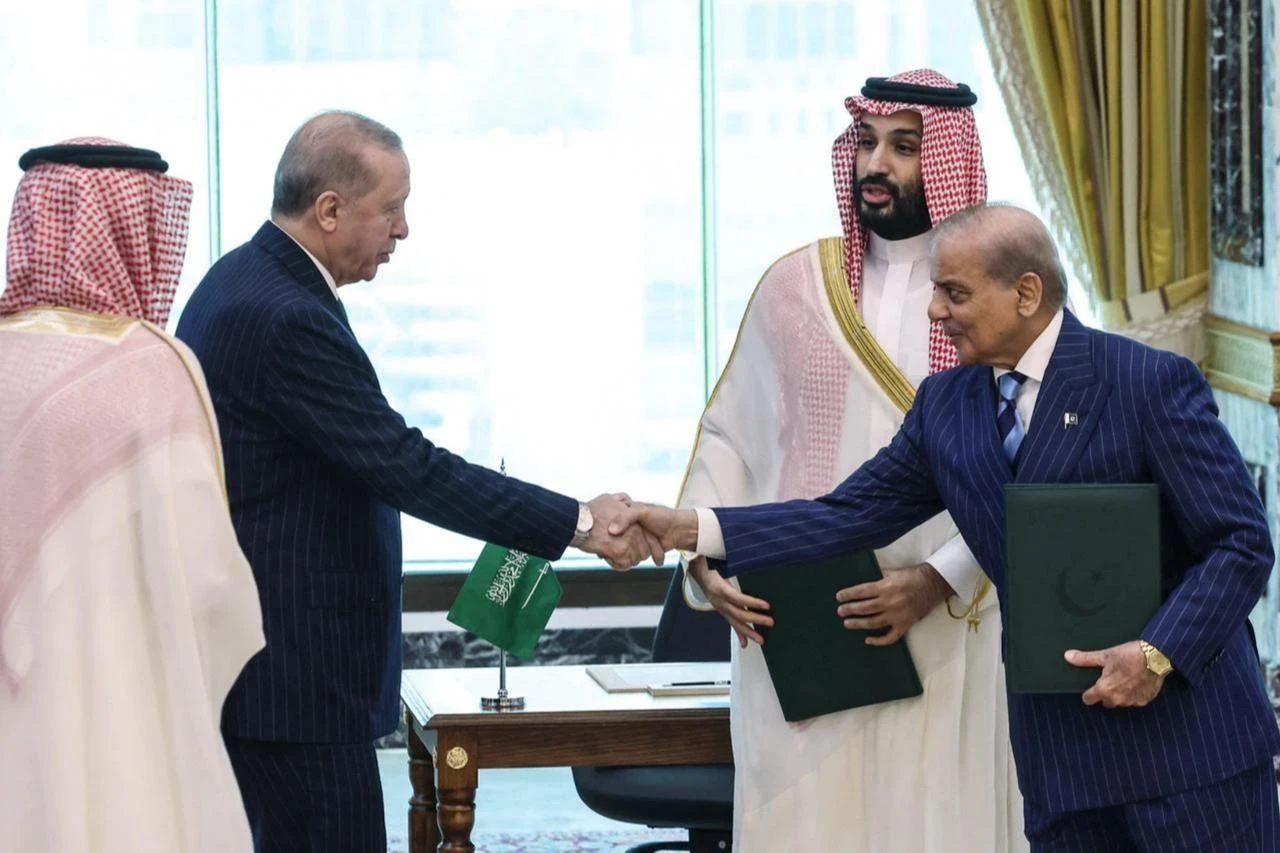
Dubbed an "Islamic NATO" almost overnight, the Mecca Joint Defense Agreement—signed by Saudi Arabia, Pakistan, and Türkiye on Aug. 7—invited immediate comparison. While that comparison initially seemed premature, subsequent statements from senior Pakistani and Turkish officials have made the analogy impossible to dismiss entirely.
Riyadh has been more circumspect, avoiding an official characterization of the pact as another NATO. This difference matters. While the three governments broadly agree on strengthening collective deterrence, they may not yet attach identical political or institutional meaning to the arrangement.
The NATO analogy is therefore revealing but premature. NATO’s credibility rests not simply on its collective-defense clause but on decades of integrated military planning, command structures, interoperability, intelligence coordination and political consultation. The Mecca Pact has yet to demonstrate anything comparable.
Its significance lies elsewhere. The accord begins to connect Gulf and South Asian security within a common framework, as regional powers seek additional mechanisms for managing uncertainty without abandoning established external partnerships.
For Saudi Arabia, the accord reflects a reassessment of security in an increasingly volatile region.
Riyadh has traditionally depended heavily on the United States for deterrence and advanced military capabilities. But attacks on Gulf infrastructure, threats to energy routes and successive regional crises have exposed the risks of relying overwhelmingly on one external security provider.
The conclusion is not that Washington has become irrelevant. Saudi Arabia remains deeply connected to the United States through defense, economic and strategic ties. Riyadh instead appears determined to supplement that relationship with additional partnerships.
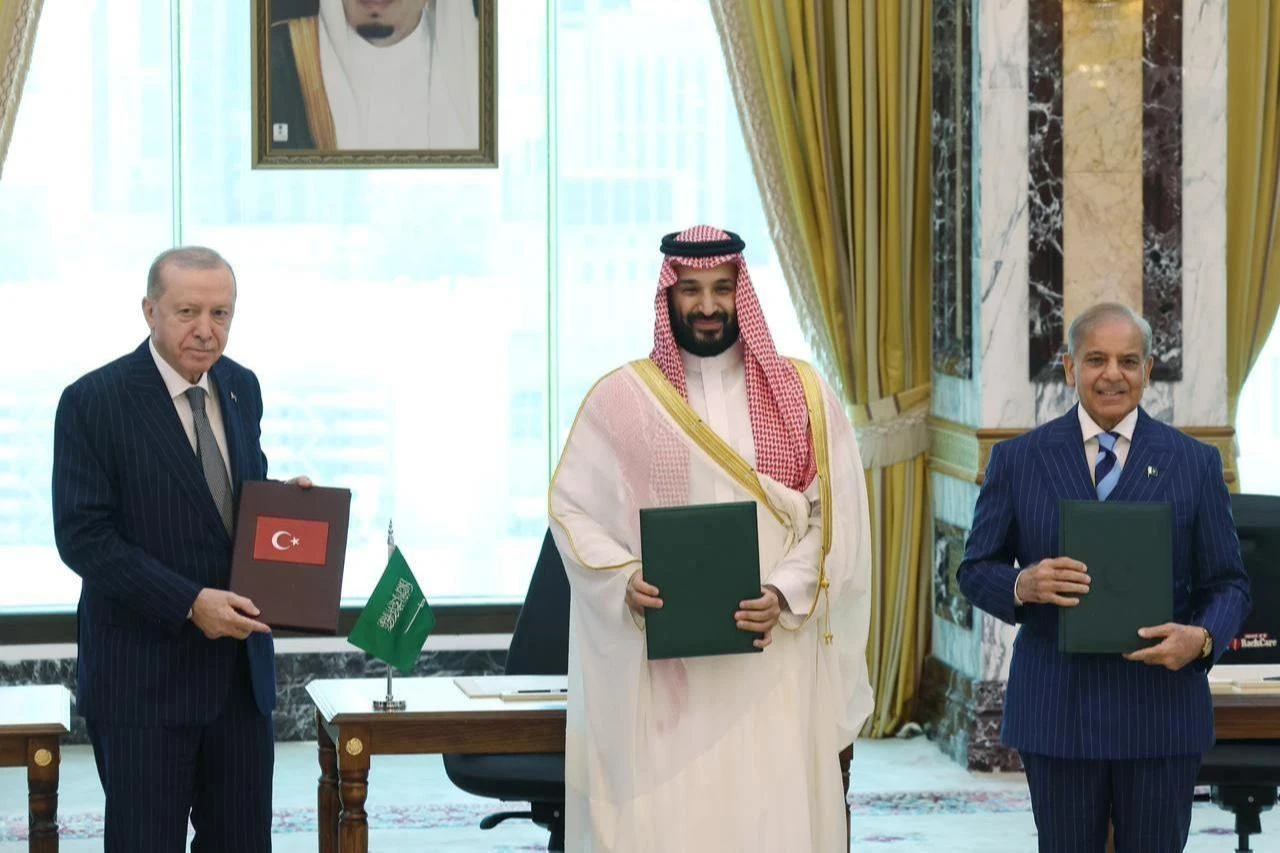

Türkiye broadens the framework beyond the longstanding Saudi-Pakistani defense relationship.
Ankara combines a large conventional military and NATO experience with a rapidly expanding defense industry. Its capabilities complement Saudi efforts to strengthen domestic defense production and diversify procurement. Joint production, technology partnerships, exercises and greater interoperability could eventually prove more consequential than the pact’s headline collective-defense provision.
For Ankara, the pact also offers greater strategic reach. Türkiye is not replacing NATO with a regional bloc; it is adding another partnership to a foreign policy increasingly characterized by overlapping relationships.
Pakistan brings different assets. Decades of military cooperation with Saudi Arabia, substantial manpower and operational experience make Islamabad a natural security partner. Pakistan’s nuclear status adds to its broader strategic weight, although the agreement provides no basis for assuming that Islamabad has extended a nuclear umbrella to Saudi Arabia.
The interests of the three members are complementary without being identical. That may prove both the pact’s strength and its principal challenge.
Iran remains an important strategic variable despite not being named in the agreement. Iran’s missile and drone capabilities, Iran-aligned armed groups, Houthi operations and threats to maritime routes have become important factors in Gulf threat perceptions. For Saudi Arabia, strengthening deterrence amid such risks is understandable.
Yet none of the three signatories has an interest in institutionalizing permanent confrontation with Tehran. Türkiye combines strategic competition with economic and diplomatic engagement. Pakistan has strong incentives to maintain stability along its Iranian border. Saudi Arabia also has reasons to prevent regional instability from undermining its economic transformation.
The accord therefore attempts something more subtle than constructing an anti-Iran bloc. It seeks to raise the potential costs of aggression without formally identifying where that aggression might originate.
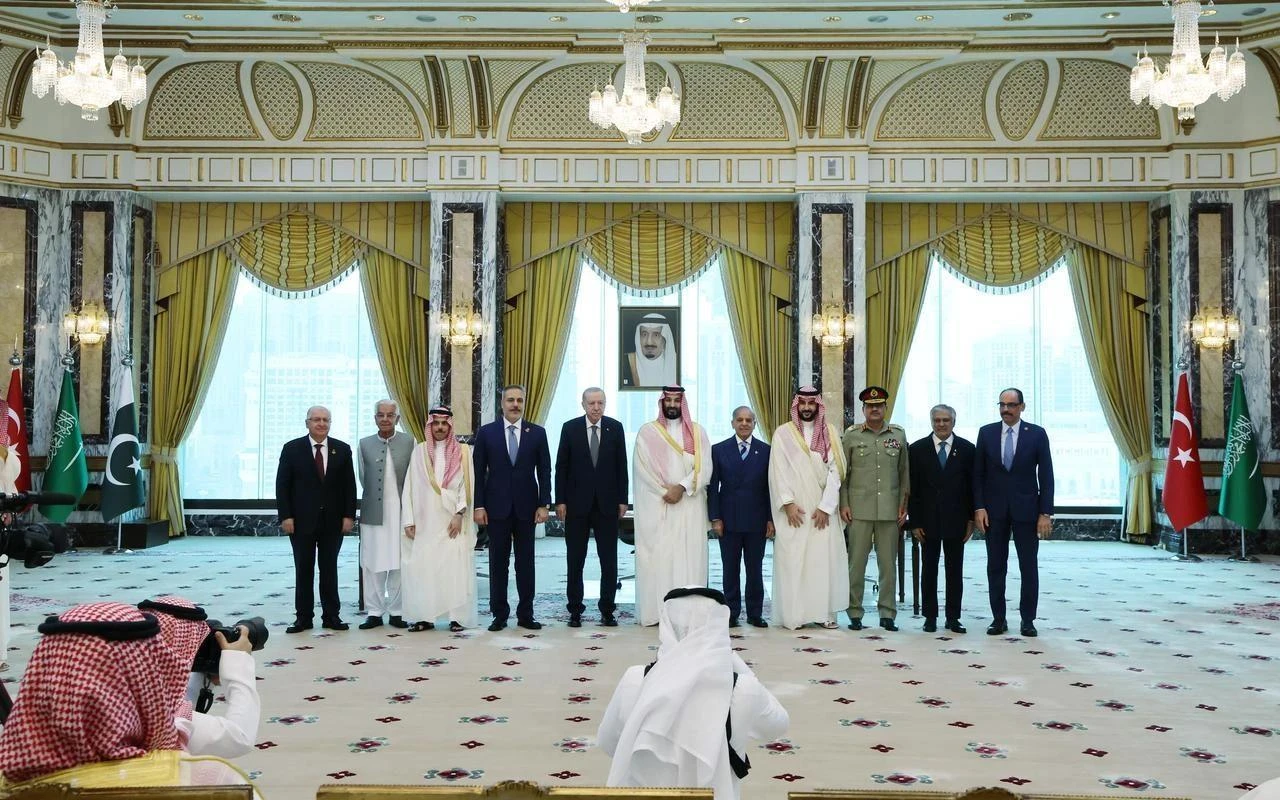
That becomes more complicated when aggression does not come directly from another state.
The Middle East’s security environment is shaped by drones, missiles, militias and proxy networks as much as conventional warfare. Would a major Houthi missile or drone attack on Saudi territory activate the agreement? Would Türkiye and Pakistan respond militarily, provide intelligence or air-defense assistance, or offer diplomatic support?
Similar questions arise beyond the Gulf. If another India-Pakistan confrontation escalated, how would Riyadh and Ankara interpret the scope of their commitments to Islamabad? Türkiye’s NATO membership adds another layer of complexity.
The pact’s credibility will depend on institution-building. A permanent secretariat and ministerial mechanism could provide political coordination, but military credibility would require intelligence sharing, joint exercises, contingency planning, logistical arrangements and agreed consultation procedures.
Without such mechanisms, the pact will remain primarily a political signal. With them, it could evolve into a meaningful security institution without becoming a NATO-style alliance.
 2 min read
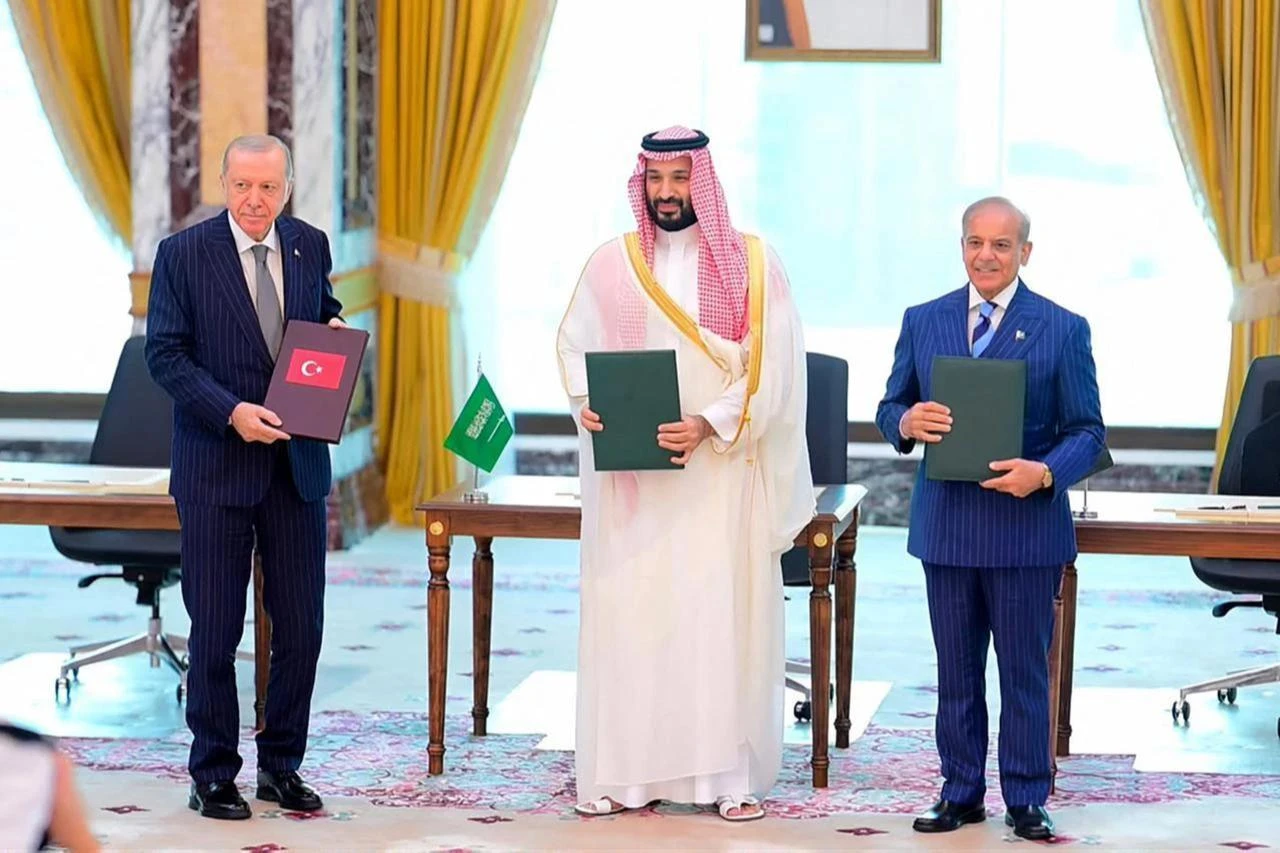
Perhaps the pact’s most consequential feature is that it begins to institutionalize a strategic bridge between two security theaters traditionally treated as distinct.
Pakistan’s participation means a collective-defense framework centered partly on Gulf security now reaches into an environment shaped by India-Pakistan rivalry, China’s regional role and nuclear deterrence.
The connection works in the opposite direction. Gulf instability has direct implications for Pakistan through energy security, investment, military cooperation and relations with Iran.
This does not mean Saudi Arabia or Türkiye will automatically become parties to South Asian conflicts, or that Pakistan will participate in every Gulf confrontation. The absence of such automaticity may be precisely what allows the arrangement to function.
The pact’s significance is therefore not simply that Pakistan has joined another defense arrangement. It potentially changes the geography through which regional security is understood, bringing Gulf deterrence and South Asian strategic competition into closer interaction.
For decades, much of the Middle East’s security architecture revolved around external guarantees, particularly those provided by the United States. The Mecca Pact suggests that regional states increasingly want arrangements they can shape themselves alongside established partnerships.
This is neither necessarily an American retreat nor a rejection of Washington. The United States retains military capabilities, intelligence networks and logistical reach that Saudi Arabia, Türkiye and Pakistan cannot collectively reproduce.
What is changing is exclusivity. Saudi Arabia can retain its security relationship with America while deepening defense cooperation with Türkiye and Pakistan.
Türkiye can remain in NATO while developing additional regional frameworks. Pakistan can sustain its strategic partnership with China while maintaining relationships with Washington, Riyadh, Ankara and Tehran.
For Washington, greater regional capacity could support burden-sharing. But greater responsibility will also bring greater autonomy, including initiatives the United States does not exclusively design or control.


 Set as preferred source
 Set as preferred source


 1 min read