Newsletters


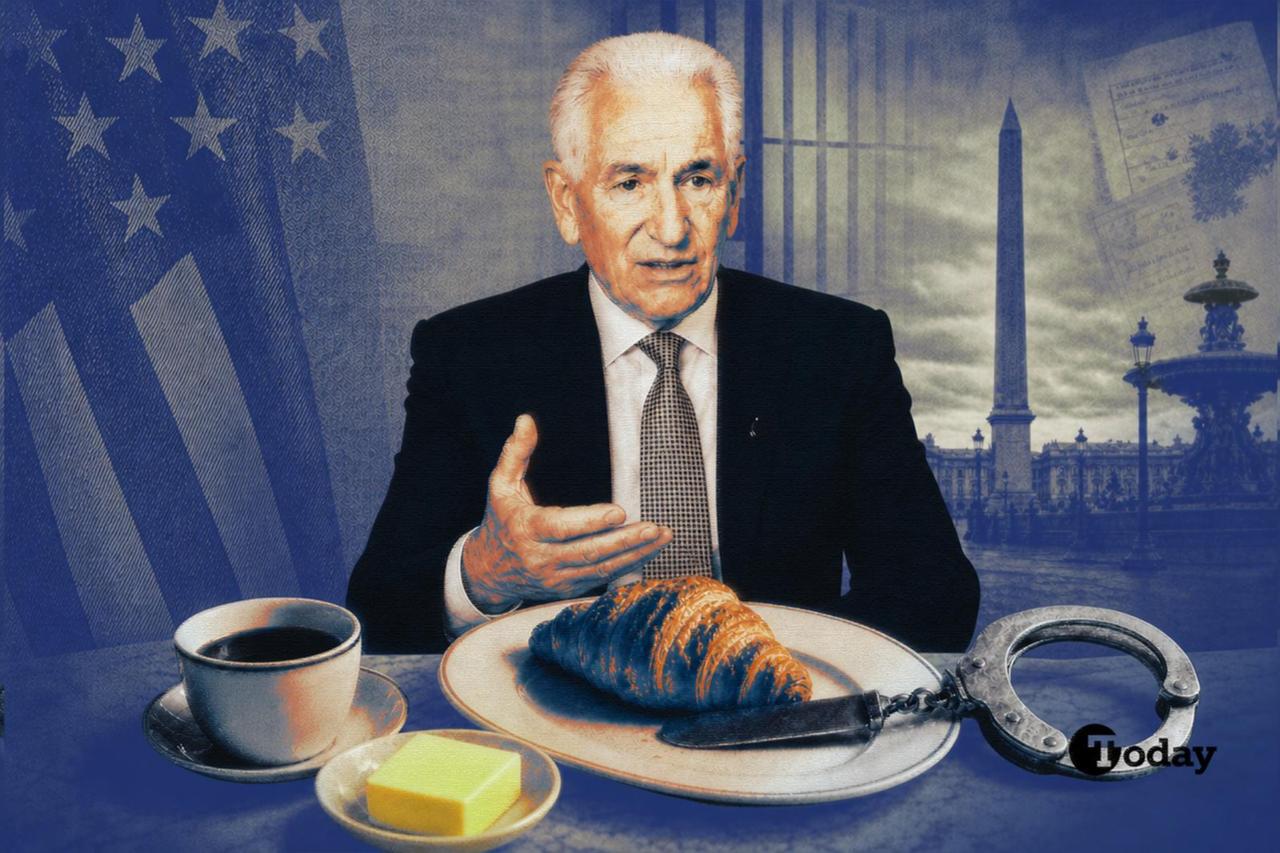


On Thursday morning, by one of those exquisite pranks Paris occasionally plays on the inadequately distinguished, I am expected—apparently by virtue of being invested in France’s Order of Arts and Letters—to find myself attending a breakfast soiree with Charles Kushner, United States Ambassador to France.
There will presumably be coffee. There will almost certainly be croissants.
I have absolutely no idea what to say after bonjour.
This is not the ordinary anxiety of meeting an ambassador, where one worries about forks, titles, and accidentally declaring war before the second espresso.
Kushner’s résumé contains real estate, political money, federal prison, a presidential pardon, and one of the more grotesque revenge plots ever admitted in a federal courtroom.
How exactly does one share a croissant with a man who hired a prostitute to seduce his brother-in-law, arranged to have the encounter secretly videotaped, and had the evidence sent to his own sister?
“Pass the butter” seems inadequate.
Kushner pleaded guilty.
In 2004, the New Jersey developer pleaded guilty to 18 federal counts: 16 involving false tax returns, one involving retaliation against a cooperating witness, and one involving false statements to the Federal Election Commission. The tax scheme involved disguising more than $1 million in partnership charitable contributions as business expenses.
But accounting fraud was merely the appetizer.
His sister and brother-in-law were cooperating with federal investigators. Prosecutors said Kushner retaliated by paying a private investigator $25,000 to arrange for a prostitute to seduce his brother-in-law in a motel room, secretly film the encounter, and send the tape to Kushner’s sister.
Federal Judge Jose Linares sentenced him in 2005 to 24 months—the maximum permitted by his plea agreement—and fined him $40,000, calling his conduct “disgraceful and reprehensible.”
Then came resurrection.
Donald Trump—whose daughter married Kushner’s son Jared—pardoned him in 2020.
Five years later, the Senate confirmed him ambassador to France, 51–45.
And what a moment to become a diplomat.
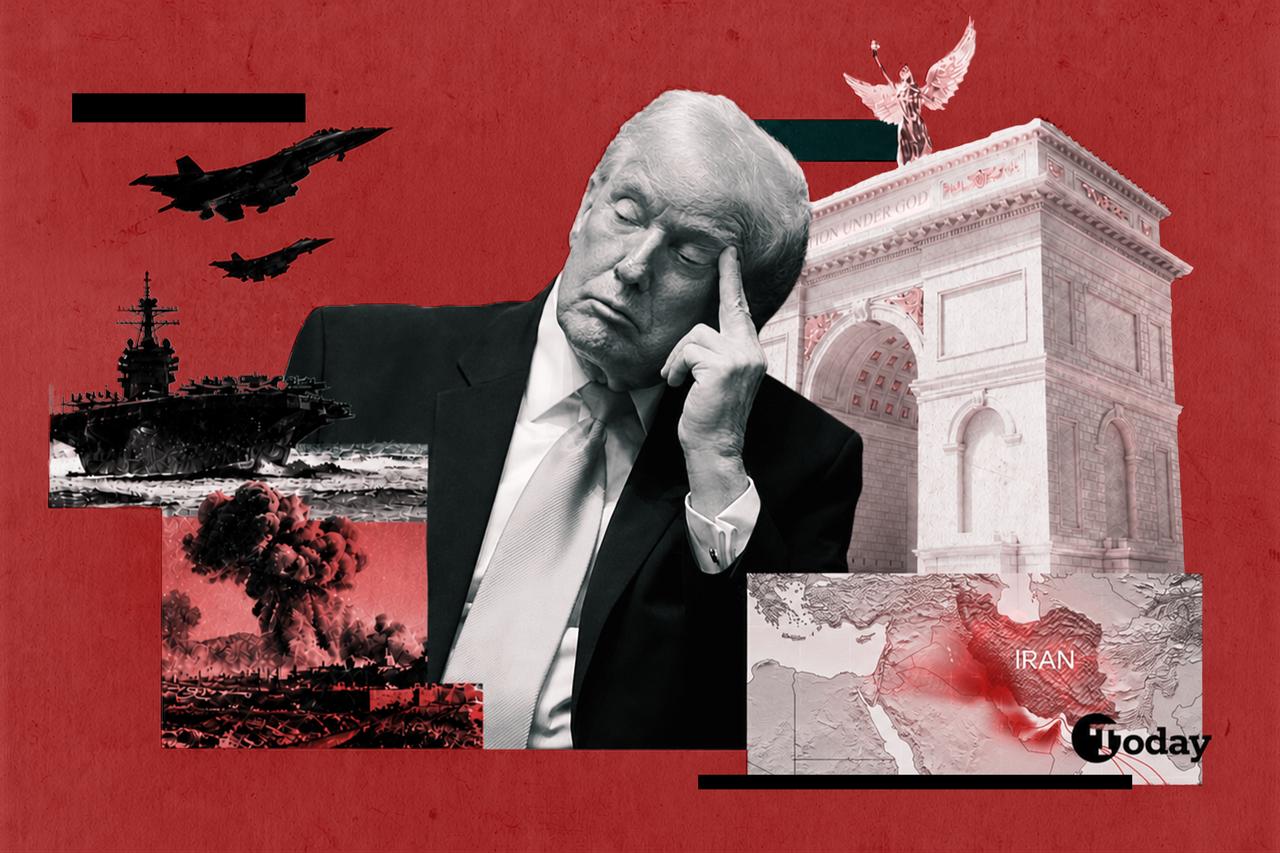
Kushner’s boss is now prosecuting a war against Iran that has dragged on for six months and helped send energy prices soaring. Trump has threatened Europe with more tariffs, spent months menacing NATO ally Denmark over Greenland, battled Europeans over Ukraine and generally turned the Atlantic alliance into something resembling a family business meeting after somebody discovers the will has been changed.
Macron has called Trump’s tariff threats over Greenland “unacceptable,” although the two men emerged from talks this week describing them as constructive.
Kushner has managed his own contribution to Franco-American harmony. After accusing France of failing to combat antisemitism adequately, he was summoned by the Quai d’Orsay, which publicly branded his allegations “unacceptable.”
This is diplomacy with the muffler removed.
And Paris, of all places.
One wonders what the ghosts of 1789 would make of Kushner’s curriculum vitae. Robespierre preached civic virtue with a fanaticism that fed the Terror. Saint-Just regarded corruption and private interest as diseases of republican government. Danton knew something about money, accusation, and revolutionary justice.
Had a figure carrying Kushner’s record wandered into their revolutionary universe, the reception would presumably have been considerably less forgiving than a presidential pardon. The Revolutionary Tribunal of 1793 dispatched people accused of corruption and betrayal to the guillotine on Place de la Concorde with horrifying efficiency.
That was not justice. It was political violence masquerading as purification—and eventually the machine consumed Robespierre and Saint-Just themselves.
Fortunately, modern France offers courts, rights, and due process. MAGA America offers something more peculiar: conviction, imprisonment, pardon, and eventually an ambassador’s residence on rue du Faubourg Saint-Honoré.
Which brings me back to le petit déjeuner with the Ambassador Extraordinary and Plenipotentiary of the United States to the French Republic.
Shall I raise my croissant, glance toward the Place de la Concorde, and ask His Excellency whether he has had much opportunity to study French history?
But that might be misunderstood. Perhaps the safest course is coffee.
Black.


 Set as preferred source
 Set as preferred source



 5 min read