Newsletters




This article was originally written for Türkiye Today’s weekly economy newsletter, Turkish Economy in Brief, in its April 20 issue. Please make sure you are subscribed to the newsletter by clicking here.
The conflict that began in the Middle East in March eased with a “ceasefire” in the first week of April, and this positive momentum continued until the “reopening of the Strait of Hormuz” on the last trading day of last week. At this point:
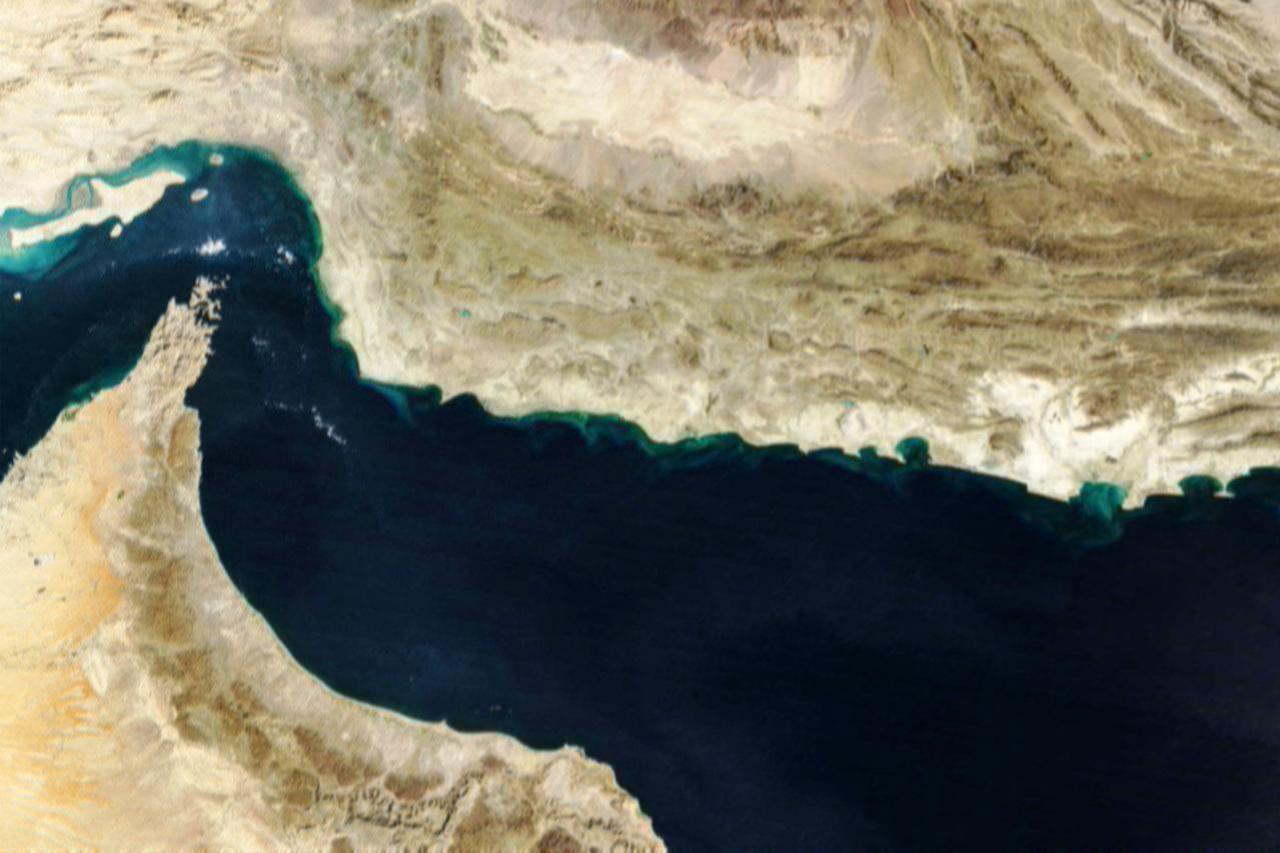

Attention is now turning to a potential “permanent ceasefire” agreement between the U.S. and Iran.
The two sides are expected to meet again this week to negotiate unresolved issues. In such periods, markets tend to accept fragility as normal and prefer to remain “cautiously optimistic.”
This is because it had already become clear weeks ago that continued conflict would impose a high cost on the global economy, especially the U.S. For this reason, markets have been “pricing in optimism” since early April.
Over the past two weeks, the rise in oil prices has stalled, while global indices have resumed their upward trend.
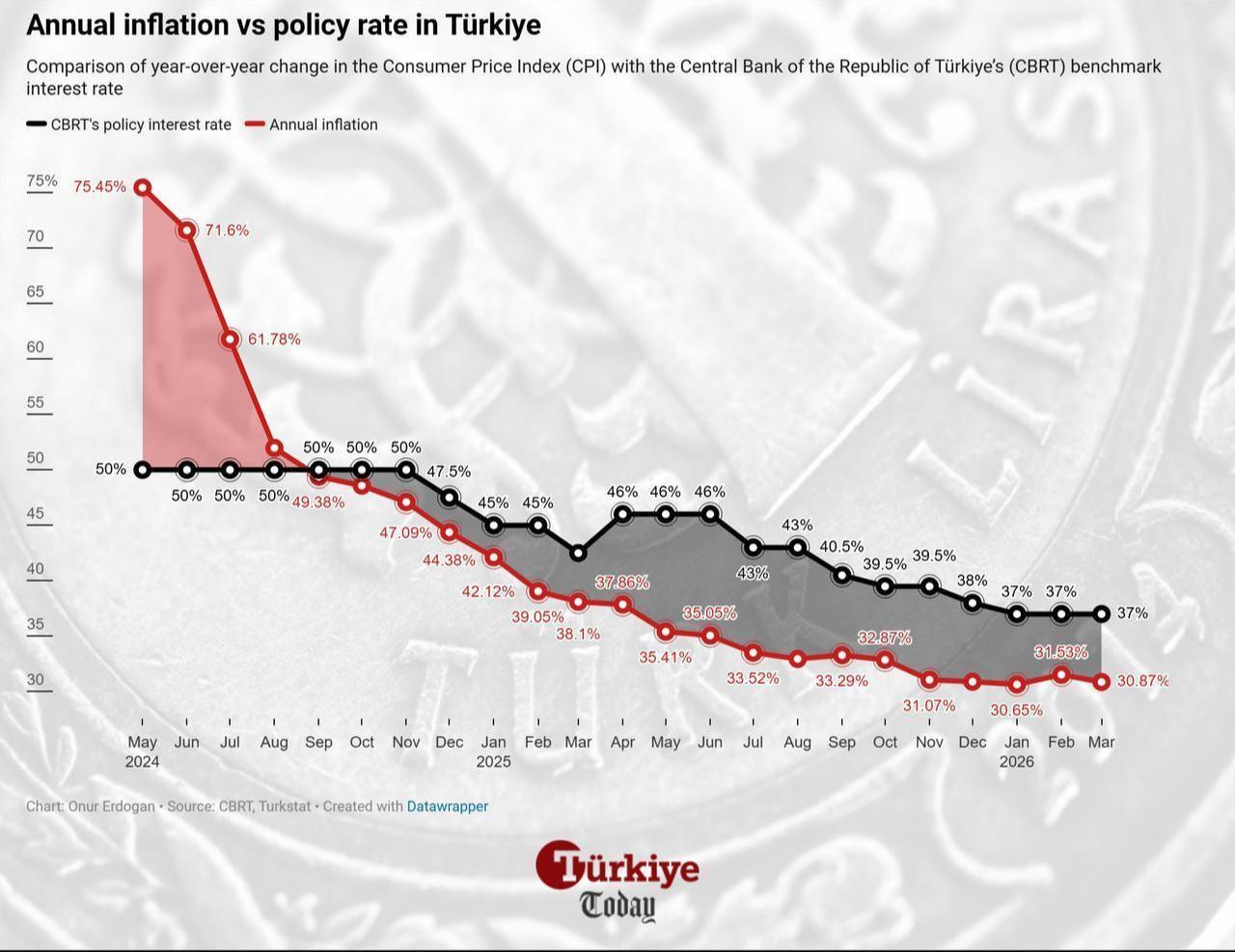
A decline in the Middle East risk premium holds particular importance for commodity-importing countries like Türkiye. Establishing a “lasting non-conflict environment” could gradually ease negative pressures on inflation, interest rates, the Turkish lira, the current account balance, and growth. Looking at recent signals from Turkish markets:
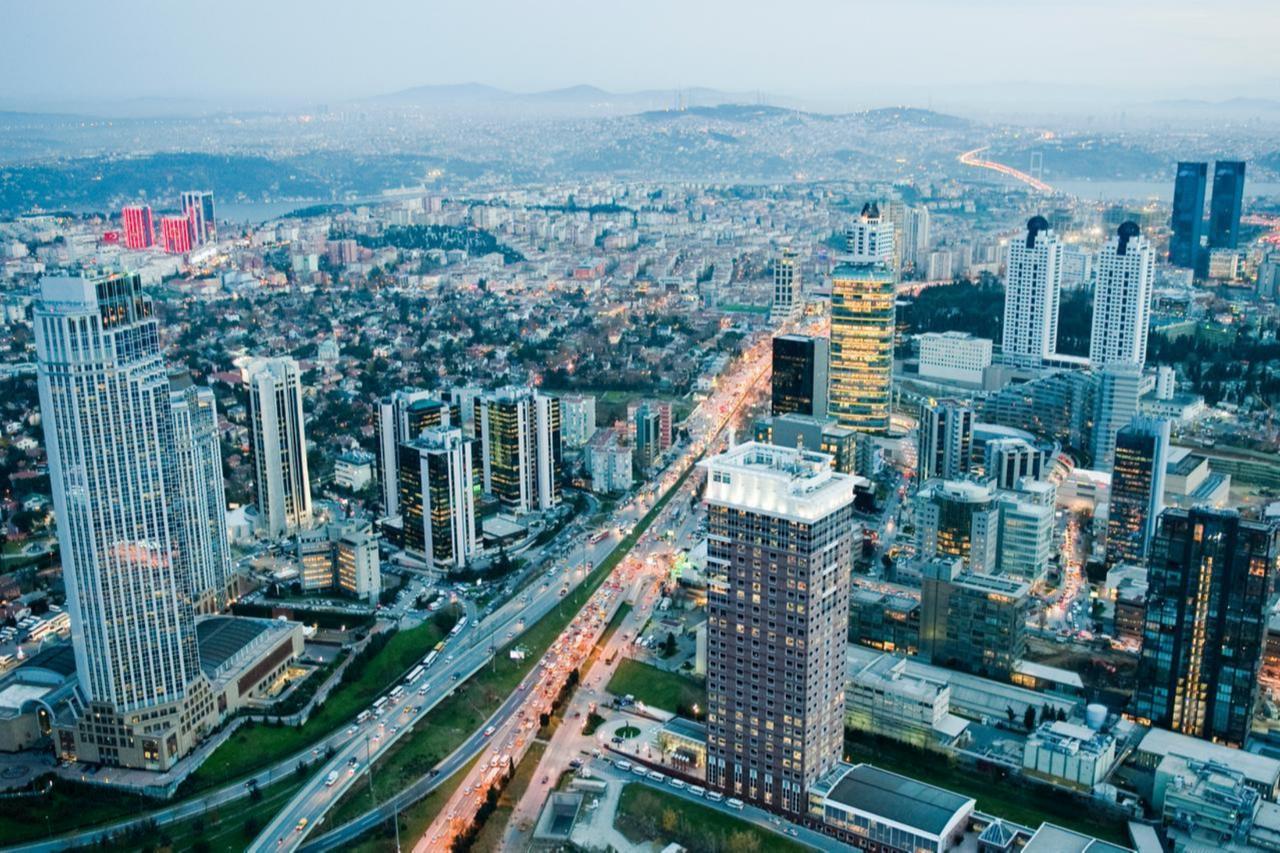
Berk Dincturk, strategist at Istanbul Portfolio, also highlights Türkiye’s positioning and advantages in this new period. He argues that instability in the Middle East is pushing global capital, particularly Gulf capital, to seek safe havens:
“Foreign capital in the Gulf, where defense is weaker, may shift toward Türkiye due to its strong military structure and army. Expanding tax advantages at the Istanbul Financial Center could turn Türkiye into a critical attraction point for global capital seeking direction during wartime.”
Dincturk also notes that company valuations in Türkiye have remained relatively low over the past 2–3 years, offering a major opportunity window for foreign investors. Referring to interest from major funds like BlackRock, he adds:
“This indicates that Türkiye could be among the better-performing emerging markets this year.”
In the post-war reconstruction phase, several dynamics could bring certain sectors in Türkiye to the forefront:
Let’s conclude this week’s piece with remarks from Treasury and Finance Minister Mehmet Simsek at the IMF–World Bank Spring Meetings panel titled “The Future of Economic Integration in a Fragmenting World”:
“Rather than simply reacting to events, we must act with foresight and well-designed strategies. One way to do this is by investing in new corridors and additional supply chains. We believe the Middle Corridor will be one of the most efficient options. We have strong ties with Europe and the West, while also actively engaging with the rest of the world.”
“This dual position makes Türkiye a natural risk diversification platform for its region. Therefore, we believe there are opportunities for us. Yes, the global economy is currently facing serious challenges, but we are looking beyond the short term and believe there will be many opportunities ahead.”


 Set as preferred source
 Set as preferred source


 7 min read