Newsletters


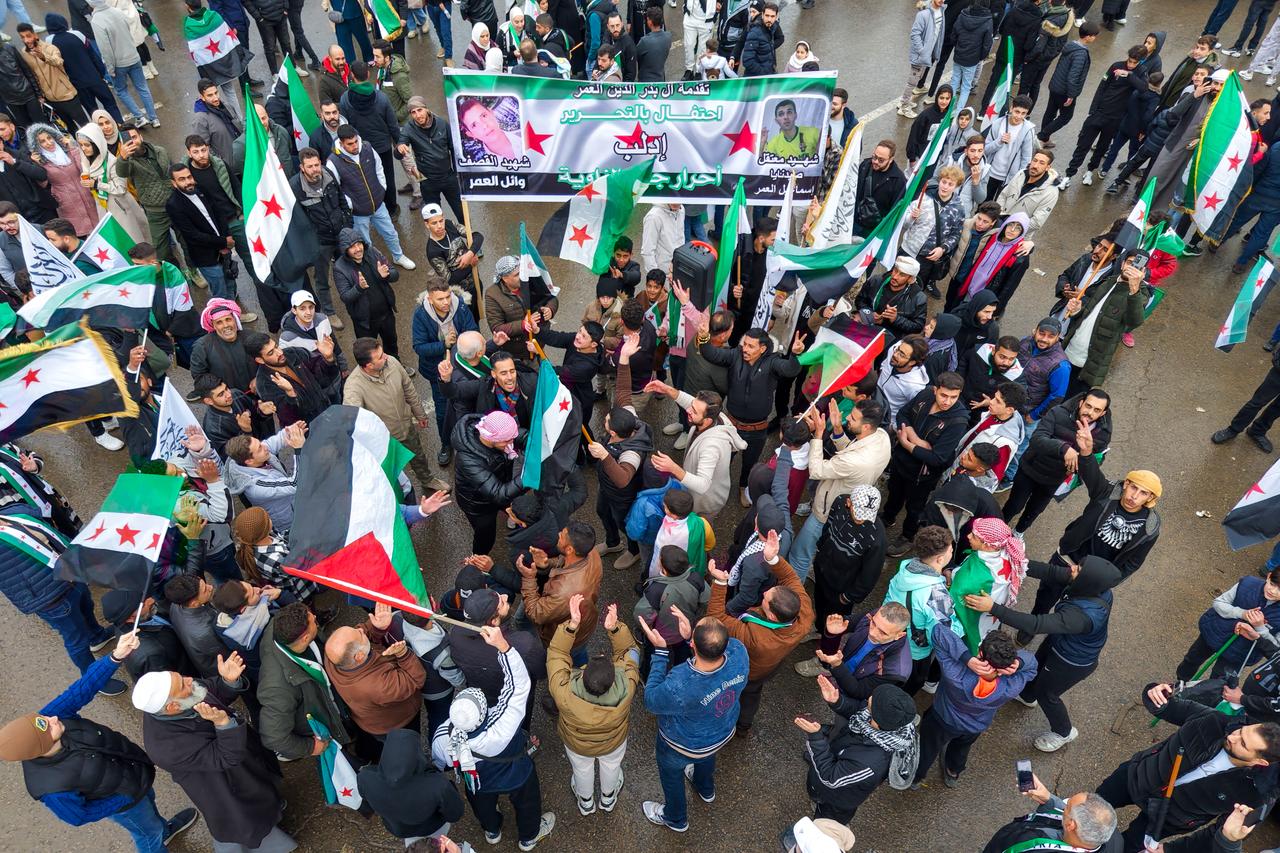


In this extensive interview with Dr. Tarik Sulo Cevizci, elected member of parliament (MP) from Aleppo, we examine the background of the Syrian regime’s unexpectedly rapid collapse, the current dimensions of Israel’s chaos strategy built upon minority groups, the critical negotiations between the PKK/YPG and Damascus, and the future of Syrian Turkmen representation in parliament.
The shifting military, geopolitical, and demographic dynamics that are reshaping the balance of power in the region are analyzed comprehensively through the lens of alliances, rupture,s and emerging risks on the ground.
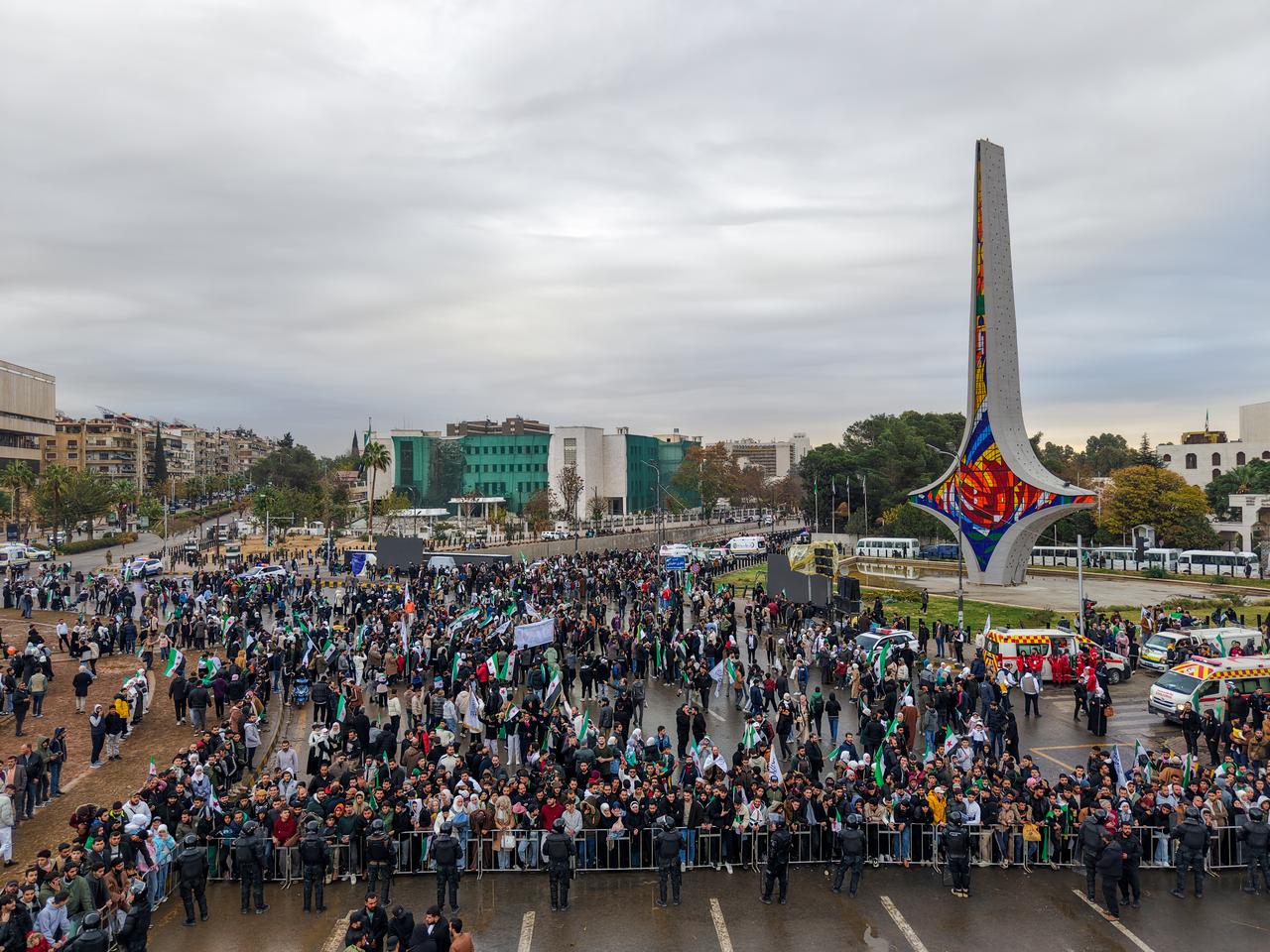

I did not expect the half-century-old dictatorial regime in Syria to fall within such a short period either. The collapse of the Baath and Assad regime in just 11 days, after a war that lasted 15 years, initially came as a surprise. Yet a rational explanation exists. The Baath and Assad regimes rested on three main pillars. The first was Iran’s support through advisory generals, Shiite militias, weapons, and intelligence. The second was the militia force created on the ground by Lebanon’s Hezbollah. The third was Russia’s air support and the political protection it provided the regime at the UN Security Council.
However, Russia became bogged down in the war in Ukraine; Iran and Hezbollah entered a direct confrontation with Israel after Oct. 7. This caused all three actors to withdraw from Syria, leaving the regime without its main sources of strength. In addition, international actors seeking Assad’s removal—primarily Türkiye and the United States, along with the Gulf states—clearly increased their support for the revolutionary opposition.
Within this framework, the “Operation to Prevent Attacks” was not an offensive operation; rather, it was a counter-move launched in response to Assad’s violation of the Astana and Sochi agreements. Once it became evident that Assad’s forces were extremely weak and fragile on the ground, the operation expanded and advanced toward Aleppo. The rapid fall of Aleppo generated excitement and motivation among the revolutionary forces, who then decided to push toward Hama and Homs.
In the face of these developments, the regime sought renewed assistance from its former allies—Russia, Iran and Hezbollah—but received no response. It then turned to Iraq and requested support from Hashd al-Shaabi, yet the Sudani government rejected the request, stating that Hashd al-Shaabi is a formal structure under the Iraqi army. This completely broke the regime’s morale on the ground.
Meanwhile, the diplomacy conducted in Doha under the leadership of the Turkish Foreign Ministry placed decisive pressure on Russia. Realizing that Syria’s future would no longer be shaped through Assad, Moscow withdrew its support from the regime and accelerated the process by opening contacts with the new opposition forces.
Seeing all these realities, Assad concluded that staying in the country held no meaning for him and fled without informing anyone. Thus, the 61-year Baath rule and the 54-year dictatorship came to an end.
Since its establishment, Israel has pursued an active policy toward Syria due to the long border between the two countries and the presence of natural resources, especially water, that are vital for Syria and indispensable for Israel’s survival. For this reason, Israel has implemented an aggressive and expansionist policy toward Syrian territory from the beginning, exploiting every opportunity and at times even occupying parts of Syrian land.
Following the outbreak of the Syrian revolution in 2011, Israel continued this strategy, using the emerging vacuum to impose its influence over Syria. Israel’s policy is based on the emergence of weak, fragmented, mutually hostile, and externally dependent small entities. Therefore, Israel supports every initiative that weakens central authority in Syria.
The groups that contribute most to this fragmentation are the Druze, the Alawites, and the PKK-affiliated Kurds; Israel continuously stirs unrest through these three groups. Israel does not hesitate to strike the internationally recognized Damascus government in broad daylight—targeting critical sites with live broadcasts. It also conducts patrol operations along the border, constantly provoking the Syrian people and security forces. Through all these actions, Israel prevents stability and fuels chaos.
Israel’s main objective is to block the emergence of a strong central authority in Syria. In the long term, Israel has territorial ambitions over Syria and seeks new partners on the ground to realize its “Promised Land” vision. As of today, the Druze, Alawites, and PKK-affiliated Kurds constitute ready partners for Israel.
Thus, Israel engages in every possible initiative to reach these groups. In southern Syria, Quneitra, Daraa and Suwayda, Israel wants no armed presence. It aims to create the “David Corridor,” extending from Suwayda to the PKK-controlled area in northeastern Syria, establishing a land connection between the two. Meanwhile, Israel seeks to provoke the Alawites along the coastal strip through sea and air access, generating constant chaos in the Syrian theater.
Moreover, Israel is developing new plans through Daesh; the revival of the terrorist group and its use to pressure the Damascus regime is on the agenda. Reviving Daesh, particularly in rural areas, would greatly unsettle the regime. In short, Israel’s overarching strategy in Syria is to foment chaos, incite minority groups, and prevent the establishment of a strong central authority.
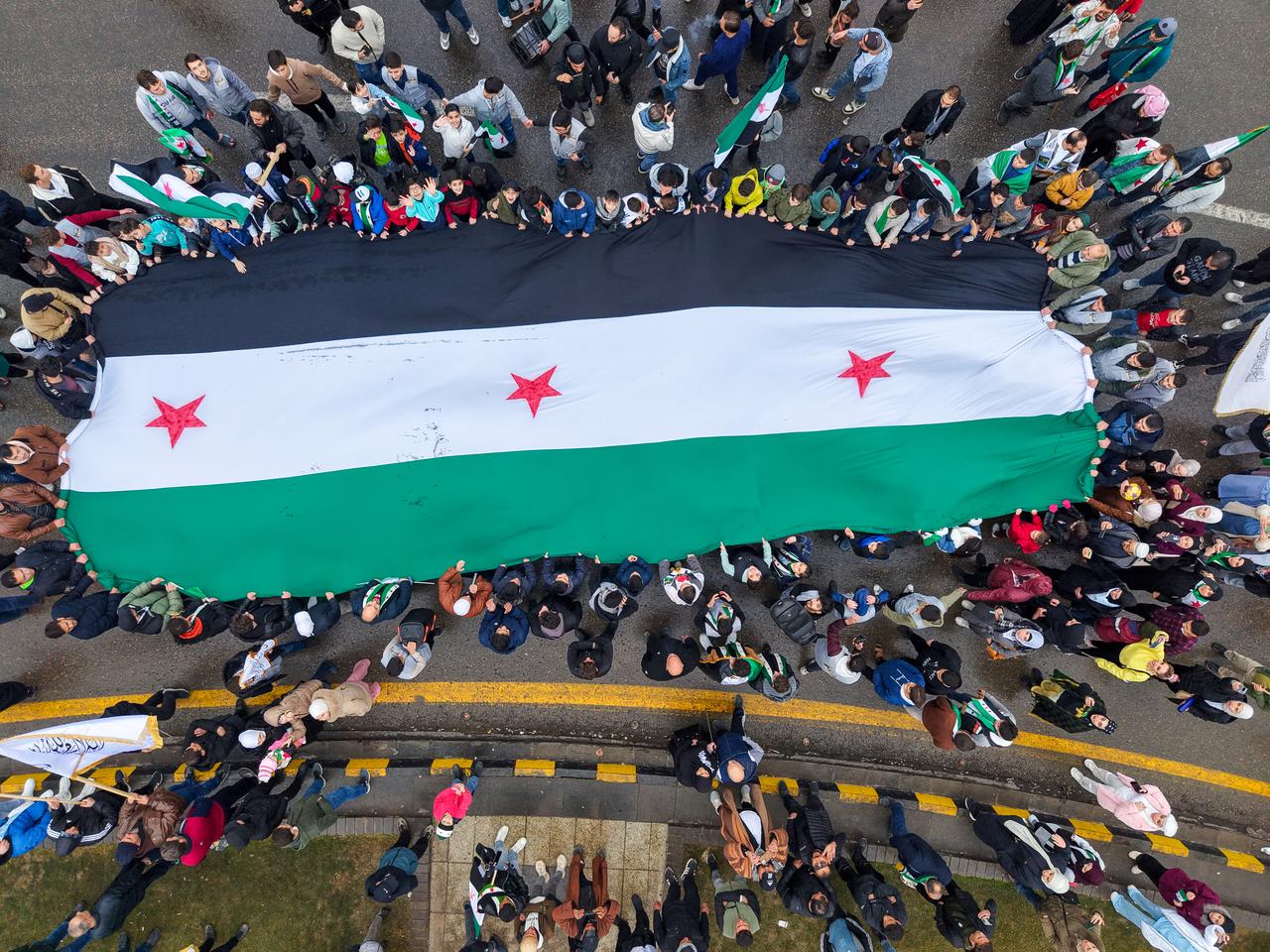
The Damascus administration prefers resolving disputes with the YPG through political means because it does not want a new war in Syria. The northern region provides significant economic resources; reintegrating this area into Syria would substantially contribute to the country’s much-needed economic recovery. Moreover, integrating YPG elements into the Syrian army would end the fragmentation of military forces on the ground and help resolve Syria’s security problems. A reasonable agreement with the YPG would also undermine the projects of external actors seeking to divide Syria or pursue malicious agendas.
However, negotiations between Damascus and the PKK/YPG are extremely delicate, as the PKK’s demands are neither acceptable nor explainable. The PKK/YPG has presented highly critical demands to Damascus. Its primary demand is to preserve its existing military structure and be positioned inside the Syrian army as a separate force, similar to the Peshmerga in Iraq, without any structural changes. This resembles the agreement between the Sudanese government and the Rapid Support Forces, where two parallel military structures eventually plunged the country into civil war. A similar scenario could unfold in Syria.
Additionally, the YPG demands over 25% of Syria’s national budget, effectively meaning the creation of a new state structure within the country. It also insists on significant changes to Syria’s state system, primarily the overhaul of the hyper-centralized political structure, changes that would fundamentally transform Syria’s political order.
For this reason, the eight-point agreement known as the 10 March Accord, brokered by the United States, remains on the table. However, as of late 2025, there are no signs of its implementation on the ground. If the agreement is not put into effect, any scenario, including open conflict, is possible.
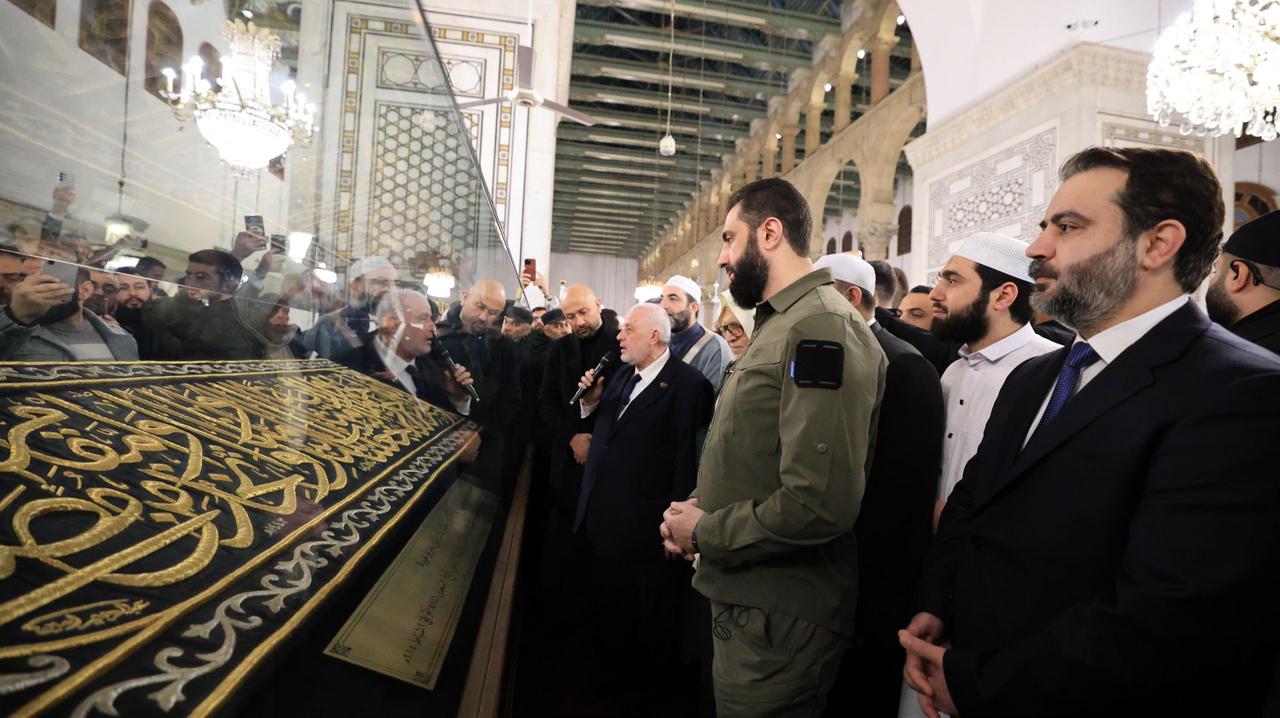
After the Dec. 8 victory, Syria has entered a new era, and Syrian Turkmens are among the key components of this process. However, Turkmen political actors failed to organize themselves and adapt to the new period, which prevented them from participating in the first and second governments formed in Syria.
Similarly, Turkmens entered the Oct. 5 parliamentary elections in a fragmented manner, which resulted in their failure to gain representation proportional to their population and their struggle. The lack of centralized coordination among Turkmen candidates produced a disorganized image and ultimately led to disappointing results. As a result, only five elected MPs of Turkmen origin currently serve in parliament, and unfortunately, these individuals won through their own personal efforts.
If the situation continues like this, Syrian Turkmens will not be able to maintain a political presence in the country. The Syrian Turkmen Assembly, established to represent and organize Turkmen political life, has become detached, ineffective and irrelevant to the new developments; instead of unifying Turkmens, it has fragmented the political landscape.
For Turkmens to remain politically relevant, they must immediately begin a comprehensive reorganization process. This requires a new structure, a new cadre, a new discourse and a new headquarters (in Damascus). This rebuilding must be carried out not with individuals who have proven unsuccessful, but with figures who have legitimacy among the people, who inspire confidence, can maintain good relations with Ankara and Damascus, and can develop strong dialogue with Syrian society.
Furthermore, according to Syrian law, the new structure must be established on a legal basis. The term “assembly” in the name “Syrian Turkmen Assembly” creates the perception of a parallel parliament and poses legal challenges. Therefore, changing the name and making a fresh start is now an unavoidable necessity.


 Set as preferred source
 Set as preferred source



 4 min read