Newsletters


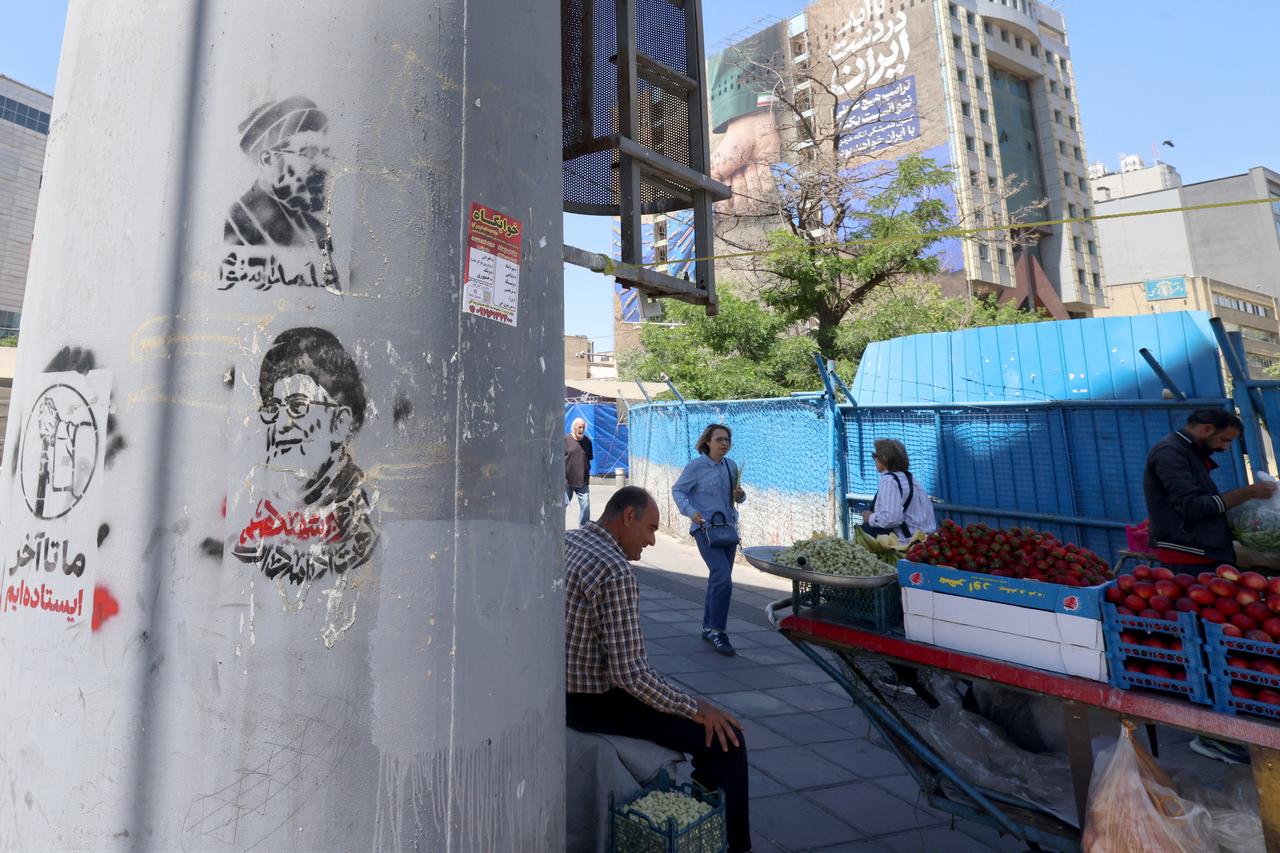


The U.S. launched Operation Epic Fury in February 2026 to end or incapacitate Iran’s quest for nuclear weapons, undermine its regional power projection capabilities, and force negotiations to end its hostile stance against the West.
This event marks the latest chapter in a nearly 50-year conflict between Washington and Tehran. It also serves as a stark demonstration of unilateral power, with President Donald Trump and Israeli Prime Minister Benjamin Netanyahu launching major military operations without a clear mandate from the U.S. Congress, the United Nations, or regional allies.
As of the end of May 2026, a U.S. naval blockade on Iran continues while negotiators work to extend a ceasefire and approve a framework agreement that will move the struggle from the battlefield to the diplomatic chessboard.
The prospect of further combat operations remains, but both sides seem to have concluded that outright military victory is not in the cards. Meanwhile, a coalition of states seeking to end the war has emerged, centered on Pakistan, the Gulf states, Türkiye and Egypt.
Extracting tactical and operational lessons from modern warfare is relatively straightforward, as battlefield reporting now occurs in near-real time. However, the strategic and political lessons essential for statecraft often take years to fully emerge. Even so, initial observations can already be drawn for both regional states and the broader international system.
For Iran, the war has been both a painful loss and a Pyrrhic victory. The campaign has demonstrated that there is no path for Iran to gain nuclear weapons as a fait accompli; this will not end like the Pakistan, India and North Korea examples, where nuclearization can be achieved defiantly and irrevocably.
Facilities have been obliterated, experts identified and hunted down, and a precedent set—without ground invasion, the program can be set back indefinitely, and costs imposed iteratively until negotiations yield denuclearization. And while Washington has largely avoided targeting economic infrastructure, regime command and control, plus the regional proxy network, have suffered enormously.
On the other hand, the “mosaic strategy” of dispersing military assets and authorities seems to be vindicated. Iran has made itself a hard target and the regime has survived—albeit at massive cost. The lesson is that survival is possible, but serious negotiations and compromises are unavoidable.
For Israel, the lesson is that tactical and operational superiority does not guarantee improved regional outcomes. Israel’s air campaign has been impressive but has not, even with the U.S. taking on the heavy lifting over time, achieved decisive results.
Iran can rebuild, and many regional states have come to see Israel as a threat to stability on a par with Iran. Despite attempts to tie broad acceptance of the Abraham Accords to a regional framework agreement, it seems more likely that the Abraham Accords as an Israel-centric security architecture are off the table.
Instead, we see a growing movement toward security cooperation among Muslim-majority states to deter both Iran and Israel. Israel will need to rebuild friendships and trust with the Muslim world, and doing so by demonstrating military prowess has not had the desired effect.
For the U.S., the lesson should be that American interest in Israel’s security must be nested in a regional approach that reinforces rather than bypasses our broader network of alliances.
Europe largely stayed out of this war, and American friends in the region have worked assiduously first to prevent and then to end the fighting. After punching hard for several months, the U.S. has turned to salvaging acceptable diplomatic and political results by working with those regional allies—none of whom share Israel’s assessment of what the future should look like in the Middle East.
The glaring lesson is that the painstaking work of assembling diplomatic and strategic coalitions, and of maintaining alliances, is a crucial prerequisite for success in war.
For Türkiye and the other majority-Sunni states in the region, the lesson is most obvious: hang together or hang separately. In a region where the U.S., Israel and Iran all apply military power in ways that impose economic harm and instability, a division into pro-Israel and pro-Iranian camps is a recipe for perpetual war.
The result may not be a “Muslim NATO,” but it certainly will be closer collaboration in the defense industry, military exercises and strategic consultation; not in rivalry with the West, but as a means of engaging in the most formidable manner.

 2 min read
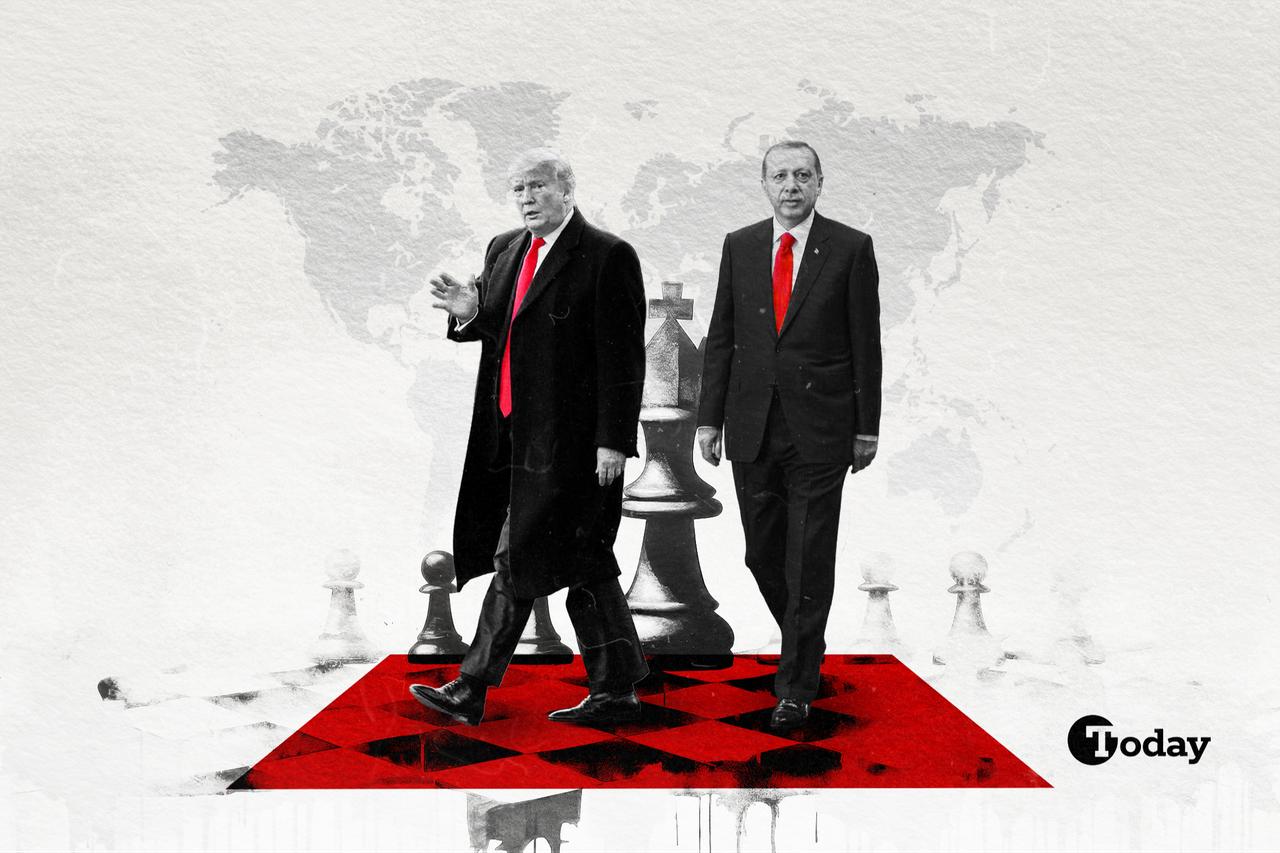
Positioned not as a war of regime change but as a coercive push to alter Iranian behavior, the 2026 campaign joins a long line of U.S. coercive diplomacy efforts aimed at shifting a state's policies without committing to total overthrow.
The record of coercive diplomacy shows it to be an alluring but somewhat illusory tool: the idea that agile coordination of economic, military, and diplomatic pressure can achieve capitulation at low cost. But there are rules.
The war in Iran confirms three primary lessons of coercive diplomacy. First, the threat to the target state must decisively outweigh the value of the concession demanded. Second, a coalition must be carefully assembled and maintained to achieve maximum pressure on the target and achieve complete strategic isolation. Finally, a viable off-ramp must be offered at just the right time—and framed in such a way—that the target can accept it without triggering the collapse of its political standing at home.
It is unclear whether the current U.S.-Israeli campaign has achieved any of these. It has certainly failed on the coalition-building aspect, often bringing in regional allies to key decisions after initiating action. It has not inflicted enough damage on the Iranian regime to obtain concessions on key demands. And it does not appear to have won the framing of the war internationally or domestically.
A major regional defense show this month in Istanbul—SAHA 2026—was abuzz with discussion of the military technical lessons of the war in Iran. Combined with the ongoing fighting in Ukraine and recent combat between India and Pakistan, the current Iran war has shown dramatic shifts like warfare in the mid-2020s.
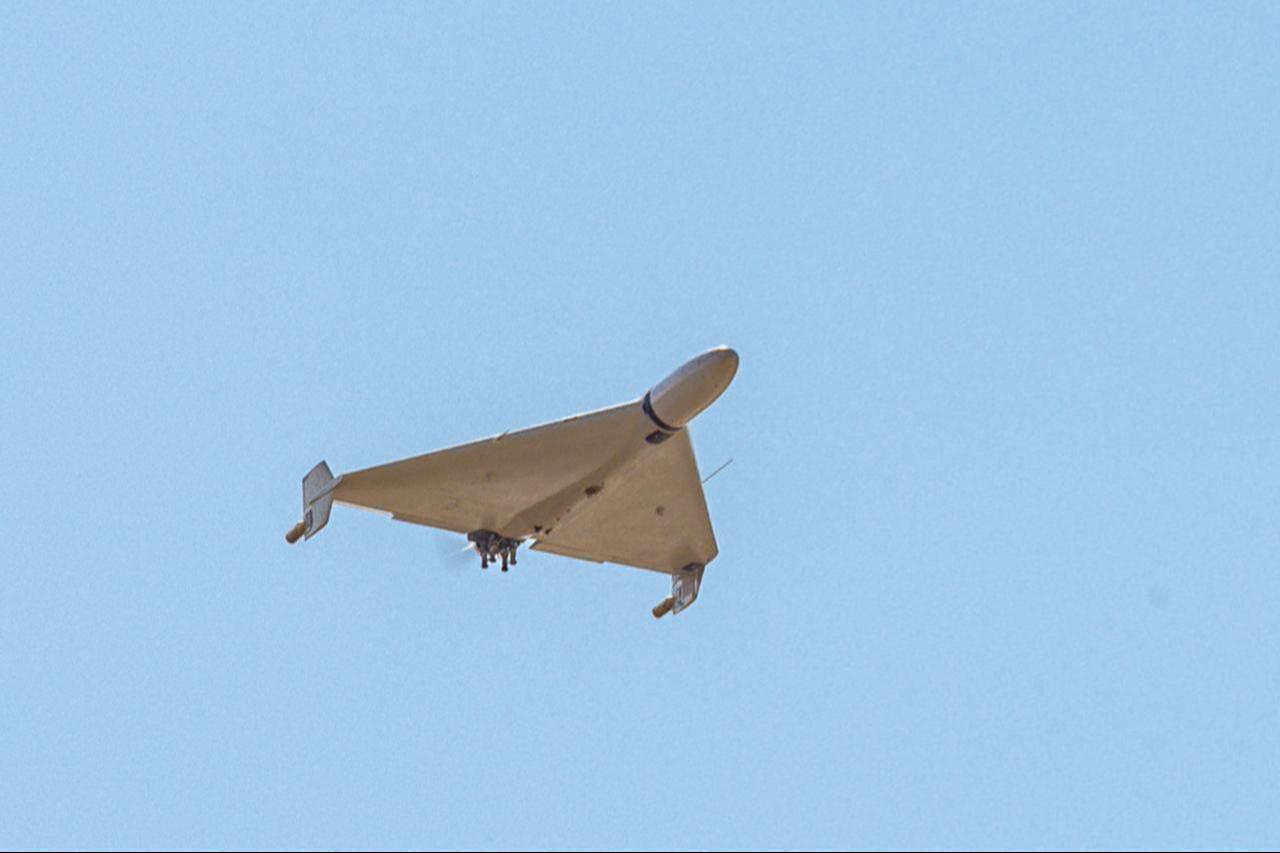
Massed formations of tanks and mechanized units, manned aircraft, and exquisite technology matter less. Technological adaptability, cheap but plentiful munitions, autonomous systems and resilience across multiple sectors matter more. Countries that transition quickly to mass production and effective integration of unmanned systems—and develop the engineering expertise for innovation in AI and autonomous systems—have an adaptive advantage.
The tools that have propelled Western military dominance in recent decades—expensive, exquisite, elaborately constructed weapon systems—may have met their match in dispersed targets and retaliation by the “many, cheap, and smart” alternatives.
Large expenses for marginal results matter in a competitive geopolitical context, and long, expensive wars with less-than-decisive results are a hard sell to regional and domestic audiences.
The upshot, in military terms, is that the illusion of quick victories by single powers or small “minilateral” coalitions does not apply at present. The democratization of military power in the drone age means wars for now will be long slogs (Ukraine), short and ephemeral exchanges (India-Pakistan), or sharp and destructive blows with transitory effect.
War is a constant in human history and change, a constant in war.
The lesson from Iran is not that the war was a clear-cut victory, a total defeat, or even a mistake for either side. The lesson is the opposite: the democratization of advanced technology and manufacturing makes clear outcomes and unambiguous results less likely.
Ultimately, this shift may strengthen the roles of both deterrence and diplomacy. It will likely exert renewed, sustained upward pressure on defense budgets across virtually every country in the region and its neighbors.
While the longevity of these specific lessons remains to be seen, the ultimate conclusion will be revealed at the negotiating table—informed, but no longer dictated, by results on the battlefield.


 Set as preferred source
 Set as preferred source


 1 min read