Newsletters


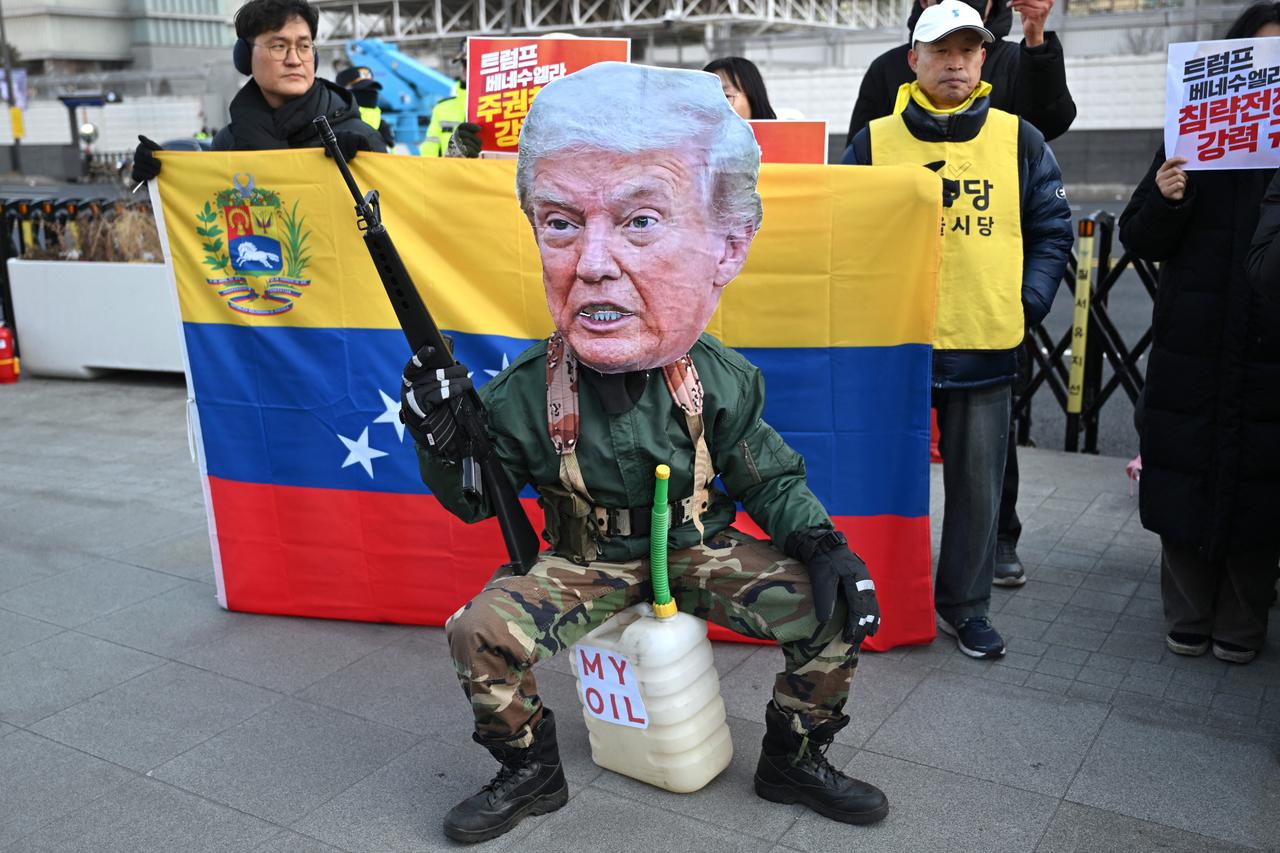


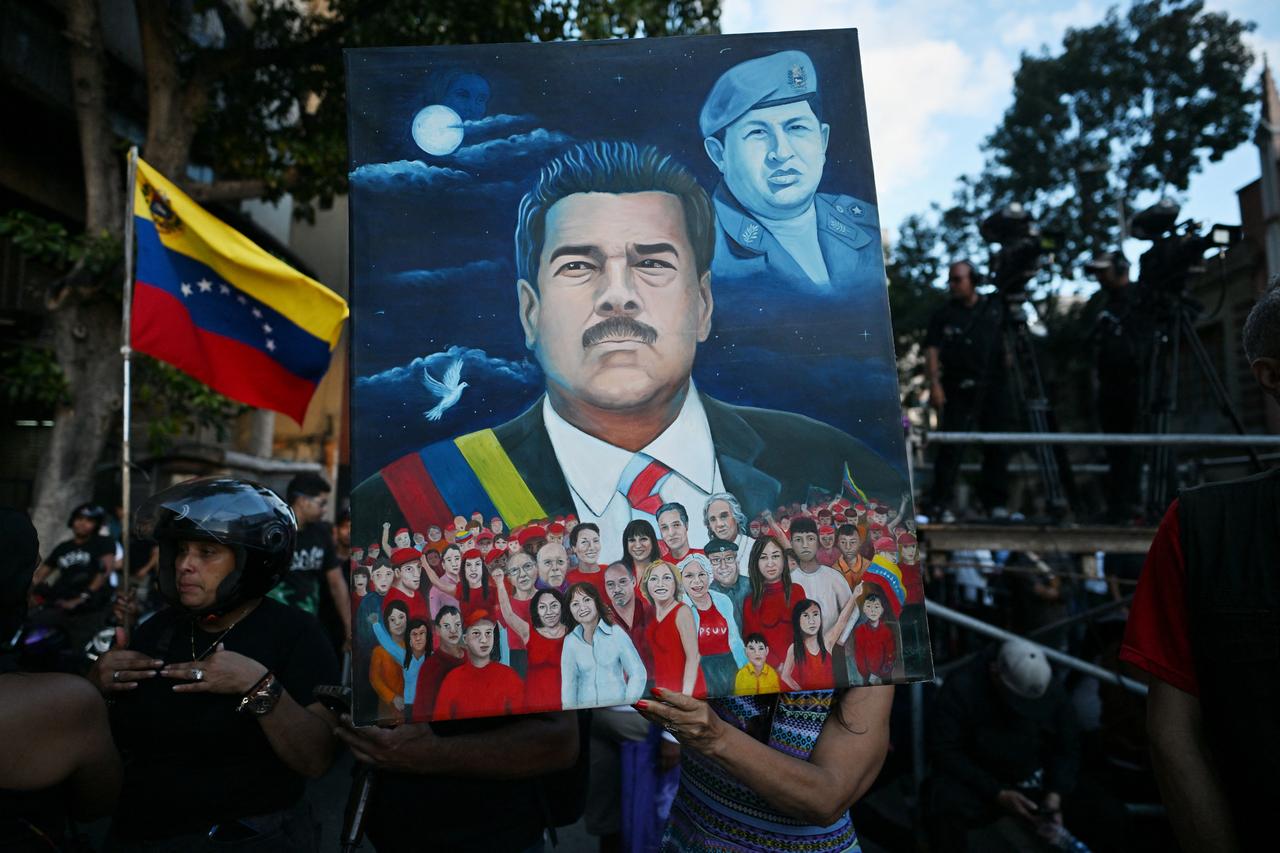
In the wee hours of Jan. 3, 2026, the United States executed what President Donald Trump called a "large-scale strike" against Venezuela, capturing President Nicolas Maduro and his wife, Cilia Flores, from their residence within the Fuerte Tiuna military installation in Caracas.
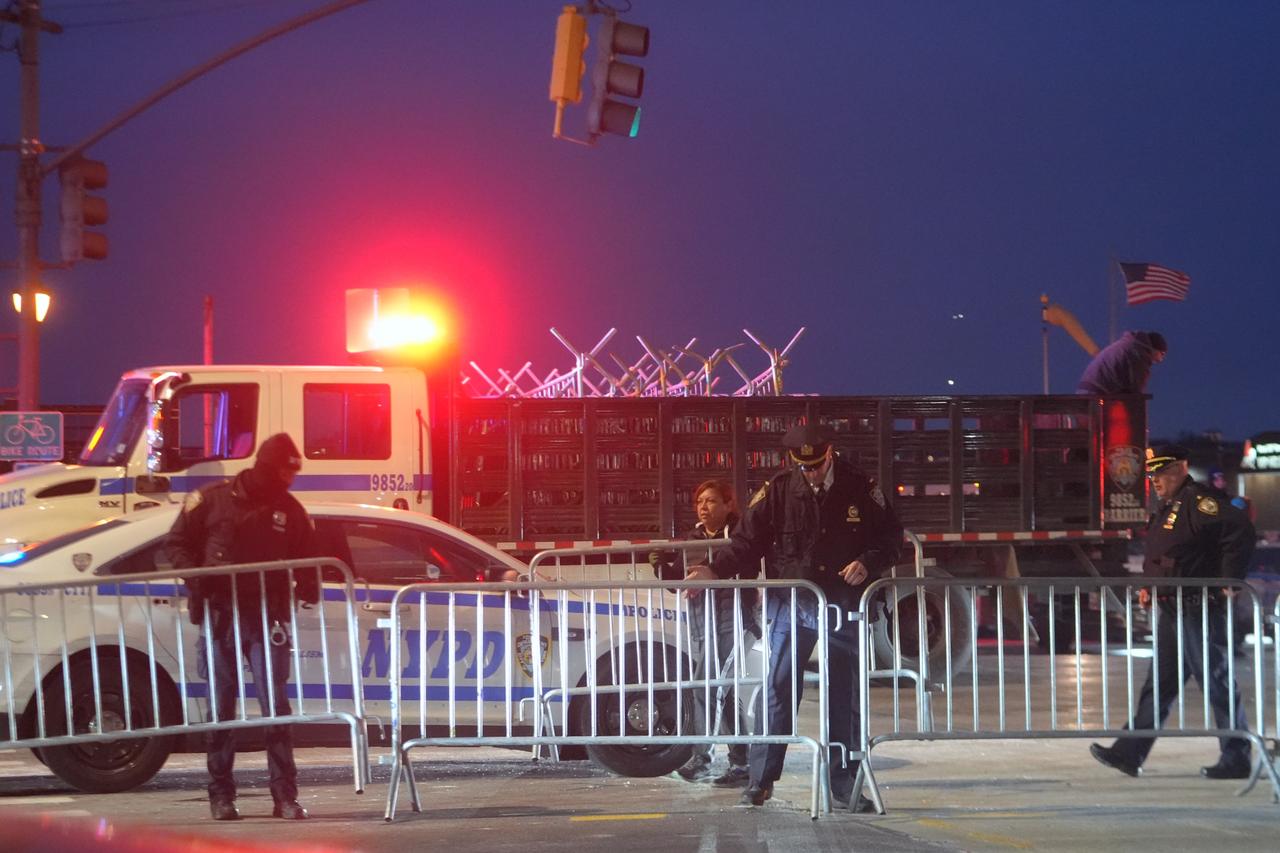
Within hours, the couple was transported to Guantanamo Bay and subsequently flown to New York to face narco-terrorism charges in federal court.
The operation, while celebrated by some as a decisive blow against an authoritarian regime, raises profound questions about the future of international law and the dangerous precedent it establishes for global order.
The Trump administration and its supporters have drawn parallels to Operation Just Cause, the 1989 invasion of Panama that resulted in the capture of Manuel Noriega. The comparison, however, obscures a crucial distinction. Noriega, while wielding de facto power in Panama, was never the country's formal head of state.
He ruled through puppet presidents, manipulating the political system from his position as commander of the Panama Defense Forces.
When U.S. forces extracted him to face drug trafficking charges in Miami, they were seizing a military strongman, not an internationally recognized president.
The case of Saddam Hussein offers another instructive contrast. Following the 2003 invasion of Iraq, the deposed Iraqi president was captured by American forces near his hometown of Tikrit. Crucially, however, Saddam was tried by an Iraqi court, not an American one.
He faced judgment from his own people, under Iraqi law, for crimes committed against Iraqi citizens. Whatever one may think of the invasion itself, the subsequent legal process at least paid formal respect to Iraqi sovereignty and the principle that a nation's leader should answer to that nation's justice system.
Maduro's case is qualitatively different. Here we have a sitting head of state physically seized from his own territory and transported to a foreign country to face that country's domestic criminal charges.
This is not regime change followed by local accountability. This is the extraterritorial abduction of a sovereign nation's president for prosecution under another nation's laws.

 1 min read
Under customary international law, sitting heads of state enjoy absolute personal immunity (ratione personae) from foreign criminal jurisdiction. This principle, affirmed by the International Court of Justice in the Arrest Warrant case of 2002, exists not to protect individual leaders but to ensure the functional equality of states and the stability of international relations. The immunity attaches to the office, not to moral approval or diplomatic recognition.
The U.S. administration has attempted to circumvent this framework through a strategy of non-recognition. By designating Maduro as the head of a "foreign terrorist organization" rather than a legitimate president, Washington argues it was arresting a criminal, not a head of state.
This reasoning, however elegant in its circularity, fails under international legal scrutiny. Recognition is a political act that does not alter the territorial rights of a state.
Even when recognition is withdrawn, the territorial integrity and political independence of that state remain fully protected under international law. A dispute over legitimacy does not dissolve sovereignty.
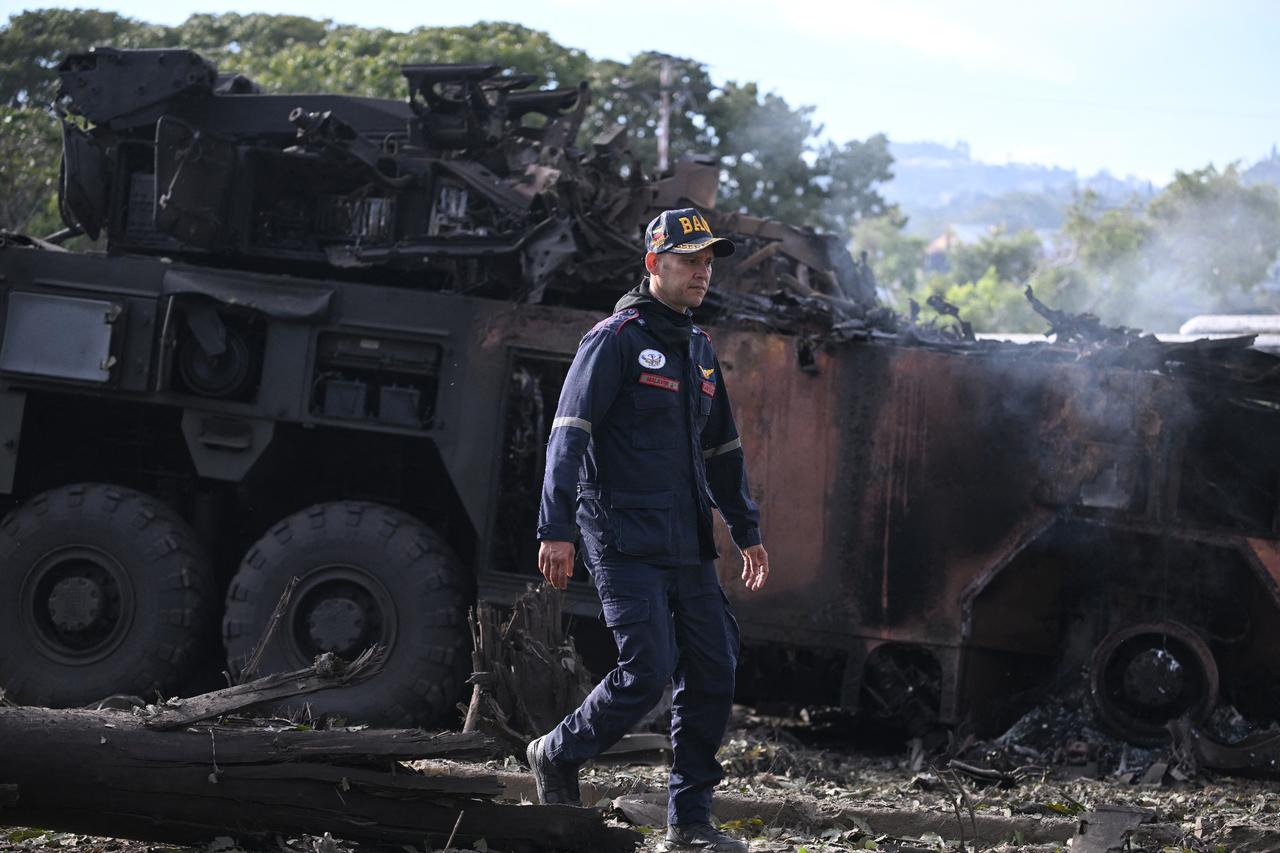
Article 2/4 of the U.N. Charter prohibits the threat or use of force against the territorial integrity or political independence of any state. The overnight military operation in Caracas—involving airstrikes, special operations forces, and the physical seizure of Venezuela's president—represents a textbook violation of this foundational principle.
Defenders of the operation point to Maduro's disputed electoral mandate and his government's documented human rights abuses. These concerns are legitimate. The 2024 Venezuelan elections were widely questioned, and opposition leader María Corina Machado was barred from running.
But the argument that illegitimate leaders forfeit the protections ordinarily afforded to heads of state opens a Pandora's box of dangerous possibilities.
Who decides legitimacy? The United States recognized opposition leader Juan Guaido as Venezuela's legitimate president from 2019 to 2023, a recognition that proved entirely aspirational and was eventually abandoned.
If military intervention becomes permissible whenever a powerful state deems another's government illegitimate, the principle of sovereign equality collapses into a hierarchy of approval determined by geopolitical strength.
The most troubling aspect of the Maduro operation is not what it achieves but what it enables. International law functions through reciprocity and precedent. When the world's most powerful nation demonstrates that heads of state can be seized through military force and subjected to domestic criminal prosecution, it creates a template for others to follow.
China has already condemned the operation as "hegemonic behavior" that "seriously violates international law." But Beijing's objection is not merely rhetorical. China maintains claims over Taiwan and has consistently argued that the island's government lacks legitimacy.
If the United States can seize a Latin American president on charges of narco-terrorism, what prevents China from claiming similar authority over leaders it deems illegitimate or criminal?
Russia, too, watches with keen interest. Moscow has labeled Ukraine's post-2014 governments as illegitimate and has accused Ukrainian leaders of various crimes against Russian-speaking populations. The Maduro precedent provides a ready-made legal template for actions Russia might wish to take.
As former Italian Prime Minister Giuseppe Conte observed, "If rules only apply to enemies and not to friends, no one can feel safe anymore." The international order, such as it exists, depends on the consistent application of principles. Once those principles become selective tools of the powerful, they cease to constrain anyone.
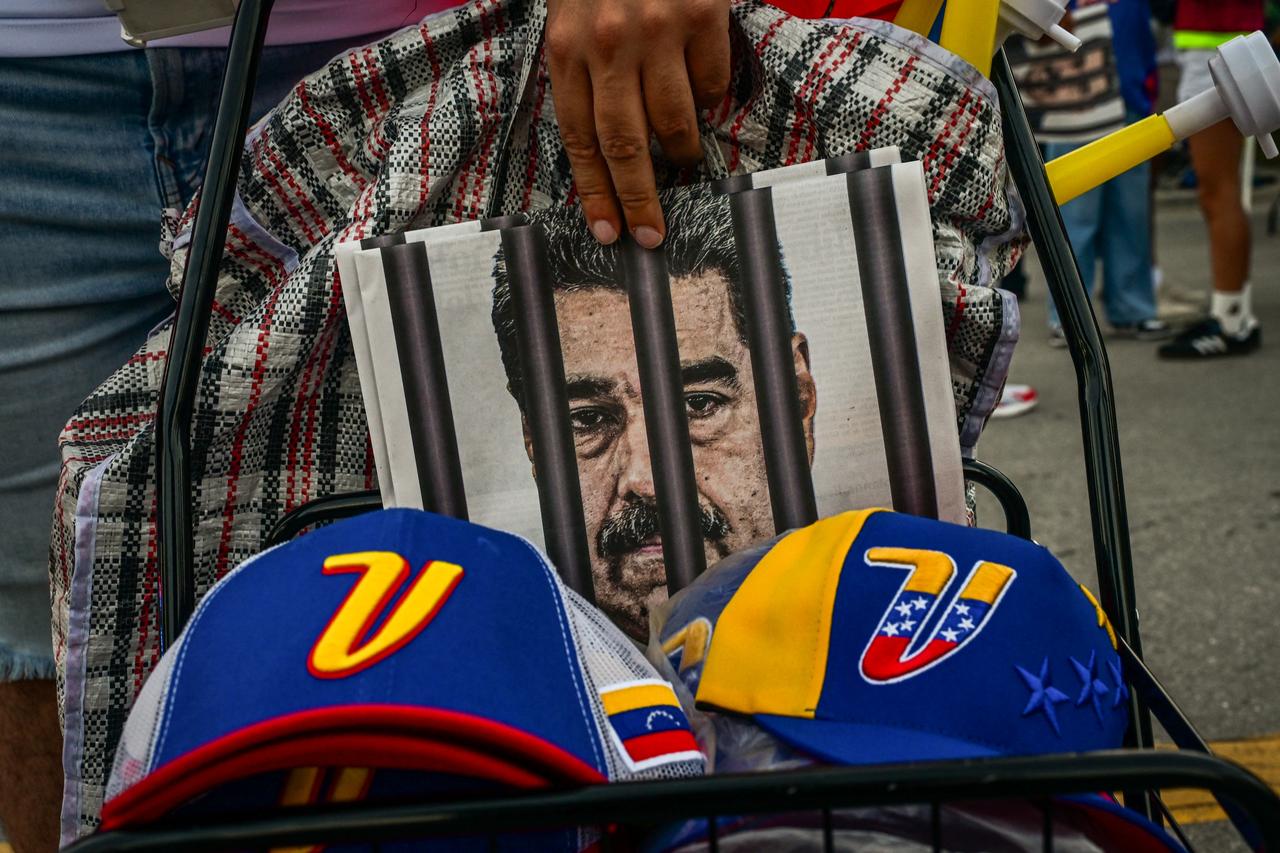
Within the American legal system, Maduro will find little procedural refuge. Under the Ker-Frisbie doctrine, U.S. courts can exercise jurisdiction over defendants regardless of how they were brought before the court—even if their capture violated international law.
This principle, established in nineteenth-century cases and reaffirmed in United States v. Alvarez-Machain (1992), means that Maduro's attorneys cannot challenge his prosecution based on the illegality of his seizure.
This legal reality underscores the fundamental asymmetry at play. The United States can violate international law to seize a foreign leader, then prosecute that leader in domestic courts that refuse to consider whether the capture was lawful. The system is internally consistent but externally destabilizing.
Nicolas Maduro is not a sympathetic figure. His government has presided over economic collapse, political repression, and the exodus of millions of Venezuelans. Many may celebrate his removal from power.
But the manner of that removal matters enormously for the international system that governs relations among states.
U.N. Secretary-General Antonio Guterres correctly identified the operation as establishing "a dangerous precedent." French Foreign Minister Jean-Noel Barrot noted that "no lasting political solution can be imposed from the outside." These are not defenses of Maduro but recognitions that the architecture of international order serves essential functions.
The post-World War II international system was constructed precisely to prevent powerful states from using force to impose their will on weaker ones.
The prohibition on the use of force, the principle of sovereign equality, and the immunity of heads of state. These are not mere technicalities but foundations of a system designed to prevent the chaos of great-power competition.
In a world where the seizure of heads of state becomes normalized, where sovereignty exists only for those strong enough to defend it, every nation becomes more vulnerable.


 Set as preferred source
 Set as preferred source


 1 min read