Newsletters




This article was originally written for Türkiye Today’s weekly economy newsletter, Turkish Economy in Brief, in its June 29 issue. Please make sure you are subscribed to the newsletter by clicking here.
At a time when the world is experiencing major political and economic shifts and the Middle East remains engulfed in turmoil, Central Asia is increasingly emerging as one of the most attractive destinations for Turkish companies. One of the latest and most notable examples is the energy investment in Kyrgyzstan by Orta Asya Investment, a subsidiary of Ihlas Holding.
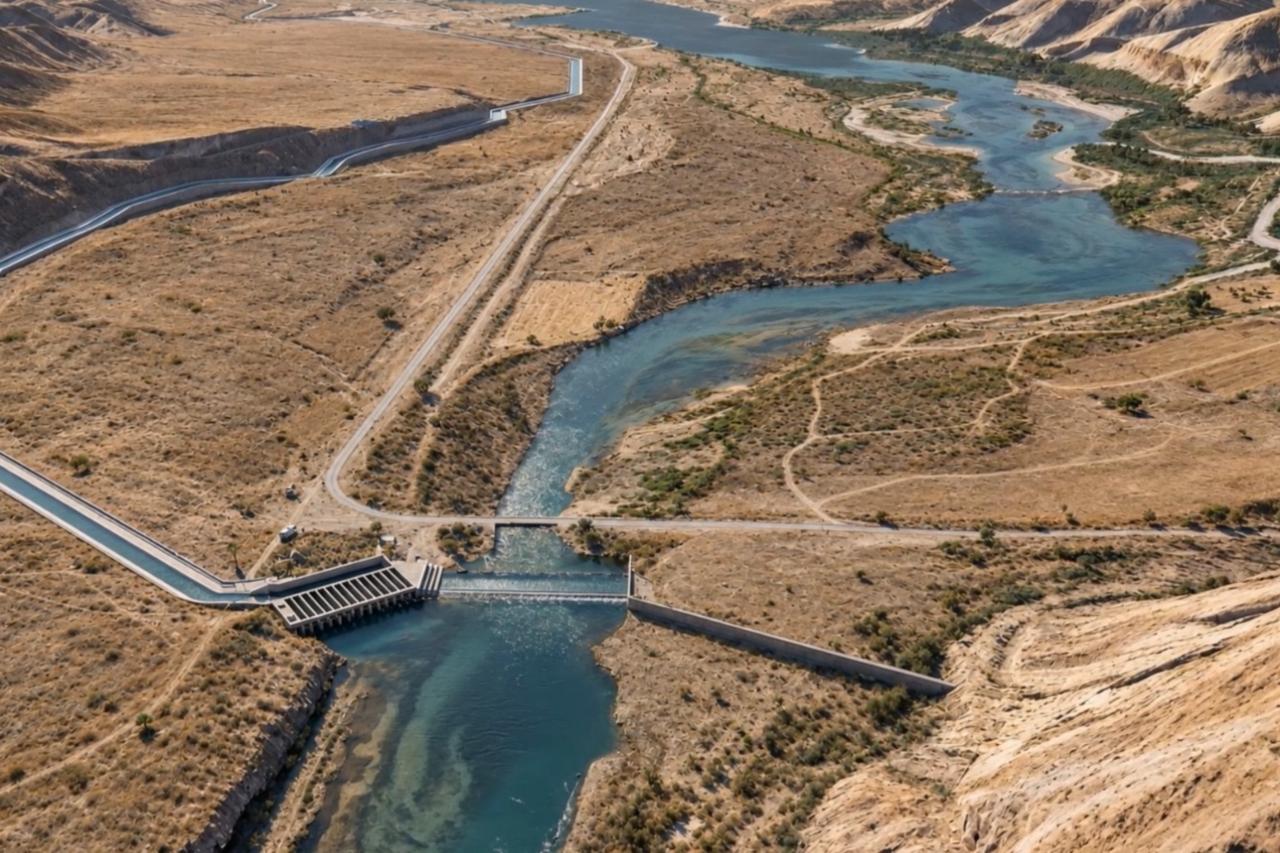
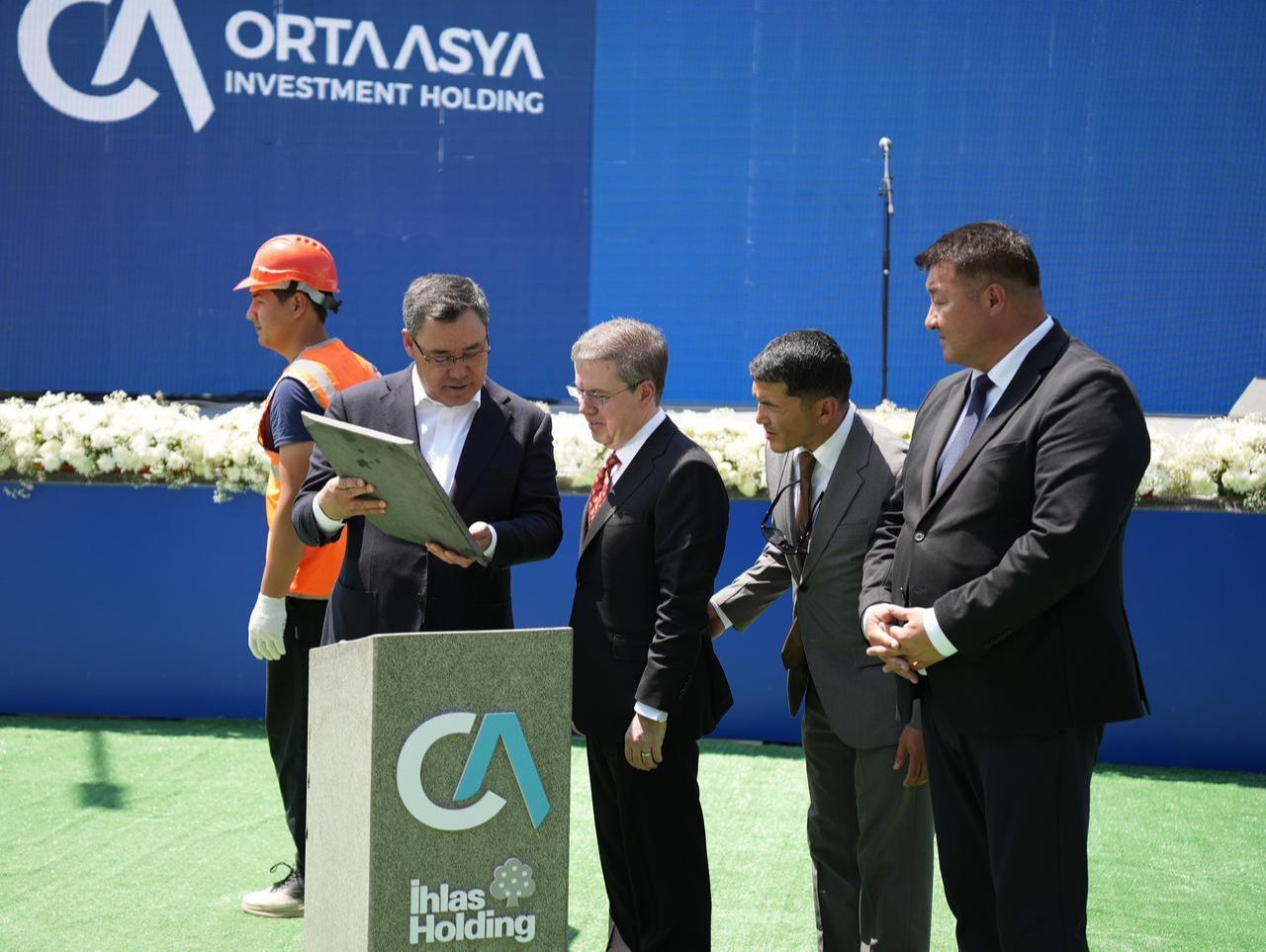
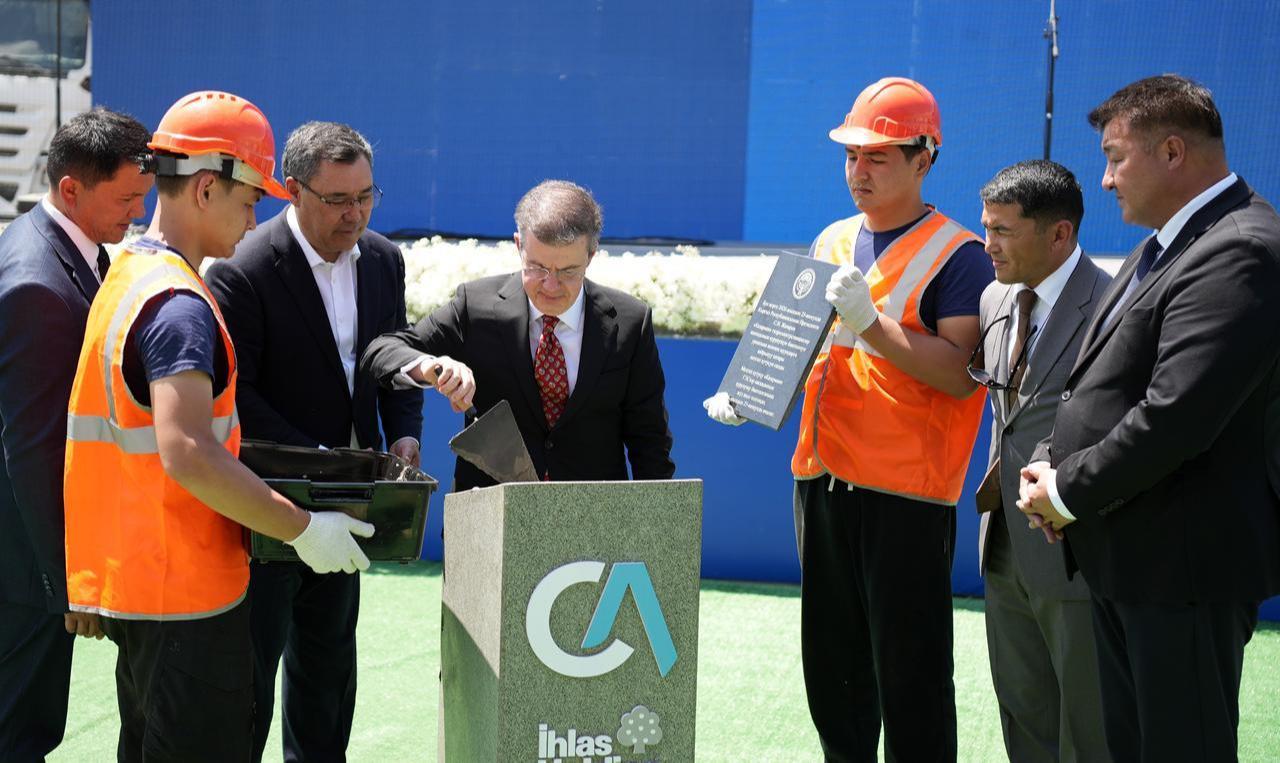
The groundbreaking capsule ceremony for the Kazarman Hydropower Project, which is expected to increase Kyrgyzstan's electricity generation by 20%, was held in the Kazarman region on June 25. The investment also supports the goals of the Organization of Turkic States, which seeks to promote economic integration and investment among Turkic nations.As the Zangezur Corridor moves closer to becoming operational and strengthens the Middle Corridor, projects such as Kazarman are increasingly seen as part of a broader effort to position Central Asia as both an energy and logistics hub connecting Europe and Asia.
That shift also reflects wider changes in global energy markets. In previous remarks to Türkiye Today, Ihlas Holding Executive Chairman Ahmet Mucahid Oren said the Russia-Ukraine war first exposed Europe's energy vulnerabilities, while the recent crisis in the Gulf further intensified concerns over energy security and accelerated the search for alternative suppliers.
He argued that disruptions affecting LNG infrastructure in the region have reinforced the need to diversify energy sources and transport routes, bringing Central Asia back into focus as a strategically important partner for Europe and Türkiye.

The project is seen as Kyrgyzstan's broader push to unlock its largely untapped hydropower potential and strengthen long-term energy security through large-scale renewable investments. The venture is one of the country's few major hydropower developments with a realistic chance of completion due to committed investors and strong government backing, according to independent Kyrgyz energy expert Myrzatai Sultanaliev.
The World Bank also identifies the Kazarman project as one of Kyrgyzstan's flagship undeveloped hydropower assets, highlighting its expected contribution to renewable electricity generation and long-term energy security.
Speaking at the ceremony, Ihlas Holding Chairman Ahmet Mucahid Oren said the Kazarman Hydropower Plant is not only an energy investment but also a strategic investment in Kyrgyzstan's future.
"Today, we are not simply holding the capsule ceremony for a major hydropower plant. We are also strengthening the foundations of a historic vision that will shape Kyrgyzstan's economic future, energy independence and regional influence," he said.
According to figures shared by Oren and the company:
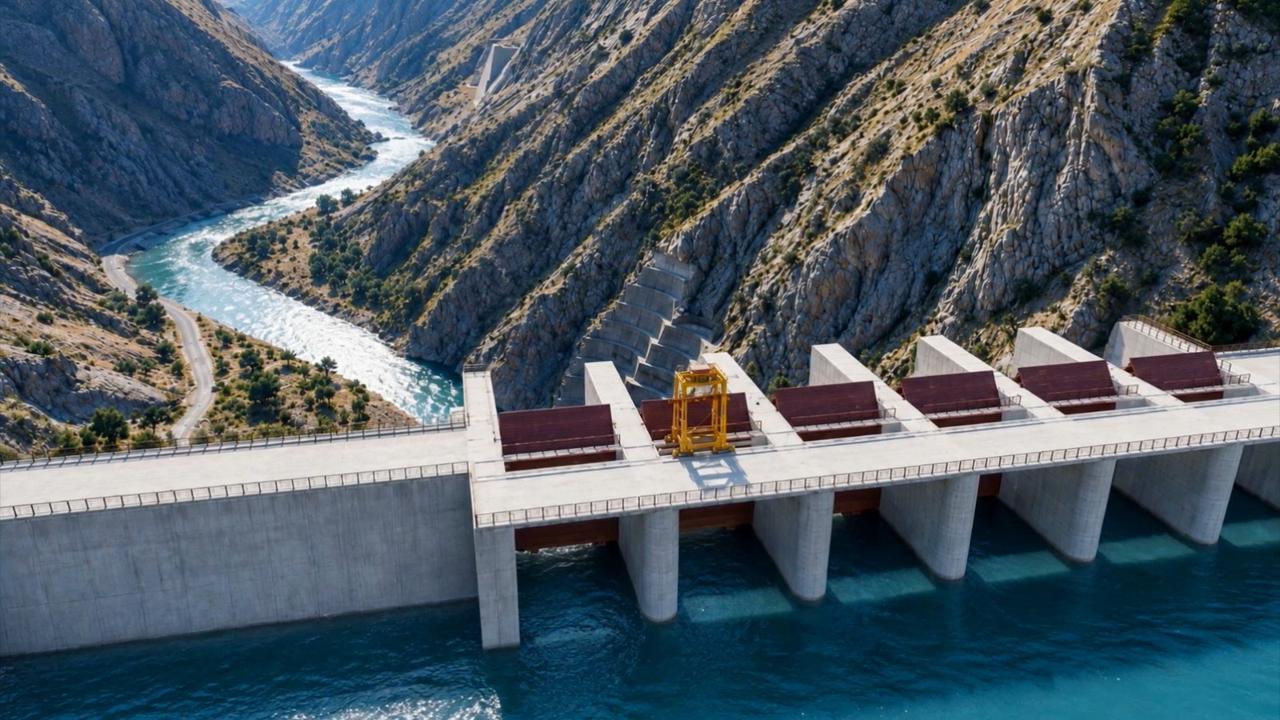
In every aspect, the project is designed to meet today's energy needs while supporting Kyrgyzstan's long-term growth ambitions, serving as a strong example of strategic partnership. Alongside electricity generation, it is expected to create lasting value through employment, technology transfer, and regional development.
The project also includes 20-year operating rights and state-backed electricity purchase guarantees.
Once completed, the facilities are expected to reduce carbon emissions by approximately 5 million tons annually while also creating new opportunities for Kyrgyzstan's electricity exports.


 Set as preferred source
 Set as preferred source



 7 min read