Newsletters


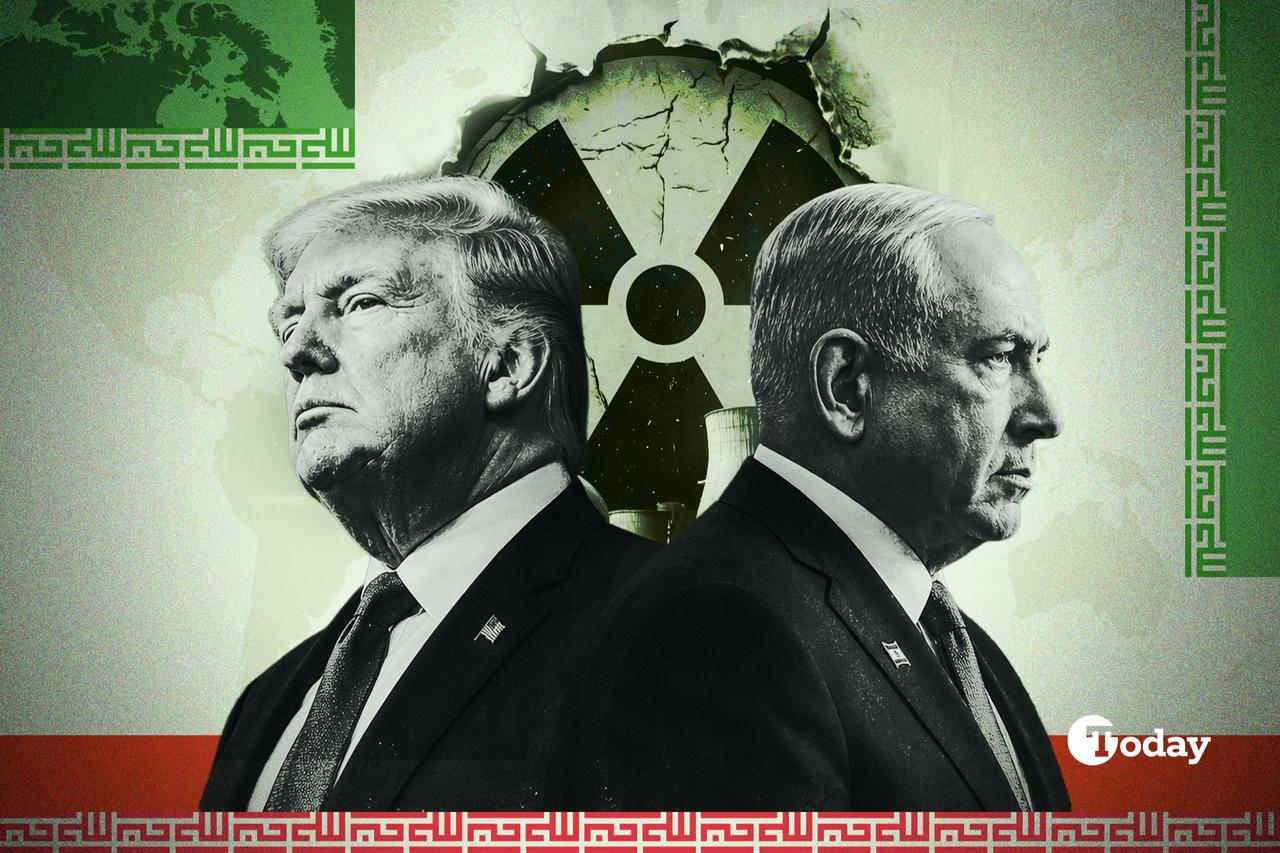


In 1984, Iron Maiden released "2 Minutes to Midnight," a warning about the ease with which political calculation can turn into collective annihilation through nuclear weapons.
Its title is a reference to the Doomsday Clock, the symbolic measure of humanity’s proximity to catastrophe, devised and managed by the Bulletin of the Atomic Scientists.
In January 2026, the clock was set at 85 seconds to midnight, closer than ever before. The image is metaphorical, not predictive. Yet as Washington and Tel Aviv contemplate another confrontation with Tehran, it feels disturbingly relevant.
The immediate trigger is an extraordinary claim by Tucker Carlson, conservative political commentator and long-time supporter of Donald Trump.
In his post on X on Nov. 1, Carlson claimed that Israeli Prime Minister Benjamin Netanyahu is pressing President Donald Trump to authorize a nuclear strike on Pickaxe Mountain, the fortified underground complex near Natanz, possibly within days. Carlson attributes crucial details to unnamed sources.
First, Israel has already spent its best cards. The June 2025 war was the payoff of decades of patient investment: agent networks, smuggled drones and the targeting intelligence behind the killing of senior commanders and at least 14 nuclear scientists. Such assets are largely single-use.
Iran’s counterintelligence purge followed; Iranian media reported more than 700 arrests during those 12 days alone, and executions of alleged Mossad collaborators have continued into 2026. Whatever survives is smaller, more exposed and slow to rebuild.
Then came the second round, launched jointly by the United States and Israel in February 2026. Iran suffered severe military and leadership losses, including the death of Supreme Leader Ali Khamenei. Yet the regime survived. Its nuclear intentions remain unresolved. A ceasefire and memorandum of understanding did not produce a durable settlement, and intermittent attacks continued.
Meanwhile, Iran demonstrated an asymmetric lever that neither air superiority nor precision targeting could neutralize cheaply: disruption of the Strait of Hormuz. The consequences have extended from tanker casualties to energy prices, shipping costs and the economic stability of Gulf states.
This is the central strategic contradiction. The coalition achieved considerable destruction without obtaining a stable political end state. For some decision-makers, that may be evidence that the campaign should stop. For others, it may suggest that insufficient force was applied. The latter logic is particularly dangerous when the remaining target is an underground nuclear facility.
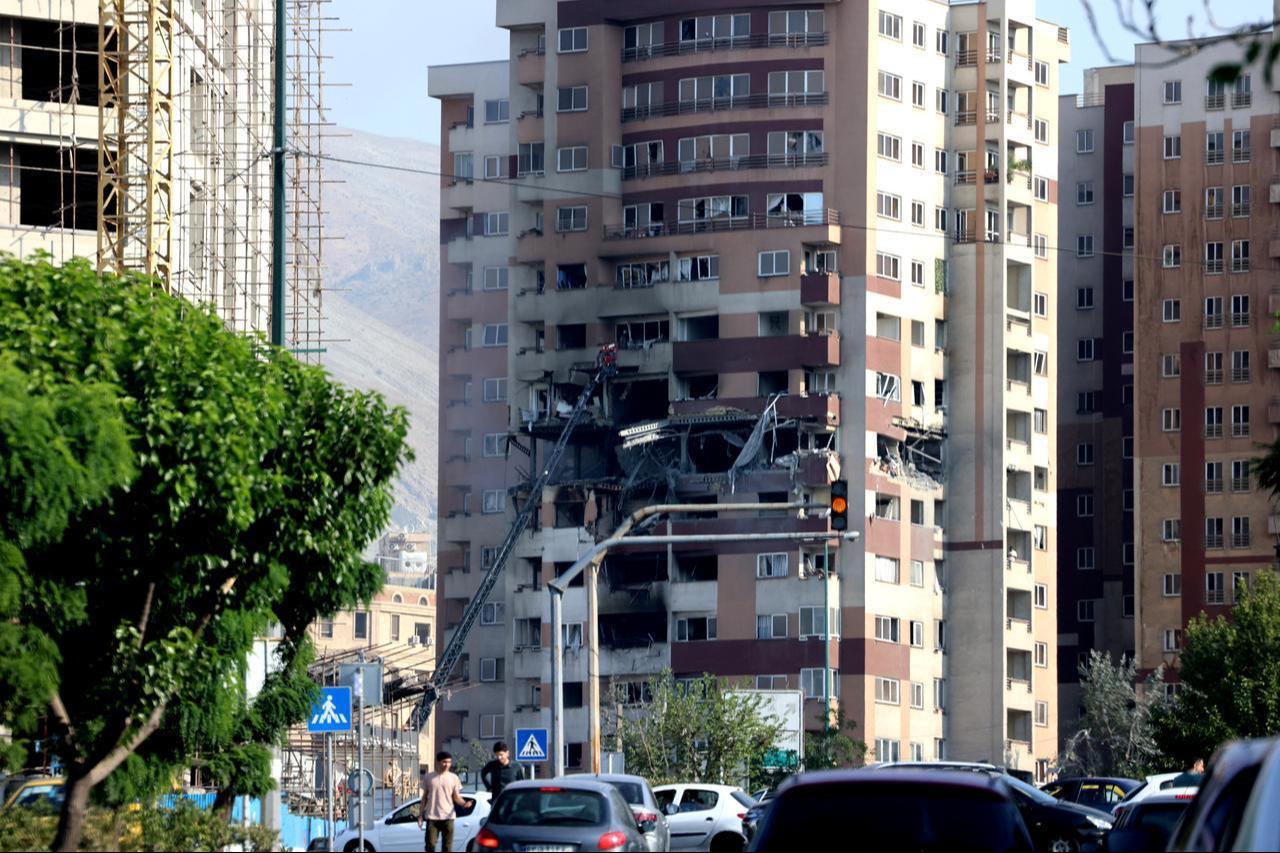

Consider the argument that may appeal to hardliners in Netanyahu’s circle or within the Trump administration, including military leaders responsible for the regional campaign: A wounded, humiliated Iran could become more determined than ever to acquire a nuclear deterrent. Therefore, the opportunity to destroy its remaining capacity must not be wasted. Carlson specifically alleges that Defense Secretary Pete Hegseth and CENTCOM commander Admiral Brad Cooper favor renewed combat, although this claim remains unverified.
This fear of an Iranian nuclear breakout is not irrational. Iranian strategic debates increasingly reflect the proposition that conventional missiles and regional proxies failed to prevent attacks on the homeland. But a preventive strike intended to stop proliferation could instead make the bomb seem indispensable. This is a security dilemma in its starkest and darkest form.
The greatest weakness in any such calculation is intelligence uncertainty.
Before June 2025, Israel and the United States enjoyed a comparatively developed, albeit imperfect, picture of Iran’s nuclear infrastructure, supplemented by international inspections. Today that picture is fractured.
The International Atomic Energy Agency has lost continuity of knowledge over previously declared enriched uranium, including roughly 440 kilograms enriched to 60%.
Inspectors cannot verify the material’s current disposition or determine confidently what Iran is doing inside key facilities. Bomb damage assessments are not substitutes for access, and satellite images cannot establish what is occurring beneath a mountain.
Pickaxe Mountain illustrates the problem.
Satellite analysis has documented intensified construction and fortification, but has not confirmed an operating enrichment plant. Its actual underground depth is uncertain.
Destroying it with conventional bunker-busters would be technically challenging; that does not make a nuclear strike the “only military option,” as Carlson suggests. Entrances could be disabled, operations disrupted, containment pursued or negotiations reopened. None promises certainty. Nuclear use would merely exchange one form of uncertainty for catastrophic new ones, including radioactive contamination, civilian casualties and an irreversible breach of the taboo against nuclear employment in war since 1945.
The political environment makes such choices more combustible.
Netanyahu emerged from Israel’s October election with a 53-seat bloc, short of the 61 needed to govern, and faces difficult coalition negotiations and continuing legal pressures.
Trump approaches the Nov. 3 midterms with weak approval ratings and a deeply unpopular Iran conflict.
Neither fact proves an appetite for escalation.
Political vulnerability can also favor compromise. But leaders under domestic pressure may become susceptible to narratives of decisive victory, especially when previous claims of success have collided with stubborn strategic realities.
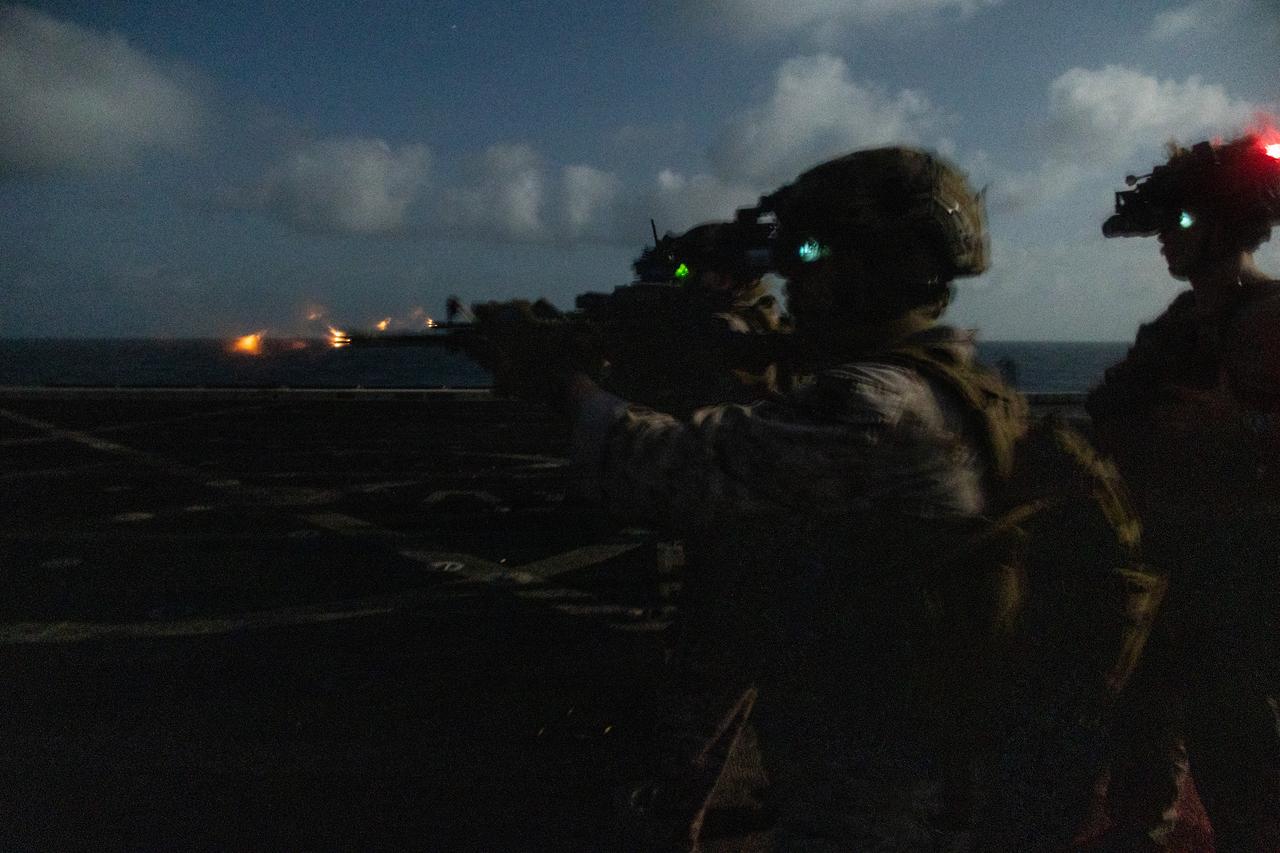
First, if Netanyahu persuades Trump, what happens inside the American chain of command? Launch authority rests with the president alone. The secretary of defense has no veto, and Congress has no role in the moment. The only formal brake is the military’s duty to refuse a manifestly unlawful order, judged against necessity, distinction and proportionality.
Yet the legal hedge already exists: Washington’s negative security assurance excludes states that violate their non-proliferation obligations, and the IAEA Board found Iran non-compliant in June 2025. What remains unknown is whether an officer corps reshaped by dismissals since 2025 would push back.
Second, what if Trump says no and Netanyahu acts alone? Israel is estimated to hold around 90 warheads, deliverable by missile, aircraft and possibly submarine. The record so far suggests restraint: Netanyahu called off a strike in June after Trump warned that Israel would be on its own, and the Financial Times reports he shelved another in early October at Trump’s insistence. But a leader facing the end of his career may weigh things differently.
An Israeli nuclear strike would end more than half a century of nuclear ambiguity, wreck Israel’s regional normalization and hand Iran’s hardliners their ultimate argument. A deterrent built to guarantee Israel’s survival would become the region’s case for proliferation.
Third, what if North Korea has already filled the gap? Pyongyang’s Nodong became Iran’s Shahab-3, and North Korea helped build the Syrian reactor Israel destroyed in 2007. South Korean intelligence assesses that Pyongyang is not currently helping Iran reconstitute. I hold that view with low confidence, because absence of evidence in a denied environment is not evidence of absence. A single transfer of fissile material, a warhead design or test data would collapse every timeline, and no strike on Pickaxe Mountain, conventional or nuclear, would touch it.
The real danger is not that nuclear war has become inevitable. It is that decision-makers may increasingly regard it as a technically conceivable solution to a strategically insoluble problem. Repeated strikes degrade facilities; they do not erase scientific knowledge, political motives or the incentives to rebuild. Furthermore, successive military campaigns may have actually degraded intelligence confidence while increasing political pressure for further escalation.
Perhaps the real risk here is that neither Netanyahu nor Trump possess the wisdom, mental health, and cognitive ability to fully comprehend the risks and outcomes associated with their decisions.
Both Iron Maiden and concerned scientists warned of two minutes to midnight. The clock now reads 85 seconds.
The countdown is not a prophecy.
It is a warning that human decisions, particularly those made under pressure and in the fog of intelligence, can move the clock.


 Set as preferred source
 Set as preferred source


 5 min read