Newsletters




"Gravy train" is old American rail slang for a job so easy men used to fight over the assignment sheet for it: good pay for a soft run.
For 80 years Europe rode America's gravy train: security guaranteed, trade privileged. The alliance felt like a fact of geography, not a policy that could be revoked. Donald Trump's first term has been one long reminder that trains can be rerouted.
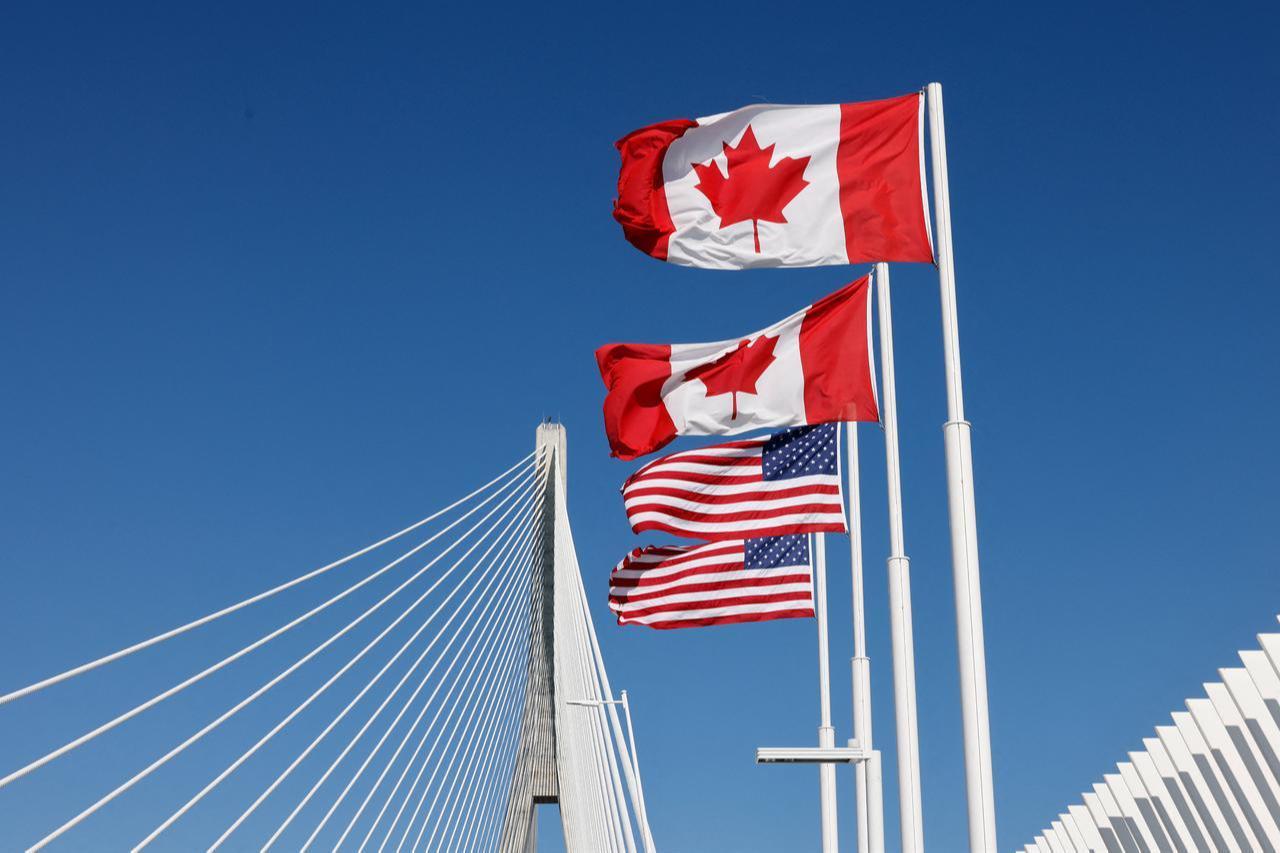
Ottawa, tariffed and needled by talk of becoming the "51st state," has offered itself as the replacement carriage, and Finnish President Alexander Stubb has said on Canadian television that he'd rather see Canada as the EU's 28th member than America's next one.
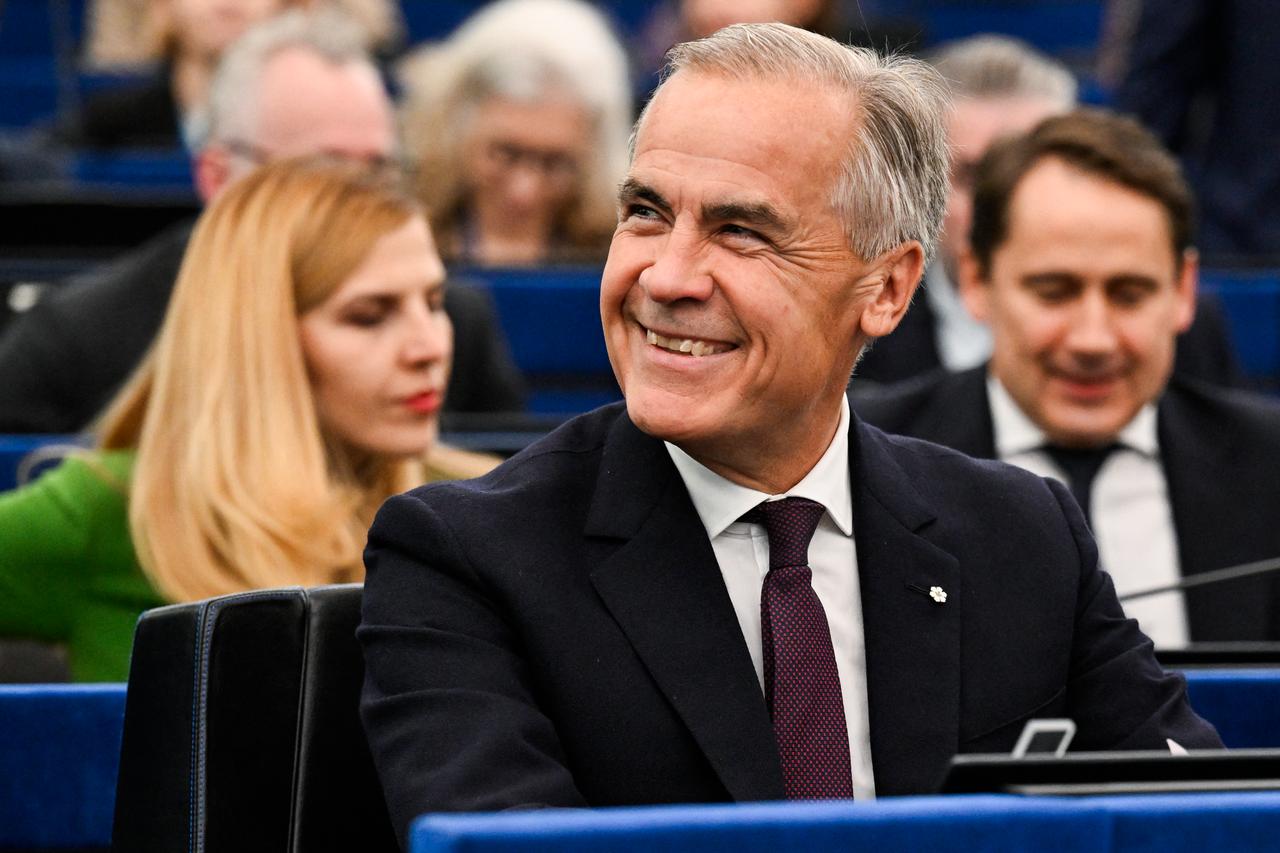
Mark Carney's week told its own story before he ever reached Brussels. Paris came first, where he called Canada "the most European of non-European countries."
Davos came next, where his speech on middle powers read like an open letter to every capital in the EU nervous about Washington.
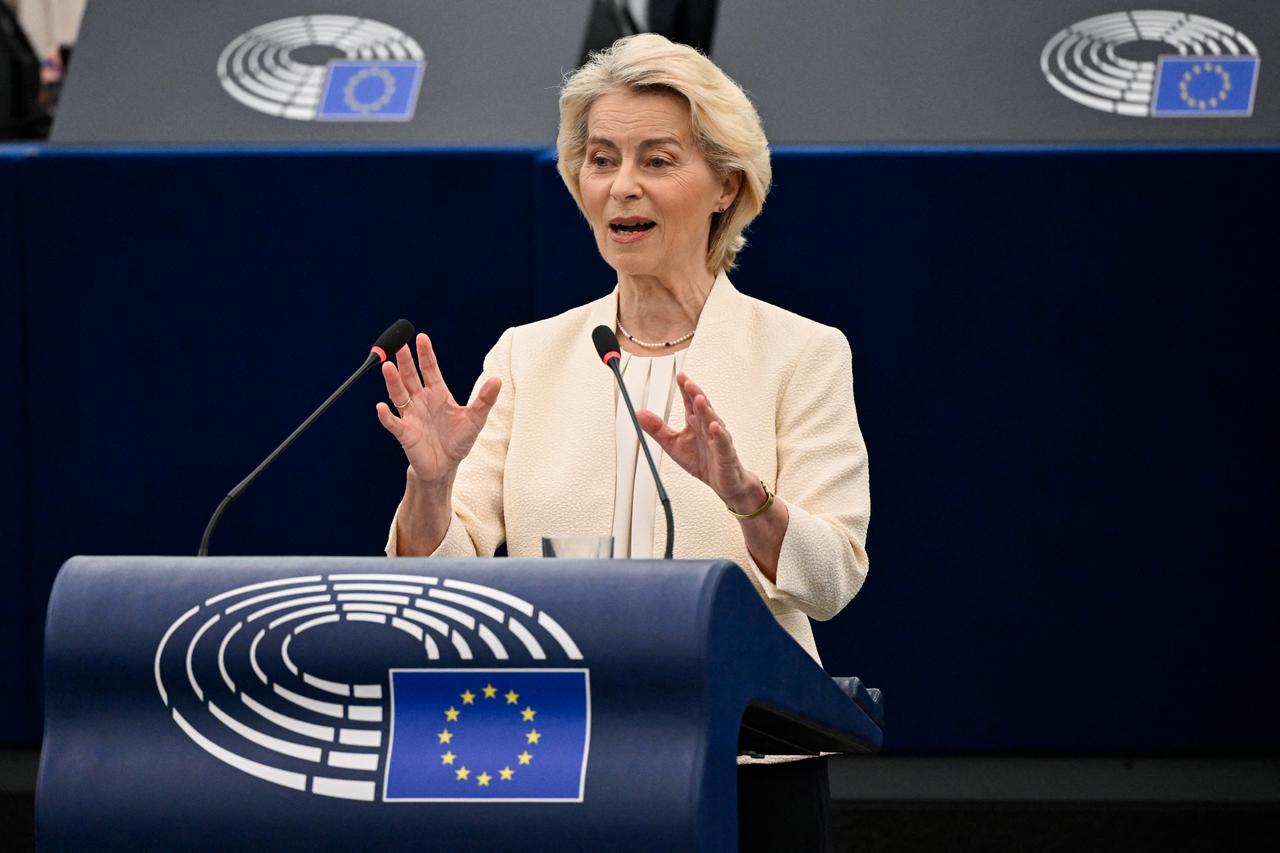
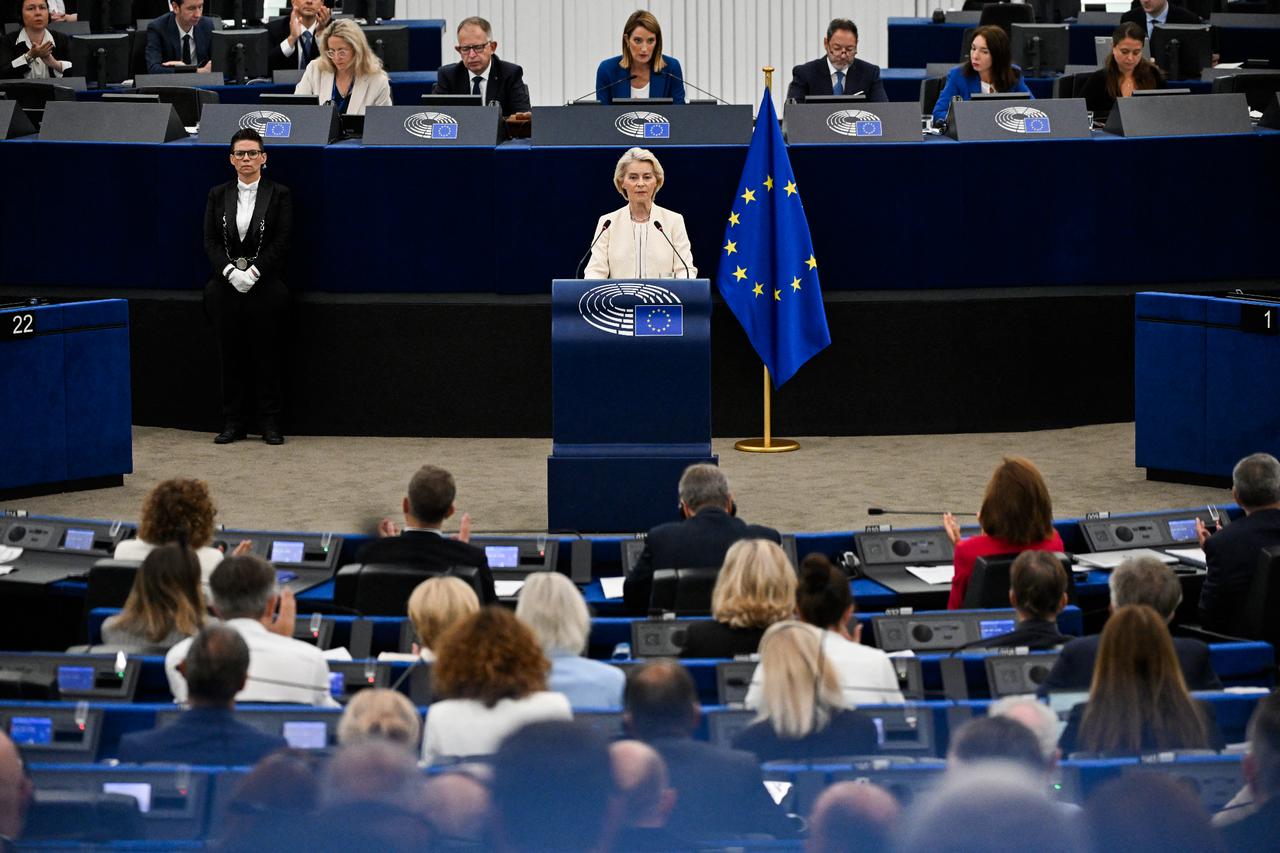
Brussels was the finale: Carney flew in for Ursula von der Leyen's State of the Union address, then took the podium of the European Parliament himself. It became the stage for a historic moment, as Von der Leyen—the president of the European Commission—said she wanted to open the door to Canada becoming the EU's first "associate member" in a push to forge new links among allies in "an openly hostile world."
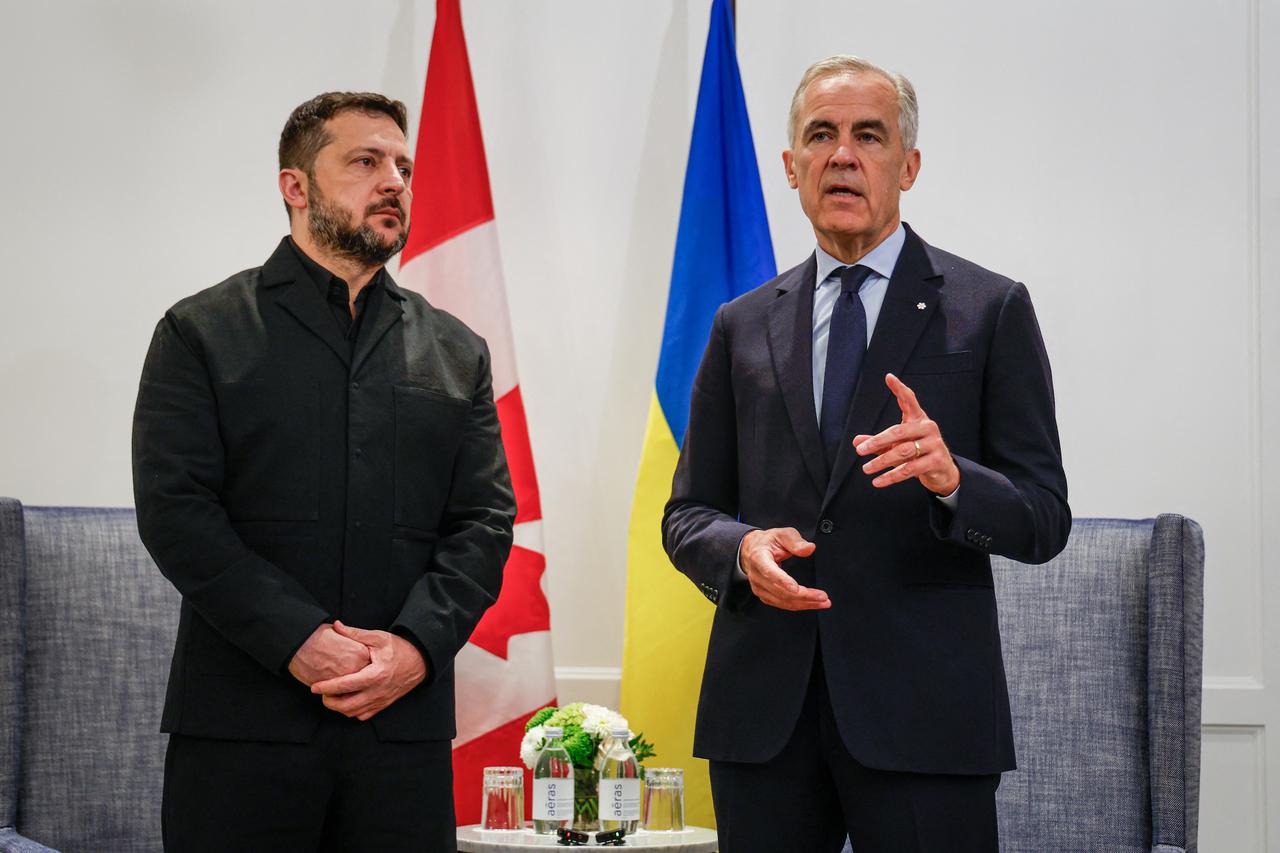
For an American audience, the interesting part isn't the itinerary. It's what Ottawa is discussing once it gets there: a new defense architecture, underwater cables linking Canada to Europe directly, and joint satellite infrastructure built specifically to route around American tech firms.
Some of this is already happening quietly, well short of any grand alliance. Canada joined the EU's SAFE defense-lending program this year. The Canadian Broadcasting Corporation is now inside the European Broadcasting Union. None of that required a treaty.
The mechanism allows Canada to get further than most Americans would guess, because the EU has a whole menu of partial memberships short of the real thing. Iceland has visa-free travel with the bloc despite sitting outside it entirely.
Norway and Liechtenstein sit inside the single market while staying outside the union. Switzerland gets the same result through bilateral treaties instead. The closest match for Ottawa may be the deals the EU struck with Andorra and San Marino, letting both operate inside the single market while gradually matching its rules, no accession required.
Canada could join outright; there's precedent for stretching the definition of "European." The EU's founding treaty limits membership to "European states" and never defines the phrase. When the bloc's predecessor tried to pin it down in 1992, it gave up, ruling only that "European" "combines geographical, historical and cultural elements."
Greek Cyprus sits closer to West Asia than to the European mainland. Türkiye has held candidate status for decades despite the same objection.
Geography was never going to be the obstacle.
Politics is.
Granting visa-free travel to a country with one of the world's most liberal immigration systems is a hard sell to member states currently reimposing border checks on each other inside Schengen.
A trade deal the EU and Canada signed more than 10 years ago, CETA, still hasn't been ratified by 10 of the bloc's own members.

But the real question to ask is this: where does walking hand in hand with Europe actually leave Canada? Europe’s current leaders have a vision of their own, one that aligns well enough with Canadian leadership and public opinion for now.
Yet while this vision claims roots in the values of what’s left of the "liberal international order," those foundations are easily shaken by today’s realities. The Canadian public may favor a leadership sharing that vision for decades to come, but governments across Europe are shifting rightward by the day. It’s a familiar story: Le Pen in France, Alice Weidel in Germany.
Beneath the rhetoric and glorious welcomes lies a colder strategy: Brussels may be preparing to turn Canada into Europe’s next economic hinterland. Capitalizing on Ottawa’s post-Trump isolation and identity anxieties, the EU is dangling symbolic titles like "associate membership" that offer prestige without a vote.
In practice, this arrangement lets Europe outsource its industrial and security burdens. Under the guise of an expanded CETA, a Europe struggling with Green Deal mandates and soaring energy costs risks reducing Canada to a convenient resource cache, extracting raw minerals and hydrogen to power European factories while dumping high-value manufactured goods back into the Canadian market.
By drawing Canada into defense initiatives like SAFE and PESCO, Brussels might as well leverage Canadian taxpayer dollars to subsidize French and German defense contractors, shaping a partnership tailored primarily to European needs.
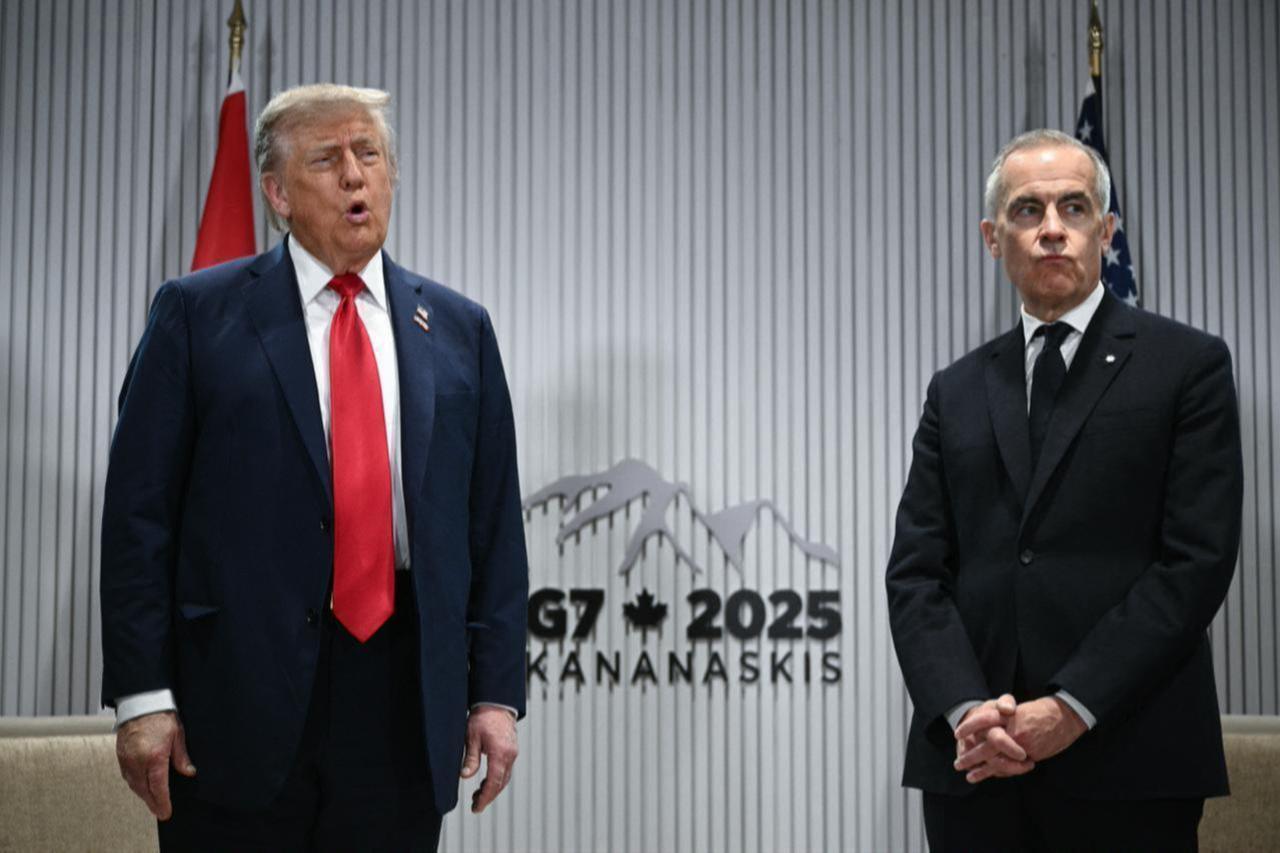
There are barriers for the EU to overcome even though Canada would be fine with the deal. Some capitals will balk simply because warming up to Ottawa reads in Washington as a provocation, and Europe has spent the Trump years flinching from exactly that kind of signal.
There's a moral hazard sitting underneath all of it: give Canada a generous deal short of membership, and every other state on Europe's edge learns the smart move is holding out for its own bespoke arrangement instead of accepting the obligations that come with joining.
Iceland voting against restarting its own accession talks looked a lot like a country betting it could get the good parts without the rest.
The real ceiling has nothing to do with Canada. It's that the EU has never figured out how to pool sovereignty fast enough to act like one player against Washington or Beijing, and adding an outsider to that arrangement doesn't fix the underlying problem.
The old rail yards had a saying too: grab a seat on the gravy train while the seats last. Trump's tariffs may be the reason a $2 trillion economy just started reading the European timetable, but reading a timetable and boarding the train are different things, and Brussels has never been in a hurry to sell tickets.


 Set as preferred source
 Set as preferred source


 1 min read
 1 min read