Newsletters


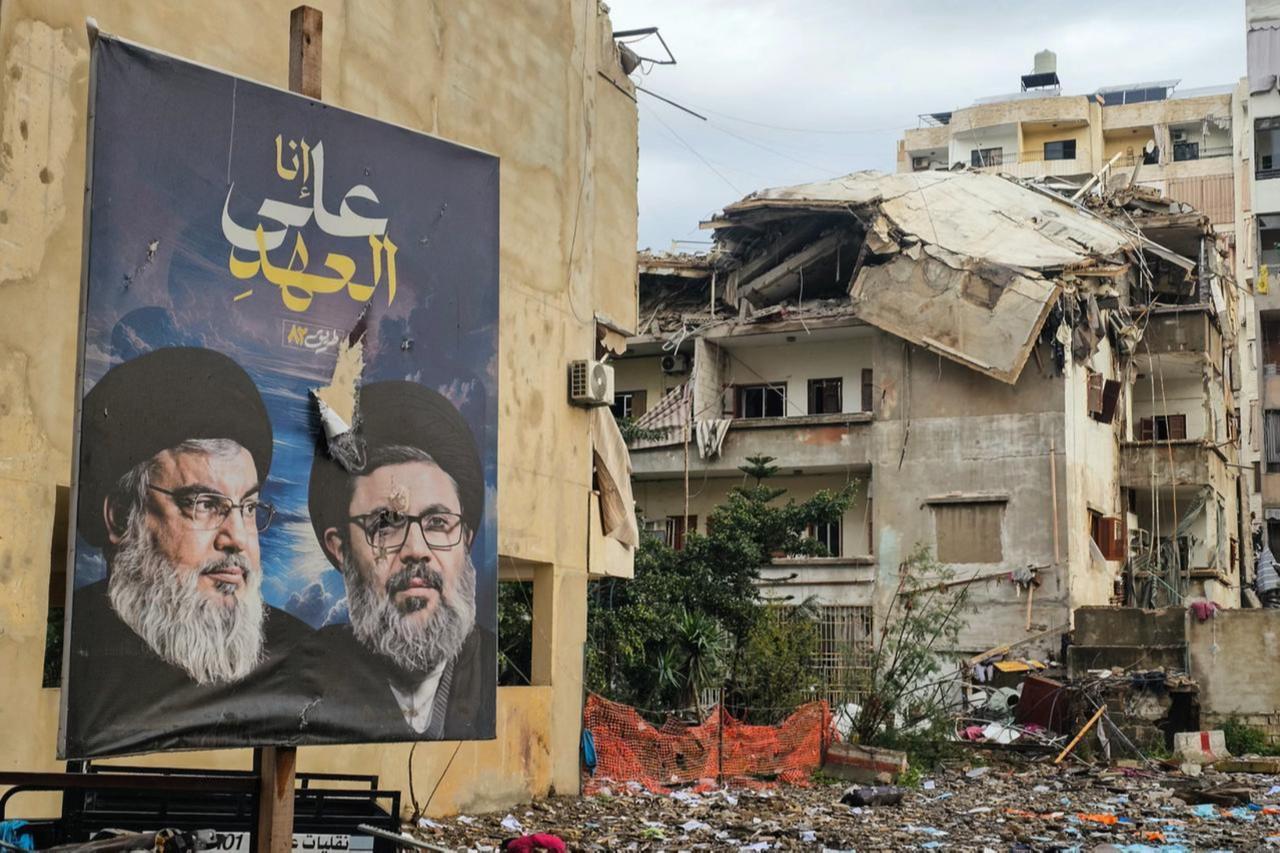


Israel’s foreign and defense policy dilemmas since the turn of the 21st century can be summed up as “getting into wars with poorly defined political goals”—at least that was the case until the attacks of Oct. 7, 2023.
Hamas’s actions on Oct. 7 convinced Israel that its best defense against regional adversaries would be preemptive strikes, or in the case of immediate neighbors, land grabs, ethnic cleansing, and even genocide.
The ongoing joint war with the U.S. against Iran—namely, the airstrikes against an oil facility in Tehran—added environmental destruction to that list.
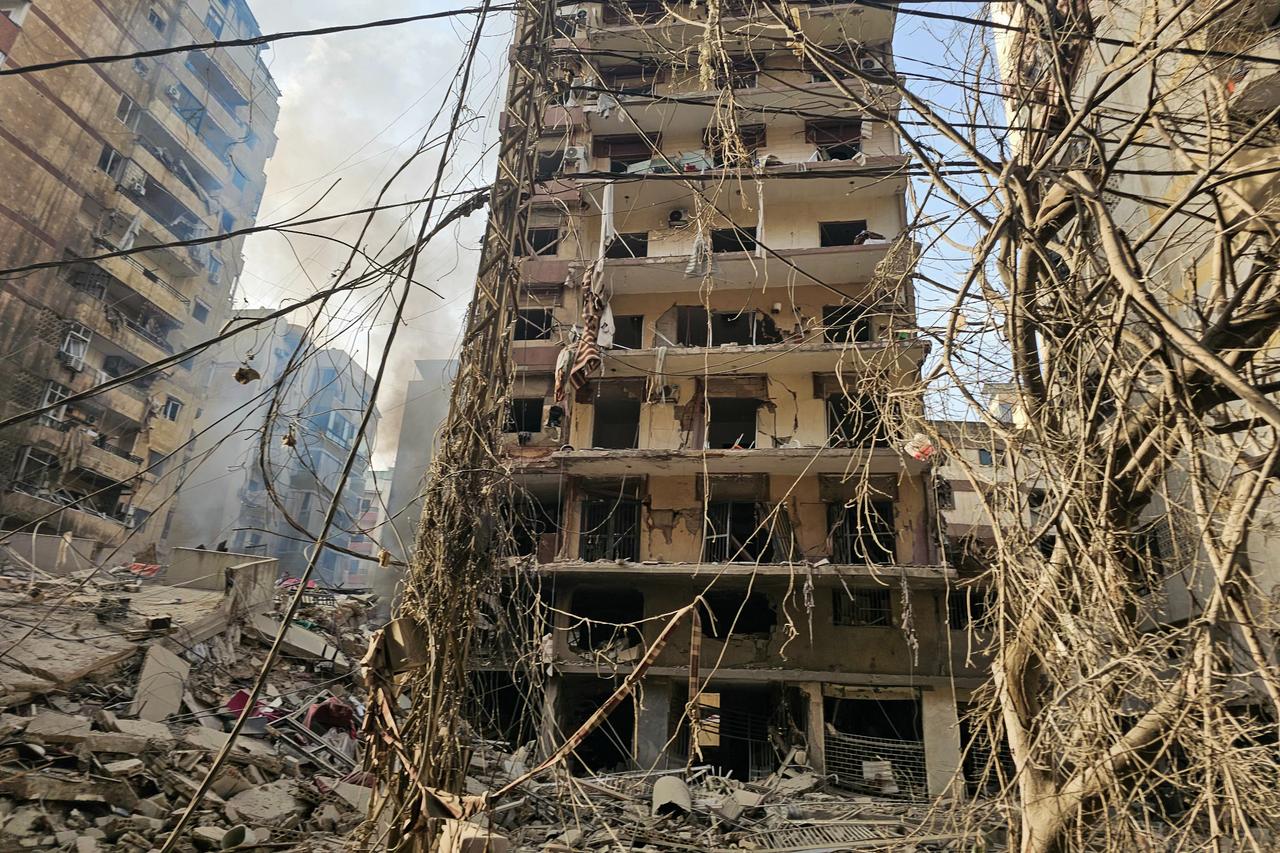
Israel’s far-right finance minister, Azazel Bezalel Smotrich, who recently threatened Lebanon’s capital, Beirut, with Gaza-like destruction, is on record as saying that his country could consider reoccupying southern Lebanon and holding it permanently.
But instead of another Gaza-like “victory,” Israel might be biting off more than it can chew—not unlike its decades-long struggles against Hezbollah, Iran’s premier proxy in the region, especially the 2006 war.
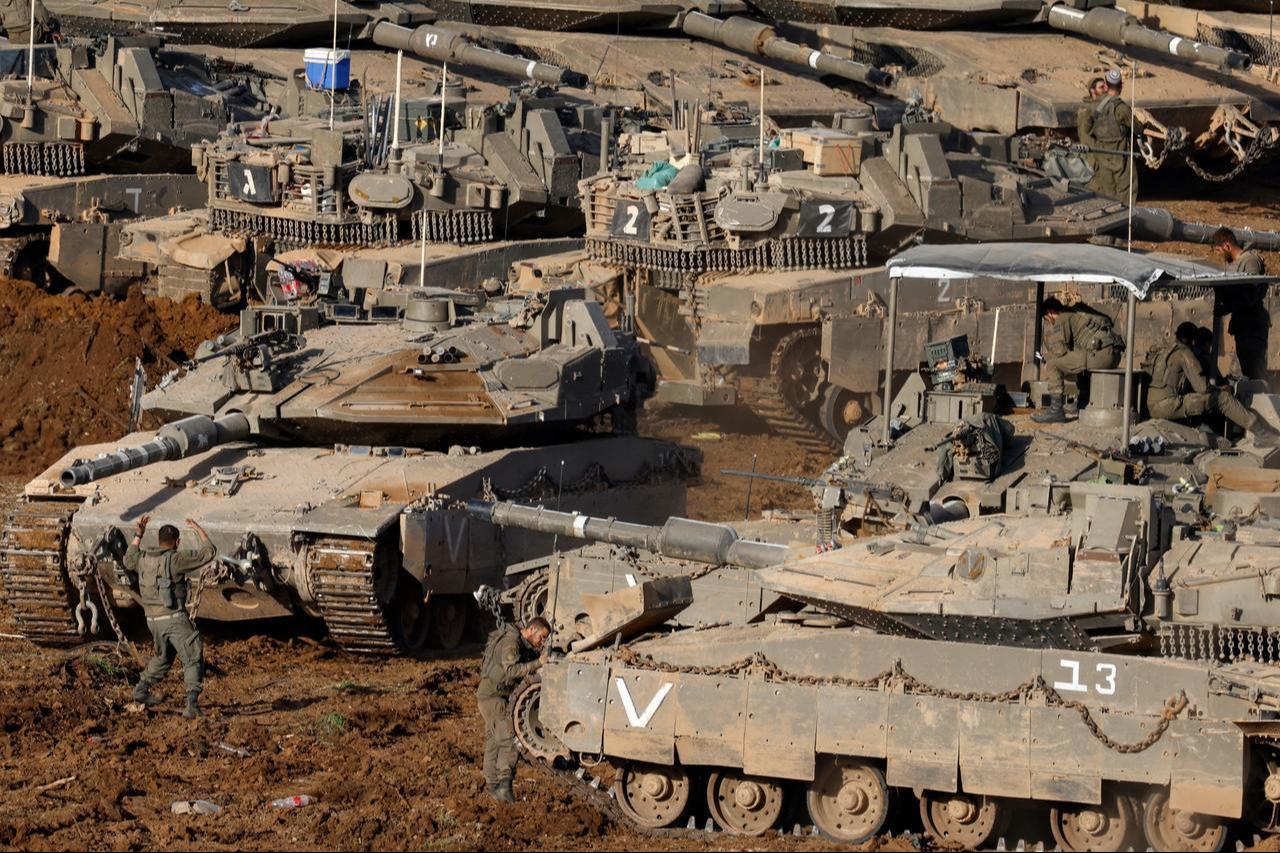

From 1982 until 2000, Israel occupied a considerable part of southern Lebanon as a buffer to prevent attacks first by the PLO and then by Hezbollah.
Upon realizing that it would not be able to dismantle the Iran-backed Lebanese Shiite group, the Jewish state decided to beef up border fences and withdrew to its internationally recognized borders.
Despite occasional skirmishes, the border remained calm until 2006, when Hezbollah kidnapped two Israeli soldiers from a border outpost on July 12, leading to a month-long war between Israel and the militant group.
Although the Israeli military degraded Hezbollah’s capabilities during that fight through airstrikes, it failed to make rapid progress against the group on land, which led many to believe that Israel lost the 2006 war.
That explains why the Jewish state took special care to cut Hezbollah to size in September 2024 by killing the group’s famed leader, Hassan Nasrallah, along with the “pager” attacks that killed 42 Hezbollah members and their families while wounding thousands of operatives.
Despite being on its back foot, Hezbollah recently opened a new front when the US-Israel war on Iran started on Feb. 28.
The situation proves that taking out enemy leadership and cadres “en masse,” occupying territory, and convincing the enemy of its defeat are very different military and political operations, just as the United States found out in Vietnam in the 1960s and 1970s.
“Vietnam” still symbolizes how a powerful country can become bogged down in a war it does not fully understand, lacking clear political objectives and appearing to lose simply because it cannot win decisively.
The point is captured in an anecdote that many military history buffs love to recount from U.S. Army Col. Harry G. Summers in his book, “On Strategy.”
During a 1974 visit to North Vietnam to discuss missing POWs, Summers told his counterpart, “Colonel Tu,” that neither the Vietcong nor the North Vietnamese Army had ever defeated US forces on the battlefield. Tu’s reply summed up the war’s strategic reality: “That may be so, but it is also irrelevant.”
“Vietnam” as a shorthand for “defeat” has somewhat worn off because the United States emerged victorious from the Gulf War of 1991, shaking off the “Nam syndrome,” while the Southeast Asian nation has become one of the fastest-growing economies in the world, but those are different stories.
Of course, at least on paper, Israel does have clearly defined goals in Lebanon—namely, to disarm Hezbollah and ensure that only the Lebanese military and security services maintain a monopoly on violence in its northern neighbor.
In fact, the U.N. Security Council Resolution 1701 that ended the Israel-Hezbollah war in 2006 had called for disarming “all armed groups in Lebanon” and for there to be “no weapons or authority in Lebanon other than that of the Lebanese State.”
But Hezbollah has so far resisted attempts to disarm it, even though for the first time the Lebanese government, with US backing, is forcing the group to choose between being an armed militia or a political party.
Another reason why Israel continues to struggle to make headway in Lebanon—either militarily or politically—is that, unlike its two-decade occupation of southern Lebanon, Israel does not have a local ally in the form of the “South Lebanon Army.”
Formed largely by defectors from the Lebanese Army and other anti-Hezbollah factions, the SLA functioned as Israel’s proxy force, policing the “security zone,” gathering intelligence, and helping sustain the occupation with fewer Israeli troops. When Israel withdrew in 2000, the militia quickly collapsed.
Not surprisingly, almost all SLA cadres took refuge in Israel or immigrated to third-party countries such as France. (In that respect, the Israelis took better care of their former allies than the US did with its local partners in Afghanistan followed its 2021 withdrawal.)
Yet this situation underscores a fundamental paradox: If Hezbollah were disarmed, Israel would lose its main justification for remaining in Lebanon even as Beirut would turn regional partners into close friends—Türkiye, Egypt, Qatar, Saudi Arabia, Syria and the UAE—but also from around the world—think France, the EU, and the United States.
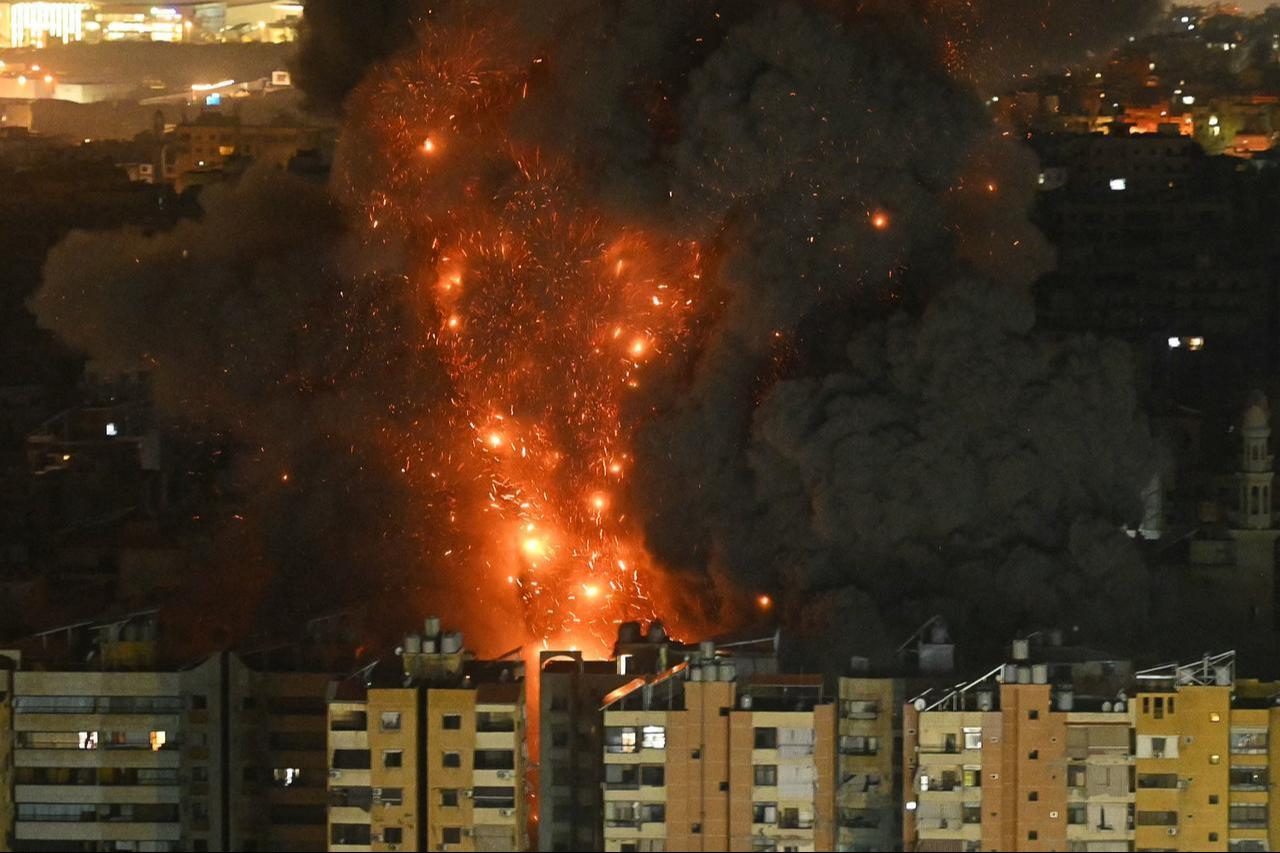
Can “Smotrich and Co.” entertain expansionist/ethnic cleansing dreams in that situation?
Although some U.S. leaders appear to be enabling Israel’s worst instincts, talking about a “promised land from the Nile to the Euphrates,” how much the Jewish state could afford to offend regional countries that also have good relations with the United States is an open question.
Same with former Israeli prime minister and future hopeful Naftali Bennett joining the “Türkiye is the next Iran” chorus. Last month, Bennett told the leaders of Jewish American groups in Jerusalem that Turkish President Recep Tayyip Erdogan is “a sophisticated and dangerous adversary who wants to surround Israel.”
Bennett took that line further last week when he told Bloomberg Brief that “after facing radical Shiite Islam (i.e., Iran and Hezbollah) for decades,” Israel might face a Türkiye-led “regional Islamic alliance.”
If these remarks are meant for Bennett to “outflank” Israel’s current far-right coalition from the political right, that’s one thing.
But if he is serious about “Islamic alliances”—a list that would include the Organization for Islamic Cooperation, the Organization of Turkic States, and the Arab League—then that will open a whole new unpleasant chapter for the region.
Much of the above points to a simple fact: syndromes and unresolved traumas often lead individuals and countries to repeat the same mistakes.
That is how Germany started both world wars in 1914 and 1939; that is why Russia still thinks it’s “fighting Nazis” in Ukraine like it’s 1941, and that is why Israel is still going through “never again” in fear of reliving the Holocaust or Oct. 7 while still plunging itself into ever deeper strategic quagmires.
Breaking these cycles requires more than diplomatic maneuvering and flashy alarmism; it demands the courage to recognize that the greatest enemy of both individuals and nations is often their own unexamined memories and past mistakes.


 Set as preferred source
 Set as preferred source


 2 min read

 1 min read