Newsletters


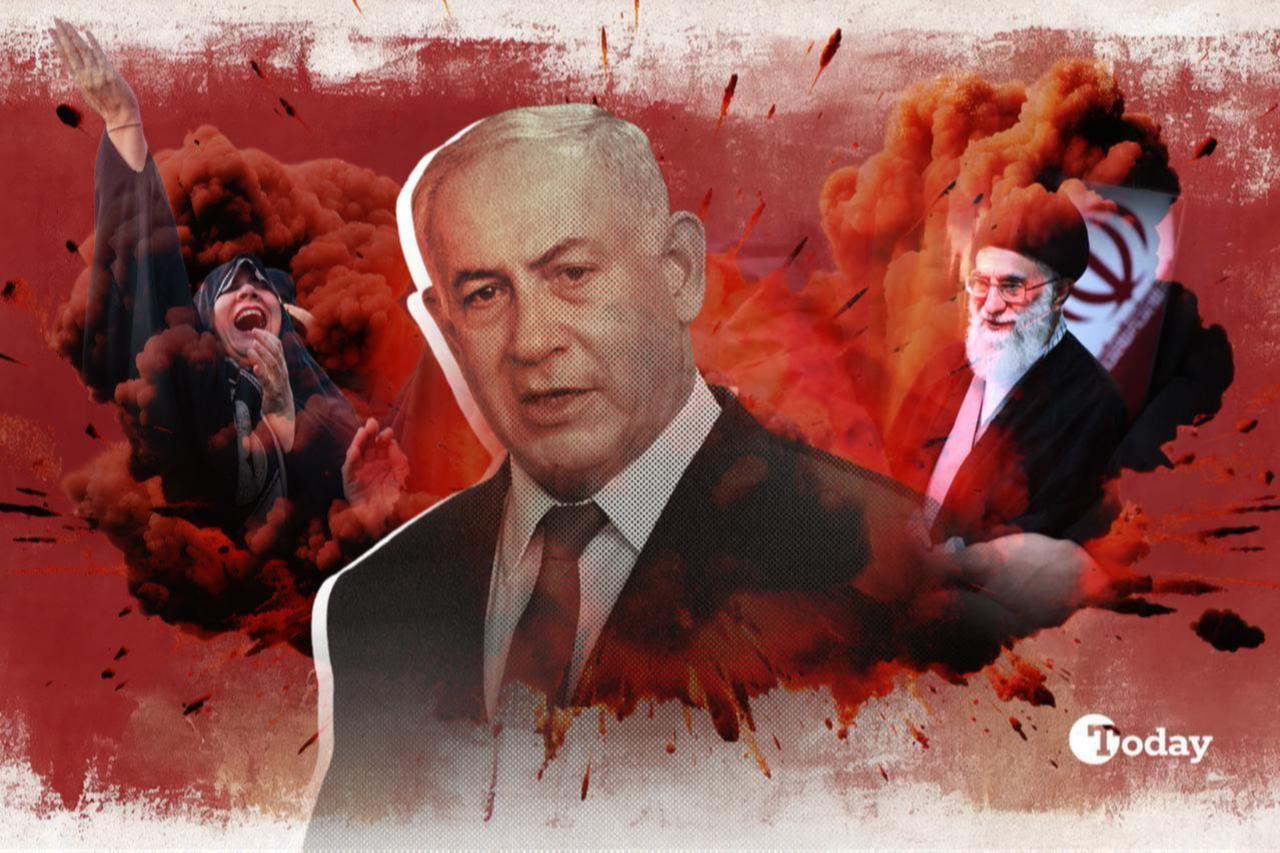


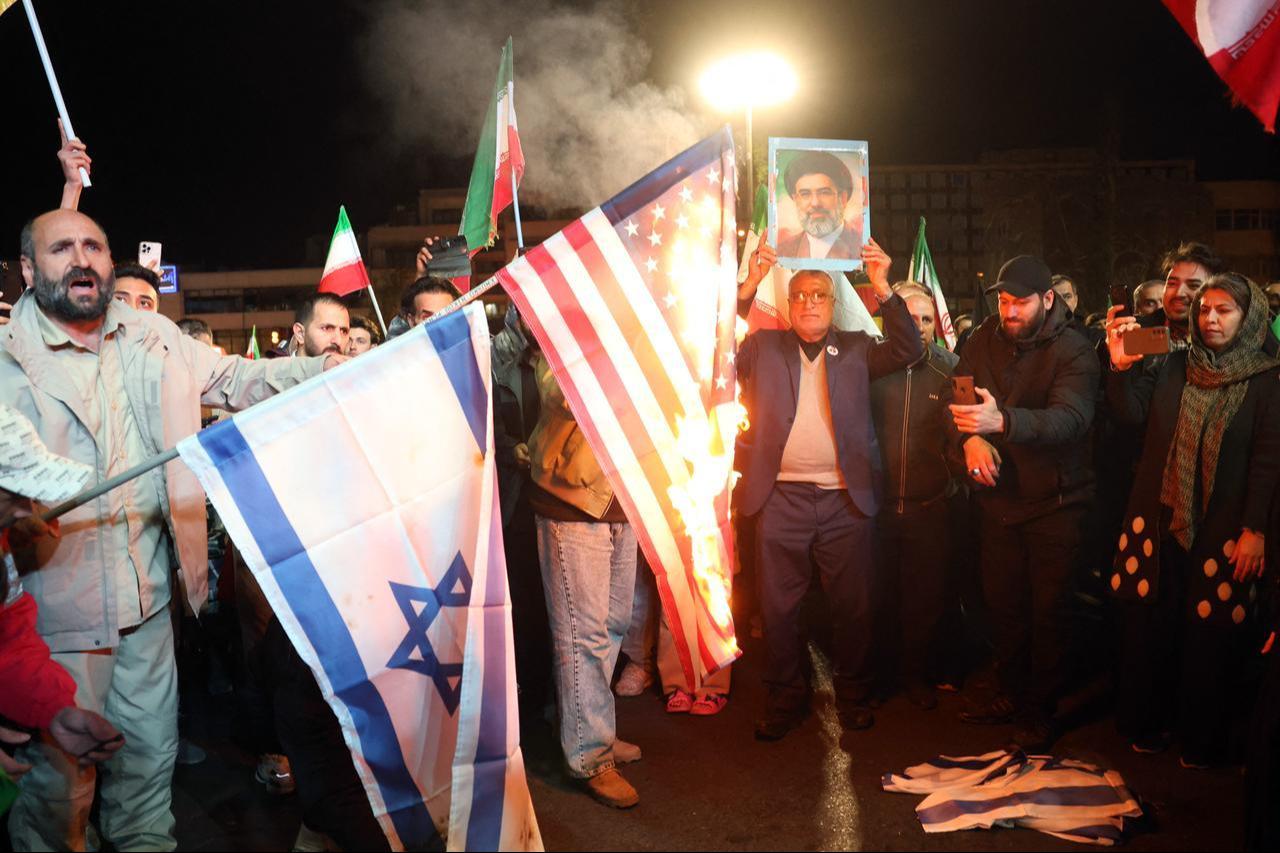
It is now widely accepted that the United States and Israel launched attacks on Iran with the aim of regime change.
But developments on the ground suggest a very different outcome.
Rather than weakening the system, the pressure appears to be strengthening it—consolidating power in the hands of more hardline, ideological elements.
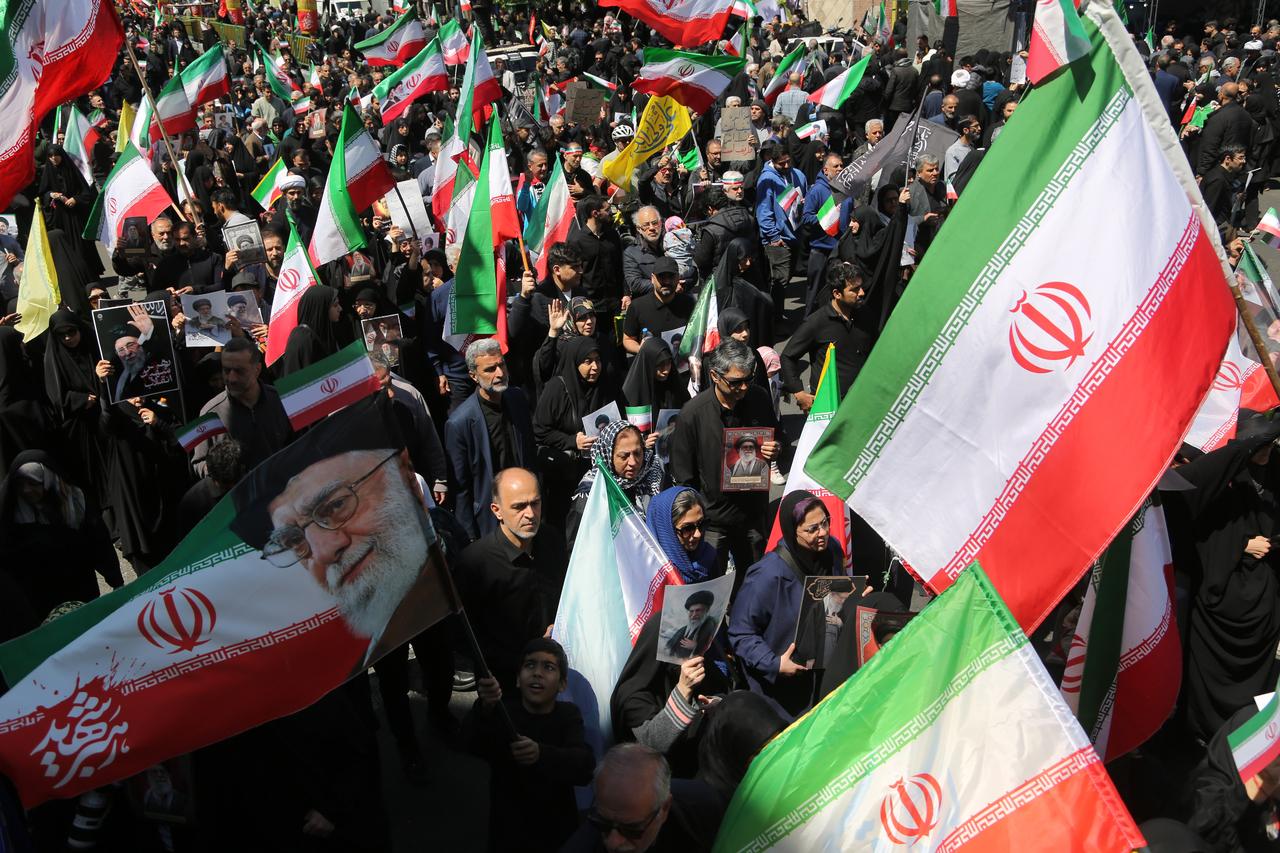
In particular, the growing influence of hawkish factions within the Islamic Revolutionary Guard Corps points to a broader trend: instead of triggering fragility, external intervention is reinforcing internal cohesion and pushing the Iranian state in a more hardline direction.
The core argument advanced in the pre-attack analysis—that targeted assassinations and airstrikes would not be sufficient to produce regime change in Iran and that the Iranian state system is designed to withstand such shocks—has largely been validated by subsequent developments.
Iran’s hybrid state structure, its parallel security networks, and its capacity for ideological mobilization render it resilient against classic “decapitation strategies.”
In this sense, Iran functions not merely as a state but as a multi-layered security ecosystem.
On the Israeli side, however, competing narratives regarding this process suggest that the issue has evolved into not only an operational matter but also a bureaucratic and political contestation.
The tension between claims that Mossad presented an assessment to the Netanyahu government suggesting that the elimination of state elites could trigger a popular uprising leading to regime collapse and counterclaims that such information was deliberately leaked by the Prime Minister’s Office to shift responsibility raises fundamental questions about the nature of intelligence–politics relations in Israel.
The truth likely lies somewhere between these two competing narratives, and understanding it requires a structural analysis of how intelligence functions within Israeli decision-making processes.

In this context, the assessments of Chuck Freilich, a former deputy national security advisor in Israel and senior fellow at Harvard’s Kennedy School, provided to Türkiye Today offer a critical analytical framework.
“Netanyahu certainly utilizes tactical and operational Intel in his decision-making; it is less clear to what extent he incorporates long-term strategic analysis," Freilich said.
"He has been Prime Minister for so long that he relies on his own analytical capabilities and intuition to an unusual extent. Partly this is justified, and no one has ever doubted his brilliance; partly it has led him into strategic blunders, such as the Oct. 7 massacre, and according to press reporting, he gave too much credence to Mossad reporting that the current war would lead to a rapid collapse of the Iranian regime,” he added.
This assessment reveals a clear duality in Netanyahu’s decision-making style: “operational rationalism versus strategic intuition.”
In other words, while Netanyahu places significant emphasis on short-term, tangible intelligence outputs, he appears either to insufficiently internalize long-term strategic analysis or to filter it through his own intuitive framework.
This creates a risk whereby probabilistic intelligence assessments are transformed into near-certainties within the leader’s cognitive framework. The events of Oct. 7, in this regard, can be interpreted not only as an intelligence failure but also as a failure of strategic perception management.
The widely held belief that Israeli intelligence elites possess equal influence in decision-making processes is addressed more nuancedly by Freilich.
“It was never equal; what existed was a common strategic language and sense of responsibility, along with Israel’s unusually open, informal, and freewheeling style of discussion and decision-making. So intelligence leaders felt free to express their assessments, including ones that were contrary to decision-makers’ preferences. Politicization was never a problem," he stressed.
"This has changed in recent years as Netanyahu has imposed his own assessments on the system, e.g., the belief that Hamas had been deterred before the war and channeled into domestic governance and reconstruction.”
This statement suggests that Israel’s system has historically been built upon “open debate and a shared strategic language," but that this structure has recently eroded under a more leader-centric approach.
Netanyahu’s imposition of his own assessments on the system can be interpreted not as the politicization of intelligence in the classical sense, but rather as the framing of intelligence by political authority. In such a context, intelligence risks becoming less an independent producer of analysis and more an instrument reinforcing the leader’s cognitive model.
In the Anglo-Saxon intelligence tradition, there is a well-known sharp distinction between the analytical domain (what is / what will be) and the prescriptive domain (what should be done). Freilich confirms that this distinction theoretically exists in Israel as well.
“The Israeli intelligence community was never tasked with policy-making or prescription. To the contrary, there was a very strict division between the analytical and the prescriptive. There were occasions when the premier would ask the head of an intelligence agency for a personal opinion, but this was rare, usually met with considerable reluctance on the part of the heads, and was separate from the official tasking to the agencies,” Freilich added.
Therefore, Israeli intelligence institutions are not formally tasked with policy formulation but may provide limited and informal input upon request. Claims that intelligence intervenes directly in the policy domain appear to remain largely perceptual; the real issue lies in how strategic intelligence is utilized, or not utilized, by political decision-makers.
Indeed, Freilich challenged the argument that there is a decline in the production of strategic intelligence.
“I don’t think it is a matter of production but of the integration of strategic intelligence in political leaders’ decision-making processes. The system produces lots of strategic intelligence,” he maintained.
This highlights a critical distinction: the problem is not production, but integration. The Israeli intelligence system is capable of producing substantial strategic analysis; however, the extent to which this analysis is effectively integrated into political decision-making remains questionable.
This reflects what is often described in intelligence studies as the “intelligence-policy gap.”
Freilich also adopts a cautious stance regarding claims that, following targeted assassinations in Iran, Mossad developed a perspective that regime change could be achieved through popular mobilization. Freilich’s assessment suggests that there is insufficient evidence to support such a conclusion.
This caution serves as an important warning against reductionist assumptions that operational successes automatically translate into strategic outcomes.
The gap between operational success and strategic transformation is particularly pronounced in complex objectives such as regime change.
Regarding the issue of elite homogeneity and the risk of groupthink in Israel, Freilich notes that this overlap was more pronounced in the past; however, increasing diversity today has relatively reduced this risk.
This observation indicates that the Israeli system is not static but dynamic and evolving.
Nevertheless, it should be noted that in times of crisis, as political leadership becomes more dominant, the balancing effect of institutional diversity may be significantly constrained.
Although the Israeli intelligence system possesses high operational capacity and strong analytical production capabilities, its ability to generate effective strategic outcomes depends largely on how political leadership processes and utilizes that intelligence.
In Netanyahu’s case, the filtering of intelligence assessments through pre-existing assumptions appears to create conditions in which operational successes may ultimately translate into strategic failures.


 Set as preferred source
 Set as preferred source


 2 min read


 1 min read