Newsletters




This article was originally written for Türkiye Today’s weekly newsletter, Saturday's Wrap-up, in its July 25, 2026, issue. Please make sure you subscribe to the newsletter by clicking here.
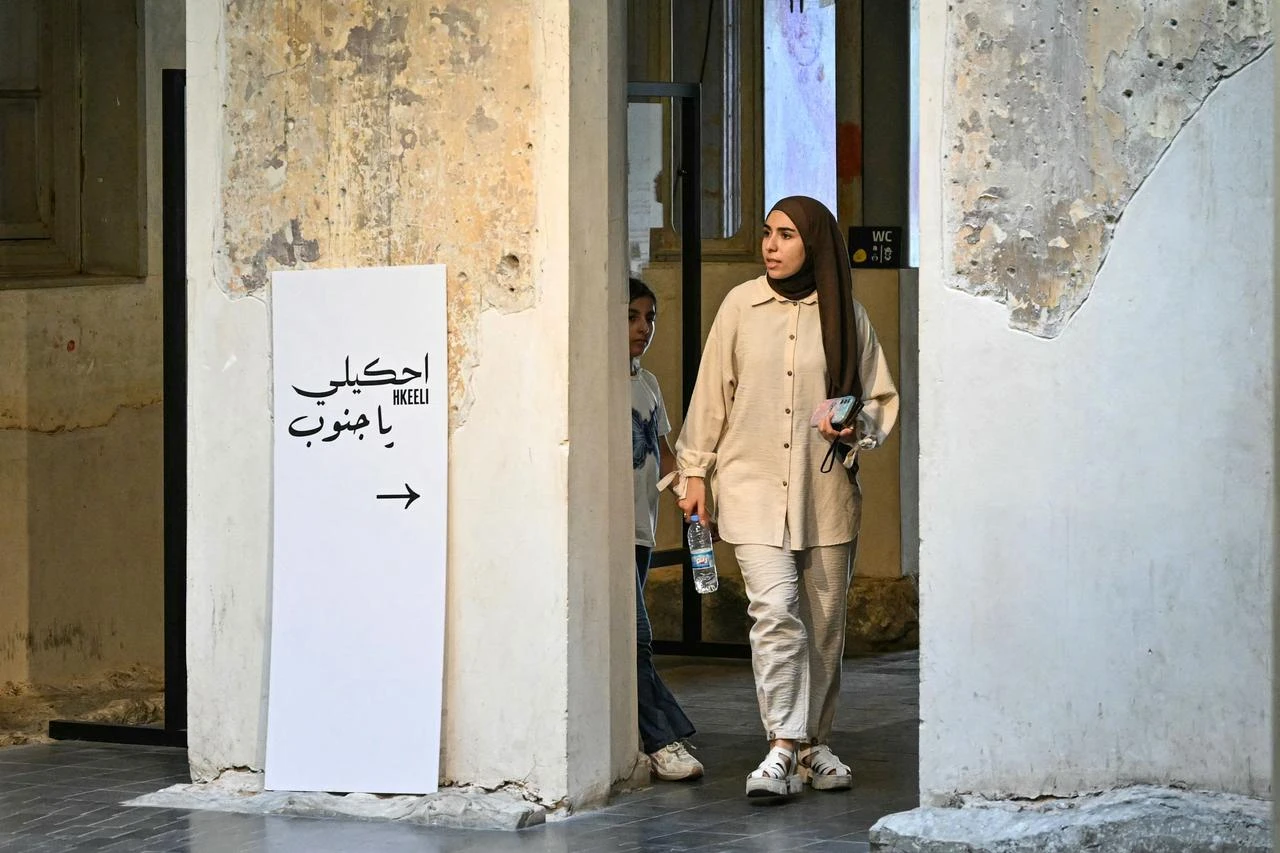
Walking the streets of Beirut, one is immediately struck by a profound and inescapable reality: the Lebanese are an incredibly political people. In cafes, homes, and taxis, it is nearly impossible to find someone without a sharply defined political stance, and the willingness to share it immediately after a couple of minutes. For a journalist accustomed to the wider Middle East, this is a jarring contrast. Attempt to strike up a political conversation in Egypt or Saudi Arabia, and people will often turn red, avert their eyes, or quickly walk away.
In Lebanon, the floodgates open. On the surface, this vibrant discourse looks like a triumph of free expression, but it reflects a different tragedy: the freedom to speak exists largely because the state is too fractured and fragile to silence anyone. Hence, it is not an oasis of free speech in a Middle East desert where everybody speaks their mind.
This fractured reality is something Member of Parliament Michel Douaihy emphasizes as a critical institutional failure, arguing that the nation's survival depends on ending the era where the political class treats the constitution like an "a la carte menu.”
One of the few things that almost everybody agrees on is that no one knows what Türkiye wants or argues in Lebanon. In a country where every regional power chooses sides, Turkish policy traditionally has been to pick none, don’t be loud, and deal state-to-state. Lebanon’s state apparatus is pleased by Türkiye’s neutral stance.
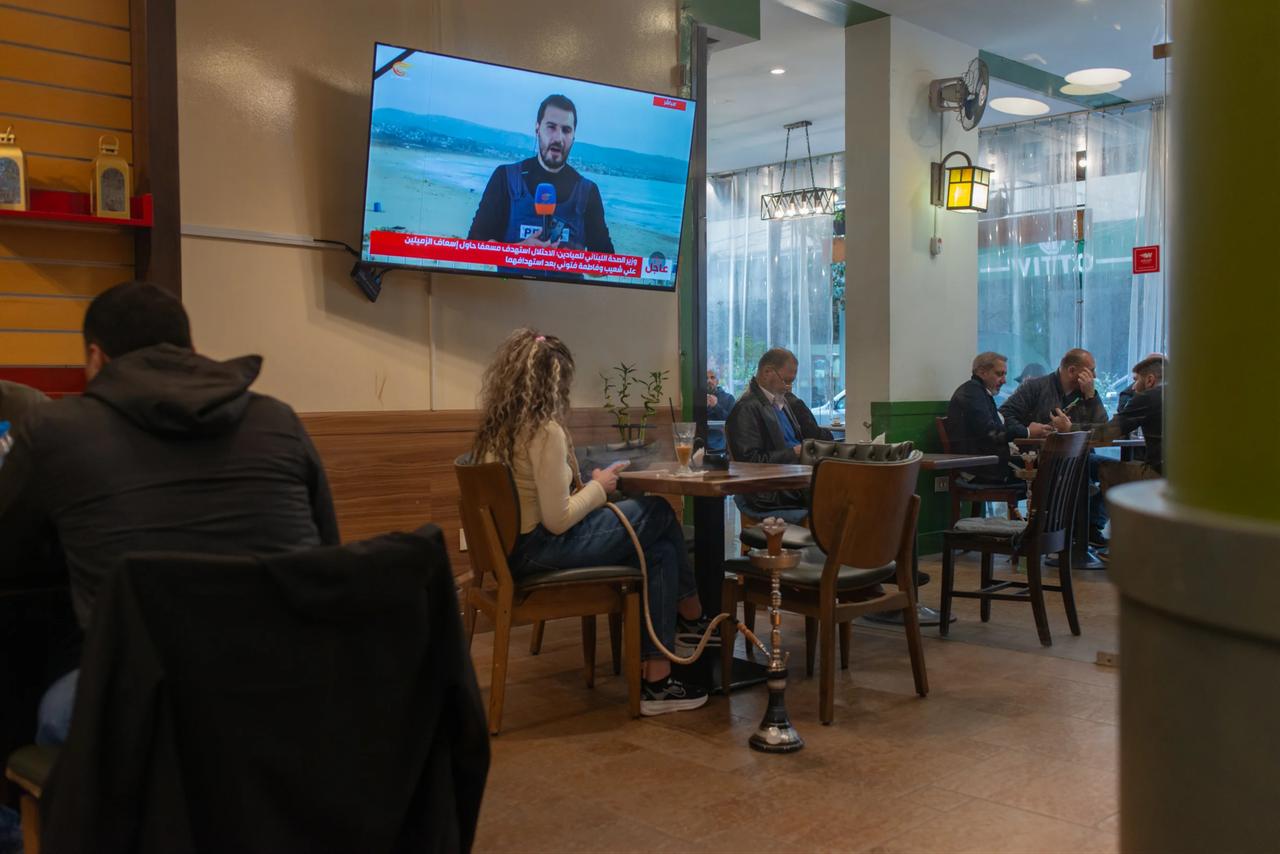

In Beirut, casual conversations quickly detour into the realm of conspiracy theories. The political landscape is so opaque that citizens fill the void with speculation on almost everything.
This paranoia is deeply rooted in the existential anxieties gripping the country’s major sects. The Christian community remains largely speculative and hopeful, discussing the possibility of a period of calm, even peace with Israel in very private conversations if Hezbollah is fully disarmed. Conversely, the Shia population is gripped by a collective depression and defensive posture, watching as their primary representation faces the threat of being crushed. Meanwhile, the Sunnis are observing the chaos unfold with extreme caution, deeply wary of emerging power vacuums.
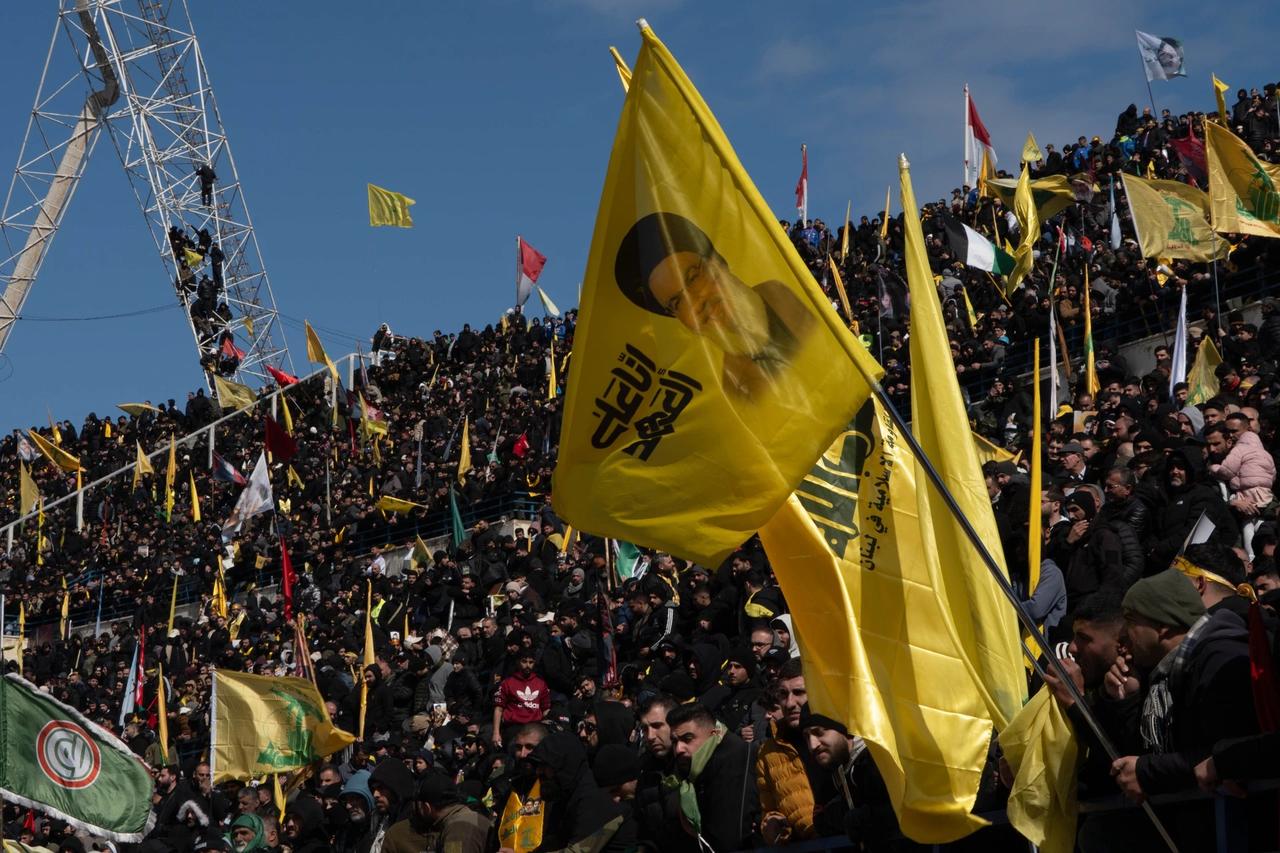
The hope of rapidly disarming Hezbollah highlights a severe disconnect from the realities on the ground. For MP Douaihy, forcefully disarming the group is not a simple military command, but rather a massive institutional hurdle that requires unwinding over 40 years of deep Iranian investment.
He stresses that Hezbollah is not just a militia, but a complex social, economic, ideological, and religious structure, meaning its disarmament would require multiple overlapping processes rather than a single event.
Douaihy also points out that while integrating Hezbollah fighters into the national army has been proposed as a solution, this strategy backfired disastrously in Iraq, raising fears among the Lebanese that Iranian-backed ideology would simply take over the military from within.
Furthermore, political analyst Joe Hammoura notes that the Lebanese Armed Forces (LAF) functions less as a cohesive fighting force and more as a social safety net, offering salaries and schooling to the disenfranchised. He calls the Lebanese army as the union of the losers from all segments and sects of the society. Its demographic composition makes it highly vulnerable to internal fracture.
While the middle and high-ranking officers are predominantly Christian, the lower ranks and infantry are overwhelmingly Sunni and Shia Muslims. If the LAF were ordered to attack Hezbollah, Hammoura warns that these rank-and-file soldiers would likely defect with their weapons, mirroring the catastrophic splintering of the army during the civil war.
According to MP Douaihy, the ultimate solution must be institutional, requiring the establishment of a total state monopoly on weapons to protect the nation's diverse communities.
Adding fuel to the fire are dangerous regional rumors. Recent whispers of a U.S.-backed scenario where Syrian forces enter Lebanon to disarm Hezbollah are viewed with universal dread. MP Douaihy was blunt regarding this idea, calling any Syrian intervention a historically bad idea.
The Lebanese people have already suffered through 35 years of grueling Syrian occupation, and the MP considers re-inviting them to be a suicidal move that the public simply will not accept. Hammoura echoed this alarm, warning that such an event would trigger a catastrophic Sunni-Shia war, potentially dragging in actors from Yemen to Iraq.
A high ranking Lebanese source I talked to on the issue said, “The memories of Syrian intervention in the Lebanese history are very brutal. We now have friendly ties with the Syrian government in state-to-state relations. However, in the shared memory of Lebanese, they don’t even want to see a Syrian face on a Lebanese street.”
Facing an unyielding economic crisis, an Israeli invasion, and a de facto weapons embargo, the LAF’s survival is currently a miracle of foreign patronage. A staggering 90% of the army's equipment relies entirely on foreign donations.
A senior Lebanese source described LAF Commander General Joseph Aoun’s recent visit to the United States as a definitive turning point, noting that the U.S. has committed to a robust $3 billion military support package over a 10-year period. Beyond funding, the U.S. partnership provides vital diplomatic leverage, as nobody else can pressure Israel to withdraw.
Despite its reliance on the West, Beirut is quietly eyeing future defense partnerships, with the senior Lebanese source confirming interest in purchasing high-tech, low-cost defensive weapons like drones from Türkiye.
For all the fervent political chatter filling Beirut’s cafes, Lebanon’s real survival ultimately rests on a precarious lifeline of foreign dollars, imported arms, and the disarmament of Hezbollah. Until this shattered state can finally forge its own shield and act in unison, true sovereignty will remain just another conspiracy theory debated over coffee.


 Set as preferred source
 Set as preferred source


 4 min read