Newsletters


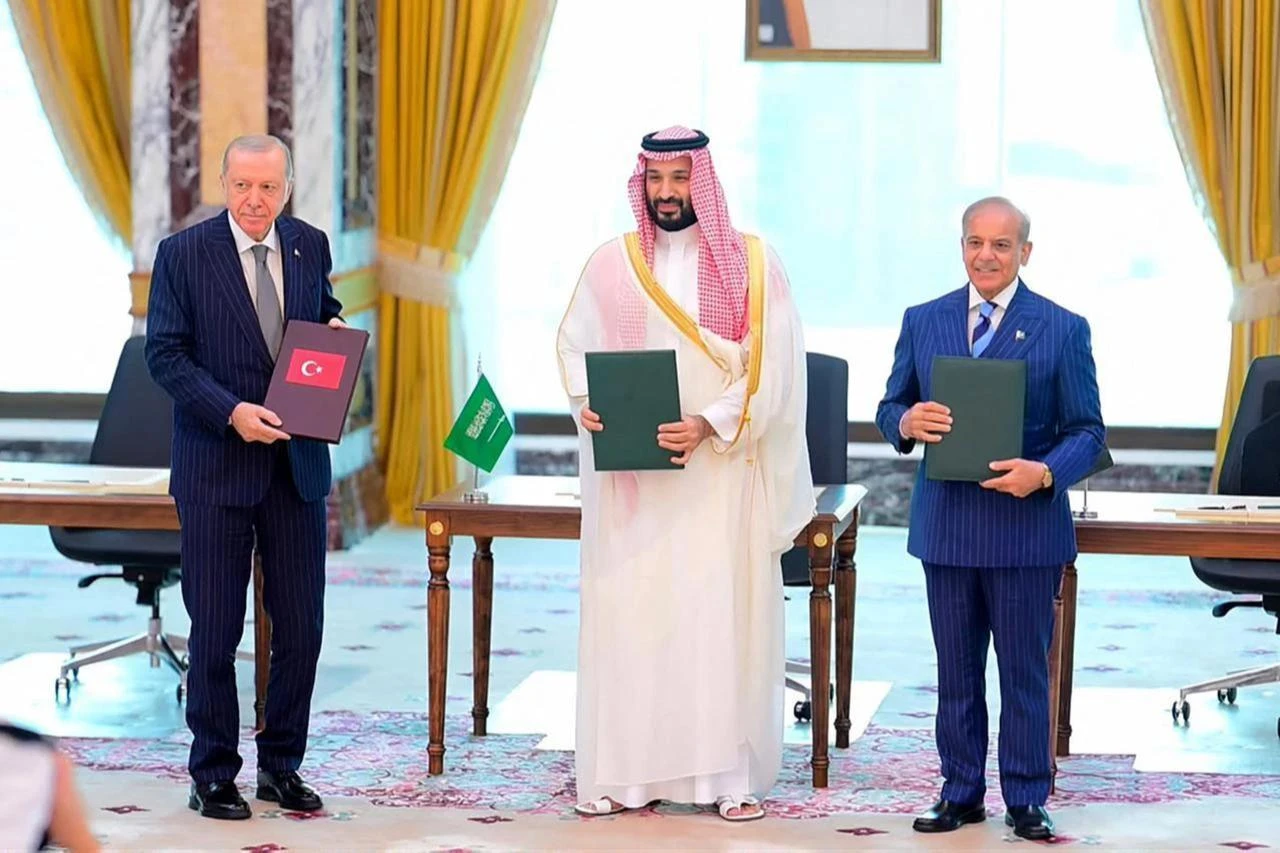


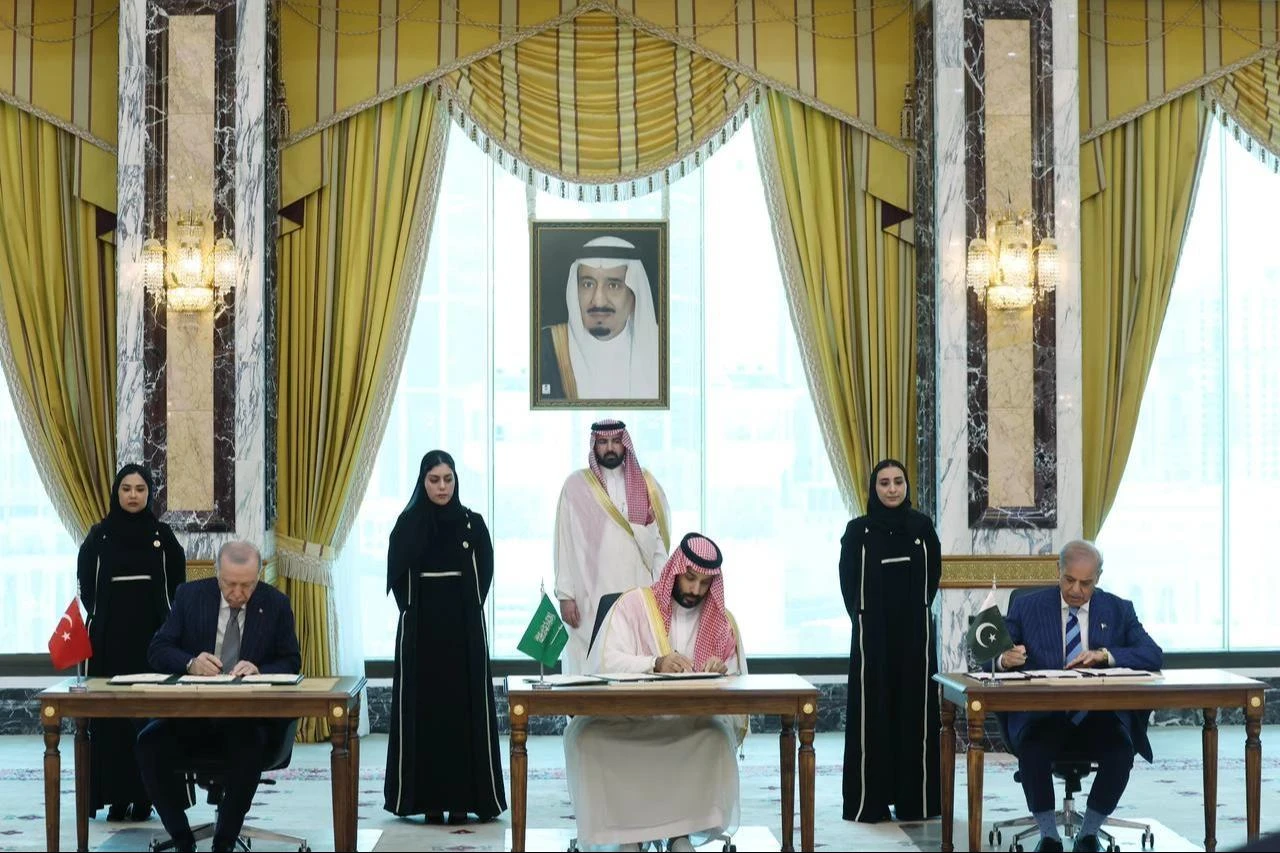
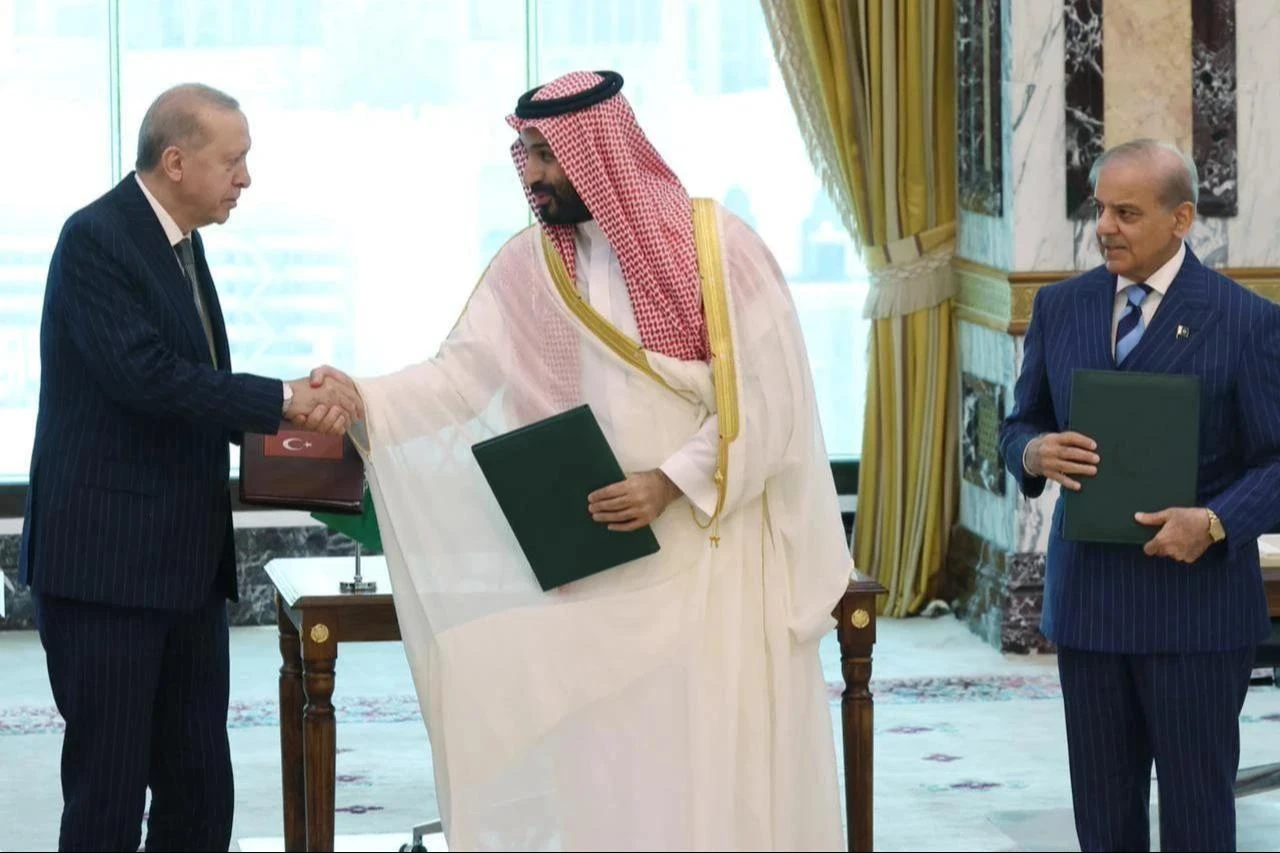
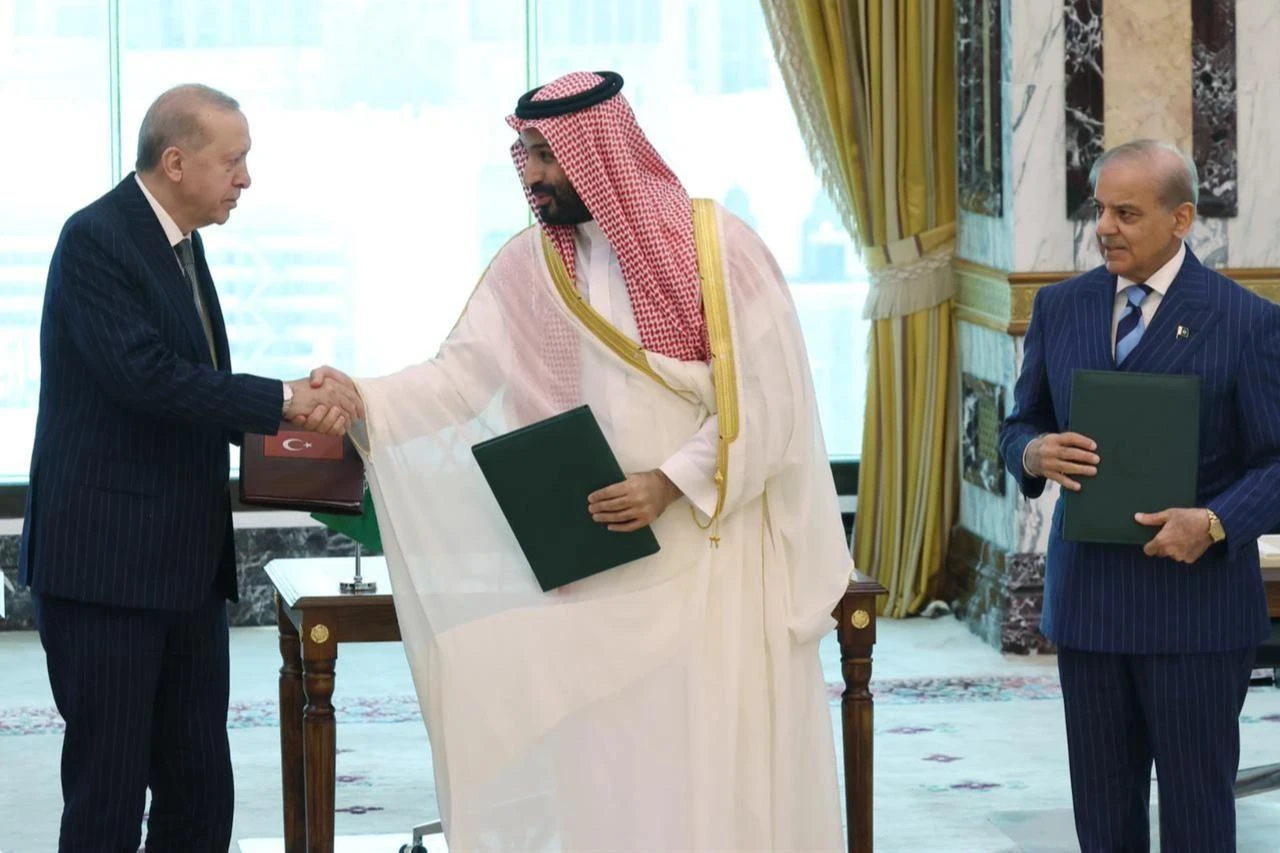
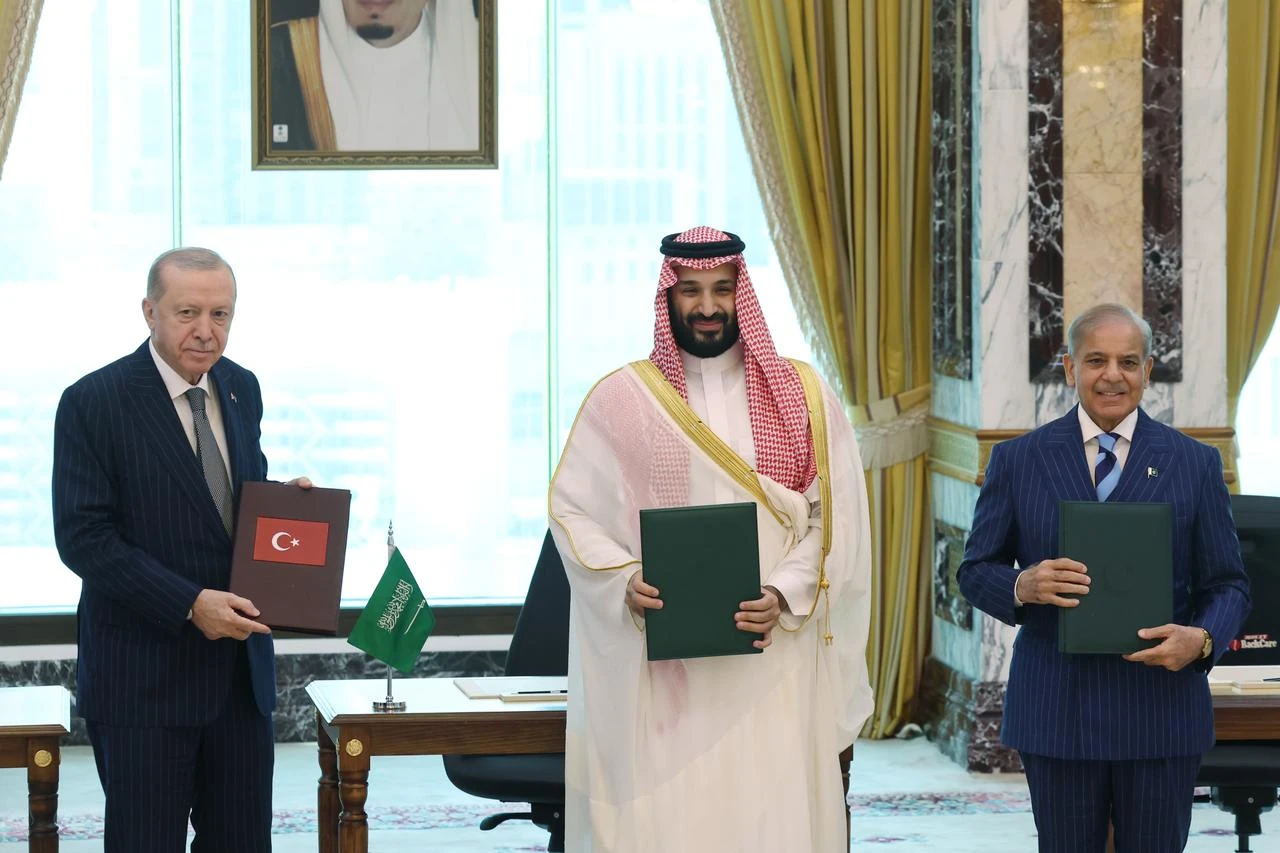
The Mecca Joint Defense Agreement signed between Türkiye, Saudi Arabia, and Pakistan recalls the Baghdad Pact, signed in 1955 during the Cold War and later renamed the Central Treaty Organization(CENTO). Of course, past events must be evaluated within their own historical context. CENTO emerged in a Cold War environment defined by bipolar competition, U.S. efforts to contain Soviet influence, and the participation of a pro-Western Iran regime.
Will the Mecca Joint Defense Agreement be remembered as an important example of regional ownership and lay the foundation for a broader regional framework for collective security and deterrence? Or will it become another unsuccessful attempt to establish collective defense in the region?
Time will tell. One thing, however, is already clear: shifts in U.S. priorities have created space for regional actors to assume greater responsibility for their own security, bringing the concept of regional ownership back to the fore.

As the United States gradually withdraws from Syria and Iraq and seeks to lessen its regional commitments, it aims to leave behind a regional order in which the security of its allies, particularly Israel, is ensured.
After failing to achieve its desired outcome through nuclear negotiations with Iran, Washington aligned with Israel’s calls for military action, disregarded regional appeals for diplomacy, and launched a war against Iran in February.
Whether the conflict will achieve U.S. objectives and produce an agreement leaving Iran weakened remains uncertain. What is clear is that all regional states have suffered significant economic losses, while security concerns have reached unprecedented levels.
Iran’s repeated attacks, disruptions to the Strait of Hormuz, and renewed Houthi threats to maritime traffic in the Gulf of Aden and the Red Sea have underscored the need for new solutions, alliances, and a regional security architecture.
This agreement, which emphasizes regional ownership, is fully aligned with Türkiye’s policy of pursuing regional solutions to regional issues.
A series of regional upheavals—including the Oct. 7 Hamas attacks, the collapse of the Assad regime, conflicts involving Iran and the U.S.–Israel alliance, and Israel’s policies in Gaza, the West Bank, Syria, and Lebanon—has brought these countries closer together, with mediation and consultation becoming central to their evolving relations.
Seeking greater regional ownership, they aim to play a larger role in conflict resolution and shaping the region’s future.
Türkiye and Saudi Arabia have facilitated contacts between the United States and Syria’s new government, Türkiye has supported Gaza ceasefire efforts, and Pakistan has mediated between the United States and Iran.
Their consultations intensified during the Iran war, expanding with Egypt into a quadrilateral mechanism for diplomatic coordination and de-escalation. More recently, Türkiye and Pakistan joined Saudi Arabia’s maritime defense coalition to protect Red Sea, Bab el-Mandeb and Gulf of Aden shipping routes from Houthi threats.
The main driver behind this trilateral cooperation is the preservation of regional balance. Although their threat perceptions regarding Iran and Israel differ, these countries share the view that deeper regional cooperation is necessary to prevent a post-war Middle Eastern order dominated by either Iran or Israel amid uncertainty over future U.S. engagement, while strengthening collective deterrence.
These middle powers, while pursuing hedging strategies among great powers to preserve their strategic autonomy, share a preference for supporting legitimate central governments over separatist movements and opposing regional fragmentation through diplomatic means.
While they are not completely on the same page on all regional issues and despite their differences in priorities and levels of engagement, they increasingly converge on key issues: supporting stability in Syria and Iraq, Palestinian statehood, political reconciliation in Libya, state institutions in Sudan, Somalia’s territorial integrity and state-building, and Yemen’s unity and internationally recognized government.
Cooperation could particularly deepen in Sudan and Somalia, both of which are important to the broader Red Sea and Gulf of Aden security.
The partnership combines complementary strategic assets. Türkiye and Saudi Arabia bring economic and political weight as G20 members, with Saudi Arabia contributing financial strength stemming from its position as the world’s largest oil producer and leading energy exporter. Türkiye, on the other hand, provides significant military capabilities, a growing defense industry, and operational experience.
Pakistan contributes through its nuclear and missile capabilities. Building on existing bilateral defense cooperation, the agreement could expand trilateral military exercises and exchanges, deepen defense-industrial collaboration, and enhance military interoperability.
This agreement is particularly significant from Türkiye’s perspective. Since the dissolution of CENTO, Türkiye has not joined another formal Middle Eastern multilateral collective-defense pact.
Moreover, CENTO was primarily a framework for security and defense cooperation rather than an alliance with an automatic mutual-defense obligation.
While the Mecca Joint Defense Agreement doesn't create an automatic obligation for military intervention either, its provision stating that an armed attack against any one of the three states shall be regarded as an attack against them all—echoing NATO's Article 5—reflects a marked increase in trust and cooperation among the three countries. The key question now is how this agreement will be operationalized: translated from principle into concrete mechanisms and commitments.
This alliance may face its first major test regarding Red Sea security and the Saudi Arabia–Houthi confrontation. Amid Houthi warnings of “full escalation” against Saudi Arabia, reports suggested Riyadh was considering a large-scale offensive, including maritime operations and a ground campaign in central Yemen.
Given that neither Türkiye nor Pakistan is likely to seek confrontation with Iran or the Houthis, it remains to be seen how much military support they will be willing and able to provide to Saudi Arabia in the period ahead.
Their support for Saudi Arabia’s maritime defense coalition could become the first concrete example of operational cooperation under the agreement.
It had been widely discussed for nearly a year that Egypt would also be included in this agreement, as preparations and consultations for such a framework were underway.
The coming days and months will demonstrate whether this collective security agreement, which began among three countries, will evolve into a broader regional alliance.


 Set as preferred source
 Set as preferred source


 2 min read
 1 min read