Newsletters




In Bucharest, we listened to this year's State of the European Union address more closely than most capitals did. We sit on the edge of the Union and on the border of a raging conflict.
What is decided in Brussels about European security reaches us before it reaches anyone else, and lately it has reached us as drone incursions threatening lives and livelihoods.
I write about it here because Romanians and Turks have been neighbors on this sea for five centuries, and we know each other better than either of us knows Brussels.
The good news is that Europe broke with its tradition of piecemeal institution building and set out a direction. Brussels has finally woken up to the threat picture pressing on our continent.
Two proposals carry most of the weight: a European Security Council bringing the Union together with Ukraine, the United Kingdom, Norway and Canada, and a European version of NATO's Article 4, which any member state could trigger to convene all the others over an incident that threatens its national security while falling below the threshold of armed aggression.
The bad news is where the speech went quiet. For all its clarity in the Atlantic and in the north, the Black Sea barely surfaced, and Türkiye was not named once.
As a Romanian, I believe that silence is a mistake. Romania should press for the Black Sea to become a core pillar of Europe's security architecture, with the same standing the Atlantic and the north already have. And Romania should state what every navy in this basin already knows: no Black Sea pillar can stand without Türkiye.
Türkiye is no longer a country that waits at anyone's door. It has spent 20 years building freedom of maneuver, and it has rightfully acquired it, which means this relationship has to be negotiated between equals.
What Ankara wants from Europe is specific and reasonable: access to defense financing and joint production, a modernized customs union, visa facilitation, and to be dealt with as the power it is rather than assessed against a candidacy nobody in Brussels intends to conclude. Europe needs Türkiye considerably more than Türkiye needs Europe's new rooms.

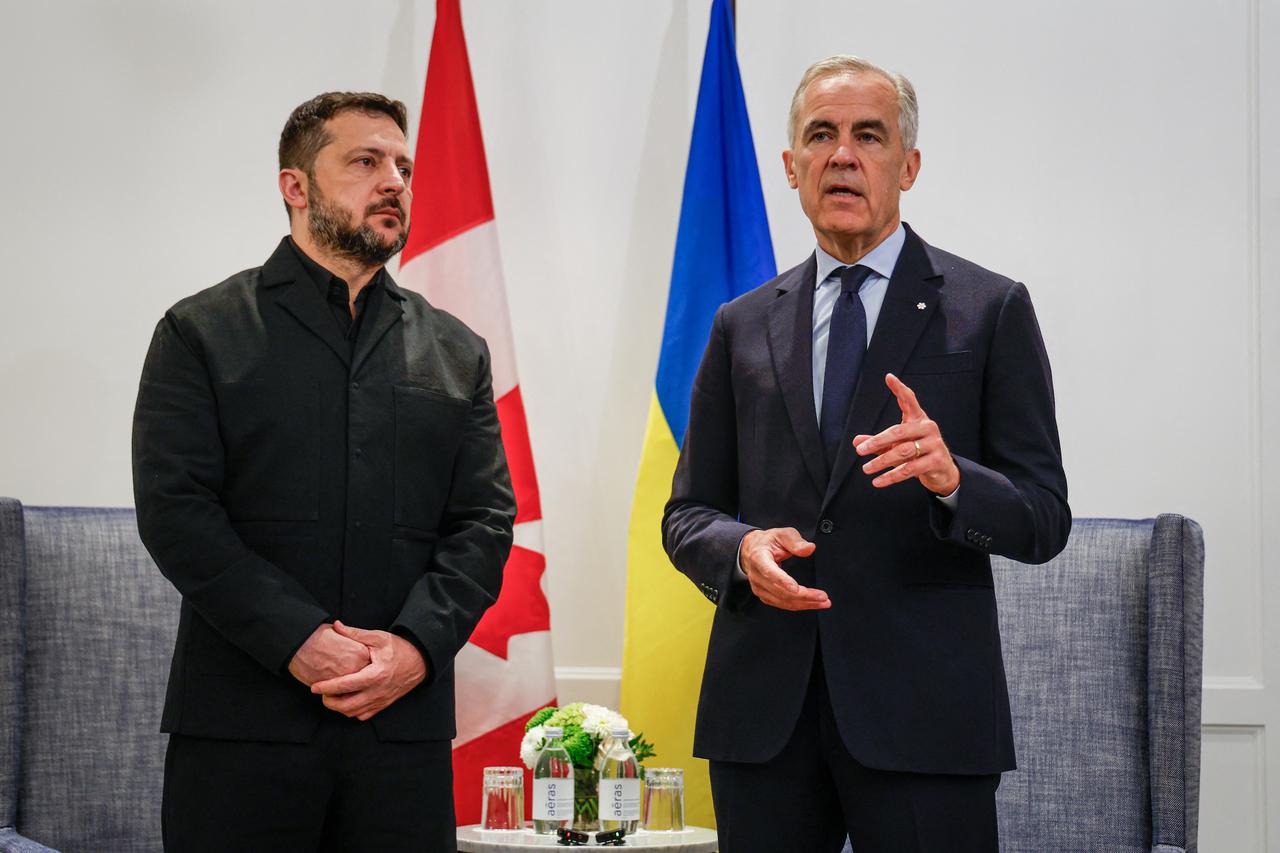
London, Oslo, Ottawa and Kyiv belong in that room, and no serious voice here in Bucharest can dispute it. Britain is one of Europe's strongest military powers, Norway underpins northern security and European energy, and Ukraine is inseparable from any honest discussion of European security.
Canada is the instructive case. It has no Black Sea coastline, no straits to govern and no hull in the basin, yet it has both a seat at the new table and a route into the Union's defense financing instruments.
Türkiye has all three, and neither.
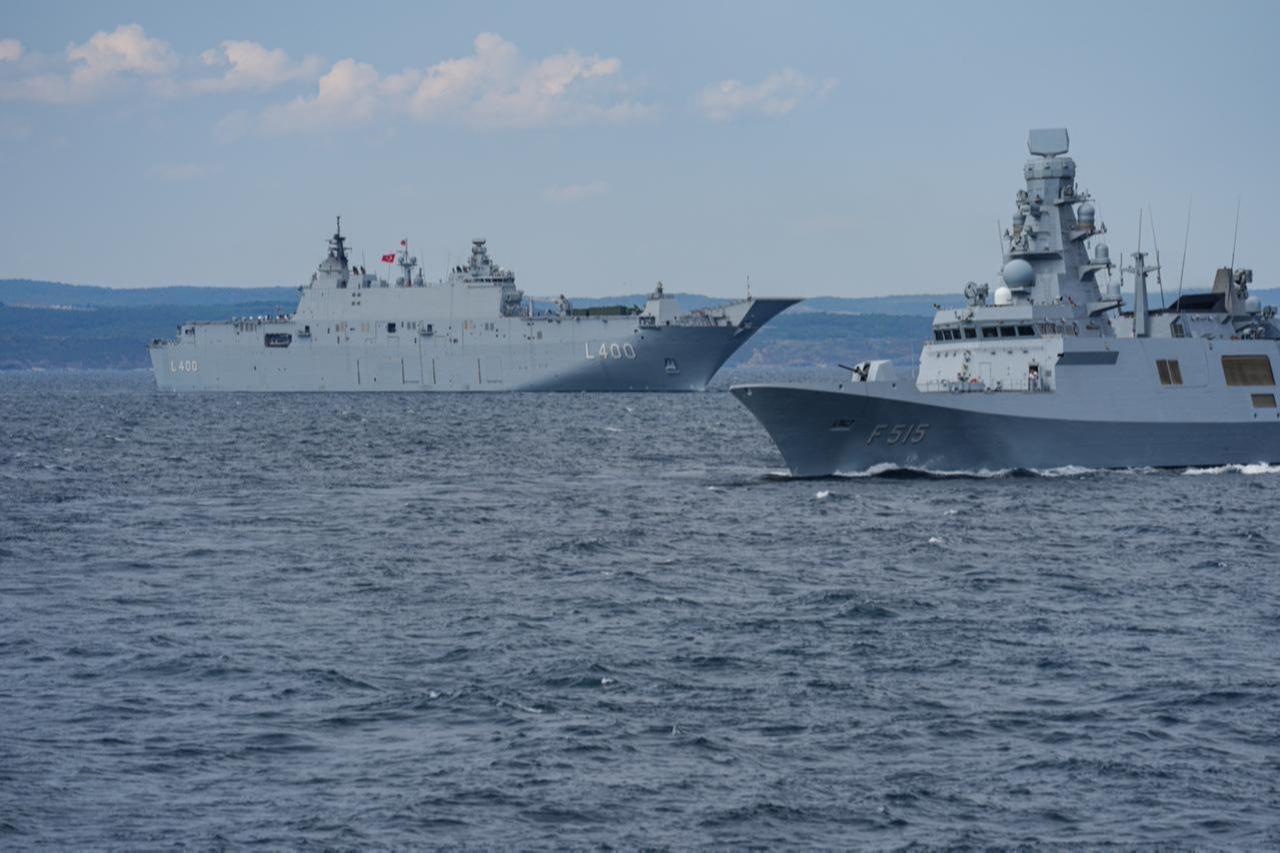
Türkiye has been a NATO ally since 1952 and it is the alliance's principal Black Sea military power. In February 2022, Ankara closed the straits to warships of the belligerents under the Montreux Convention, a sovereign decision taken under a treaty in Turkish custody, and it did more to contain the war at sea than anything Europe decided that spring. Montreux has held for 90 years because one state has been trusted to administer it, and nothing in Europe's new architecture should invite anyone to reopen that question.
Turkish drones were in Ukrainian hands in the opening weeks of the Russian invasion, while European capitals were still debating what could be sent at all. Ankara brokered the Black Sea Grain Initiative that kept the basin trading and has never recognized the illegal annexation of Crimea.
It has built one of the continent's most capable defense industries at precisely the moment Europe is trying to expand production. And it sits where the Black Sea, the Eastern Mediterranean, the Caucasus and the Middle East meet.
Brussels knows all of this. The Commission's first strategic approach to the Black Sea, published in May 2025, calls Türkiye a partner of strategic importance. Its first flagship is maritime security, built around a Black Sea Maritime Security Hub.
Europe is drawing two maps at once. One is institutional, and it runs comfortably through the Atlantic and the north. The other is strategic, organized around geography, and in the southeast it runs through Türkiye whether anyone designs it that way or not.
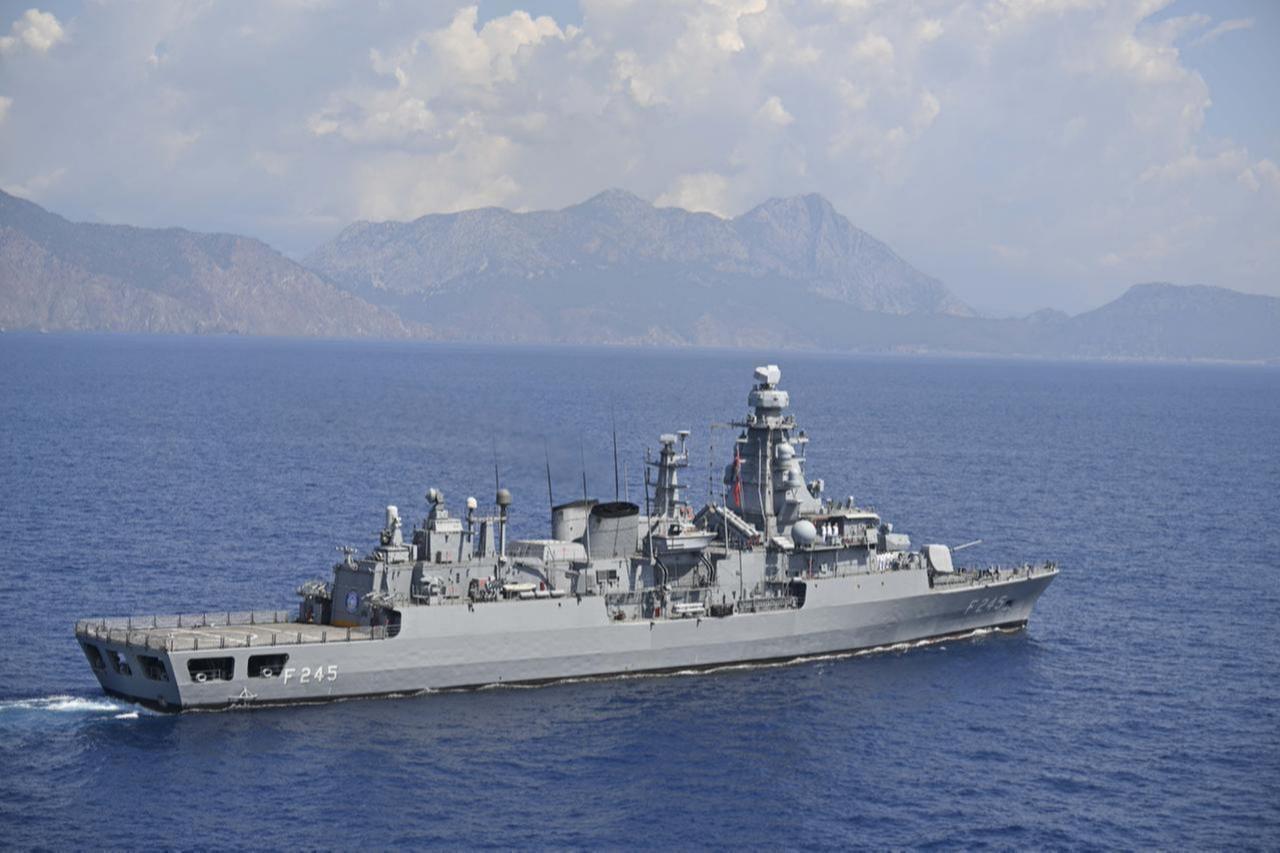
The clearest evidence is already in the water. Türkiye, Romania and Bulgaria created the Mine Countermeasures Black Sea Task Group after Russia's invasion of Ukraine. At the Ankara summit in July this year, the three defense ministers extended its mandate beyond demining to the protection of undersea infrastructure.
A Romanian minehunter joined the next deployment. The Commission's own Black Sea strategy says it will build on that initiative.
Part of the architecture Europe now proposes to invent has already been built by the three littoral states, without waiting for a framework, and Türkiye is inside it.
Romania's part in this is to make the above argument from inside the Union. We are a Black Sea littoral state, a Turkish strategic partner of fifteen years' standing, and a reliably Atlantic voice in Brussels, and no other member state is all three at once.
We speak both grammars: the European one of frameworks, conditionality and unanimity, and the Turkish one of reciprocity and sovereign equality.
A partnership between equals is not a list of compliments, so let me say plainly what Romania should ask for in return. Bucharest and Ankara have not always read this sea the same way. Romania has pressed for a larger allied naval presence in the basin.
Türkiye has guarded the regime that limits it. Turkish caution was the sounder instinct, and the answer to our concern lies in capability on our own shore rather than in hulls arriving from outside it: integrated air and missile defense at Constanța, stronger Romanian and Bulgarian fleets, a rearmed Ukraine.
What Romania should ask is that this conversation be held between the two of us directly, rather than through third parties in Brussels or Washington.
 2 min read
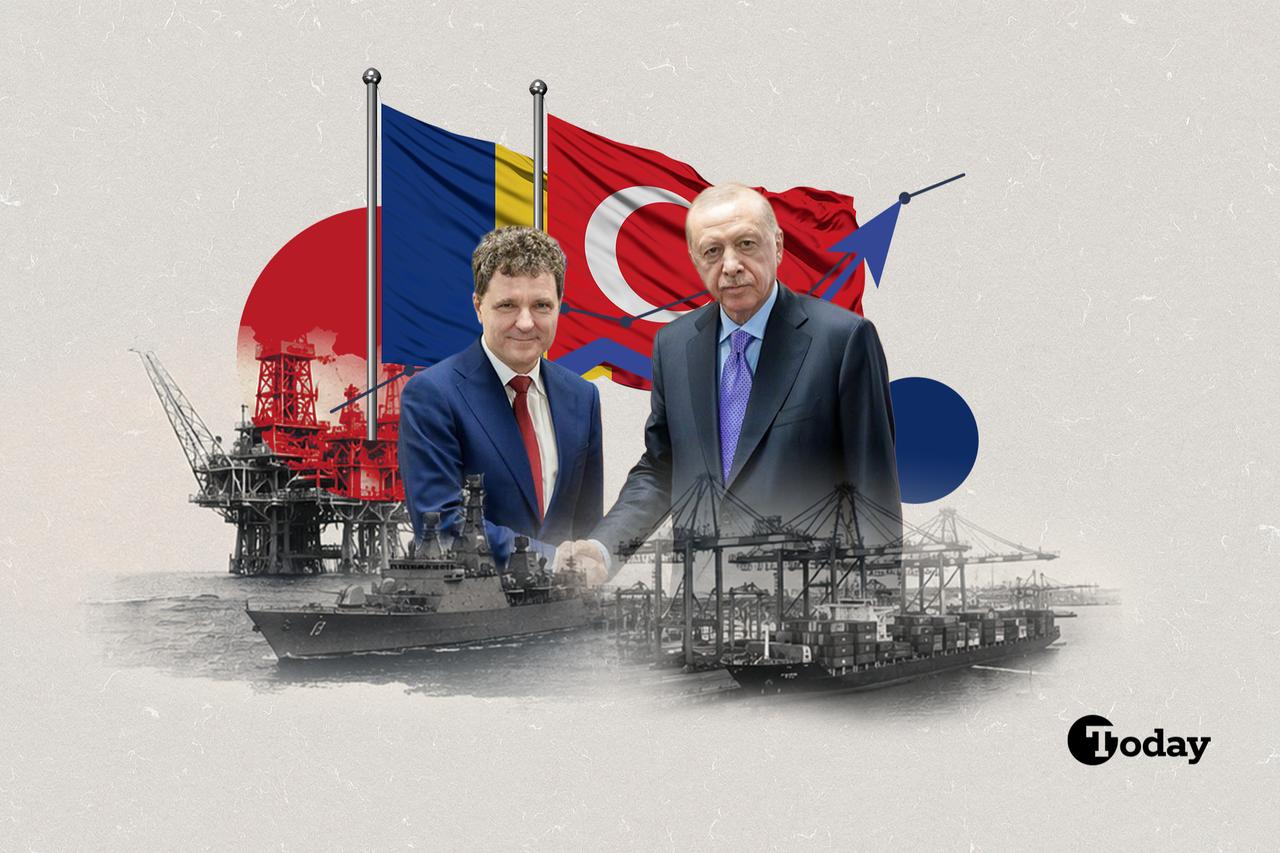
The EU security strategy now being drafted needs the Black Sea written into the body of the text while the pen is still being held, rather than added to the annexes once it is finished.
The Union found room for an Arctic flagship with Canada; the basin carrying Ukraine's grain, Europe's next offshore gas reserves, and the western end of the Middle Corridor deserves the same standing. The Maritime Security Hub should be established rather than proposed, and Romania should offer Constanța to host it.
Practical cooperation and the larger files should move together. Maritime domain awareness, demining, early warning, undersea infrastructure and military mobility can advance now, on the model already working in the basin.
Customs union modernization and visa facilitation should advance alongside them, because small projects offered in place of the substantial questions will be read in Ankara as a consolation prize, and correctly so.
And the Middle Corridor should be designed with Türkiye from the first meeting. A corridor drawn as though Anatolia were not there is barely more than a line on the map.
In July I wrote in these pages that Türkiye holds the key and Romania is the gate. Europe has now started building the rooms where the next decade of its security will be discussed.
The Black Sea is where a good part of that security will actually be decided, and the two capitals on this sea do not need an invitation to begin. We should begin together.


 Set as preferred source
 Set as preferred source


 1 min read