Newsletters




The old Pax Americana socket just blew a fuse.
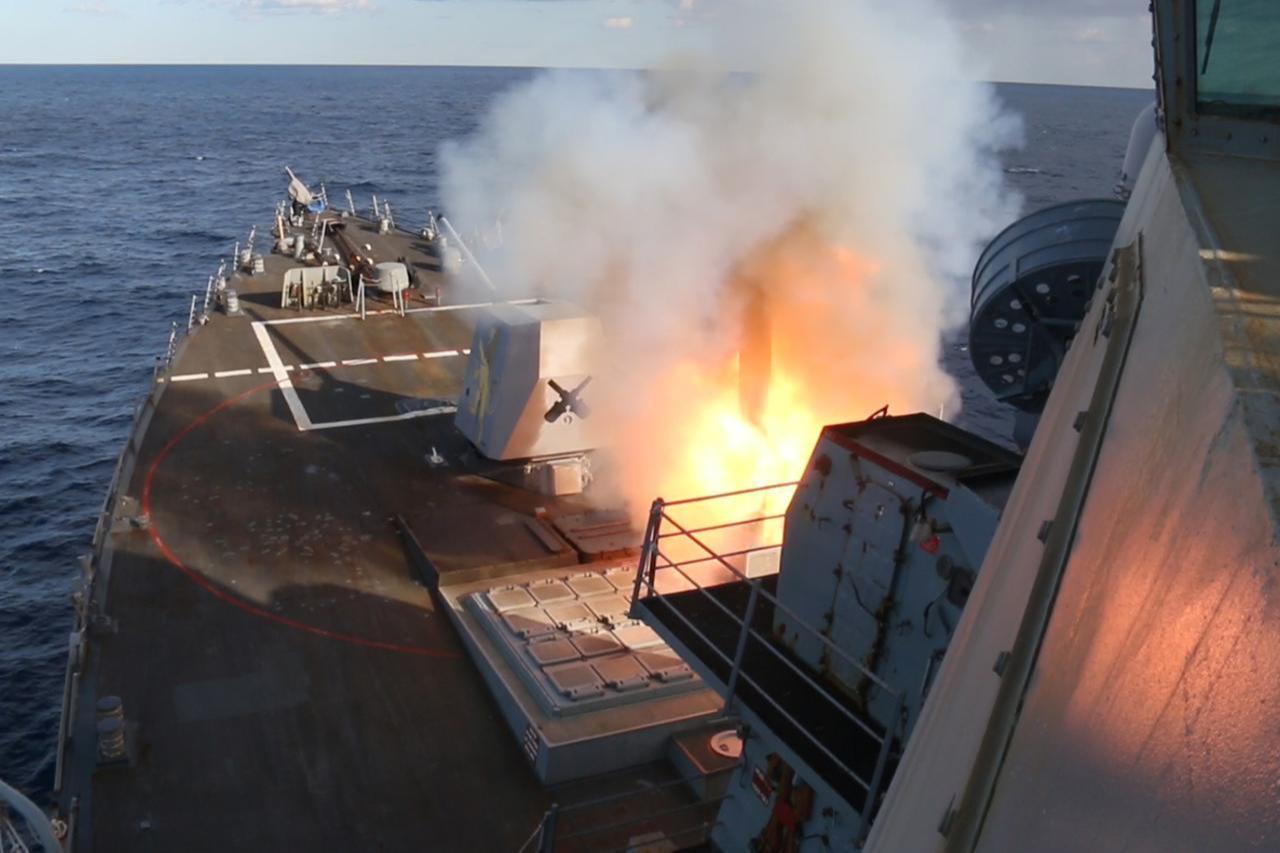
When missile salvos pierced Gulf skies that had drawn billions in tourism and development, they short-circuited decades of American strategic posture in the region.
The illusion of a comfortable, all-encompassing security umbrella shattered overnight with American lives lost. In its place emerged a volatile, tripolar Middle East where old allies form autonomous blocs, adversaries hold key global chokepoints, and legacy playbooks no longer apply.
Reading the room, the Trump administration realized it cannot force this new landscape back into a single outlet. To manage the shift, Washington updated its outdated playbook, checking its worst knee-jerk impulses, and swapped a blown single plug for a flexible, modular adapter. Here is how the new wiring actually works.

The post-1991 order ran on a single socket. One American security umbrella, with no peer competitor in the region, held Israel and Iran in a bipolar standoff. That arrangement is gone, and three blocs now fill the space, or what experts on the field would terminologically call: "tripolar order."
The first is the Israel-Abraham Accords axis: Israel, the UAE, Bahrain and Morocco, tied together by defense technology and a shared reading of the Iranian threat.
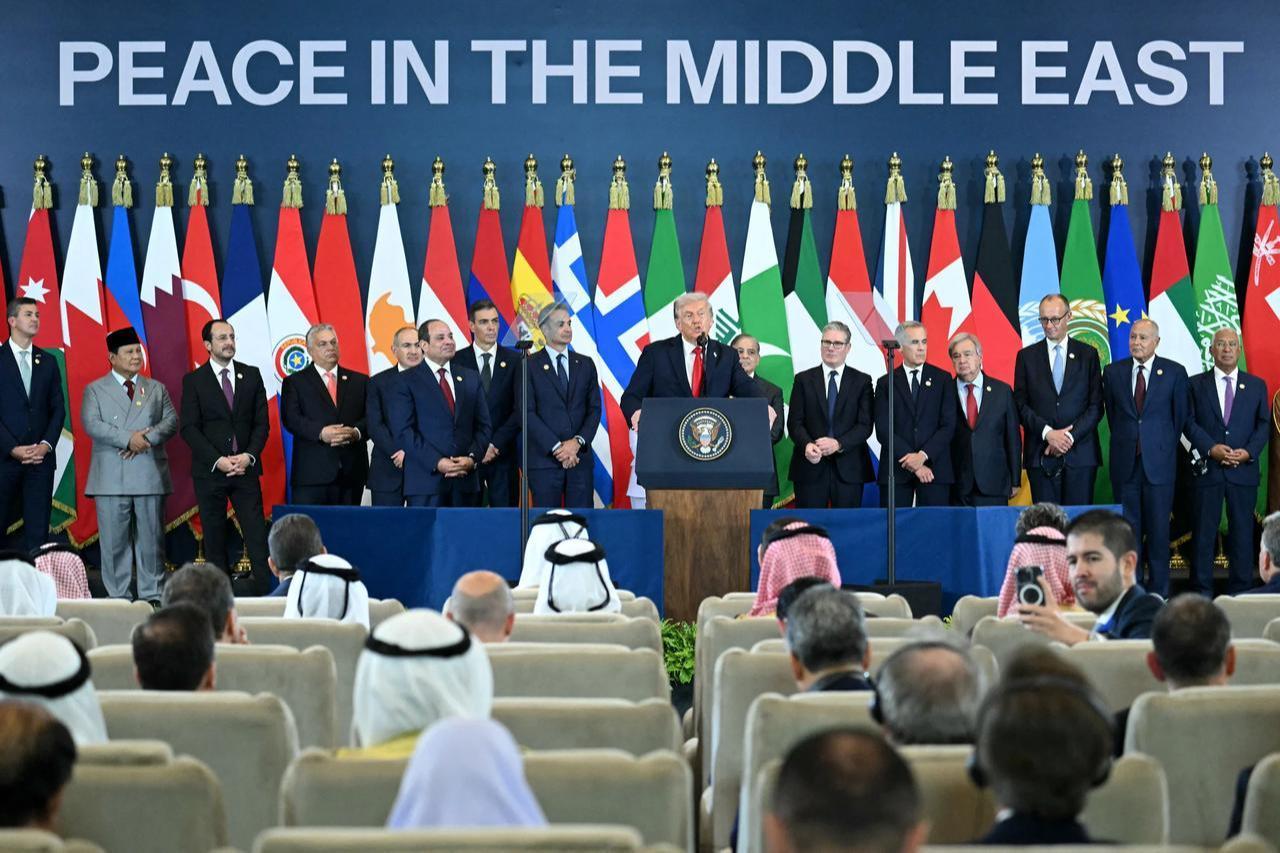
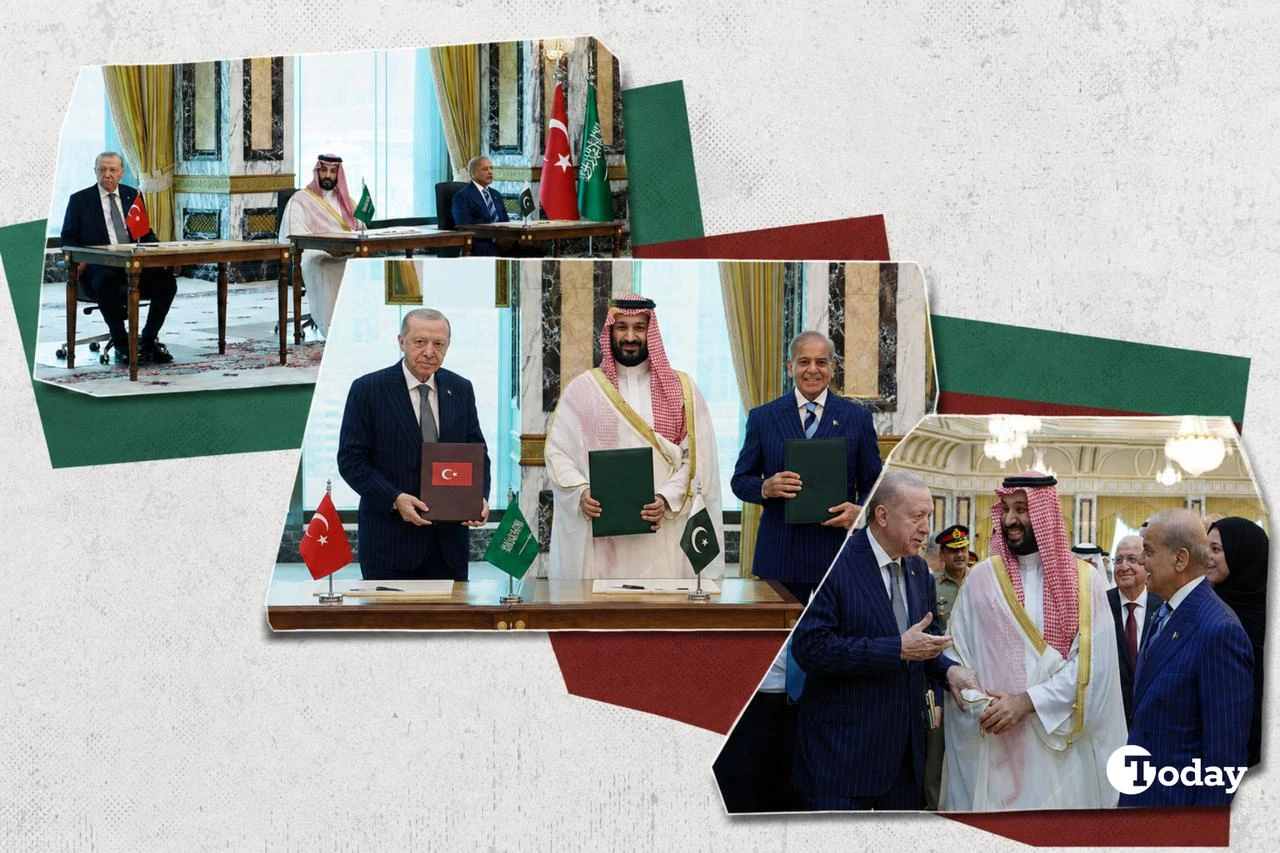
The second is the emerging Mecca pact, an exercise in regional agency aimed at gathering the once-bitten, coalition-shy heavyweights. Türkiye and Pakistan are in the conversation, Egypt is being courted hard, Syria and Qatar are warm and Algeria is close. The goal is an autonomous regional balance of power that does not wait on a call from Washington.
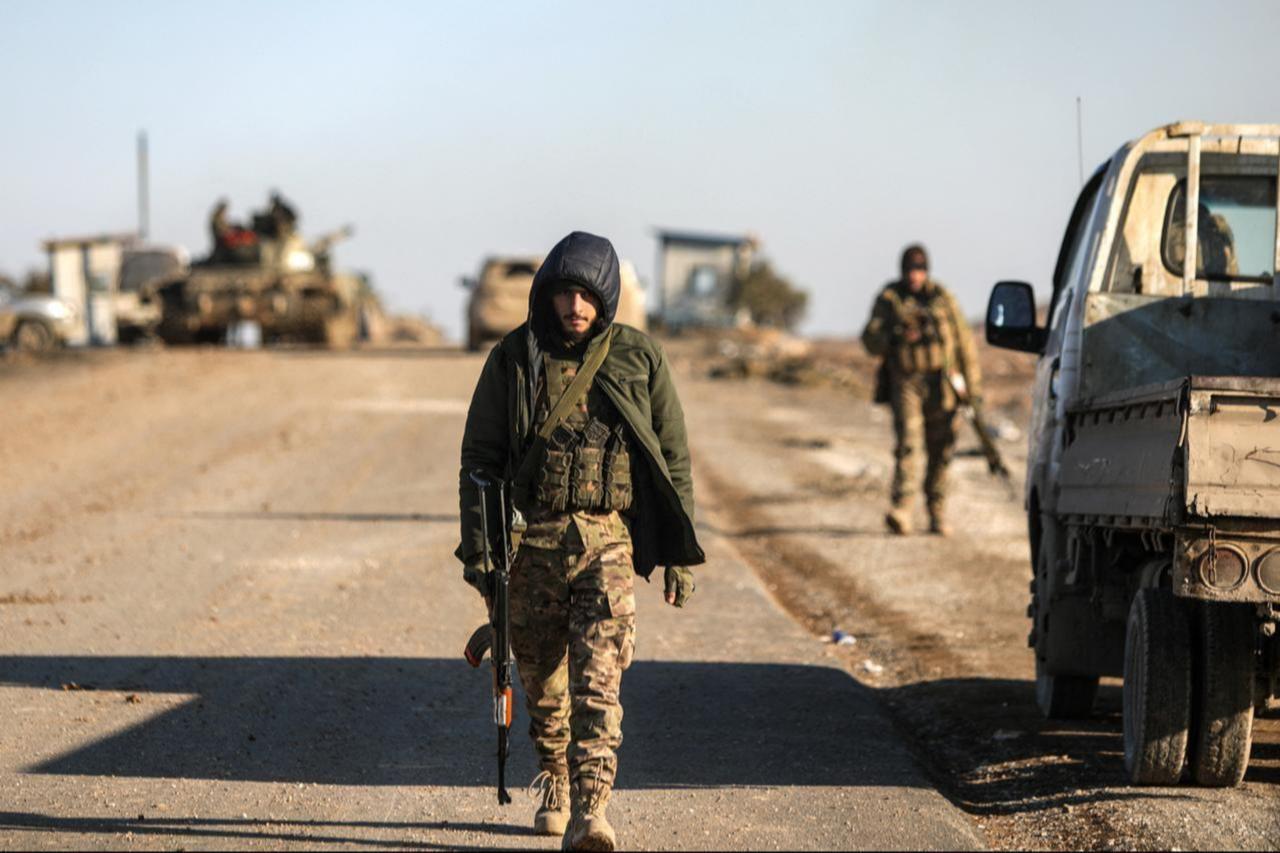
The third is Iran and its "Axis." Houthis, Hezbollah and Iraqi militias give Tehran leverage over Hormuz and Bab el-Mandeb, the two chokepoints through which Gulf energy reaches the world.
Although it remains generals’ guess how much longer the Iranian regime can hang on, or how long the Houthis can hold their ground, as long as a faction that has weathered months of battle and keeps taking offensive shots remains standing, a third camp is currently available and awake.
If American policymakers would struggle to adapt to this tripolar landscape, reflexivity may be to blame. Absent a coherent rewritten strategy, two equally flawed knee-jerk responses present themselves: an impulse to enforce legacy alliances by sheer muscle onto alignment, and an escapist desire to retreat into full-blown isolationism.
The first is the old-school "whipping allies into line" method. Forcing Saudi Arabia into a rigid, Israel-centered front against Iran ignores the sharp rivalry between Riyadh and Abu Dhabi and beyond. It also ignores how far the Palestinian issue still moves Arab public opinion. A bloc built on those blind spots breaks at its first test, yet the Trump administration seemingly didn’t take this option as an answer for the allies.
Since the onset of the Iran war, as Arab analysts have begun questioning whether U.S. military bases are an asset or a liability, proposals like a June report from the Jewish Institute for National Security of America (JINSA) have argued for pulling those bases back from Iran's reach and repositioning them in Israel.
The fix is architectural. Washington has tried to run the region through a single outlet and the Abraham Accords was the ultimate attempt at it. A power strip lets different devices draw from the same source without forcing them into the same shape. In security terms, that means a dual-track modular grid.
Rather than a recommendation, this approach is less a proposal than a picture of the current trajectory.
The first socket powers Israel and its Abraham Accords partners, the high-tech integrated defense grid. Capital acts as the high-voltage current feeding CENTCOM’s integrated air and missile defense network while also charging joint initiatives in fields like AI.
Track two handles the Mecca pact. Unlike the previous group, this part of the alliance is more conventional, obvious in its demands like F-35s or nuclear sharing. Washington already frames the pact as burden-sharing rather than defection.
When the region's major trading powers can deter aggression among themselves, fewer American ships and troops are needed to hold the line. Washington can stay in the background as an offshore balancer, stepping in only when the voltage swings too far.
The grid also has to tolerate hedging. Some partners will do business with China. Others will cut local de-escalation deals with Iran. In a rigid system, that counts as betrayal. In a modular one, it is redundancy: if one line trips, the others stay lit. A Gulf capital that keeps a channel open to Tehran is installing a circuit breaker.
Rivalry runs inside the axes as well as between them. Riyadh is wary of an Israel-UAE expansion of influence, and Israel and Türkiye are already competing for sway in the Levant. Washington's most useful job may be keeping its own friends from colliding. American diplomatic leverage can work as a referee, preventing a direct confrontation before it starts.
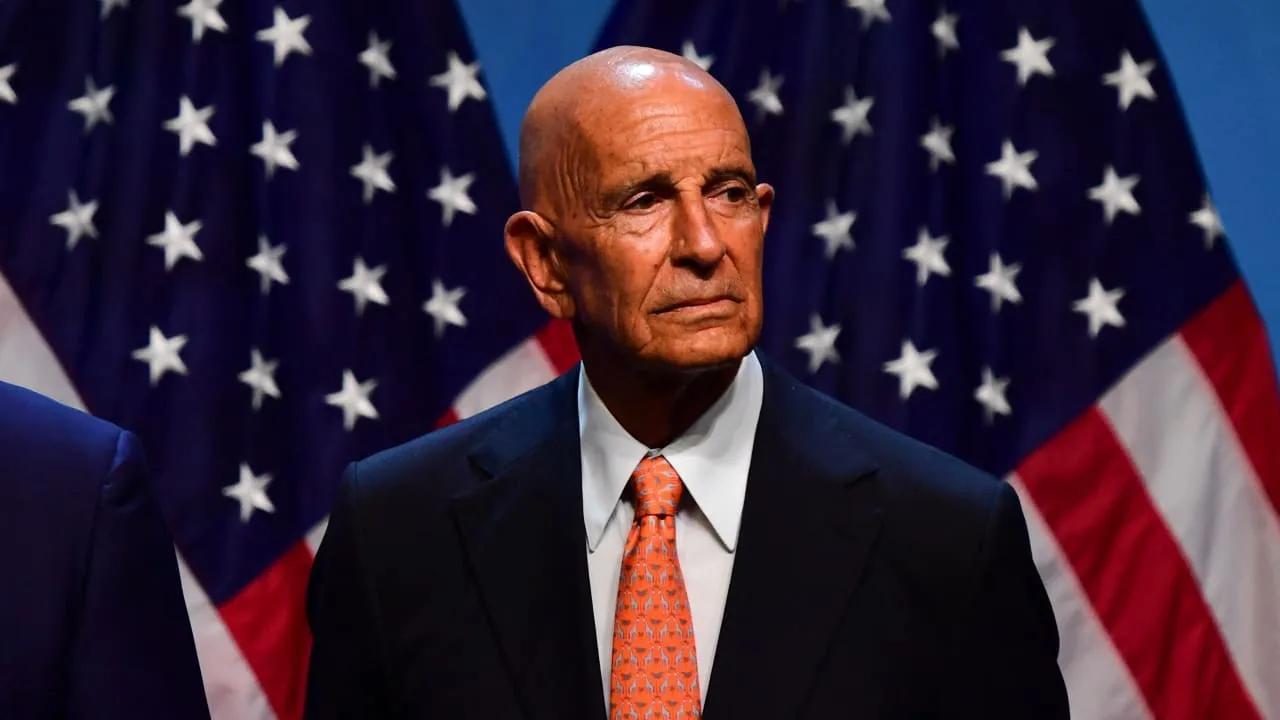
As evidenced by the efforts of Washington’s point man in the region, deep structural groundwork is already being laid to realize this project. Ambassador Tom Barrack leverages American influence in post-Assad Syria, a recovering Lebanon, and Iraq to bolster sovereign institutions by folding armed non-state groups into central governments.
A state that controls its own firepower creates a buffer zone between regional rivals, ensuring their friction wears down against a bumper rather than sparking a direct collision.
The era of Pax Americana in the Middle East is over. Washington's role as architect, arbitrator and balancer matters more now than it did when the umbrella worked.
A dual-track modular architecture lets regional partners carry more of their own security, keeps the United States out of conflicts with no exit, and protects the interests that justified American presence in the first place: open shipping lanes, stable energy flows and no single power in control of the region.
The old socket has melted into the wall with the war in Iran. Nobody has to admire the new wiring, but the lights need to stay on.


 Set as preferred source
 Set as preferred source


 1 min read
 1 min read