Newsletters


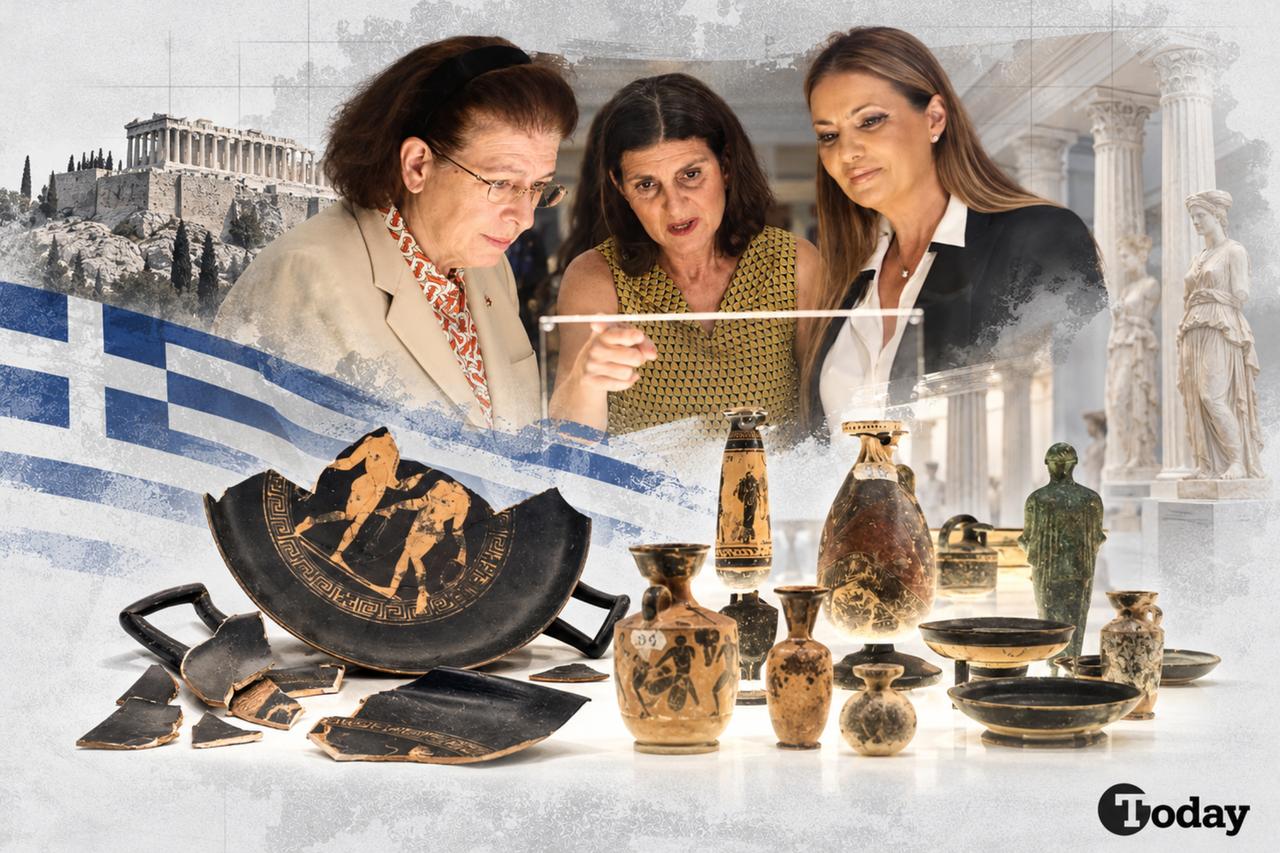


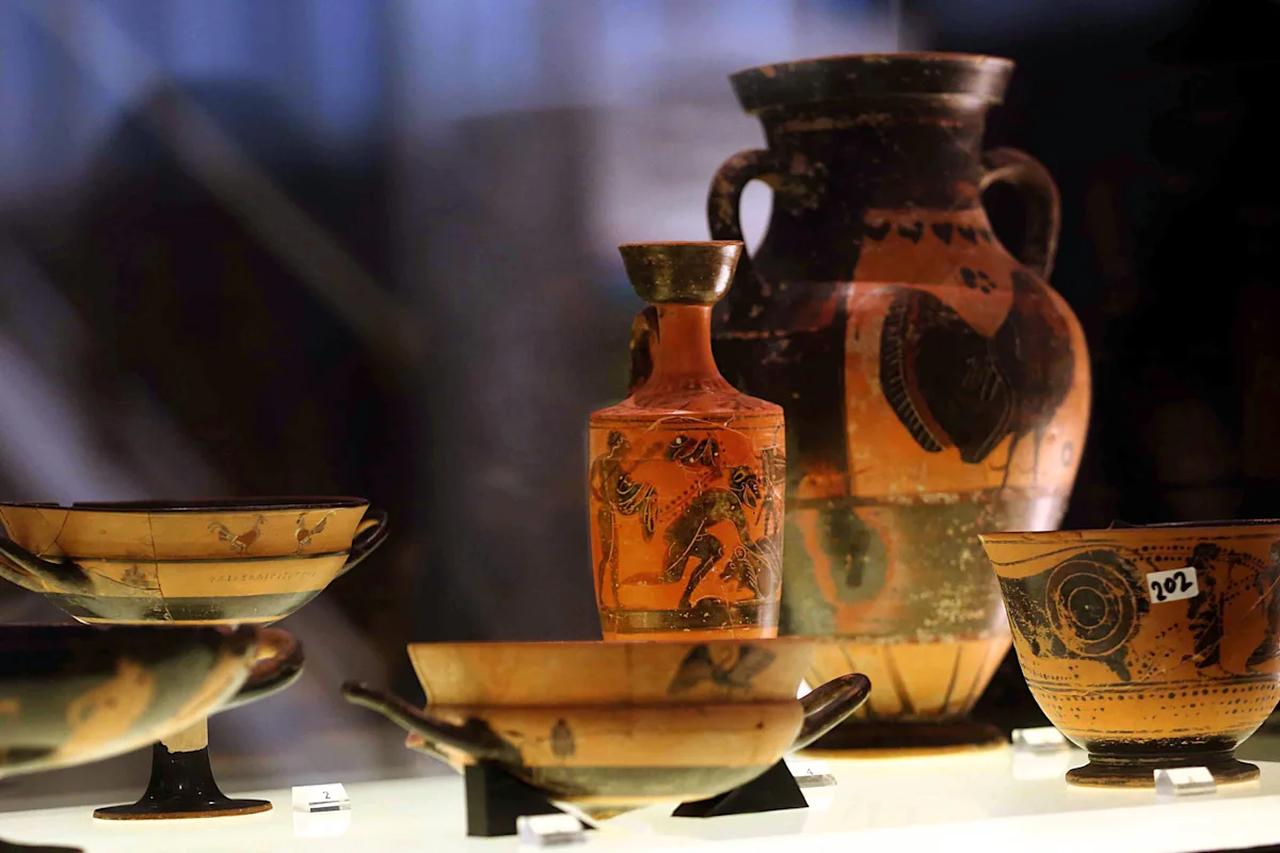
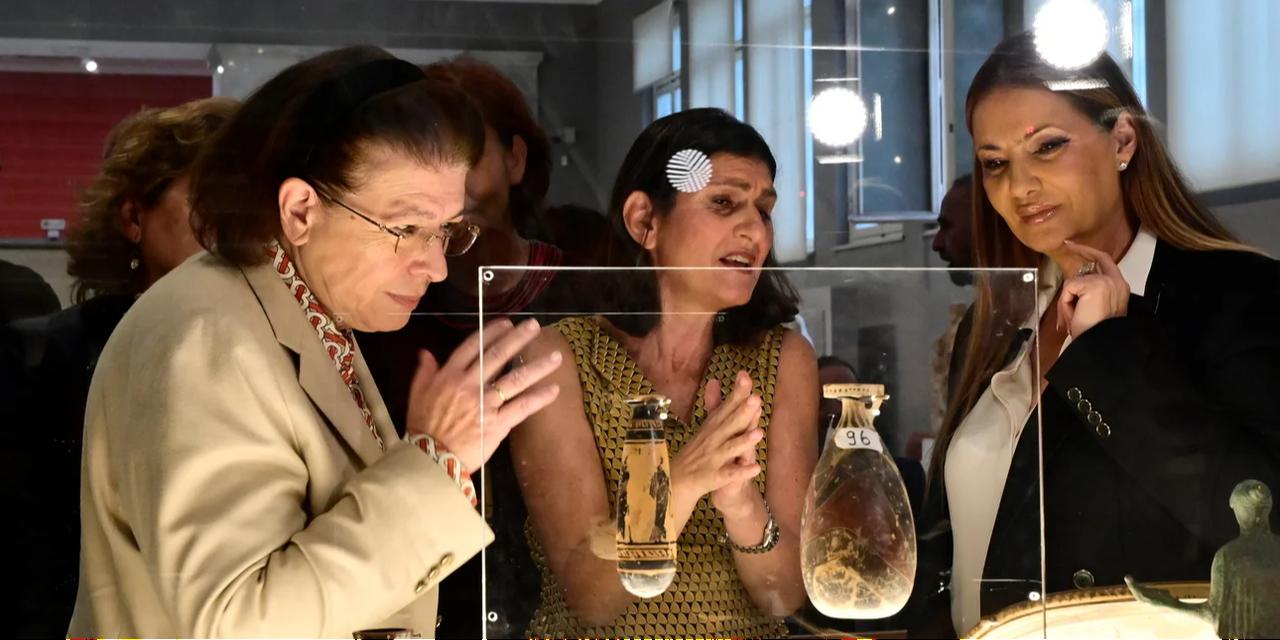
Athens' National Archaeological Museum received a bronze figurine and a set of painted vases, some 2,500 years old, last month. Six years earlier, Israeli investigators had seized them in an antiquities-trafficking probe.
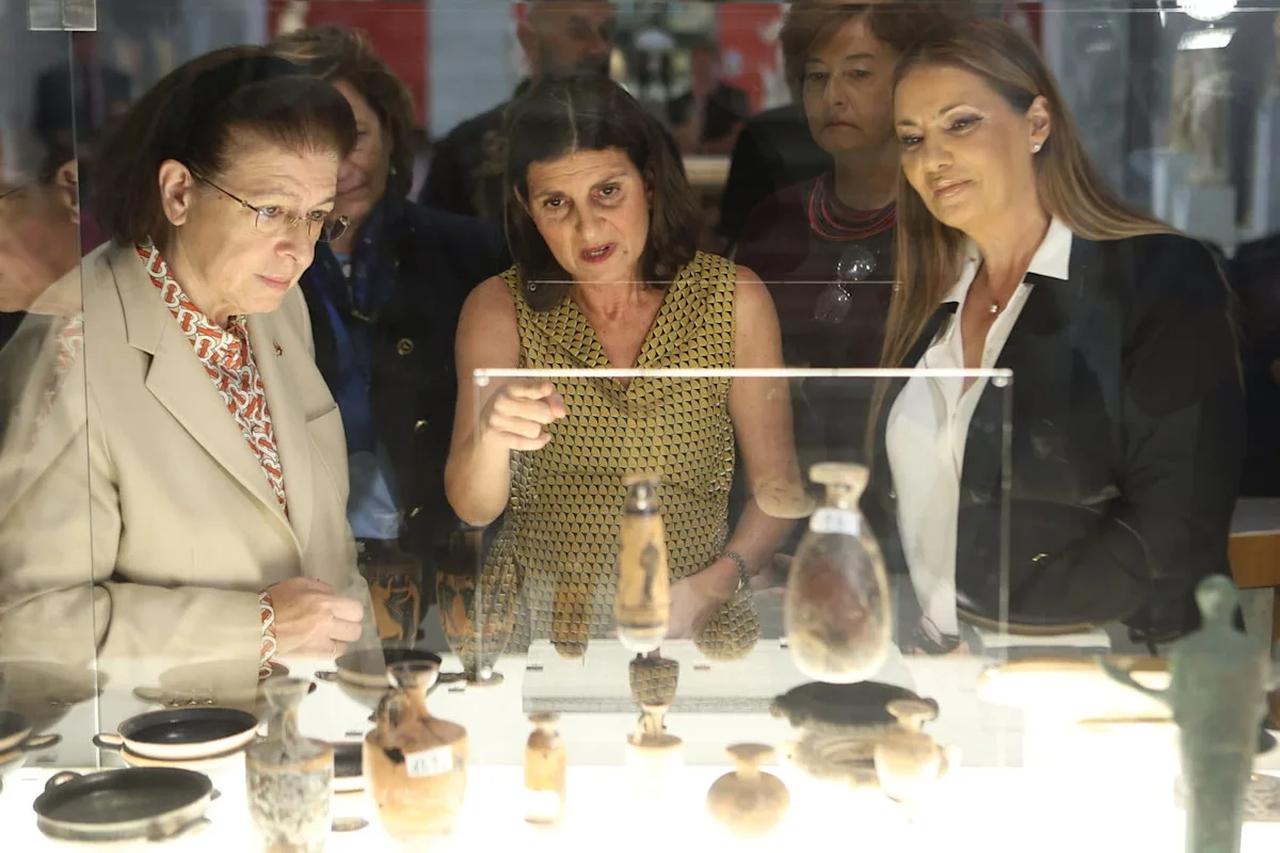
On Oct. 13, 22 artifacts, including ceramics from Attic and Corinthian workshops, were handed back to Greece in a ceremony attended by Culture Minister Lina Mendoni and Israel’s ambassador, Pninat Yanay.
Mendoni described the restitution as an important step in cooperation between the two countries to protect cultural heritage, while Israeli representatives emphasized historical friendship and mutual respect. What took place inside a museum gallery thus became a cultural expression of the relationship between the two nations.
At first glance, this appears to be a routine, even welcome, development. Archaeological artifacts that had circulated illegally were returned to their country of origin, fulfilling obligations under international law and the principles of cultural heritage protection.
Yet history has a peculiar habit. Sometimes, a small object created thousands of years ago can bring the great political questions of our own time into sharp focus.
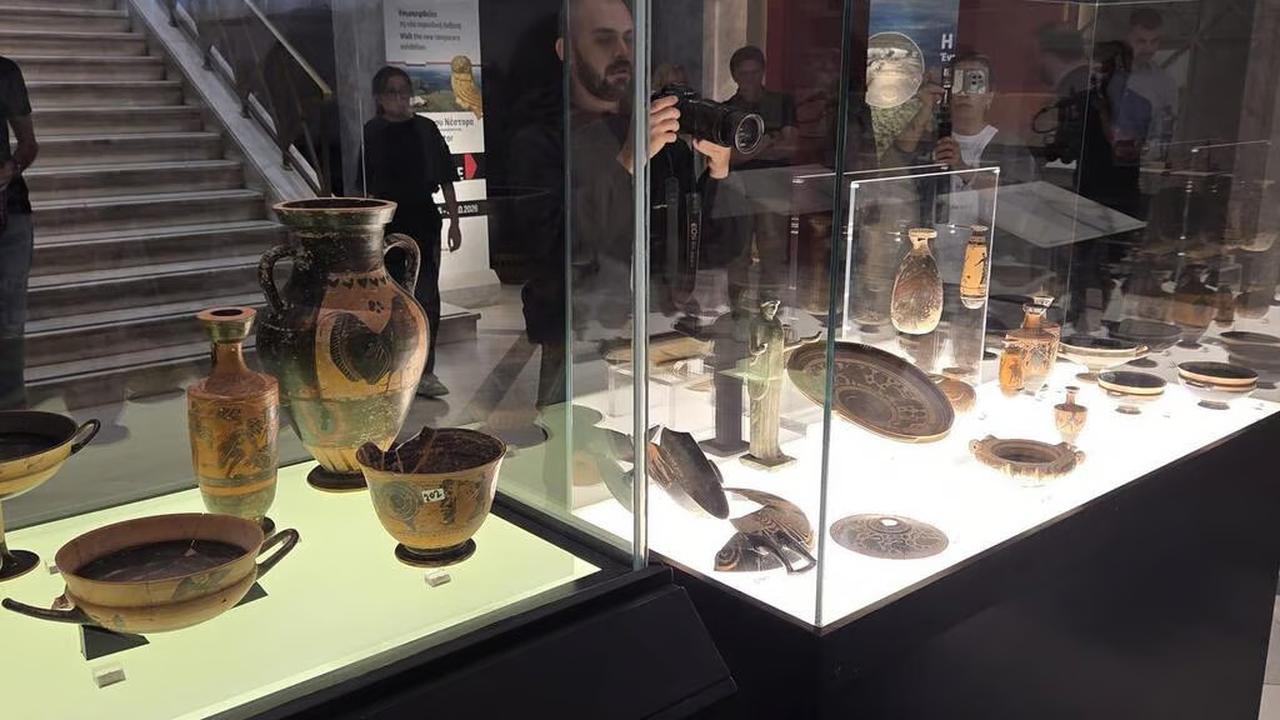

The ceramics returned to Athens depict gods, heroes and scenes of everyday life from the ancient world. When these objects were created, none of today's nation-states existed. There was no Israel, no modern Greece and none of the political borders that now define the Eastern Mediterranean.
Nevertheless, their return took place at a moment when those very borders and alliances are once again being debated.
Ancient artifacts belong to the past, but decisions about when, how and through which ceremonies they are returned belong to the politics of the present.
For this reason, Israel's restitution of the artifacts to Greece cannot be viewed solely as a matter of cultural heritage protection.
Behind the ceremony in Athens, we must also recognize the shifting balance of power in the Eastern Mediterranean, the growing strategic alignment between the two countries and the increasingly apparent moral contradictions surrounding the protection of cultural heritage.
Israel's restitution ceremony in Athens was presented as an example of respect for cultural heritage and international cooperation.
Yet when we consider the same state's role in military attacks on Iran just months earlier, along with the destruction in Gaza, the moral contradiction underlying this narrative becomes difficult to ignore.
During the Israeli and American attacks on Iran in 2026, Tehran's Golestan Palace, a UNESCO World Heritage Site, was damaged. The historic urban fabric of Isfahan also faced threats arising from the war. The deadly attack on a girls' elementary school in the Iranian city of Minab demonstrated, with devastating clarity, how war can also destroy children's lives.
What has happened in Gaza, meanwhile, is far too grave to be understood solely through the destruction of cities, historic buildings and cultural heritage.
Israel's military operations in Gaza, which have been at the center of accusations of genocide, have claimed tens of thousands of lives while inflicting devastation on the living conditions, collective memory and future of Palestinian society.
In a place where children have been killed, families wiped out, and hospitals, schools, universities and places of worship damaged or destroyed, the loss of cultural heritage is inseparable from the broader humanitarian catastrophe.
Genocide threatens not only the physical existence of a people but also a society's ability to sustain itself, maintain its connection to the past and pass its collective memory on to future generations.
The destruction of historic buildings, archives and cultural spaces in Gaza must be understood within this broader context.
That is precisely why presenting Israel's restitution of artifacts to Greece as evidence of ethical sensitivity is unconvincing.
Returning artifacts that have entered circulation illegally is already a responsibility that must be fulfilled. Meeting that obligation does not automatically grant a state moral legitimacy for its policies elsewhere.
The contradiction lies in the way concern for cultural heritage becomes selective, shifting according to political friendships.
The distance between the care shown toward Greece's ancient artifacts and the response to destruction in Iran and Gaza also reveals the limits of cultural diplomacy.
Can a state's respect for the past be measured solely by how carefully it protects the heritage of its allies?
Perhaps the real test of ethical commitments to cultural heritage protection comes not in relationships between friends, but amid war and competing political interests.
We know that the growing alignment between Israel and Greece extends far beyond cultural heritage.
In recent years, the two countries have developed an increasingly strong partnership in energy, security and defense. The geography of this relationship is no coincidence: the Eastern Mediterranean.
Given the region's energy resources, competing maritime claims and security policies, it seems impossible to evaluate this relationship independently of Türkiye.
Türkiye's ties with Libya, its position on the Cyprus issue and its policies concerning maritime jurisdiction in the Eastern Mediterranean are among the major factors shaping Greece's regional strategy.
Planned energy connections involving Greece, Cyprus and Israel are not merely economic investments. They are also initiatives that will help shape the region's political and geopolitical future.
One important objective of the growing military cooperation between Israel and Greece is to limit Türkiye's influence in the Eastern Mediterranean and shift the regional balance of power in their favor.
Although it would be inaccurate to suggest that this partnership is shaped exclusively around Türkiye, Ankara's regional policies remain among the principal factors influencing security cooperation between Athens and Tel Aviv.
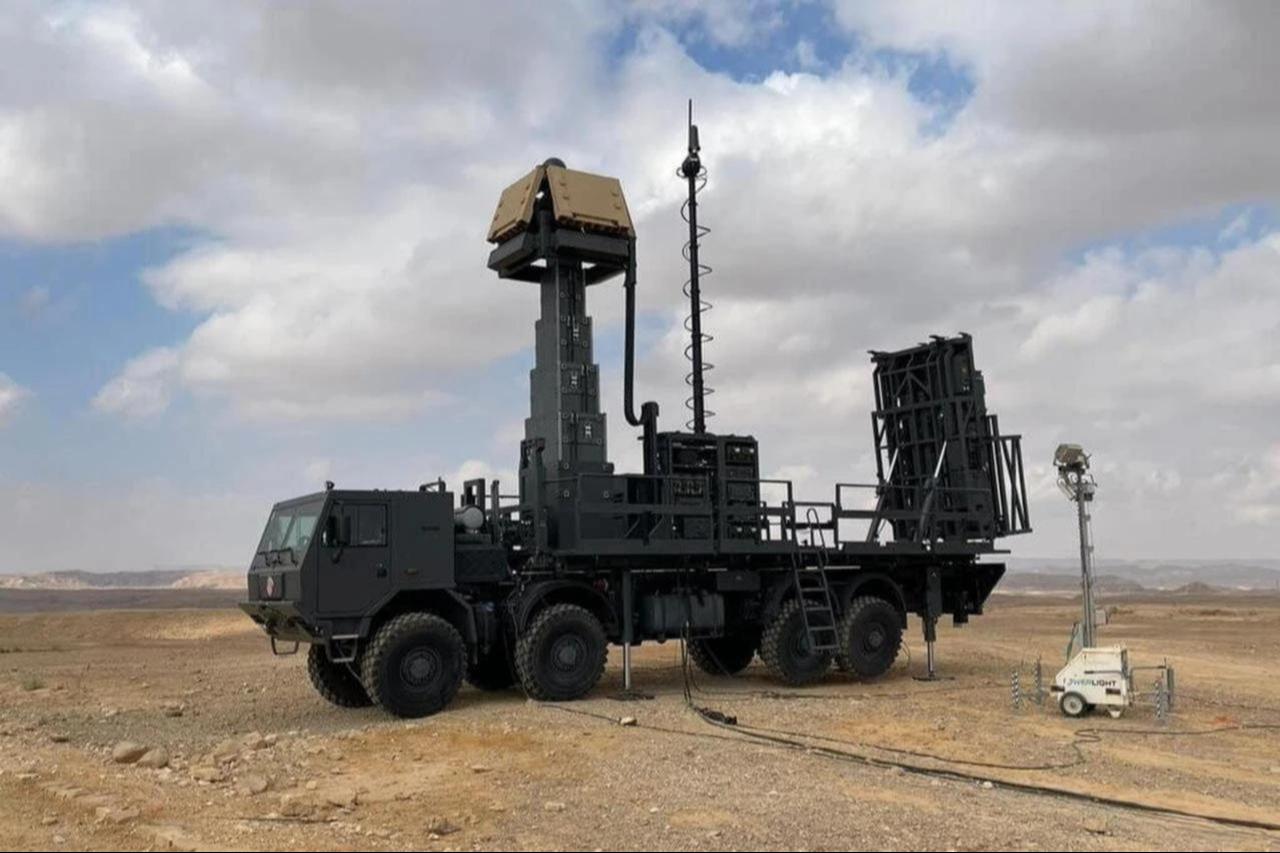
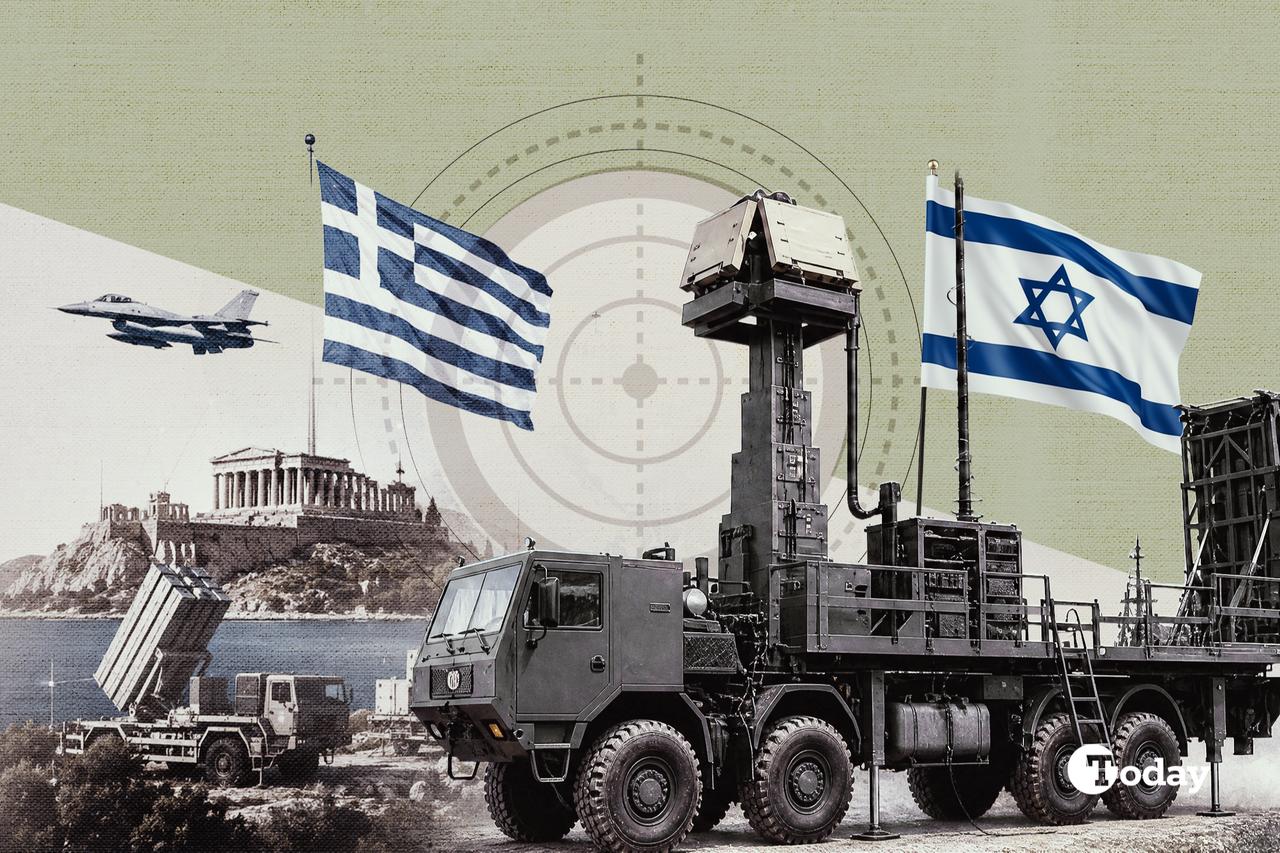
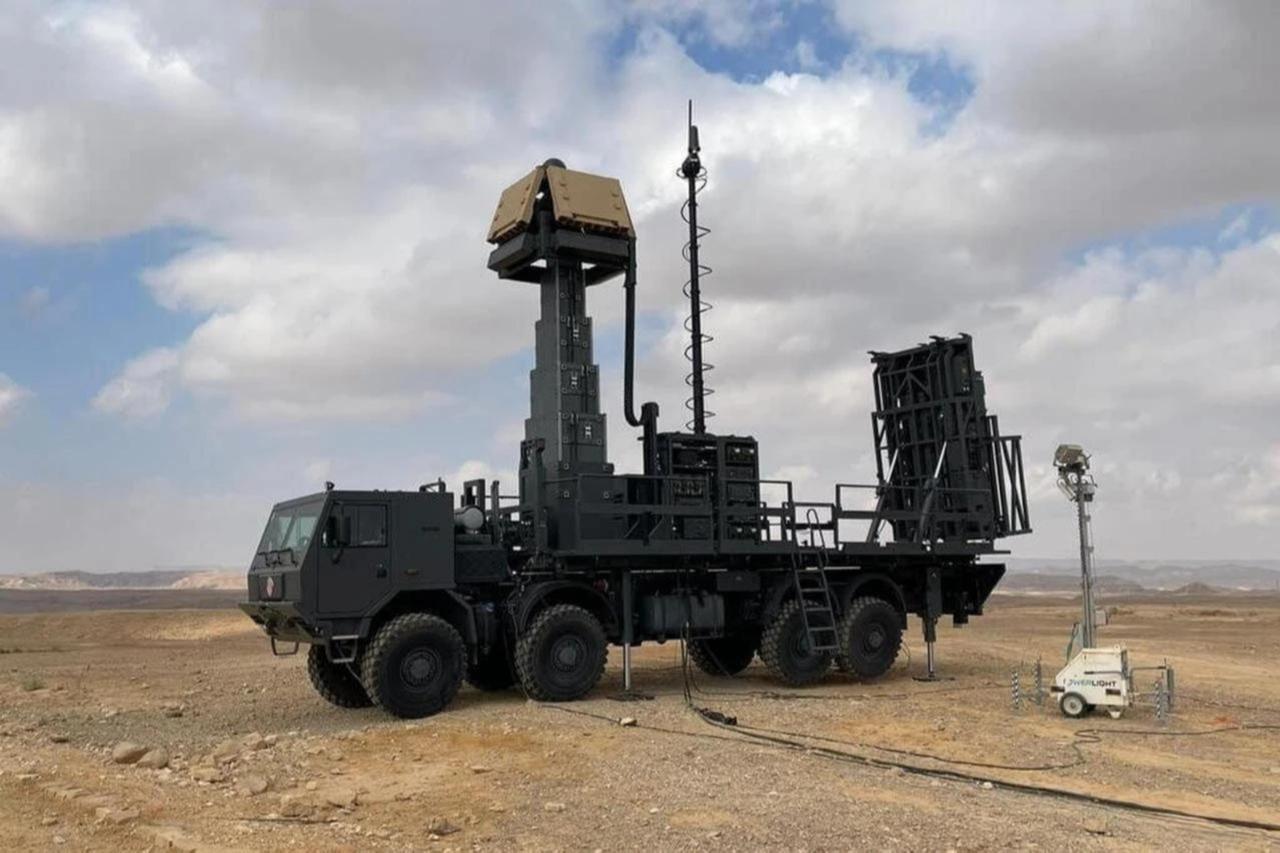
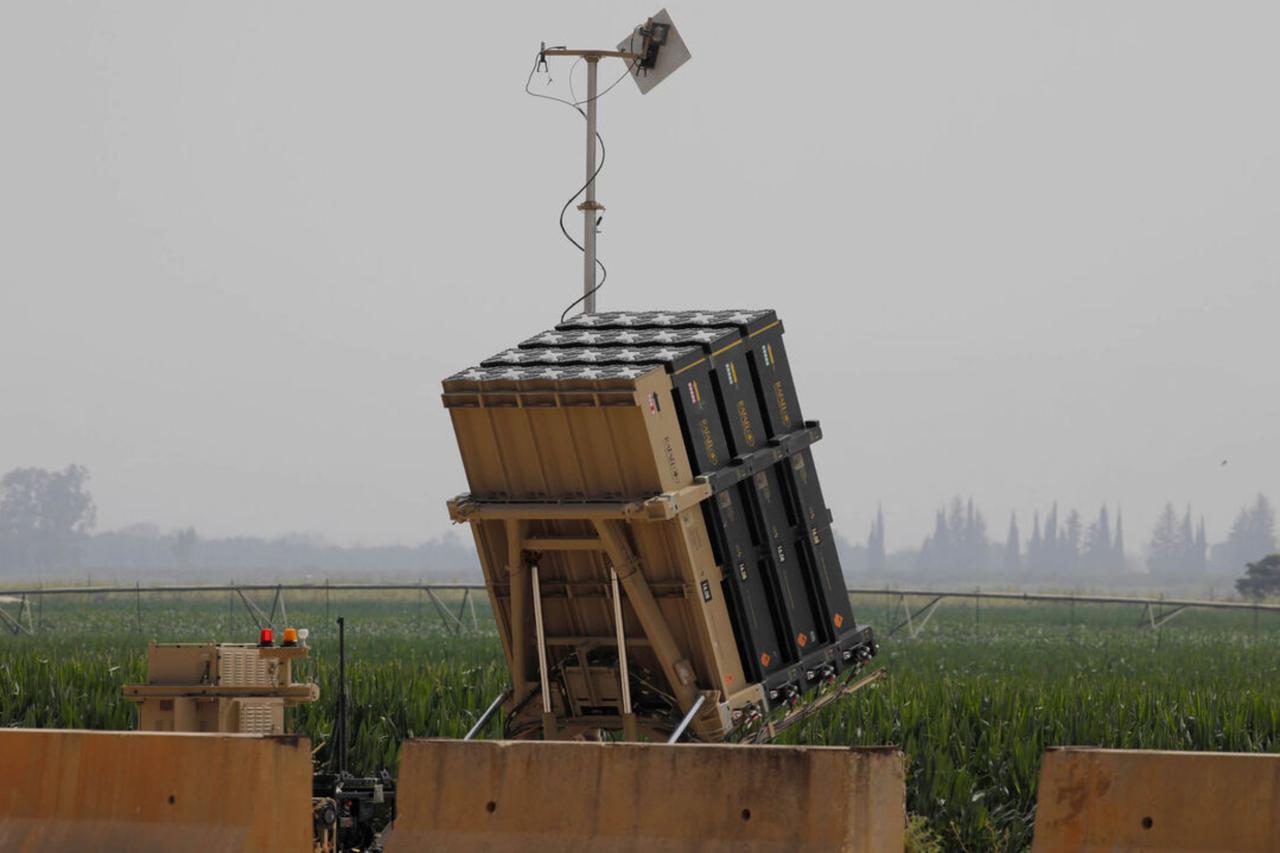
One concrete example is Greece's planned Achilles Shield air defense project, which is expected to incorporate Israeli technology.
Named after Homer's most famous warrior, the system is intended to strengthen Athens' military capabilities and its deterrence against Türkiye.
In this way, disputes in the Aegean and Eastern Mediterranean are also reflected in the two countries' defense partnership.
Yet what interests me more than the military technology itself is the name chosen for the project.
In Book 18 of Homer's "Iliad," the shield forged for Achilles by Hephaestus was not merely an object designed to protect a warrior.
The god engraved an entire world upon its surface.
Cities, fields, weddings, courts, harvests, dances and scenes of warfare appeared side by side. Nearly every dimension of human life was brought together on the surface of an instrument of war.
Homer's shield depicts not only warfare but also the life that warfare threatens.
The decision to give the same name to a modern air defense system reveals how the ancient world is being reinterpreted to serve contemporary political needs.
An object through which Homer portrayed the entirety of human existence has become, approximately 3,000 years later, a symbol of regional military deterrence.
And one of the partners in this transformation is Israel.
On one hand, the country returns ancient Greek artifacts while emphasizing its respect for cultural heritage. On the other, it cooperates in developing a defense system named after one of Greek mythology's most formidable warriors.
This convergence is what elevates the restitution ceremony in Athens beyond an ordinary story about museums and antiquities.
Whom does the Achilles Shield protect today?
More importantly, what regional power relationships has it come to symbolize?
The answers to these questions should be sought not only in mythology but also on the contemporary political map of the Eastern Mediterranean.
The relationship between cultural heritage and politics is nothing new.
Since antiquity, those in power have drawn upon the heroes, monuments and narratives of the past to reinforce their own legitimacy.
The role museums played in the formation of modern nation-states was no exception.
Museums did more than preserve objects inherited from earlier civilizations. They also became places where nations constructed the stories they told about themselves.
Often political choices determine which artifacts would be displayed, which historical periods would receive greater attention and which forms of heritage would be incorporated into national identity.
Today, the restitution of cultural property can similarly lend historical depth to relationships between states.
In the relationship between Israel and Greece, the return of ancient artifacts reinforces a narrative of friendship, while the Achilles Shield reveals the military dimension of that same rapprochement.
There is no evidence that the restitution was planned in connection with defense cooperation. Nevertheless, it is difficult to interpret a decision involving cultural heritage entirely apart from the political environment in which it was made.
The ceramics returned to Athens will continue to tell the stories of the ancient Greek world.
But their return now has a story of its own: one of shifting alliances in the Eastern Mediterranean and the political legitimacy constructed through the past.
History offers an intriguing irony here.
The tomb traditionally attributed to Achilles, whose name Greece has chosen for the defense system it plans to develop with Israel, is located near Yenikoy, in the Ezine district of Canakkale, in northwestern Türkiye.
This burial mound, associated with Achilles in ancient tradition, rises near the shores of Troy, on Anatolian soil.
Here lies another problem with drawing historical heroes into contemporary political struggles.
The past does not remain confined to the heroes we choose to summon.
When Achilles is brought into today's political and military calculations, the appearance of Paris on the opposing side becomes almost inevitable.
Homer placed two cities upon Achilles' shield: the City of Peace and the City of War.
In the City of Peace, wedding processions move through the streets, young people dance and ordinary people share in the joys of everyday life.
In the City of War, there is siege, conflict and death.
On the same shield, two different worlds are depicted: one expressing the continuity of life, the other its fragility.
Nearly 3,000 years later, Achilles' name has once again been given to a shield.
But the question Homer left us is not how powerful that shield might be. It is which of the two cities depicted upon it we choose.
Because what determines the future is not the shields we build, but the kind of city we choose to build behind them.


 Set as preferred source
 Set as preferred source


 2 min read
 1 min read