Newsletters




This article was originally written for Türkiye Today’s weekly newsletter, Saturday's Wrap-up, in its September 19, 2026 issue. Please make sure you subscribe to the newsletter by clicking here.
In Anatolia, there is a cultural memory etched so deeply into the collective consciousness that it surfaces uninvited.
When personal sorrow strikes, or when sadness settles in for no reason, people across Türkiye find themselves humming or singing the folk song known as “Yemen.”
It is one of Türkiye’s iconic folk songs that mourn the tragic fate of Ottoman soldiers dispatched to the harsh, remote deserts of Yemen during the fall of the empire, young men who marched away from their villages and never returned home. Most of their names, and numbers, were never recorded. Yet, their fate left a mark on the Turkish psyche.
The song captures the profound bewilderment and grief of families left behind, listening to reports of distant conflicts they could neither comprehend nor survive:
“There are no clouds in the sky, what is this smoke?
There is no death in the neighborhood, what is this cry?
These lands of Yemen are so ruthless.
Oh, it is Yemen, its rose is but a meadow.”
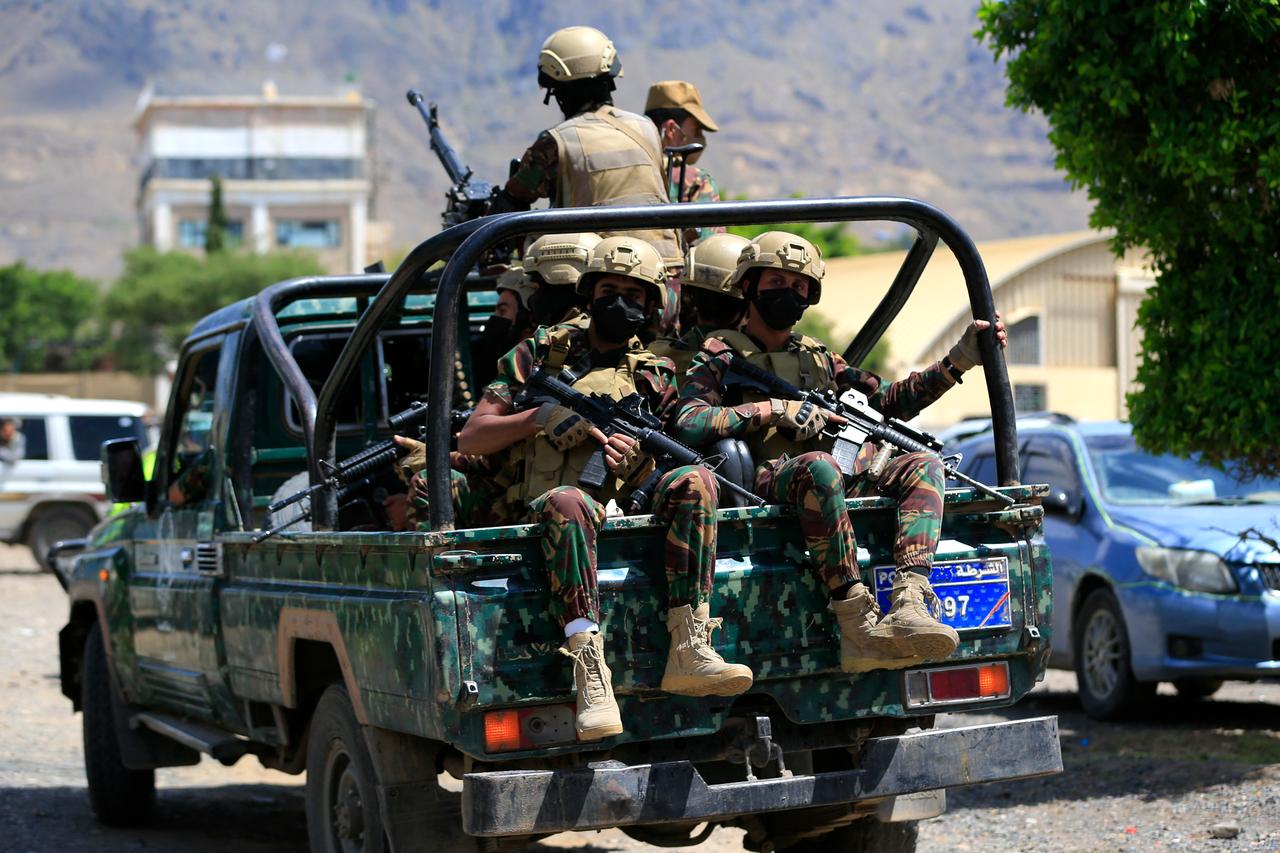
I doubt this is a popular folk song in Syria, but Damascus certainly understands its central lesson: Yemen brings nothing but ruin to any forces drawn into its sands, and Syria knows full well that getting tangled there would have invited immense trouble had they accepted Riyadh's recent overtures. It is not yet a fully functioning country, let alone one that can afford foreign adventures.
This reality was underscored by our exclusive report published on Friday in Türkiye Today. According to diplomatic and security sources, Saudi Arabia recently made a formal request to Damascus to organize and deploy Syrian fighters to bolster anti-Houthi operations along Yemen's active frontlines. Riyadh has spent months exploring external recruitment channels to meet its operational needs, but the Syrian leadership firmly but politely rejected the proposal.
Damascus communicated that the Syrian armed forces are strictly committed to domestic consolidation and preserving sovereign stability after more than a decade of devastating civil war.
While private individuals might still attempt to travel independently, Syrian authorities made it clear they will not sponsor, organize, or endorse state-backed expeditions to the Arabian Peninsula.
Importantly, the report also put an end to persistent regional rumors suggesting that Ankara was running an organized transfer pipeline sending Syrian fighters to Yemen alongside Turkish personnel. Regional and Turkish security officials completely dismissed these claims as baseless fabrications.
With regional states unwilling to sacrifice ground troops in Yemen’s interior, the strategic paradigm has shifted decisively from offensive ground maneuvers to defensive containment.
No matter what happens, Yemen is becoming an increasingly present part of Türkiye's life due to the Mecca pact. An important note should be highlighted here: Türkiye still needs Parliament's approval to activate the defense agreement signed with Saudi Arabia, and Pakistan.
Rather than contemplating ground incursions into Yemen, the Mecca pact focuses on high-tier defensive capabilities. Saudi Arabia’s primary vulnerability remains Houthi missile and asymmetric drone salvos targeting its critical energy nodes, desalination infrastructure, and commercial centers.
However, defensive umbrellas do not exist in a geopolitical vacuum.
Blunting the Houthis’ missile strike capabilities directly degrades one of Tehran’s most effective regional deterrence tools. While Ankara maintains zero interest in joining direct hostilities inside Yemen, shielding the Gulf from Houthi strikes inevitably places Türkiye in indirect friction with Iranian strategic interests.
When evaluating Tehran’s likely reaction, a full diplomatic rupture between Ankara and Tehran remains improbable, as both capitals have spent decades mastering the art of managed competition.
Instead, regional observers should anticipate calculated asymmetric pushback. At the diplomatic level, Ankara should expect cooled bilateral communication and heightened friction over unresolved dossiers in Syria and the South Caucasus, accompanied by persistent backchannel pressure from Tehran.
Simultaneously, Turkish planners must watch for vulnerabilities in secondary operational theaters, particularly in the Horn of Africa. While Iran lacks established state-level proxy networks in Mogadishu, opportunistic non-state actors like al-Shabaab, who have historical transaction records with regional arms networks, could theoretically be leveraged to conduct symbolic disruptions against Turkish interests.


 Set as preferred source
 Set as preferred source


 6 min read