Newsletters


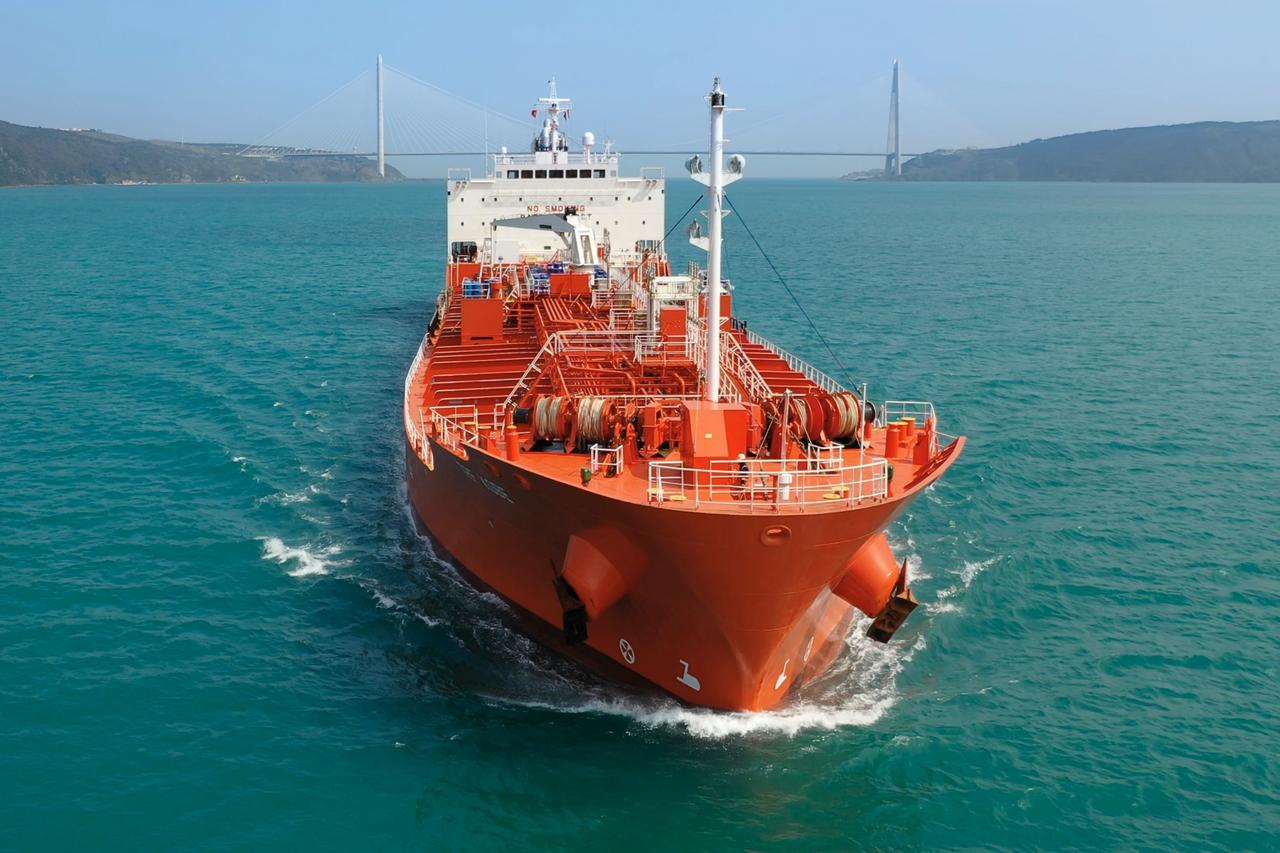


We, as the Insurance Association of Türkiye (TSB), are closely monitoring attacks on commercial vessels in the Black Sea and the growing security risks facing maritime transport.
Our priorities are protecting the lives of seafarers, ensuring the continuity of trade, and making sure shipping activities can continue with appropriate insurance coverage.
Rising war risks in the region are directly affecting insurance and freight costs. On some routes, we are seeing war-risk insurance premiums increase several times over.
However, it would be wrong to generalize these increases to all Black Sea shipping.
Insurance costs vary depending on the vessel's characteristics, the cargo being carried, the route taken, the scope of coverage, and its duration.
The cost of insuring a vessel against war risks must also be assessed separately from the insurance cost of the cargo it carries.
The main issue here is not just rising insurance premiums but ensuring that trade can continue under sustainable and insurable conditions.
Information from our industry indicates that rising risks are reducing trade and insurance volumes in the region, with some shipments being redirected to alternative sea routes or shifted to road transport.
At the same time, shipments linked to Russia and Ukraine continue under different conditions.
Trade in the Black Sea is adapting to changing risks and carrying on.
Based on the market information available to us, there is no general suspension of insurance coverage for shipments to Bulgaria and Romania. However, insurance companies may apply different risk assessments and reinsurance conditions.
Shipments linked to Russia and Ukraine may face restrictions arising from existing reinsurance agreements and sanctions.
The September update by the London insurance market's Joint War Committee (JWC) also reflects the reassessment of risks in the region.
The classification of Black Sea waters outside the territorial seas of Türkiye, Bulgaria, Romania and Georgia as risky areas does not mean that all vessels face a uniform premium rate or an automatic ban on insurance coverage.
Premiums and coverage conditions are determined by the relevant insurance contract and the risks associated with each voyage.
The routes vessels actually take also play an important role in risk assessments. Alternative routes that follow the coastline rather than cross open waters may be considered.
However, sailing closer to shore does not completely eliminate the risks of war and attacks.
Türkiye holds strategic importance for the economic continuity of the Black Sea thanks to its geographic position, maritime capacity, and trade links. For this reason, we assess developments in the region not only in terms of marine insurance but also in terms of supply chain security and regional economic resilience.
During this process, it is crucial that insurance coverage and reinsurance protection remain aligned.
Before a voyage, shipowners and cargo owners should share up-to-date route information with their insurers and clarify the scope of coverage, including war risks, notification requirements, and any additional premium conditions.
Our position at the Insurance Association of Türkiye is clear: The role of insurance is not to obstruct trade but to ensure that it can continue safely through proper risk management.
In this regard, we attach importance to regular information-sharing between the maritime industry, insurance companies and reinsurers, as well as the development of insurance solutions suited to changing risks.
Strengthening security and predictability in the Black Sea will be decisive both for the sustainability of regional trade and for stabilizing insurance conditions.


 Set as preferred source
 Set as preferred source


 5 min read