Newsletters




We are now two weeks into Operation Epic Fury, and the gap between what Washington promised and what has actually happened on the ground is impossible to ignore. It has become the defining story of this conflict.
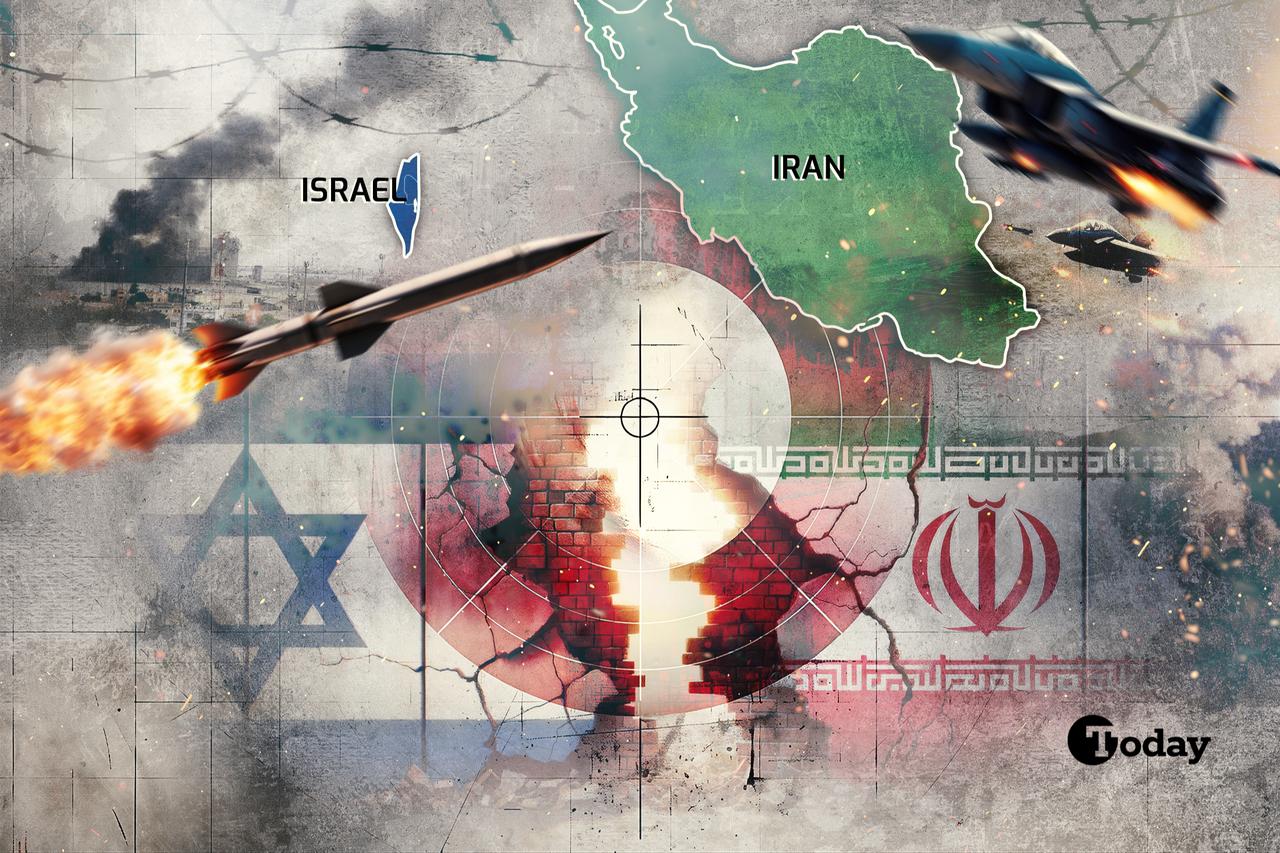
The United States and Israel launched their joint campaign on Feb. 28, riding high on the confidence of the Venezuela operation, where the removal of Nicolas Maduro produced a quick, managed transition in a matter of days.
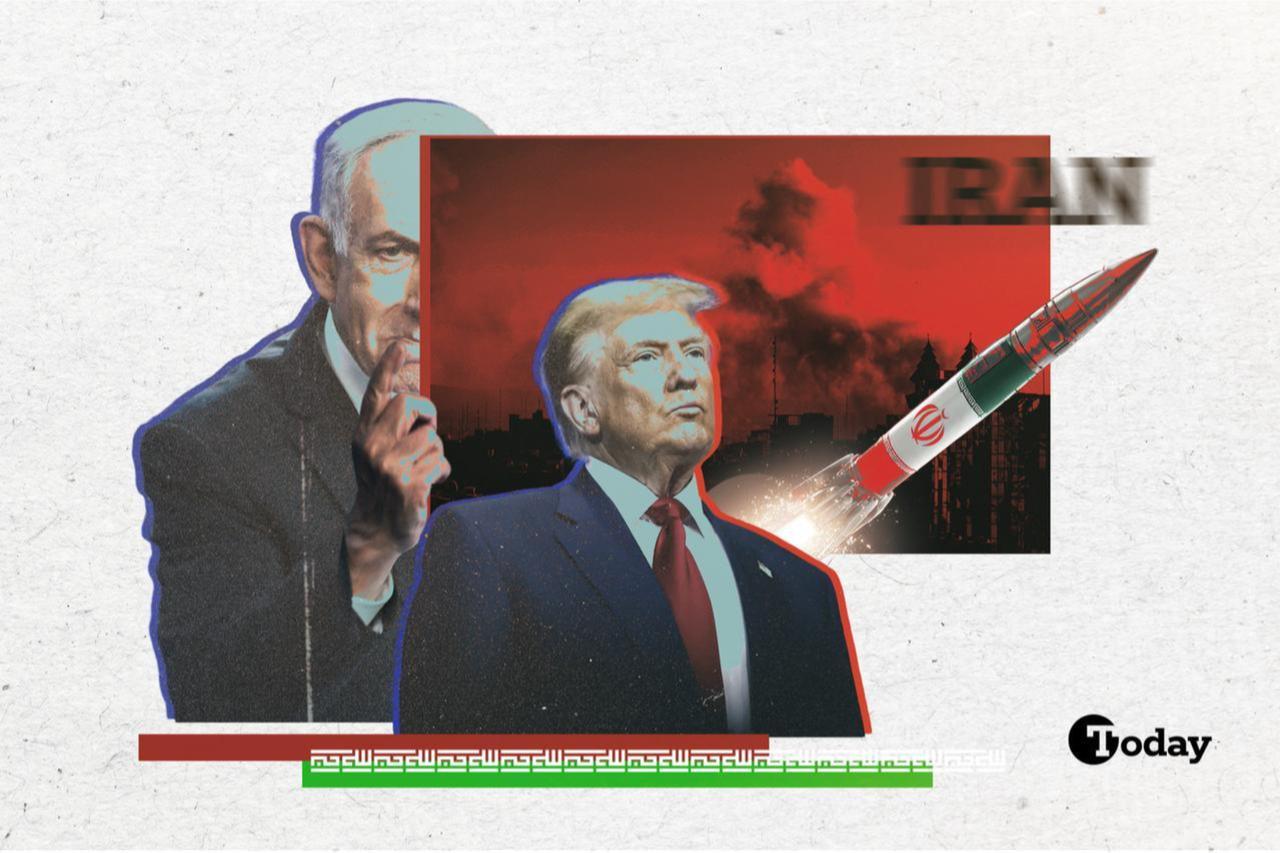
Iran, they believed, would follow the same script: kill the supreme leader, break the command structure, encourage a popular uprising, and watch the Islamic Republic fall apart. Well, the supreme leader is dead. The command structure has taken massive hits. But Iran has not fallen apart.
The problem is not tactical. American and Israeli forces have performed with brutal efficiency. Over 5,000 targets have been struck. The Iranian navy has been effectively destroyed. Air defenses have been taken out.
Ali Khamenei is dead, along with members of his family and senior security officials. By any standard military measure, Operation Epic Fury has been successful. But wars are not won on military metrics alone, and the belief that Iran would collapse the way Venezuela did shows a deep misunderstanding of what holds the Islamic Republic together.

The Venezuelan model depended on one key thing: a population ready to turn on the regime once the external force removed the barrier of fear.
This is not because Iranians are happy with clerical rule. The 2025-2026 protest wave, set off by economic collapse and a crashing currency, was the largest since the 1979 revolution. It spread to over a hundred cities and brought together bazaar merchants, factory workers, students, and women in a broad coalition of anger.
There was every reason to think that a population this furious would seize the moment when American bombs started falling.
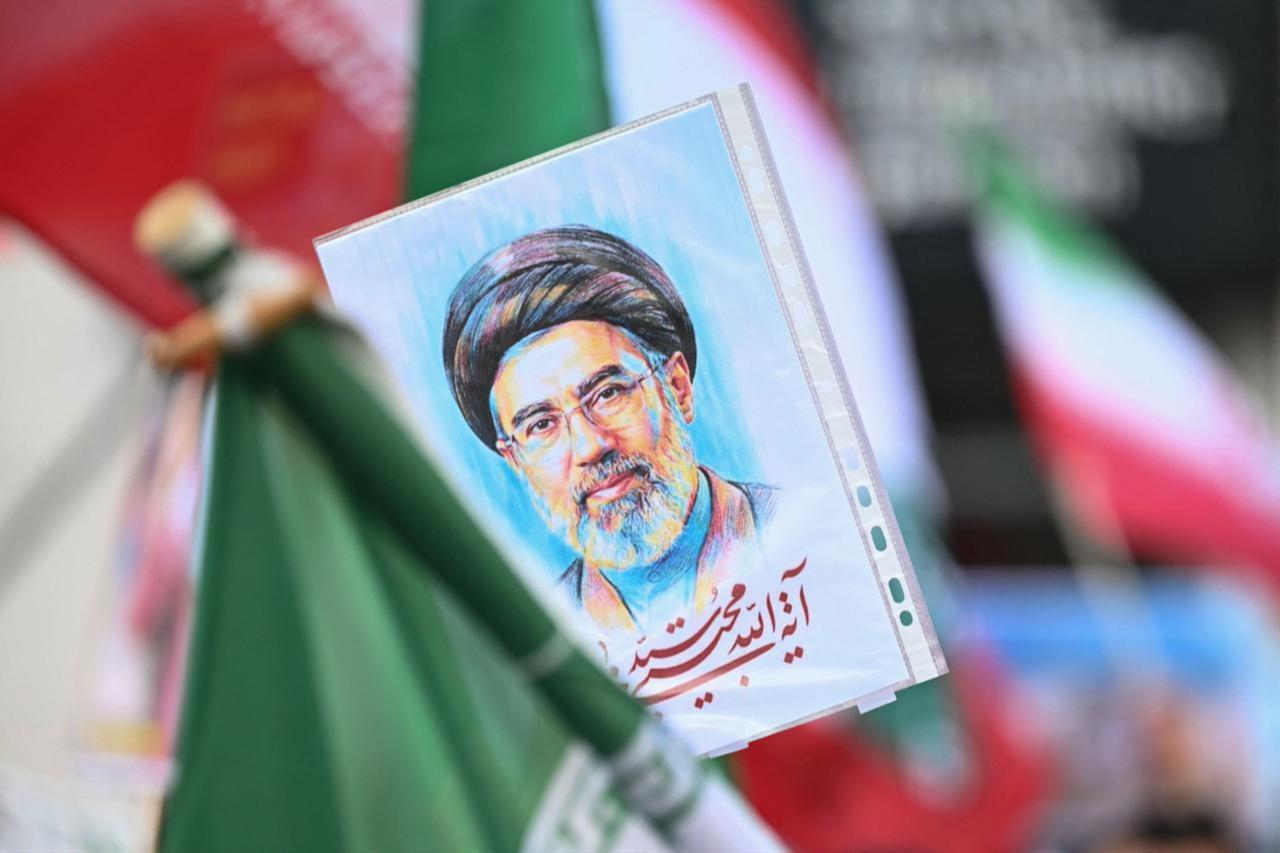
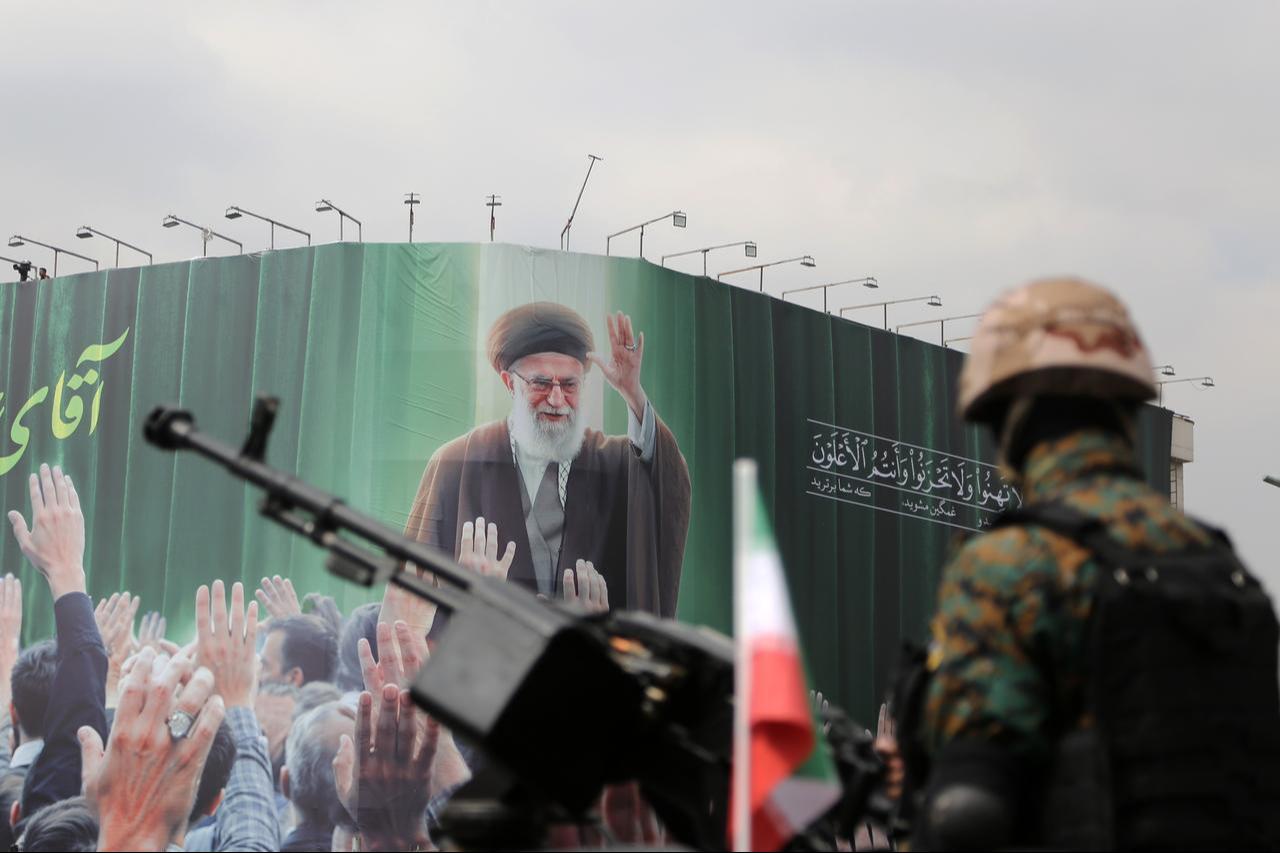
Instead, the opposite happened. The killing of Ali Khamenei was immediately absorbed into the Shia political language of martyrdom. The regime framed his death as "shahadat," calling on the memory of Karbala and the sacrifice of Imam Hussein, turning grief into a rallying cry and the supreme leader's assassination into a story of resistance.
Iran's national identity, unlike Venezuela's fractured political scene, is deeply tied to Shia belief and a long tradition of resistance against foreign powers. The Iran-Iraq War of the 1980s, in which a million Iranians died defending their country against a Western-backed Iraqi invasion, is not distant history. It is the founding wound of the modern Iranian state.
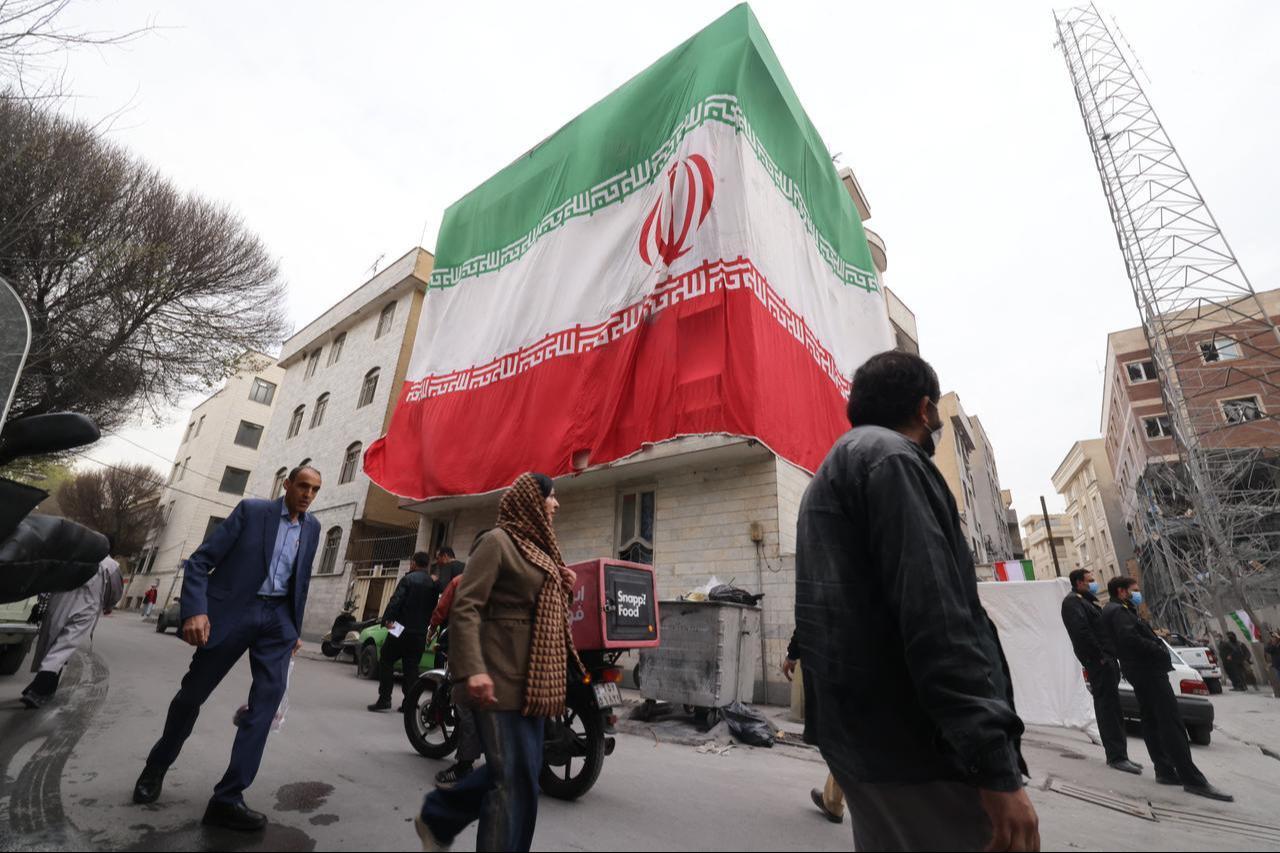
Washington and Tel Aviv expected Iranians to separate their hatred of the clerical government from their reaction to foreign bombing. They did not. Or rather, many Iranians made exactly that distinction and still chose to stand behind the flag.
A people can despise their government and still refuse to be "liberated" by foreign bombs. This is the same paradox that has tripped up every regime-change campaign from Iraq to Libya, and it is tripping up this one too.
With regime change off the table as an immediate result, the conflict has settled into a pattern that plays to Iranian strengths rather than American firepower. Iran has shifted to a hybrid war posture that Washington did not plan for well enough.
The single most important move has been the effective closure of the Strait of Hormuz. Tanker traffic has dropped to almost zero. Over 150 vessels have anchored outside the strait, unwilling to risk the passage.
The average American gasoline price has jumped by more than 50 cents in two weeks. Goldman Sachs has raised its U.S. recession probability to 25%. Oxford Economics has modeled scenarios where $140-per-barrel oil pushes the eurozone, Japan, and the U.K. into economic contraction.
Iran cannot compete with the United States in the air, and its missile launches have slowed as stockpiles run low. But it does not need to win in the air. By holding Hormuz hostage, Tehran has turned a petrodollar system into economic leverage, forcing costs onto the American economy and American allies that no amount of precision bombing can undo. This is asymmetric warfare at its sharpest: Iran is losing every battle and winning the war of exhaustion.
The signs that America is looking for a way out are hard to miss, even though the public rhetoric stays aggressive. Trump's statements have swung between chest-thumping and hedging in ways that point to an administration already laying the groundwork for a story of success that does not require regime change.
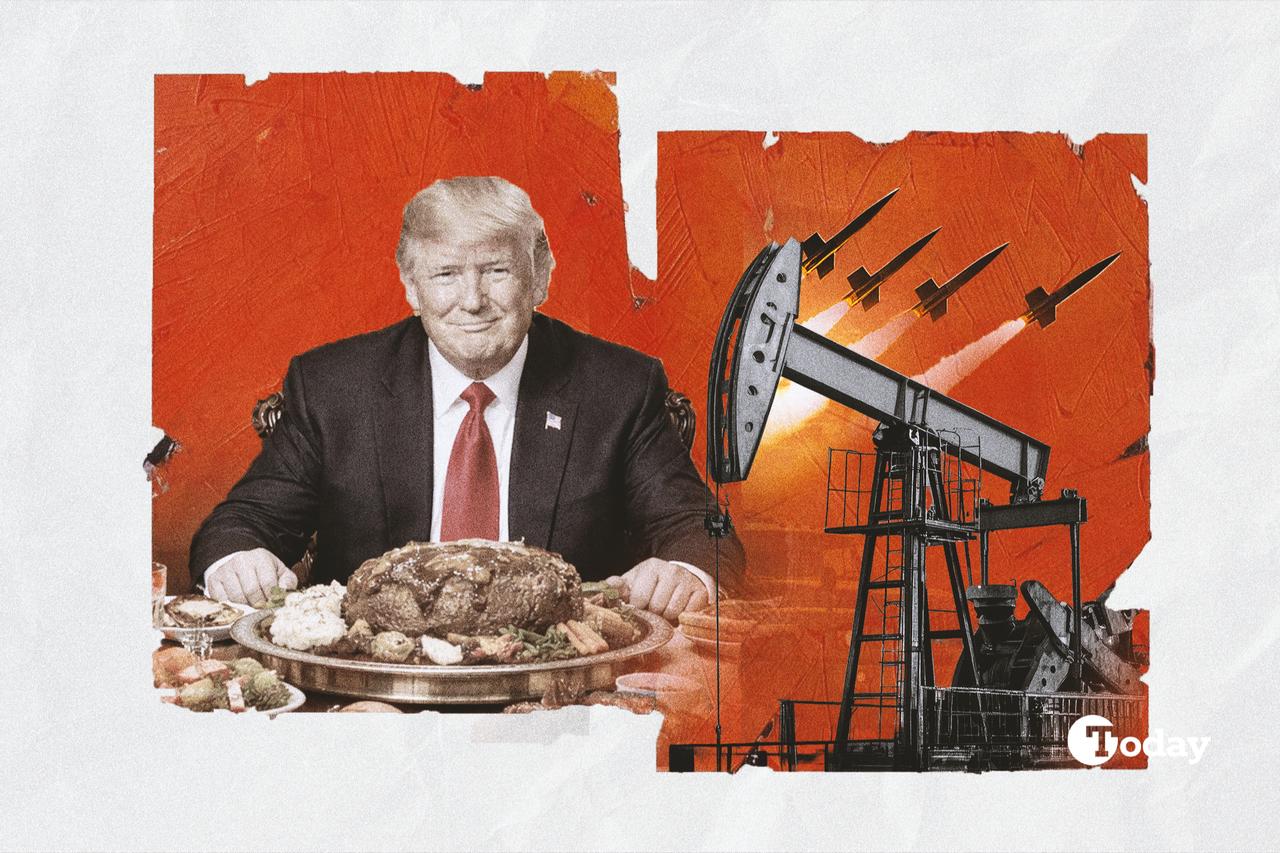
At his Doral press conference on March 9, Trump said the United States had "wiped every single force in Iran out, very completely" and that Iran's leadership had "all been blown up." In the same breath, he said the war could be called "a tremendous success right now" but that he planned to "go further."
White House press secretary Karoline Leavitt floated a four-to-six-week timeline for "achievable objectives." Defense Secretary Pete Hegseth promised the war would not be "endless." Trump told Axios there was "practically nothing left" to target, even as Pentagon and Israeli officials were privately talking about at least two more weeks of strikes.
This is the language of a president building an exit, not a president gearing up for a long campaign. The most likely path, unless something dramatic changes, is that Washington will say its military objectives have been largely met, reach some kind of quiet understanding with whatever Iranian leadership emerges, and pull back.
The regime will survive. Iran will be badly damaged in military and economic terms, stripped of much of its offensive capability, but it will still be a functioning state with a working government, a new supreme leader, and a story of resistance that will sustain the Islamic Republic for another generation.
 2 min read
This is where the picture gets really interesting, and where Ankara's careful silence during this crisis starts to look less like caution and more like a calculated strategy.
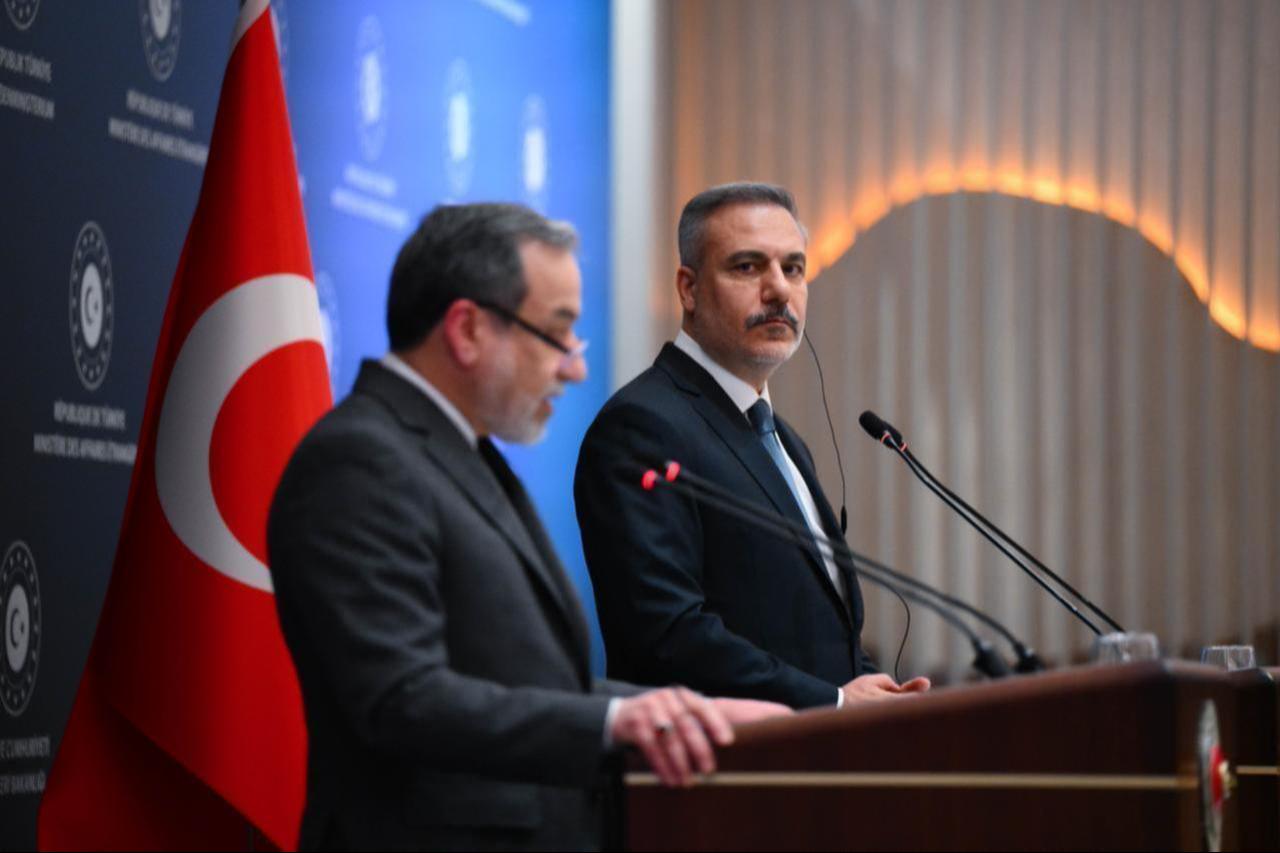
Türkiye has played the Iran war with impressive discipline. Ankara condemned the strikes. It condemned Iran's retaliatory attacks on regional countries. It made clear that Turkish airspace and military assets would not be used to attack Iran, and it deployed Patriot systems and fighter jets to protect its territory after NATO intercepted two Iranian ballistic missiles near or inside Turkish airspace.
This is not just diplomatic caution. It reflects a clear-eyed understanding of what the war's most likely outcome means for Turkish interests. Ankara would quietly, perhaps even discreetly, welcome the scenario now taking shape, because it is, in many ways, Türkiye's best possible outcome.
What matters is the balance between Iran's ability to project power across the region and its continued existence as a state.
A badly weakened Iranian military and economy mean Tehran can no longer fund Shia proxy networks in Iraq, Lebanon, and Syria at anything close to pre-war levels.
The "Axis of Resistance" that has held back Turkish influence across the Fertile Crescent for two decades is being hollowed out. Türkiye's room to maneuver expands across all three theaters. And it has not fired a single shot to make it happen.
At the same time, the regime survives. Iran stays a real country, a geopolitical factor, and, just as importantly, a problem that the West still needs Türkiye to help manage. This keeps Türkiye's strategic value intact.
A fully collapsed Iran, one that breaks apart along Kurdish, Azeri, Baluch, and Arab lines, would be a disaster on Türkiye's eastern border. It would send waves of refugees toward the 560-kilometer Turkish-Iranian frontier, flows that Turkish officials have already called "existential," with estimates running as high as a million people.
It would empower Kurdish militant groups, especially PJAK, the Iranian arm of the PKK, at the very moment Ankara's "terror-free Türkiye" peace initiative is approaching a historic conclusion. And it would destroy the very situation that makes Türkiye essential to NATO and to Washington's Middle East policy: the need for a reliable partner who can deal with a difficult but intact Iran.
A weakened but standing Iran is the sweet spot. Strong enough as a challenge to keep Türkiye relevant and indispensable. Weak enough that it can no longer block Turkish ambitions in Iraq, Syria, and beyond. Iran's proxy network is crippled. Türkiye's space to act expands. Türkiye's geopolitical importance endures.
There is a side benefit worth noting. Iran's retaliatory strikes on Gulf Arab states, hitting Qatar, Kuwait, Saudi Arabia, Bahrain, and the UAE, have destroyed any chance of Iranian-Gulf diplomatic warming for a generation.
The Gulf countries, which had been cautiously exploring better relations with Tehran under Chinese mediation, now face a reality where American security promises look shaky and Iranian hostility is no longer just a theory. Türkiye, which has spent recent years building deeper defense and economic ties with Gulf capitals, is well placed to step into the security gap.
Ankara's growing defense industry, its willingness to send troops abroad, and its track record of managing relationships with both Washington and Moscow make it a credible alternative to American security in the Gulf.
There is an old strategic truth: sometimes the best wars are the ones fought by others on your behalf. Türkiye did not ask for the Iran war. Ankara spent real diplomatic energy trying to prevent it. But the war is happening, and its most likely outcome, an Iran that is militarily gutted, economically battered, stripped of its proxy reach, but still standing as a state, lines up almost perfectly with what Türkiye needs.
Türkiye did not engineer this situation; it is best placed to benefit from it.


 Set as preferred source
 Set as preferred source


 1 min read