Newsletters


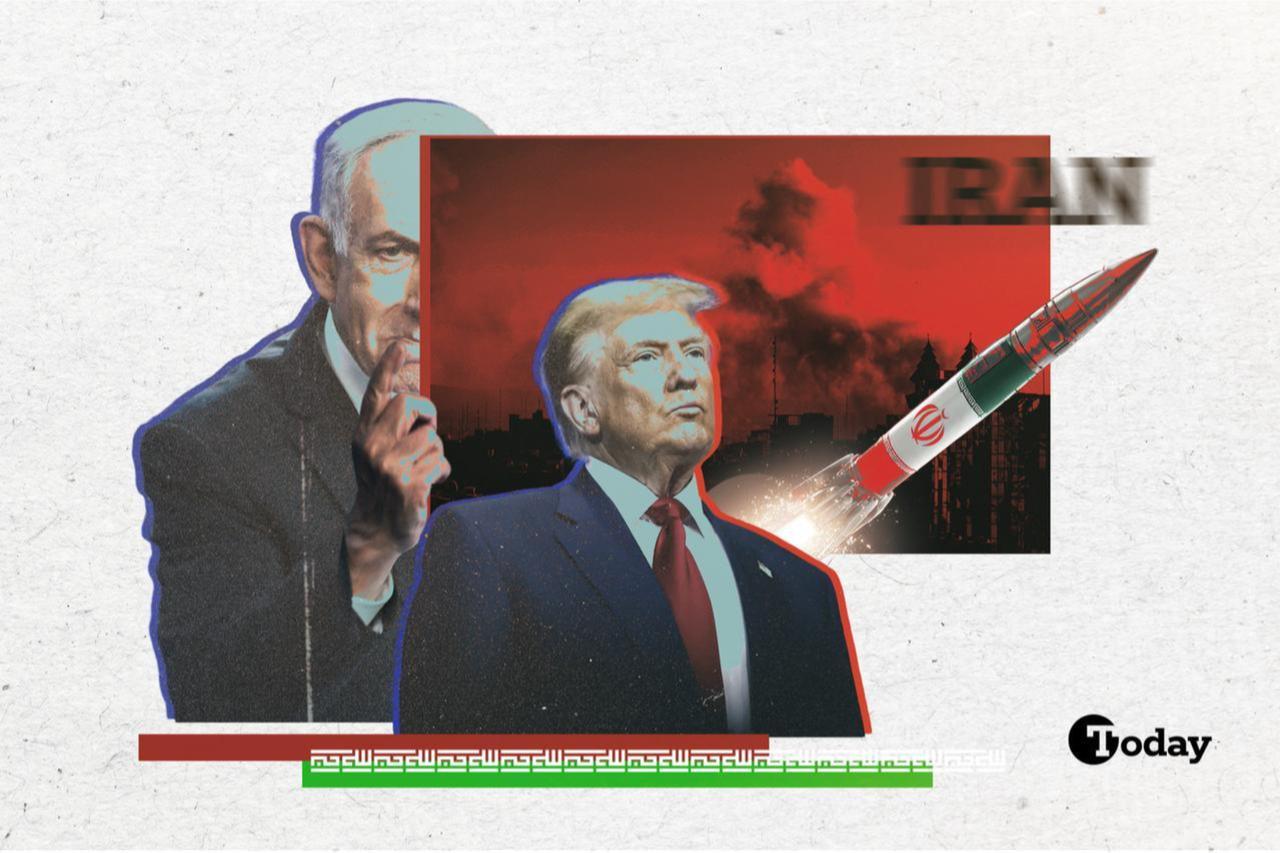


The question that has loomed since the outbreak of the Iranian crisis—and has grown even more urgent following Mojtaba Khamenei’s sharp statement on Thursday, in which he spoke of the necessity of revenge and Iran’s determination to pursue the closure of the Strait of Hormuz—is how this war will end when all parties remain firmly entrenched in their positions.
On one side, Iran—now represented by Mojtaba—refuses to show any sign of capitulation. On the other hand, the U.S. president appears equally resolute in pursuing his aims of containing the regime, no matter the cost.
Meanwhile, the third party—Israel—has no intention of halting the war until both the Iranian state and its regime in Tehran are dismantled.
The war has been enormously costly for all involved. The human and material losses suffered by Iran cannot be underestimated, nor can the high price paid by the United States for repositioning its military forces in the Gulf region.
The same applies to Tel Aviv, which has faced serious attacks this time, far more intense than previous barrages.
Amid all this, the key sticking point remains U.S. President Donald Trump, who views any acceptance of anything short of achieving the campaign’s declared goals—chief among them regime change and dismantling Iran’s nuclear project—as a loss of the credibility he has built as a leader who never backs down from his intentions.

Both sides—the Iranians, on one hand, and the American-Israeli axis, on the other—are employing strikingly similar strategies in this conflict. The Iranians are pursuing what can be called a strategy of expanding the circle of chaos and multiplying costs.
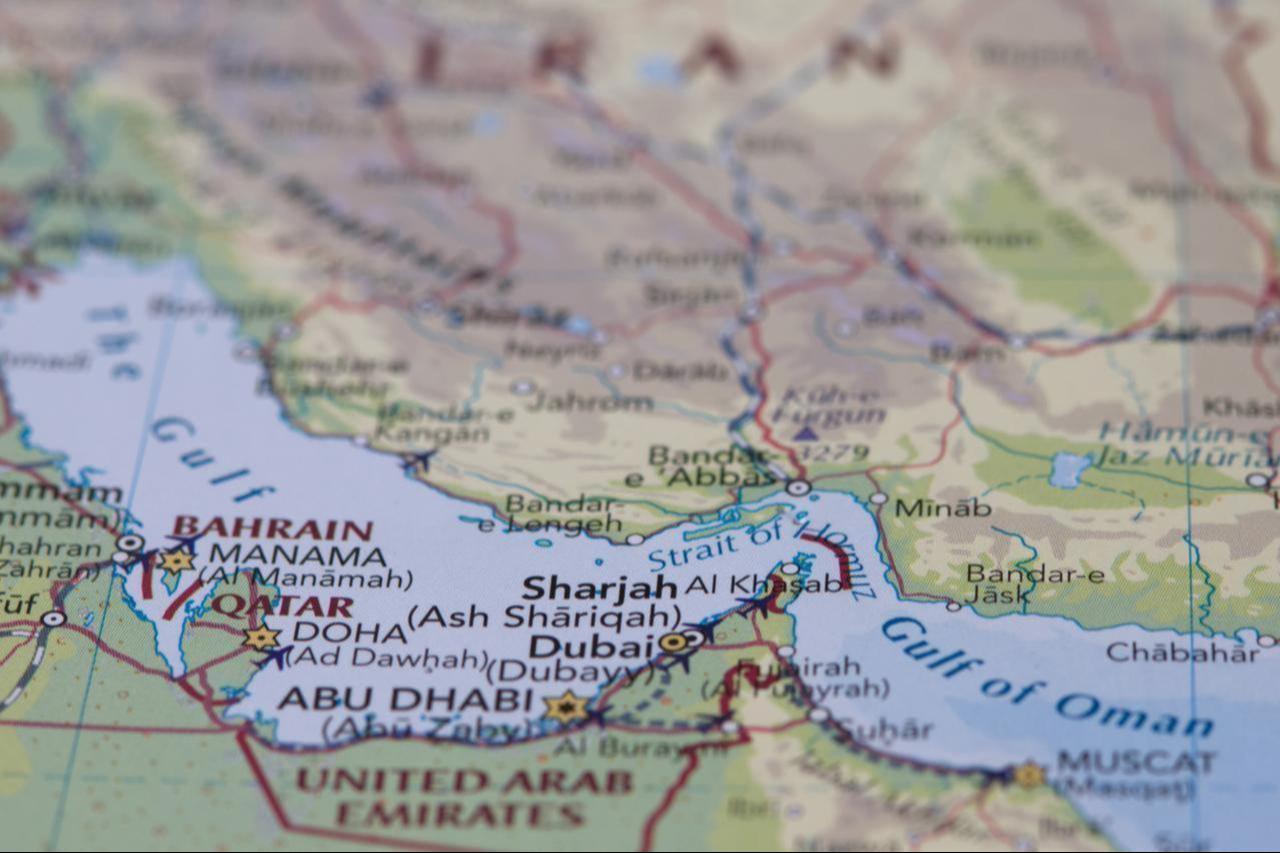
Under this approach, retaliation is not limited to targeting Israel’s depth through Iranian missiles or Hezbollah attacks from Lebanon; it extends to striking neighboring countries across the Gulf, disrupting global shipping and trade—particularly oil supplies.
The aim is to pressure those affected, both regionally and internationally, to push American and Israeli leaders to end the war, restoring the flow of goods and services and averting losses already estimated in the tens of billions since day one.
In response, the American-Israeli side is applying a comparable strategy by intensifying economic pressure and military strikes on civilian sites, sending a message to the Iranian people: rise up or disavow a regime that has led them to ruin.
The problem is that no one cares about the parties with no direct stake in the conflict—the citizens of neighboring countries, Iranian civilians, or people worldwide who will suffer the consequences.
Iran’s narrative, built on welcoming sanctions and readiness for sacrifice, will not be challenged by further military operations; on the contrary, it may even strengthen the regime’s portrayal of itself as a nation targeted indiscriminately—without distinction between political leadership, military, and ordinary civilians.
Thus, strikes on schools, oil facilities, or residential complexes near Tehran become mere pretexts for the regime to reinforce its narrative of external aggression.
On the other hand, Trump seems indifferent to attempts by Gulf states or other affected allies to broker a settlement or reach compromises.
Instead, he appears to believe that if these countries want the crisis to end quickly, they should join the war to topple or severely weaken the Iranian regime—compelling it to concede not only on its nuclear program but also on non-conventional weapons like ballistic missiles, which both Tel Aviv and Washington view as existential threats.
The issue is that there is no ceiling to expanding the circle of chaos—as evidenced by Iran’s audacity in targeting Turkish airspace with missiles. Was the intent to test Turkish patience, or was it a reckless move whose consequences were not calculated?
Türkiye, as a NATO member, could invoke Article 5 on collective defense, granting legitimacy for Western military intervention.
Fortunately, Türkiye exercised the necessary restraint, limiting itself to condemnation and hoping Iran would act more rationally in the future.
But if Iran’s goal is continued provocation and greater chaos—allowing the battlefield to widen—this suicidal idea cannot be ruled out, given that we are dealing with a regime cornered in a tight spot. That means darker days lie ahead, and the worst is yet to come.
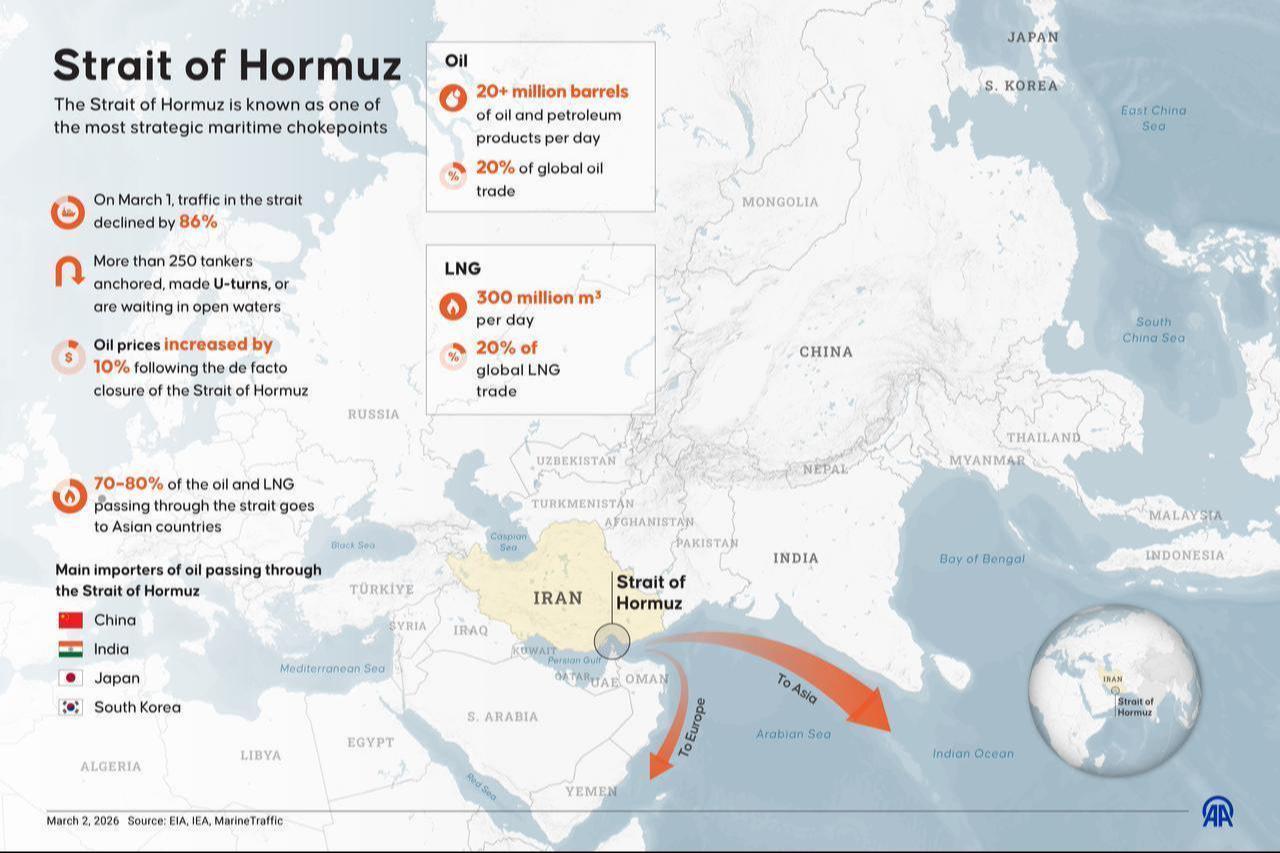
Closing the Strait of Hormuz and disrupting oil transit through one of the world’s most vital passages was always considered a catastrophic scenario—one that led the international community to tolerate the Iranian regime for years despite accusations of fomenting regional chaos.
Today, that closure has become reality. As expected, oil production has dropped noticeably, prices have surged, and the impact has reached everyone—including American citizens.
Due to the war’s developments, Russian oil has gained greater importance, easing pressure on Moscow to end the Ukrainian crisis on Western terms.
Russia has recently shown stronger solidarity with Iran, reaping double benefits: reduced Western focus on Ukraine and a return to centrality in global energy equations.
The Iranian regime, previously besieged by angry protests, has found breathing room in recent events, rallying people around it against foreign aggression.
Even Netanyahu and Trump—both facing domestic scandals—have used the war to distract attention from their issues, removing any urgency for a quick ceasefire.
International mediation efforts continue, but given all these complications—especially Mojtaba’s emergence, threatening to open “new fronts”—optimism for a near-term diplomatic resolution remains slim.


 Set as preferred source
 Set as preferred source



 4 min read