Newsletters





This article was originally written for Türkiye Today’s weekly newsletter, Saturday's Wrap-up, in its October 3, 2026 issue. Please make sure you subscribe to the newsletter by clicking here.
This week's speech by President Erdogan reminded many people of the 2010s, when he took on major political challenges to tame Türkiye's established order and strengthen civilian government. While an outsider might miss the nuances of his oratory skills, ordinary Turks immediately recognized that something significant was happening, and that Erdogan was taking the latest fund scandal very seriously.
The speech had some emotional peaks and warnings, and it had the register of a sincere conversation with the public itself—something that Erdogan does in moments of crisis. He makes you feel like he is having a personal, sincere chat with everyone in front of the TV, easily apologizes for mistakes, and openly asks for forgiveness.
The amount involved cannot be lightly brushed aside, anyway. The funds hold about $19.1 billion in total.
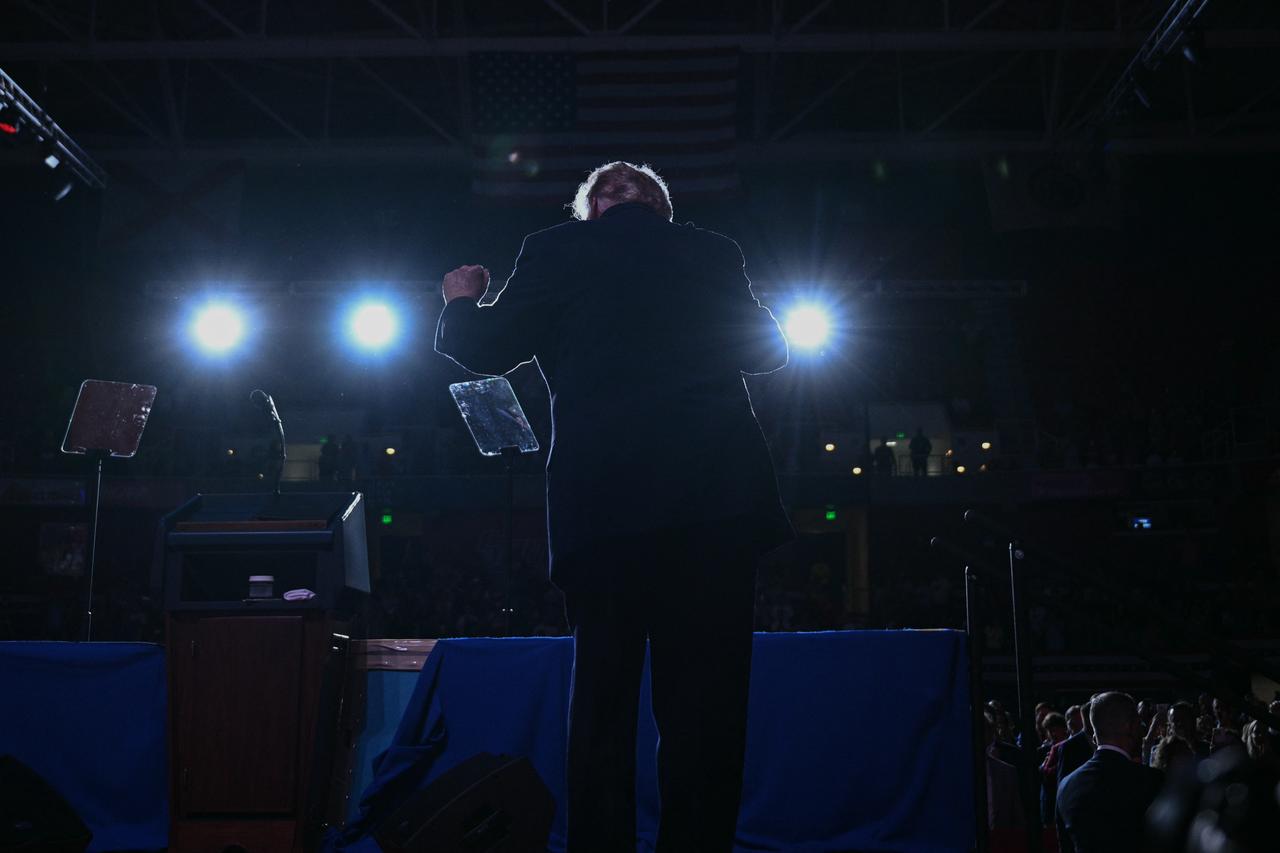
"Whoever reaches out to violate the rights, law, property, or possessions of the nation will find us against them, will find our state against them. Let no one compare us to those who travel from city to city to defend multi-billion-lira corruption," Erdogan said on Sept. 28.
Erdogan's message was aimed at New Party leader Ozgur Ozel, who is running a massive political campaign for the release of jailed former Istanbul mayor Ekrem Imamoglu, who is on trial for multiple corruption charges. Erdogan accuses the New Party of siding with the corrupt figures despite countless evidence.
For some context, Türkiye's latest fund scandal, involving Tera Holding along with others, is a massive stock market fraud where a couple of Turkish companies artificially inflated their market values. When the scandal became public in September 2026, many investors were unable to get their money back. Financial regulators caught the executives trying to secretly wire millions of dollars out of the country.
The scandal has affected more than 455,000 people with investments of varying degrees. Counting their families, dependents, and businesses, it touches millions of Turkish citizens. While the public outcry increases, Erdogan's speech indicates that he gets the reactions.
What is known so far is that the crisis centers on widespread allegations of illicit and unfair gains tied to specific investment funds and capital shares. A former minister and AK Party deputy chair, Fatma Betul Sayan Kaya, apparently made millions of dollars in the funds, and she withdrew her money just before the scandal erupted. She swiftly submitted her resignation, and the AK Party cut ties with her quickly. There are some public calls demanding her arrest. Interestingly, Türkiye's former Economy Minister Nihat Zeybekci says he is one of the victims who lost money in the high-risk fund. The amount of money he lost is unknown.
Notably, influential conservative outlets are openly urging the government to take concrete, transparent steps to re-establish trust.
These commentators recognize that narrative control alone cannot sustain market confidence during a complex capital crisis. There is a growing consensus among these loyalist factions that without a definitive, structural demonstration of real accountability, the administration risks a deeper deficit of trust. However, their comments stop short of calling for resignations and arrests for everyone involved.
You don't often see such commentary from Türkiye's pro-government media camp. One staunchly pro-government outlet's pundit showed the front page of a staunchly anti-government, left-wing newspaper during an online broadcast, and said he agreed with their headline—a jaw-dropping moment if you are a Turkish policy geek.
For the average citizen, the intricacies of capital markets and factoring companies might seem like distant macroeconomic concepts, but the psychological toll of another financial tremor is immediate and real.
You can feel a sense of fatigue among ordinary Turks who have been through years of economic ups and downs. The government has promised that anyone who manipulated investment funds will face severe legal consequences, alongside upcoming administrative and legislative reforms designed to fortify capital markets. However, promises of future regulations often aren’t enough to calm the immediate anxieties of a public that has seen its purchasing power tested repeatedly.
People want immediate compensation after the seizure of the assets of those who caused the misery.
Perhaps the most telling indicator of the crisis' severity comes not from the political opposition, but from within the government's own traditional support base.
Every victim, regardless of their political identity, expects political rhetoric to be urgently backed by swift steps, such as compensation, at least to some extent.


 Set as preferred source
 Set as preferred source


 6 min read