Newsletters




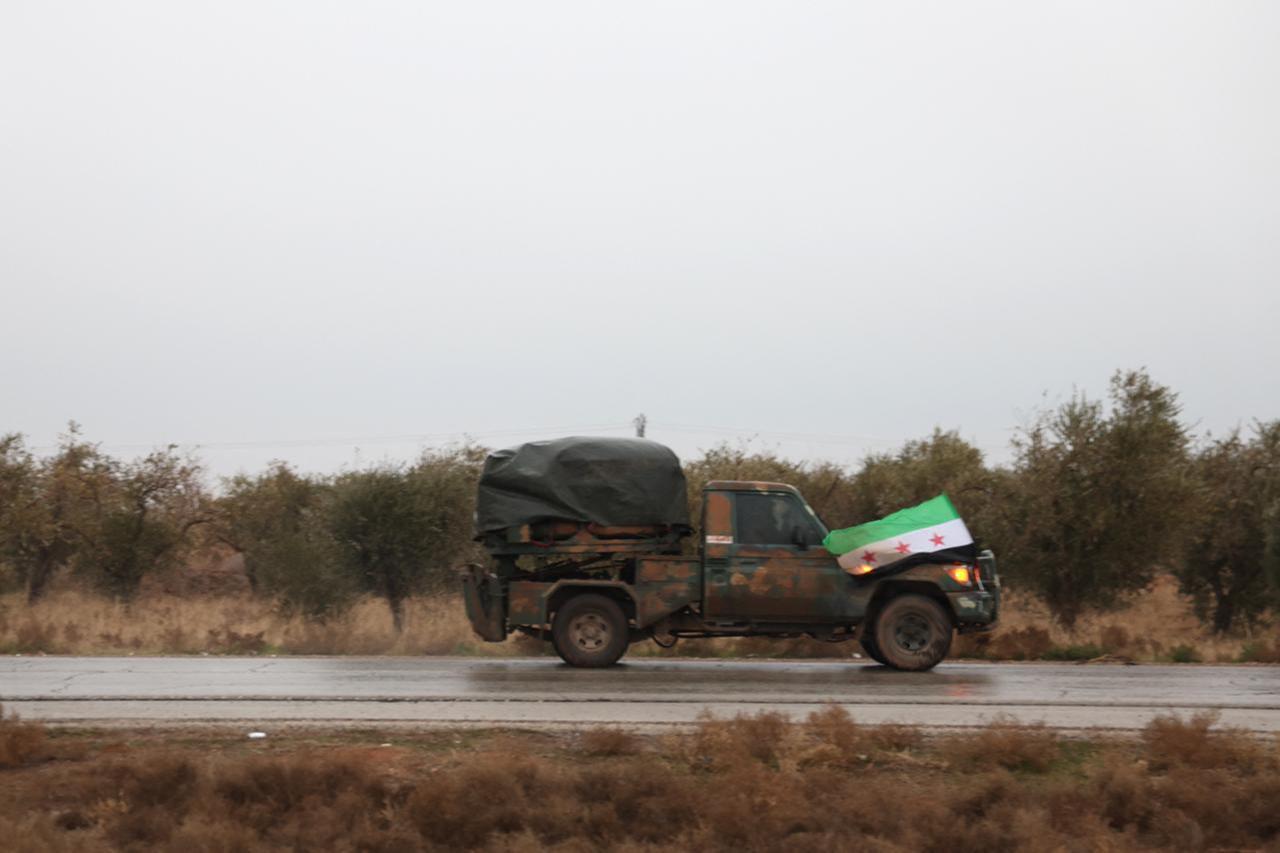
The Syrian Army’s rapid territorial advances over the last couple of days reshaped realities on the ground, compressing timelines that had long favored prolonged stalemate. As government forces moved quickly, the risk of a more uncontrolled escalation increased.
In response, a U.S.-brokered ceasefire was announced at a moment when military momentum clearly leaned toward Damascus. Rather than freezing an entrenched conflict, the agreement intervened at a decisive juncture, prioritizing containment over prolongation.
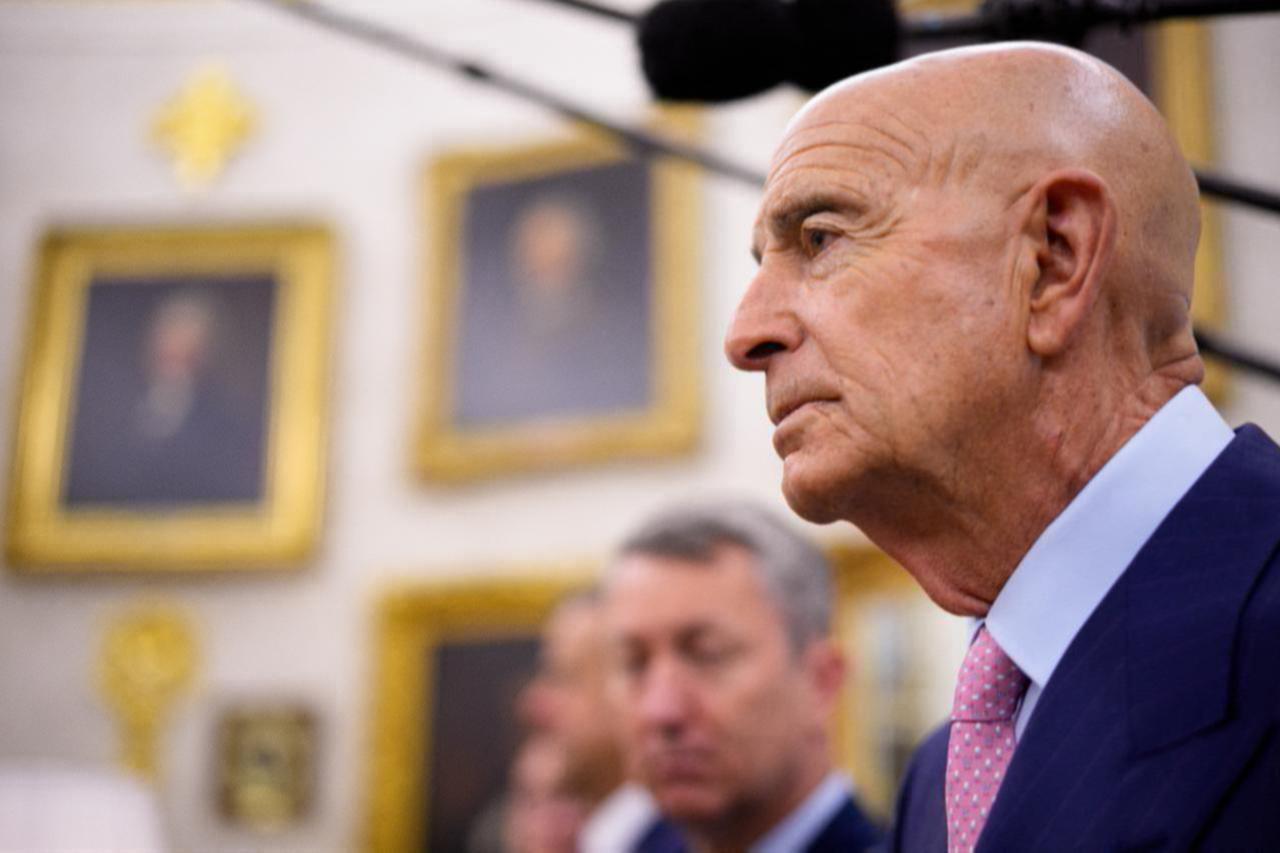
At the center of this process stands the U.S. ambassador to Türkiye and special envoy to Syria. By steadily gaining the trust and respect of multiple sides with conflicting interests, Barrack emerged as a figure whom Washington could rely upon for leadership, rather than allowing the capital to succumb to reactionary precautions.
His approach combined political realism with sustained engagement, allowing Washington to act as a broker rather than a distant enforcer, all while refraining from favoring sides among American allies on the ground.
Barrack’s role reflects a broader recalibration in U.S. strategy and the institutional will of a complex Washington bureaucracy. The ceasefire points to an effort to manage exit conditions responsibly, signaling a shift away from open-ended involvement toward a pragmatic stabilization rooted in geopolitical realities rather than ideological mandates.
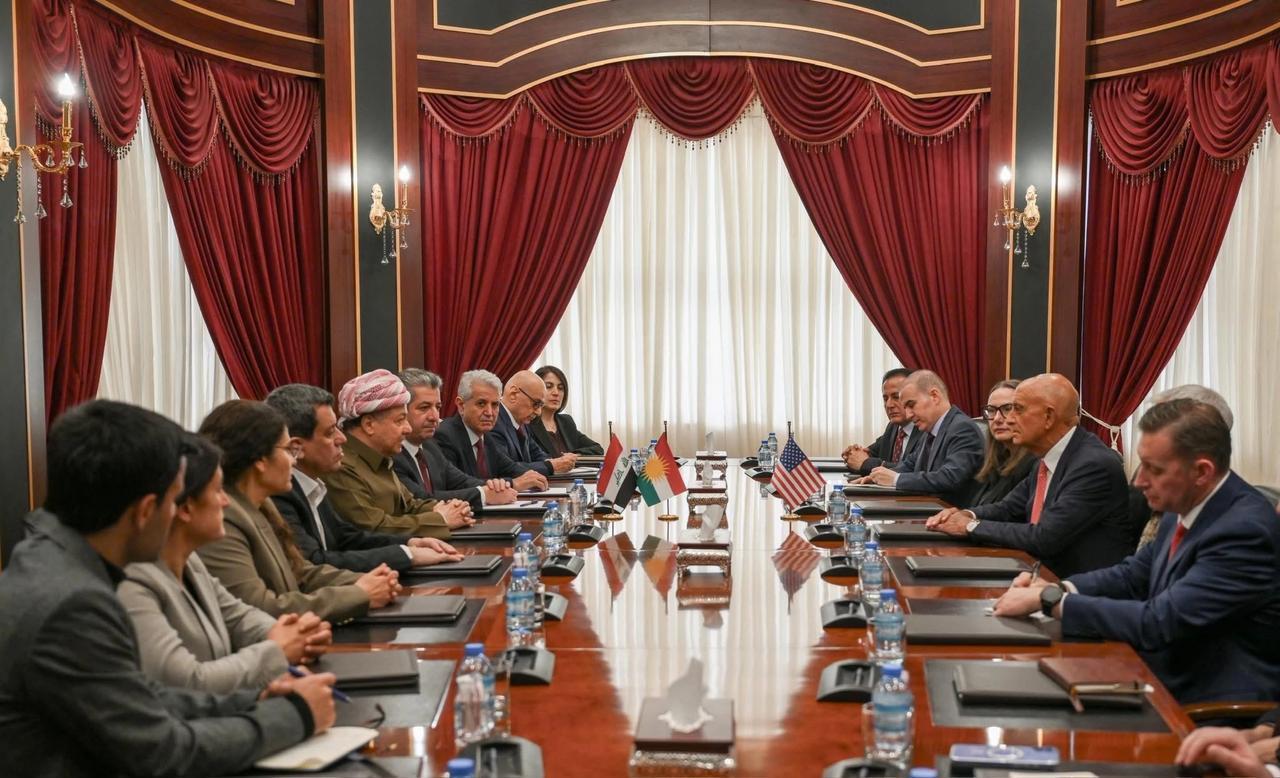

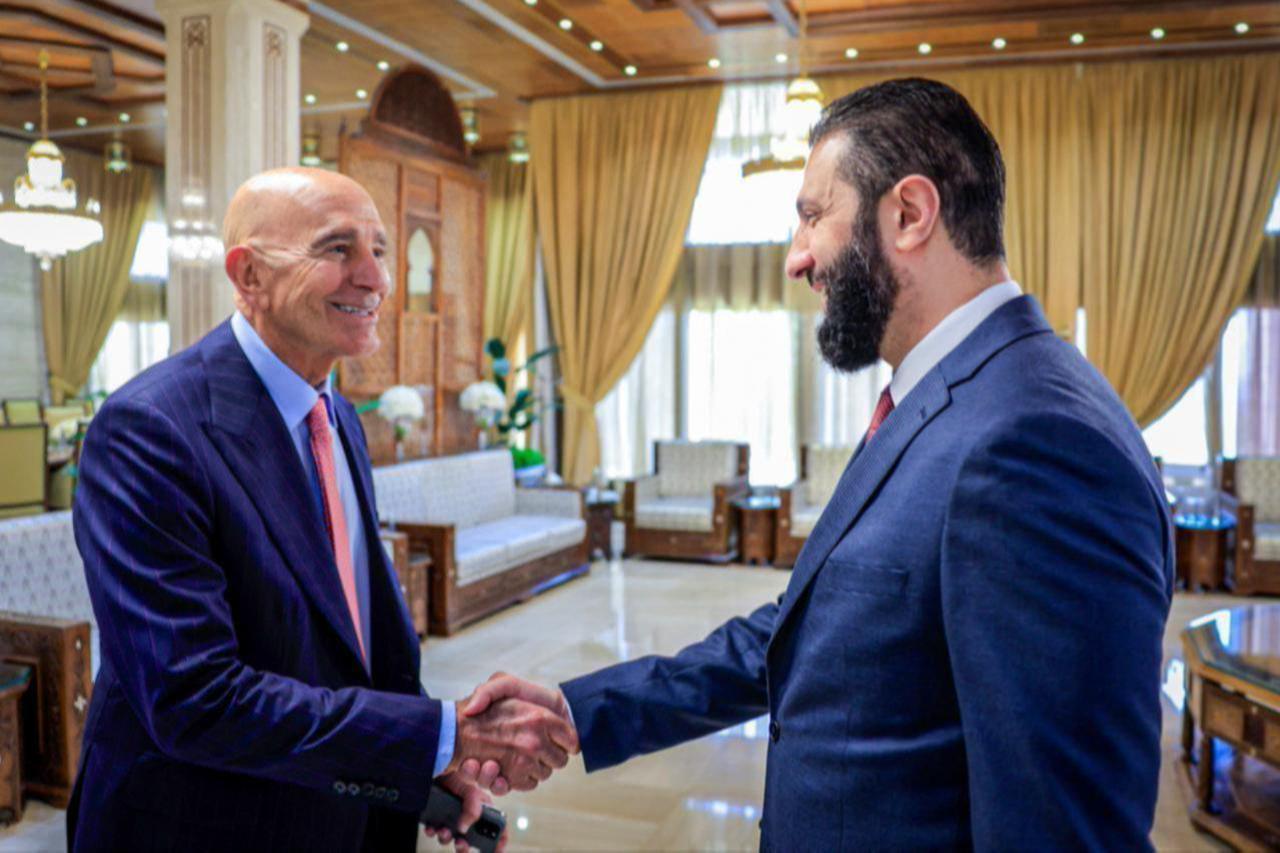
A key moment in this shift was Barrack’s high-level meeting in Damascus with President Ahmad al-Sharaa. The engagement underscored the presence of a direct diplomatic channel that would not have existed with a regular diplomat.
The substance of the ceasefire also successfully reflected the balance of power on the battlefield. Its terms appeared designed to consolidate state authority rather than preserve parallel security arrangements.
In the days leading up to the ceasefire, the ambassador also held consultations with SDF representatives alongside Kurdish leadership in Iraq, creating space for their views to be heard before the operations accelerated.
Barrack’s approach is rooted in a blunt reassessment of U.S. roles in the Middle East. He has repeatedly signaled that Washington cannot remain a permanent babysitter or mediator.
This philosophy rejects the post–Cold War model of nation-building through military presence and institutional redesign. The costs of such efforts have far exceeded their strategic returns.
Instead, the emphasis has shifted toward managing outcomes rather than reshaping societies. Existing power structures are treated as realities to work with, not obstacles to be removed.
It is within this framework that Washington transferred primary responsibility for the Syria file to Barrack during the emergence of the interim Syrian government. His mandate reflected an understanding that the transition phase required realism, continuity, and direct engagement rather than ideological conditioning.
This delegation also aligns with Trump’s broader doctrine, which prioritizes burden reduction, transactional diplomacy, and strategic focus over expansive political engineering. Syria, in this reading, became a case for disciplined disengagement rather than open-ended transformation.
Underlying this change is the recognition that Middle Eastern politics do not follow Western trajectories, creating a landscape where ideological preferences are subordinated to the practical pursuit of stability.
One of the most consequential elements of this strategy concerns the future of the SDF. The Syria envoy previously has argued that there cannot be a separate armed force defined by ethnic identity.
The stated objective is a unified Syrian state with one army and one flag. This leaves little room for autonomous military formations outside central control, especially if they continue to rely on constant U.S. backing.
Reducing costly commitments in Syria while keeping the American interest firm requires a stronger focus on diplomatic and economic tools. Sanctions relief is increasingly framed as necessary for recovery, and this principle was the reason for the ambassador's efforts.
Reconstruction is expected to proceed through regional partnerships rather than Western-led state-building projects in this context. Türkiye, Gulf states, and European actors are positioned as central players, which also aligns with broader U.S. strategic goals.
With the institutionalization of the Trump doctrine and the appointment of key figures aligned with its tenets, the U.S. is increasingly positioned as an independent actor rather than a successor to colonial administration.
While past interventions are not erased, current policy is framed as corrective rather than preservative. The emphasis is on pragmatism over inherited structures.
The ceasefire brokered under Barrack’s stewardship marks an example in U.S. policy in the Middle East that Washington has moved from direct military involvement to diplomatic brokerage.
This transition reflects acceptance of existing power balances. Stability now outweighs ambitions of constitutional or societal engineering.
For Syria, the ceasefire signals the start of a recovery and reconstruction phase. Attention is shifting from military outcomes to economic normalization.
The post-ceasefire landscape will likely see regional powers assuming heightened responsibilities as the retraction of the U.S. obligations precipitates a shift toward local self-reliance.
Transcending a mere cessation of combat, the ceasefire represents a structural effort that reflects a newfound commitment to restraint and a pragmatic engagement with the geopolitical realities on the ground, with its timing serving as a testament to this emerging pragmatic consensus.


 Set as preferred source
 Set as preferred source


 7 min read