Newsletters


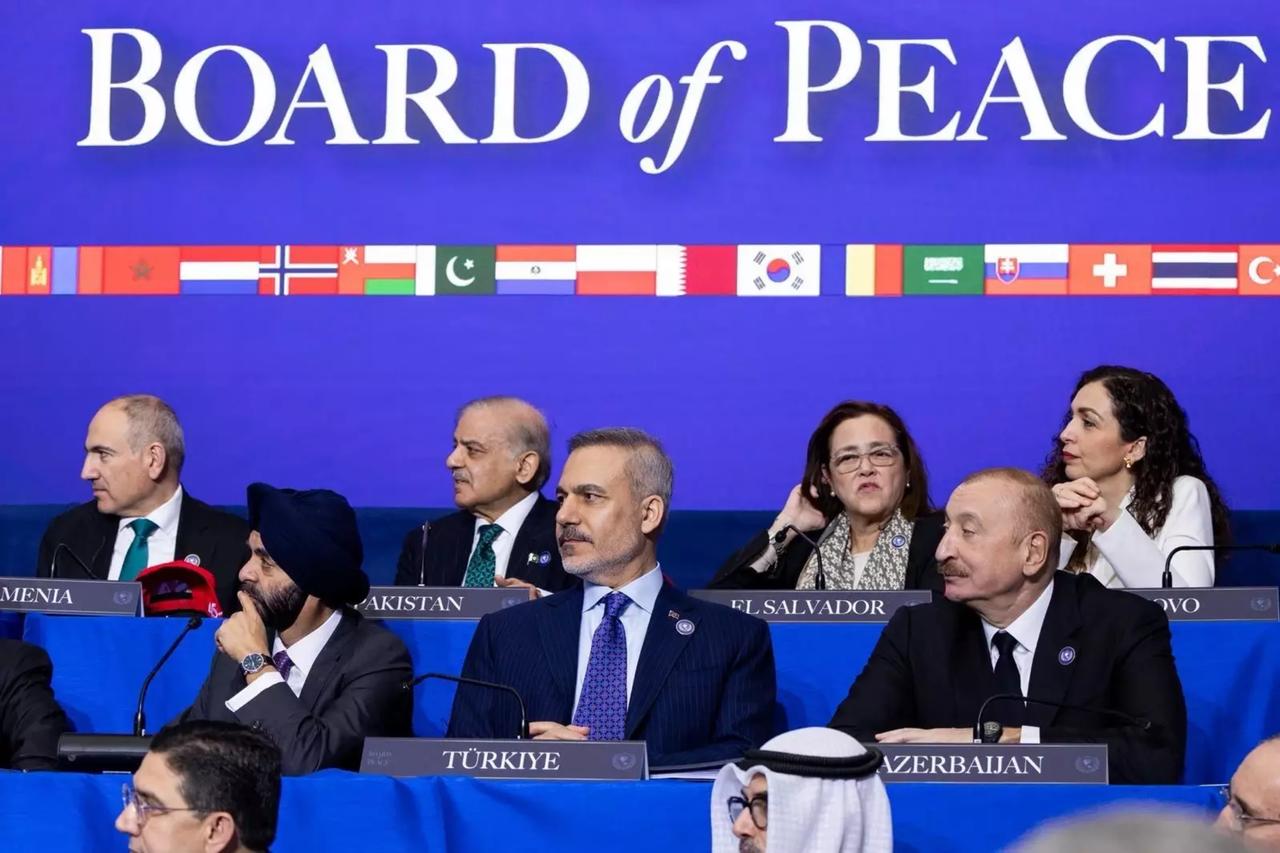


Though fundamentally different in structure and purpose, two gatherings this week symbolized distinct diplomatic orders: the Munich Security Conference in Germany and the inaugural meeting of the Board of Peace in Washington, D.C., which I covered on-site.
The Board of Peace was conceived not as a discussion forum in the mold of Munich, but as a diplomatic leverage mechanism defined by structured rules and coordinated objectives. Yet because both meetings unfolded in the same week, their respective participant lists became politically revealing.
The contrast in Türkiye’s level of representation at these two venues functions as a barometer of its current geopolitical standing.
Ankara’s absence from Munich and its visible engagement in Washington reflected where it perceives greater strategic convergence, and where it believes decisions are more likely to translate into policy outcomes.

For six decades, the Munich Security Conference has served as one of the world’s premier venues for debating global security and geopolitical realignment. This year’s agenda included Ukraine’s future, U.S.–EU relations, Middle Eastern recalibrations, transatlantic cohesion, and the architecture of an emerging multipolar order.
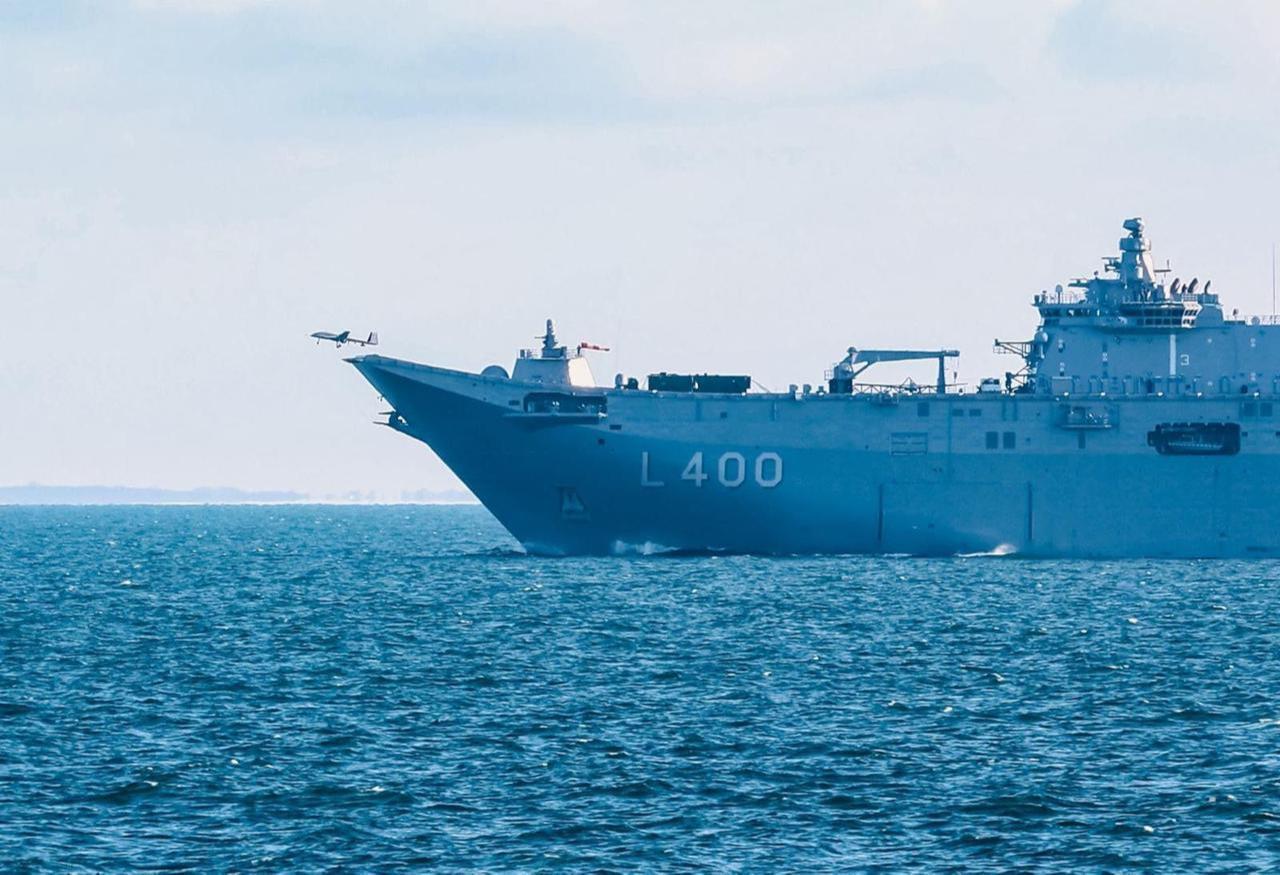
A week earlier, Germany hosted the 'Steadfast Dart 2026' exercise, organized by NATO’s Joint Force Command Brunssum, which featured Türkiye as an indispensable ally.
Yet, Türkiye was represented neither by its president nor by any high-level participants at Germany’s security conference, despite being a NATO member that straddles Europe, Asia, and the Middle East. The only senior official scheduled to attend was Economy Minister Mehmet Simsek.
The minister was expected to participate in a panel on Syria’s future, a conflict in which Türkiye has played a direct military and political role for more than a decade. Shortly before the session, however, he withdrew. The reason cited was the participation of two Syrian Kurdish figures, Mazlum Abdi and Ilham Ahmed.
From Ankara’s perspective, Europe continues to engage with what it sees as outdated figures and frameworks regarding the region. This perception reinforces the belief that European platforms do not fully account for Türkiye’s security sensitivities even after they had seen partial resolutions, particularly on Syria.
Europe faces nearly every major security challenge through a lens that intersects with Türkiye. Migration flows, energy transit corridors, counterterrorism coordination, and Black Sea stability all involve Turkish geography and policy.
Türkiye controls critical maritime chokepoints and maintains NATO’s second-largest army. It has also developed an indigenous defense industry that European capitals can no longer afford to dismiss.
As the EU’s immediate neighbor, Türkiye maintains deep trade, political, and societal ties across the continent as well.
In economic terms, the scale of integration is substantial. Türkiye’s trade volume with Germany alone exceeds its trade with the United States—a striking contrast given the geopolitical stakes. Yet, during the Biden era, U.S. engagement with Ankara declined, and Europe grew accustomed to sidelining Türkiye in strategic debates.
The experience of recent years suggests that those who value relations with Türkiye stand to gain. The Trump administration and its ambassador, Tom Barrack, argued from the outset that Türkiye deserved recognition commensurate with its strategic weight.
That posture enabled the expansion of areas where both sides could work together. European capitals, by contrast, have repeatedly resisted recalibrating their approach.
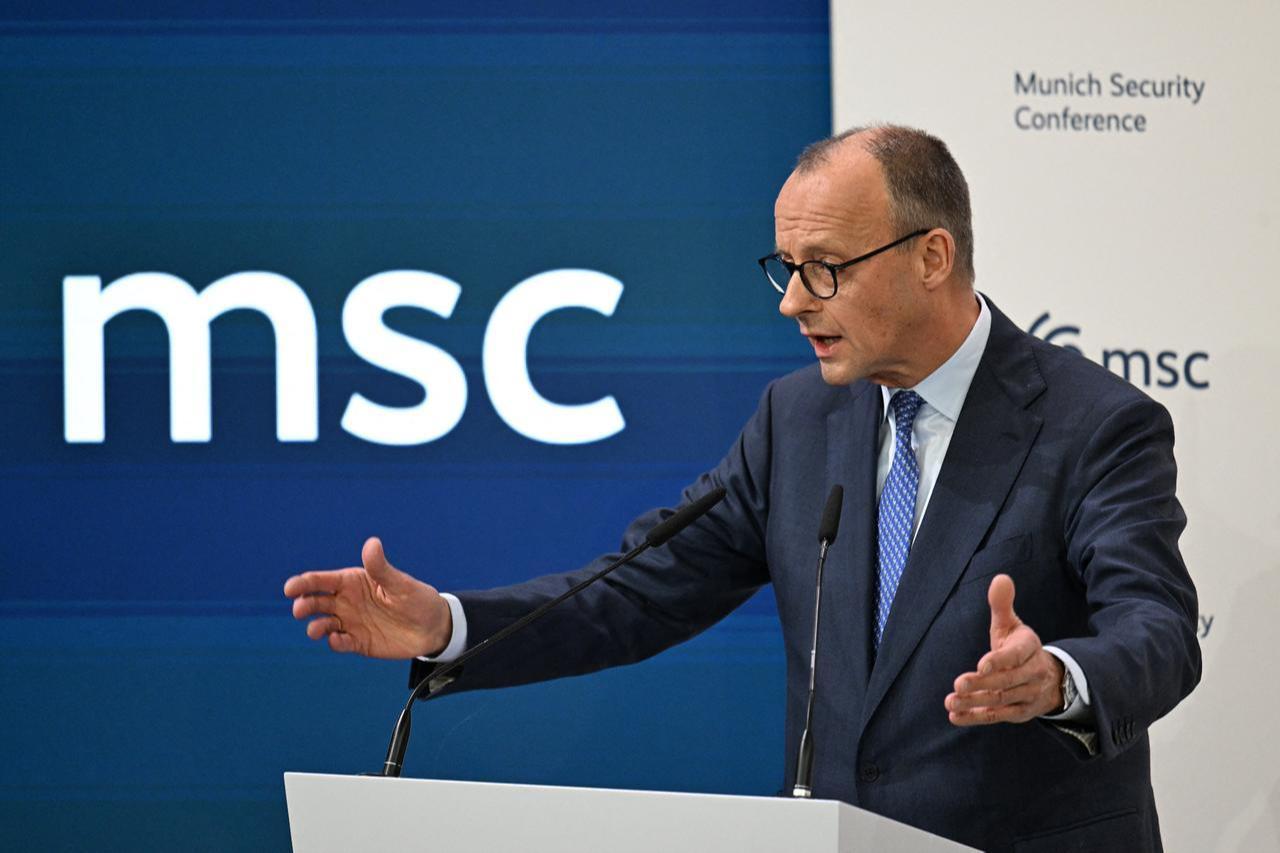
At Munich, Friedrich Merz stated that Europe must deepen its cooperation with nations like Brazil, India, and Türkiye. Yet, while the European Union has moved to embrace India diplomatically, it remains deadlocked on delivering either visa liberalization for Turkish citizens or a modernized Customs Union for its economy.
Despite deeper trade, political and societal links with Türkiye, the European Union has yet to offer Ankara the same strategic embrace it has extended to newer partners.
Ankara’s leadership has made clear that it understands where key decisions are ultimately taken. Rather than waiting for recognition, it moves closer to interlocutors directly engaged in shaping outcomes.
At Munich, Ukrainian President Volodymyr Zelenskyy remarked that Europe is “practically not present at the table” and that Ukraine itself is trying to bring European voices into the process.
Europe remains primarily focused on Ukraine, adjusting to reduced American backing and pursuing diplomatic diversification. Meanwhile, the United States and Türkiye have moved beyond their most significant point of friction in Syria and are working to align positions across multiple issues, including Gaza, Iran, and energy and diplomatic fronts.
Two factors help explain Türkiye’s positioning during this week of parallel diplomacy. First, Europe continues to avoid fully treating Türkiye as a strategic partner. Second, the current U.S. agenda appears more aligned with Ankara’s priorities, even when the countries are in disagreement.
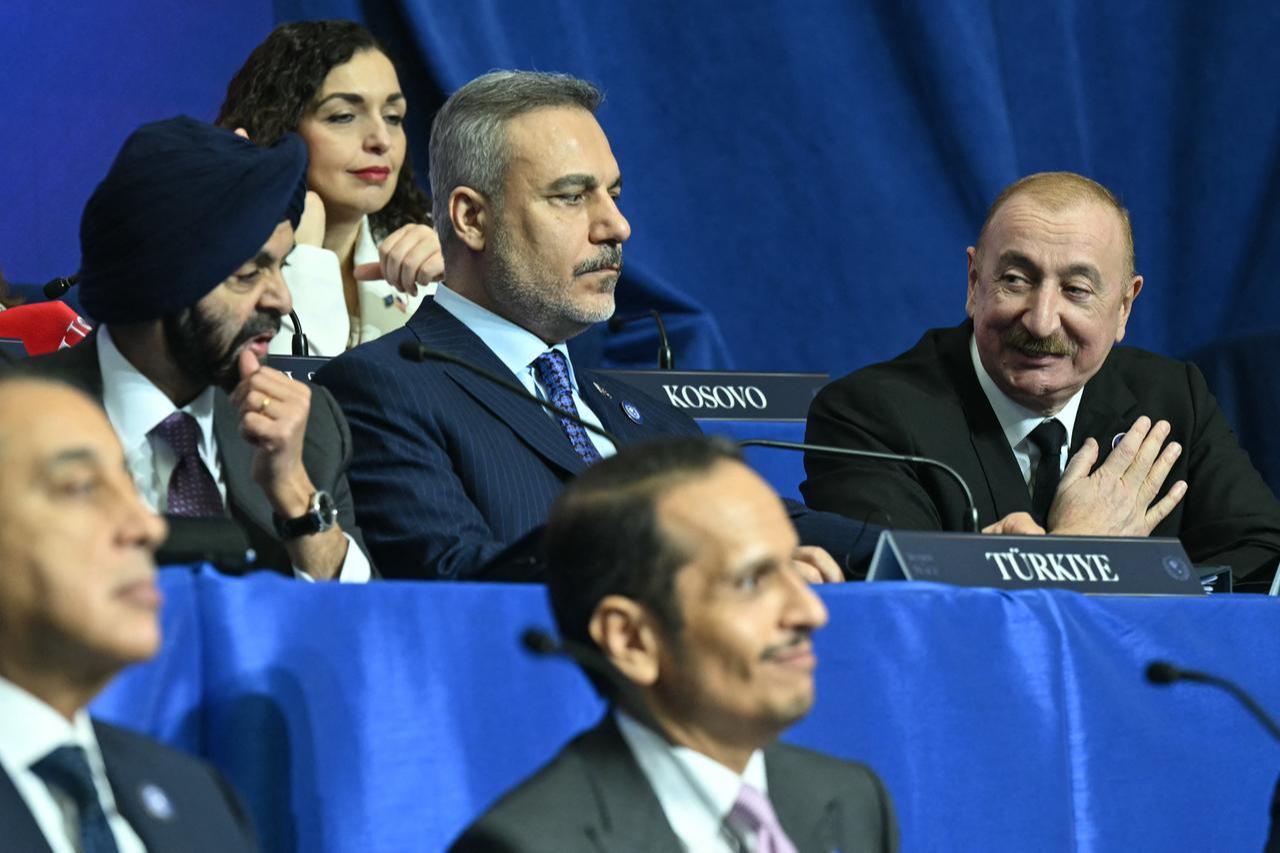
Days after MSC, the Board of Peace hosted Turkish Foreign Minister Hakan Fidan during its inaugural gathering in Washington.
Türkiye does not expect all its demands to be accepted. Instead, it demonstrates a level of maturity that prioritizes cooperation and problem-solving. It actively engages with regional countries while negotiating directly with the United States.
By working with neighboring states and maintaining a structured dialogue with Washington, Ankara seeks to integrate itself into the processes that shape global outcomes—rather than simply commenting on them from the sidelines.
The simultaneous occurrence of Munich and the Board of Peace, therefore, illustrated more than just contrasting venues; they symbolized two distinct diplomatic orders. Türkiye’s choice to prioritize engagement in Washington over a symbolic presence in Munich reveals a calculated assessment of alignment, leverage, and partnership within a shifting geopolitical landscape.


 Set as preferred source
 Set as preferred source


 7 min read