Newsletters


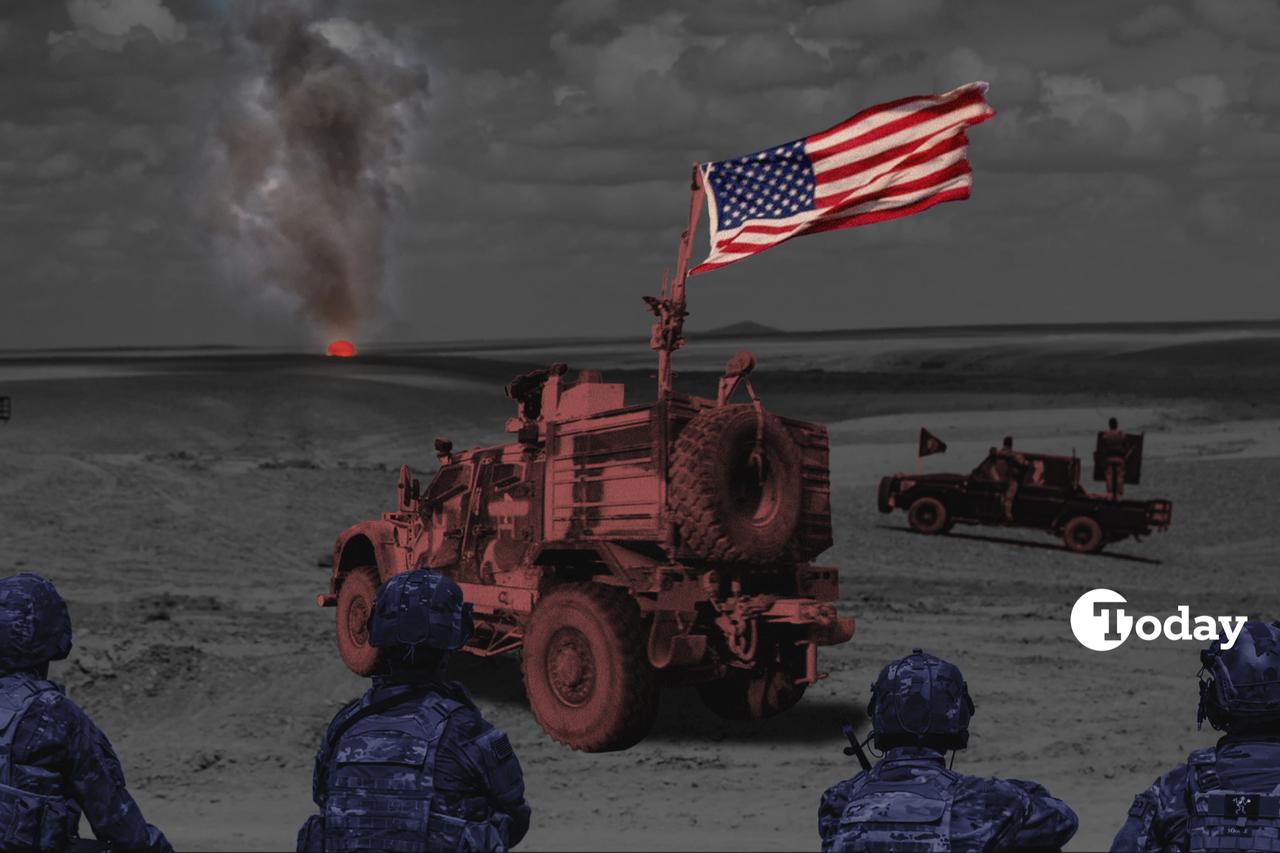


The recent attack that killed U.S. forces in Syria’s desert region has many different facets that need to be examined and analyzed. The attack is a reminder of the continued need to aid and support Syria in its transition toward stability. That said, there is another angle that I want to address: Why are U.S. soldiers still in Syria at all?
When the United States initially deployed ground forces to Syria, it did so as part of the anti-Daesh coalition. In 2019, the Daesh caliphate lost its last remaining territory, yet the U.S. military presence continued.
Although Donald Trump ordered the withdrawal of U.S. troops, domestic pushback ultimately prevented a full pullout. Since then, the United States has maintained two distinct military deployments in Syria: U.S. troops embedded in SDF-held areas, and in the al-Tanf region along the Iraq–Syria border.
Following the fall of the Assad regime, the United States significantly reduced its footprint, consolidating its forces into just four bases, including al-Tanf. The other three bases are in the Syria–Iraq–Türkiye triangle in northeastern Syria. Given this current force posture, the strategic logic behind the continued American deployment has become increasingly difficult to justify.
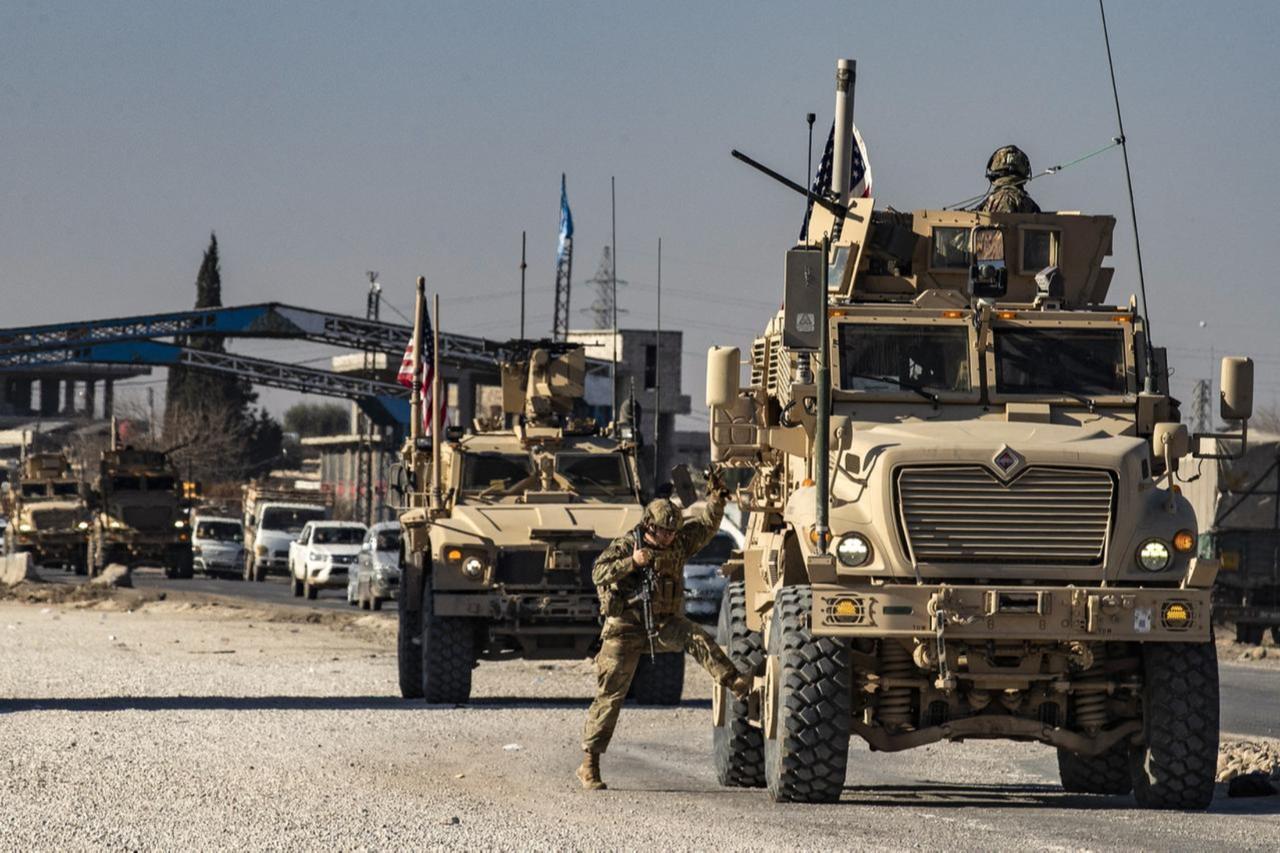

For years, it was argued that the U.S. presence at al-Tanf was intended to block a direct Iranian land corridor from Iraq to Lebanon. But that rationale no longer holds. The local U.S. partners in al-Tanf are now officially part of the Syrian army, and Iran has been expelled from Syria.
This raises an unavoidable question: what is the operational logic of maintaining a U.S. base at al-Tanf today? It was American soldiers stationed in this remote desert outpost who were killed.
Similarly, the continued U.S. presence in northeastern Syria can no longer be credibly justified by the fight against Daesh. The locations of U.S. bases are far removed from known Daesh cells or areas of active operations.
One possible explanation is the proximity of U.S. forces to the Roj camp and certain Daesh detention facilities. Yet even this argument falls apart, as the much larger al-Hol camp and major Daesh prisons are located far from current U.S. deployments.
In short, the deaths of American servicemembers are a tragedy for the United States. But CENTCOM must confront the reality that its military presence in Syria now delivers minimal operational benefit while carrying significant risk.
A full withdrawal, paired with the handover of responsibilities to Syrian security forces, continued intelligence sharing, and air operations if necessary, would represent the most effective and least dangerous course of action for the United States.


 Set as preferred source
 Set as preferred source


 1 min read
 1 min read