Newsletters


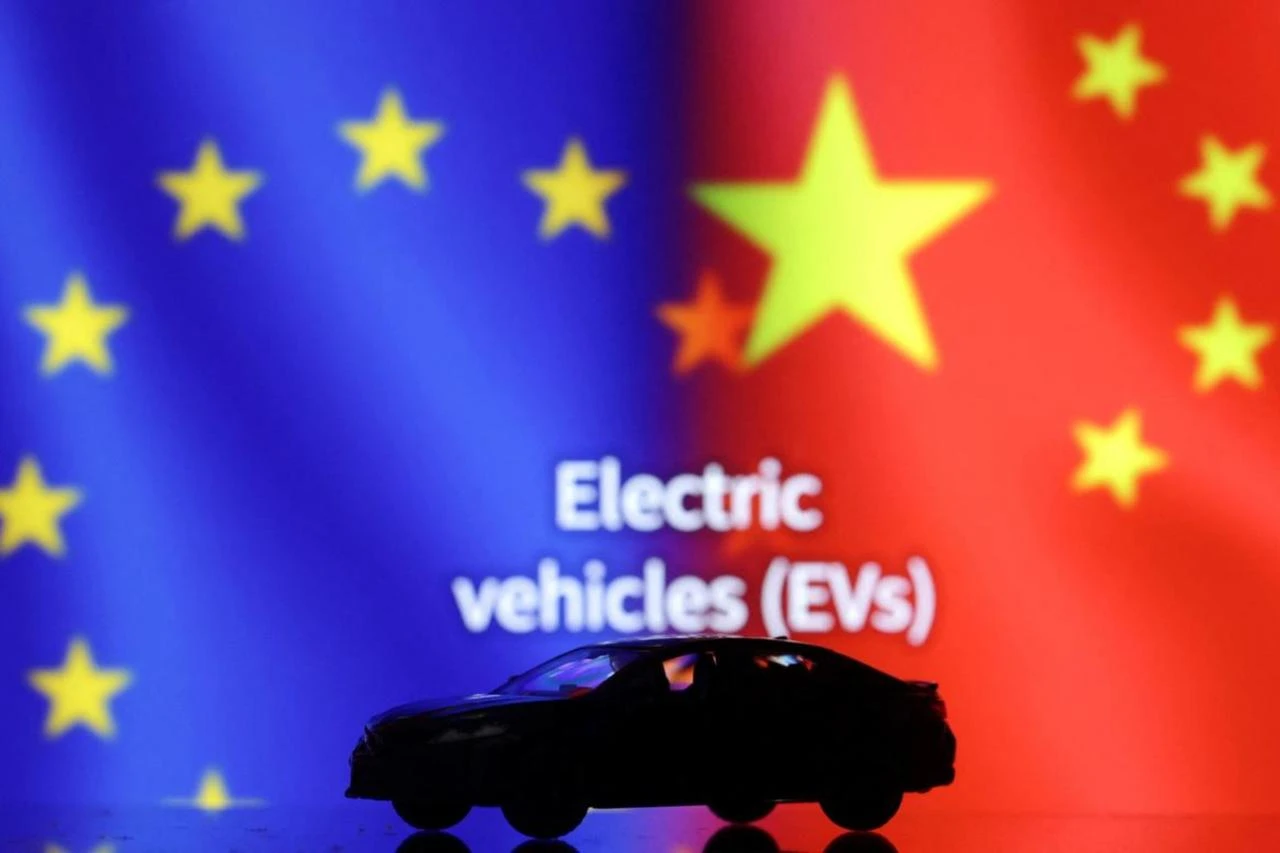


The EU’s temporary €3 ($3.42) customs duty on low-value e-commerce consignments looks like a technical change. It belongs to a larger shift in Europe’s approach to Chinese supply.
The duty applies to each tariff category in a consignment worth less than €150 where the non-EU seller is registered through the Import One-Stop Shop, which covers 93% of e-commerce flows into the Union.
China will bear most of the practical burden. Of the 4.6 billion low-value parcels entering the EU in 2024, 91% were shipped from China.
The measure is origin-neutral in legal terms. It was agreed in December 2025 and will remain in place until the EU’s new customs data hub begins handling e-commerce goods in 2028.
Its commercial effects will be concentrated on China-based sellers and platforms because of their scale. A €3 duty may be marginal for a €90 product; it is far more consequential for goods sold for a few euros.
Two days before the duty entered force, Commerce Minister Wang Wentao and Trade Commissioner Maros Sefcovic launched a new China-EU Trade and Investment Consultation Mechanism.
Its first workstreams cover trade and investment balance, export controls, intellectual property and WTO reform. The parties also agreed to exchange data, monitor trade flows and meet again at ministerial level in the autumn.
Brussels is therefore doing two things at once. It is adding instruments at the border and within the single market, while keeping a channel open for negotiation. That approach reflects a change in European expectations.
Rapid growth in China-origin supply is no longer treated simply as a source of lower prices that ordinary market competition can absorb. Yet Europe also depends on Chinese inputs, Chinese demand and a degree of commercial predictability that broad economic separation would seriously disrupt.
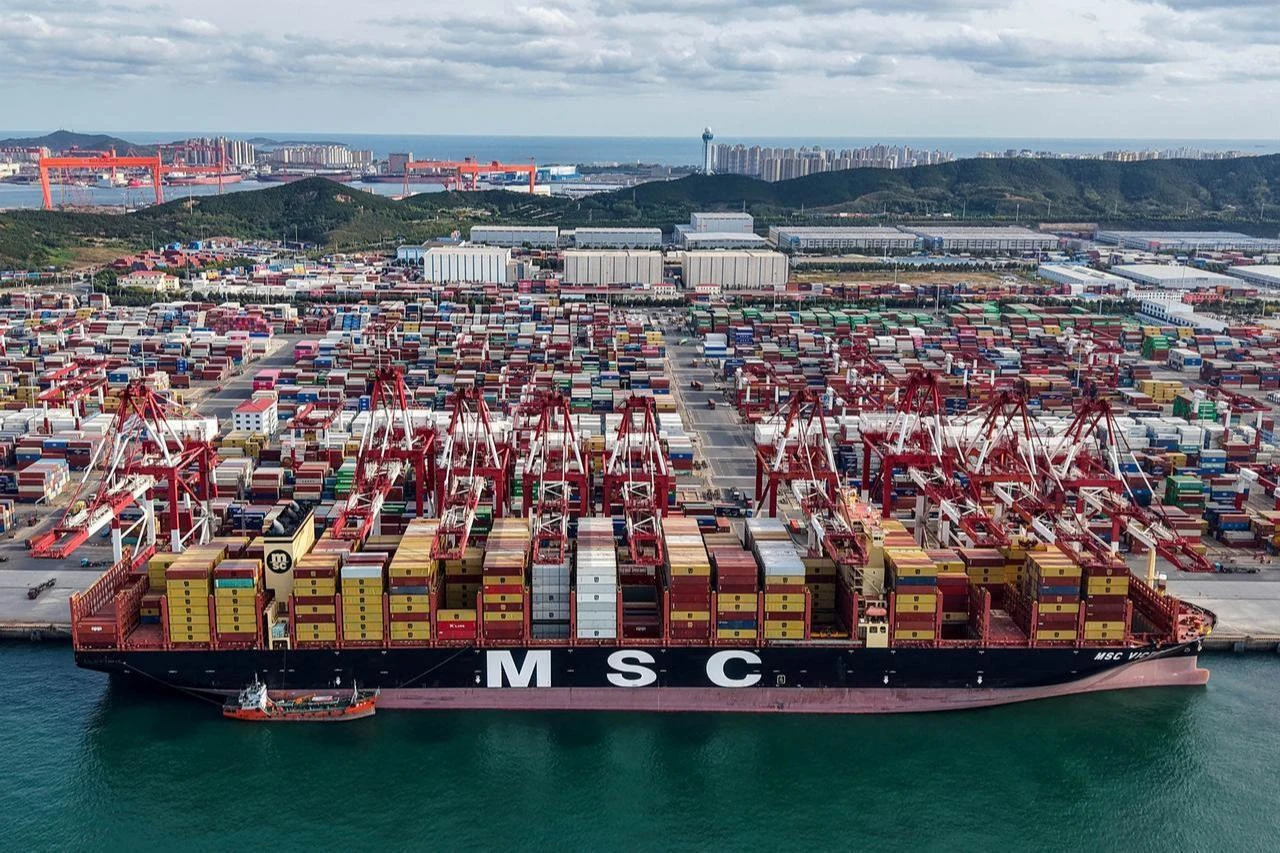

In 2025, the EU exported €199.6 billion in goods to China and imported €559.4 billion. The resulting deficit was €359.8 billion. The value of EU exports fell by 6.5% from 2024, while imports rose by 6.4%.
In the first quarter of 2026, the deficit reached €98 billion, the highest quarterly figure since the third quarter of 2022.
These numbers warrant attention. They do not establish unfair trade by themselves. Bilateral deficits reflect domestic savings, consumption, exchange rates, investment patterns and the way firms arrange supply chains. They also reveal little without a sectoral breakdown.
The EU’s biggest exports to China in 2025 were machinery and mechanical parts, worth €45.3 billion, followed by electrical equipment at €29 billion. Its largest imports from China were electrical equipment and machinery.
Eurostat recorded the largest annual increase in machinery and mechanical-part imports, while EU vehicle and vehicle-parts exports to China fell by €8.5 billion.
The relationship cannot be reduced to European capital goods exchanged for Chinese consumer goods. Both sides are competing across manufactured sectors that sit close to the centre of their industrial strategies.
That overlap explains the political weight attached to electric vehicles. The EU’s definitive countervailing duties on Chinese battery-electric vehicles range from 7.8 to 35.3 per cent. The Commission is still prepared to consider WTO-compatible price undertakings.
These measures can alter the conditions of competition in a specific market. They cannot supply European firms with cheaper power, more patient capital or faster industrial investment.
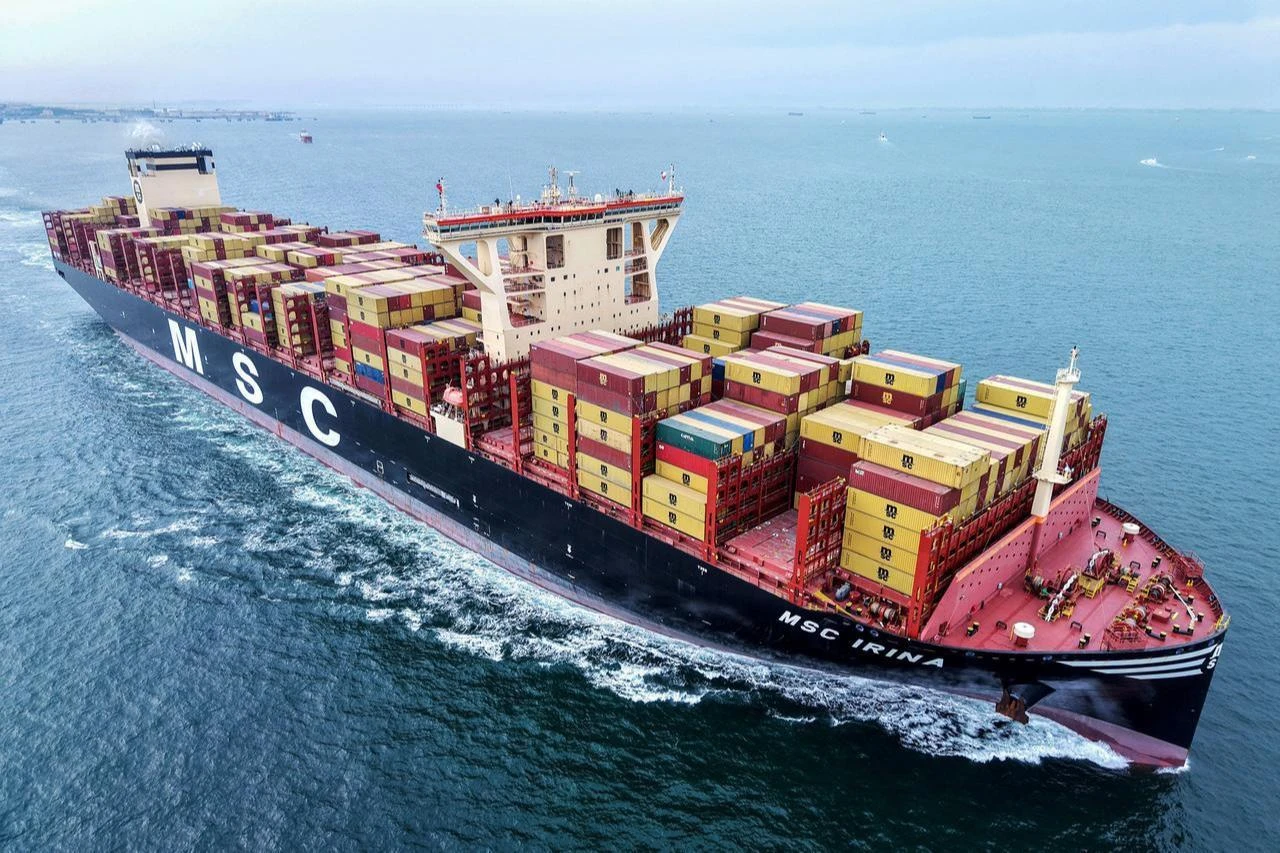
Türkiye is deeply connected to European demand, regulation and industrial supply chains. In 2025, 42.7% of Turkish goods exports went to the EU, while 35.3% of imports came from the Union.
Bilateral goods trade exceeded €217.6 billion. The EU imported €103.3 billion of goods from Türkiye, led by motor vehicles, machinery and electrical equipment.
A prolonged European industrial slowdown would therefore be likely to affect Turkish exporters, although the timing and scale would vary across automotive, machinery, electrical equipment and consumer-facing sectors.
There is also an opening. China-specific trade-defence measures can create room for Turkish firms that have genuine capacity, reliable delivery, competitive financing and the ability to meet EU technical and traceability requirements.
The customs union removes tariffs and quantitative restrictions for covered industrial goods. It does not make Türkiye an automatic substitute for China. European buyers will assess price, quality, volume, certification, delivery times and the resilience of existing supplier relationships before moving orders.
A distinct risk is that Türkiye becomes a transit point rather than a production base. Ordinary customs treatment turns largely on origin. EU anti-circumvention rules are different.
They examine changes in trade patterns, transhipment and limited processing that may weaken an existing trade-defence measure.
In 2024, the Commission extended countervailing duties on Indonesian cold-rolled stainless steel to imports consigned from Türkiye after finding circumvention.
Its parallel anti-dumping investigation concerning Türkiye was terminated. Genuine Turkish producers were exempted.
The practical lesson is clear. Turkish firms need substantial production, traceable inputs and records that can withstand scrutiny. Minimal processing and convenient routing offer little durable advantage.
China was Türkiye’s largest import source in the first quarter of 2026, at about $13.2 billion. If tighter EU measures redirect part of China-origin supply towards other markets, competition in Türkiye’s domestic market may intensify in some products.
The effects will differ. Cheaper machinery and intermediate goods may support Turkish exporters. Cheaper finished goods may put pressure on domestic producers.
The €3 parcel duty follows a separate mechanism: Turkish sellers or intermediaries using IOSS for direct low-value sales to EU consumers face the same rule as other non-EU operators.
Türkiye’s interest is narrower than choosing between Brussels and Beijing. It lies in protecting access to the EU market through genuine production, credible compliance and supply chains that can be documented.
The consequences of Europe’s defensive turn will be decided product by product. It may create opportunities for Turkish industry where capacity is real. It will increasingly disadvantage export models built on minimal processing, opaque sourcing or weak documentation.


 Set as preferred source
 Set as preferred source


 7 min read