Newsletters


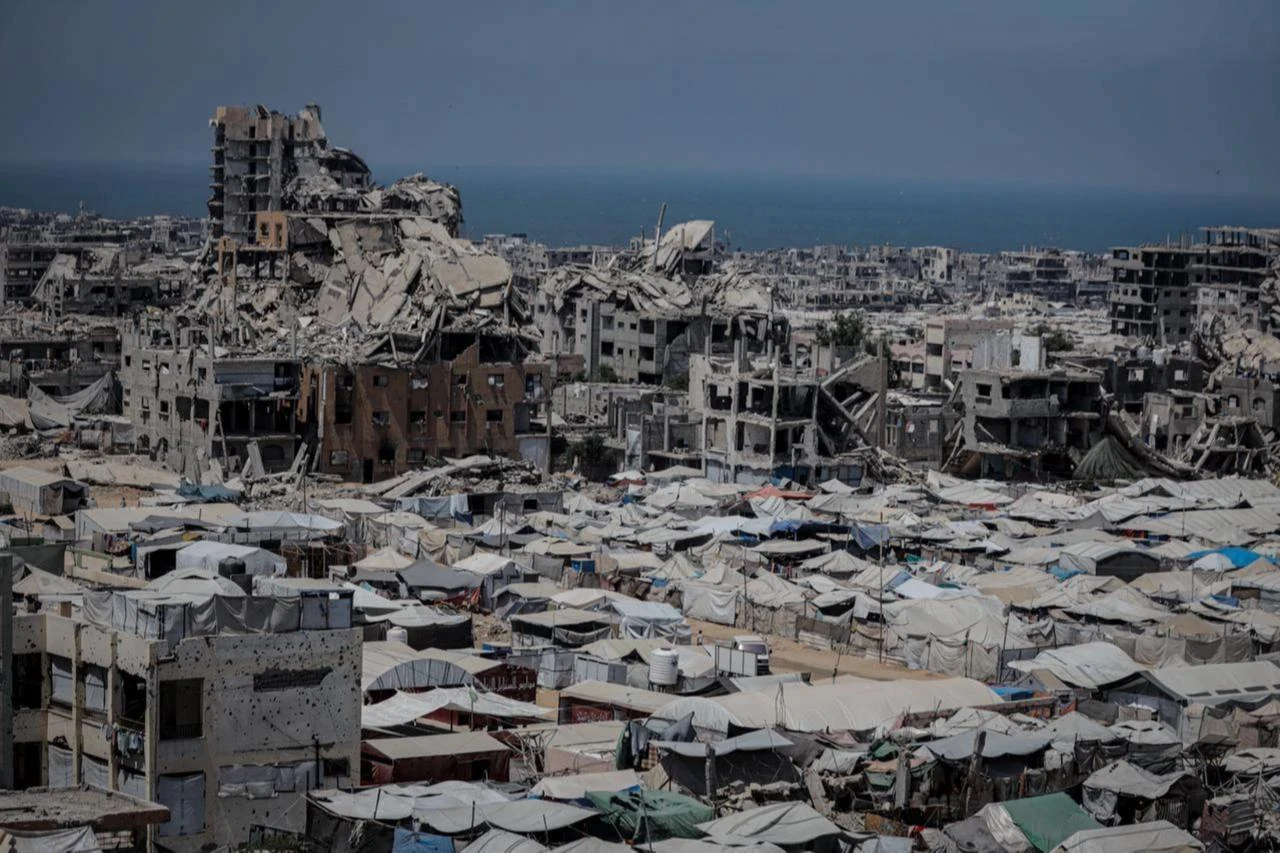


The prospect of a disarmament agreement in Gaza has once again generated cautious optimism across the international community. After months of devastating conflict, the idea that weapons could finally fall silent offers hope to millions exhausted by violence.
Yet history repeatedly reminds us that disarmament, while important, should never be confused with peace itself. Removing weapons may reduce the immediate capacity for war, but it does not eliminate the political grievances, institutional failures, economic devastation, or humanitarian suffering that fuel conflict in the first place.
This distinction is particularly relevant today as discussions surrounding Gaza’s future intensify. The central challenge is no longer simply whether weapons can be surrendered, but whether political leaders are prepared to build the conditions necessary for sustainable peace.
Without genuine political commitment from all stakeholders, disarmament risks becoming another temporary pause rather than the beginning of lasting stability.
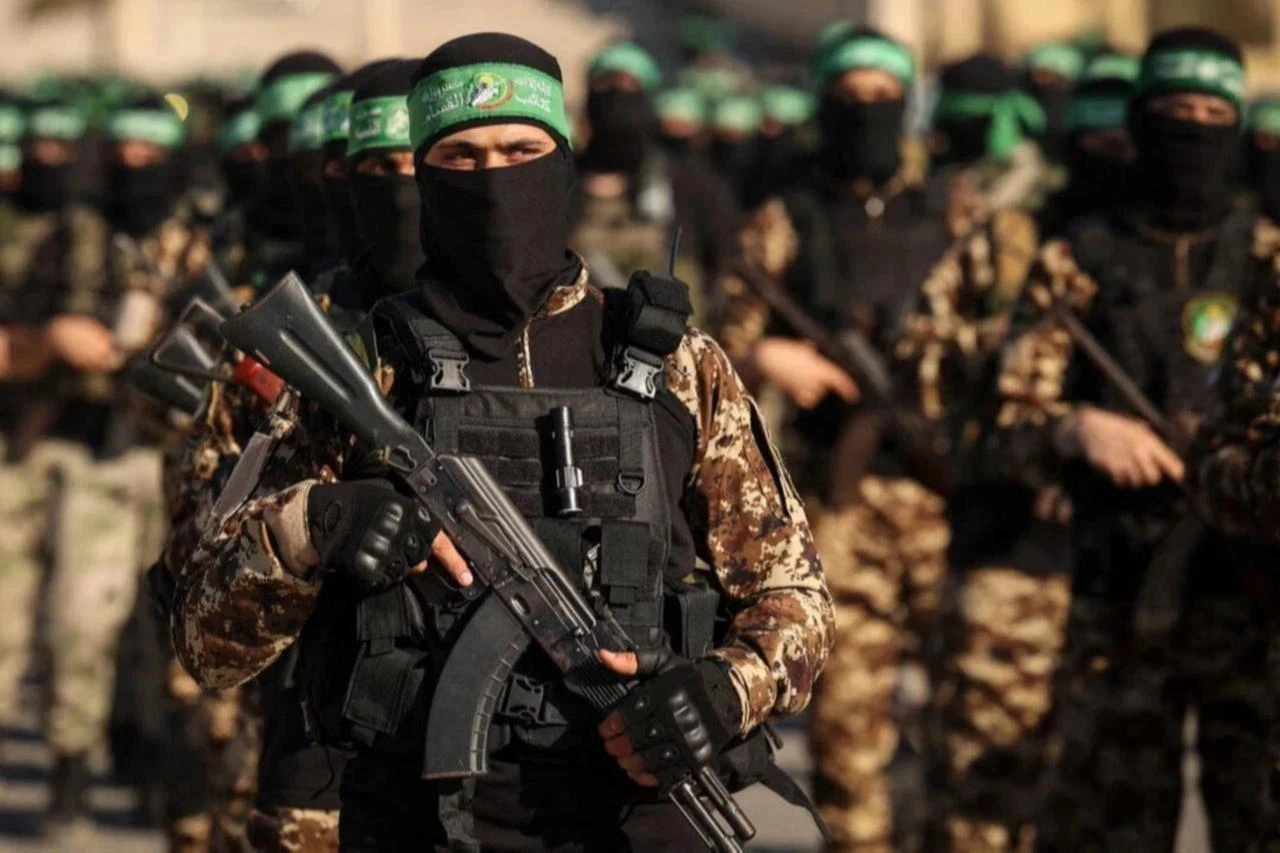
One of the fundamental obstacles is that the parties involved often approach the concept of disarmament from entirely different perspectives. For Israel, disarmament largely signifies eliminating Hamas’ military capabilities to prevent future attacks and strengthen national security.
For Hamas, however, the discussion is considerably more complex. Any surrender of heavy weapons or transfer of military assets would likely require substantial political guarantees, including recognition of Palestinian governance structures, security arrangements, and assurances regarding the future political status of Gaza.
These divergent understandings illustrate why negotiations frequently reach an impasse. The disagreement is not solely about weapons; it concerns power, legitimacy, governance, and long-term security. Until these broader political questions are addressed, disarmament alone cannot resolve the conflict.

The international community has an important role to play in supporting any future agreement. International monitoring mechanisms can provide transparency, verify compliance, and help build confidence between deeply distrustful parties.
Independent oversight may reduce accusations of violations and encourage greater accountability throughout the implementation process.
However, international monitoring should not be viewed as a substitute for political commitment. External actors can facilitate agreements, but they cannot manufacture political will where it is absent. Peace cannot be outsourced.
Sustainable stability ultimately depends on the willingness of political leaders to make difficult compromises, prioritize civilian welfare, and pursue negotiated solutions over military calculations.
Even if a comprehensive disarmament framework were successfully implemented, Gaza would still face an enormous challenge that extends far beyond security considerations.
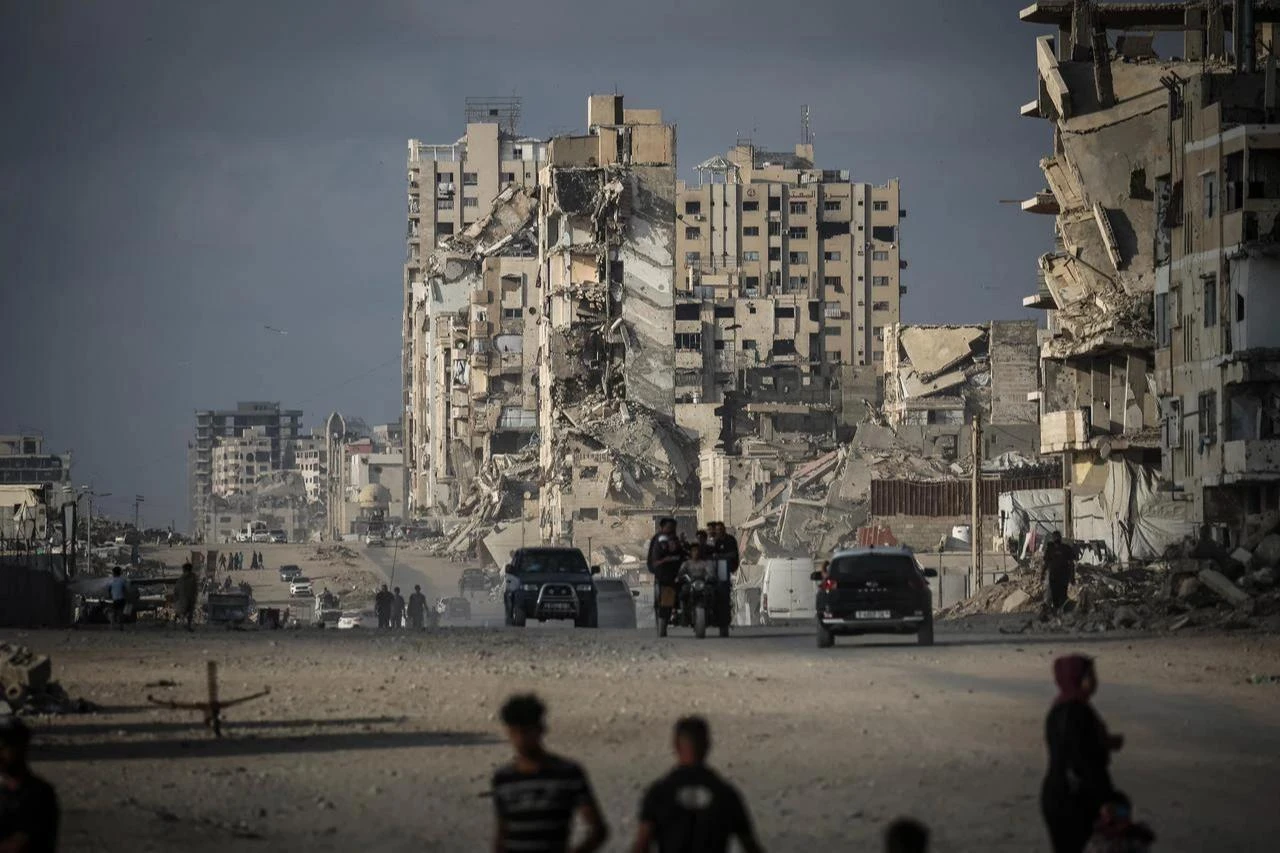
Years of conflict have severely damaged public infrastructure, health care facilities, educational institutions, housing, water systems, and electricity networks. Economic activity has largely collapsed, unemployment remains exceptionally high, and an entire generation of young Palestinians has grown up amid recurring violence and uncertainty.
Without meaningful reconstruction and economic recovery, the social conditions that contribute to instability are likely to persist. Peace requires citizens to believe that their future offers opportunities beyond conflict.
Employment, functioning schools, accessible health care, reliable public services, and investment in local industries are not secondary concerns; they are essential pillars of long-term security.
Equally important is the restoration of effective and accountable governance. Institutions capable of delivering public services, maintaining the rule of law, managing humanitarian assistance, and promoting economic development are indispensable for rebuilding public confidence.
Fragile or fragmented governance creates vacuums that can easily be exploited by competing armed groups, criminal networks, or political factions seeking influence.
Humanitarian assistance will also remain critical throughout any transition period. Millions continue to depend on emergency aid for food, medical care, shelter, and basic necessities. Yet humanitarian relief should not become a permanent substitute for political solutions.
Aid alleviates suffering, but it cannot resolve the structural causes of conflict. Long-term stability requires moving from emergency response toward sustainable development and institutional resilience.
Respect for international law must likewise remain central to any future peace process. Civilian protection, accountability for violations, respect for humanitarian principles, and adherence to international legal obligations are essential for rebuilding trust between communities and restoring confidence in diplomatic processes. Durable peace is difficult to achieve where accountability is absent or justice is perceived as selective.
The broader regional implications should not be overlooked. Instability in Gaza inevitably affects neighboring countries, regional security, migration patterns, economic cooperation, and diplomatic relations across the Middle East. Consequently, any successful peace initiative must extend beyond ceasefire arrangements and address the wider political architecture necessary for regional stability.
For policymakers, the lesson is straightforward. Measuring success solely by the number of surrendered weapons risks overlooking the deeper foundations of peace. Security arrangements are necessary, but they represent only one component of a comprehensive settlement. Political reconciliation, institutional reform, economic reconstruction, humanitarian recovery, and adherence to international law must advance together if peace is to endure.
Disarmament should therefore be understood not as the destination but as the starting point. Weapons can be collected, monitored, and dismantled through technical agreements. Building peace, however, demands something far more difficult: sustained political courage, responsible governance, international cooperation, and an unwavering commitment to addressing the underlying causes of conflict.
The people of Gaza-and indeed the wider region-deserve more than another fragile ceasefire that postpones the next crisis. They deserve a future built on functioning institutions, economic opportunity, human dignity, and political accountability. Only then can disarmament become the foundation upon which genuine and lasting peace is finally constructed.


 Set as preferred source
 Set as preferred source


 1 min read

 1 min read