Newsletters


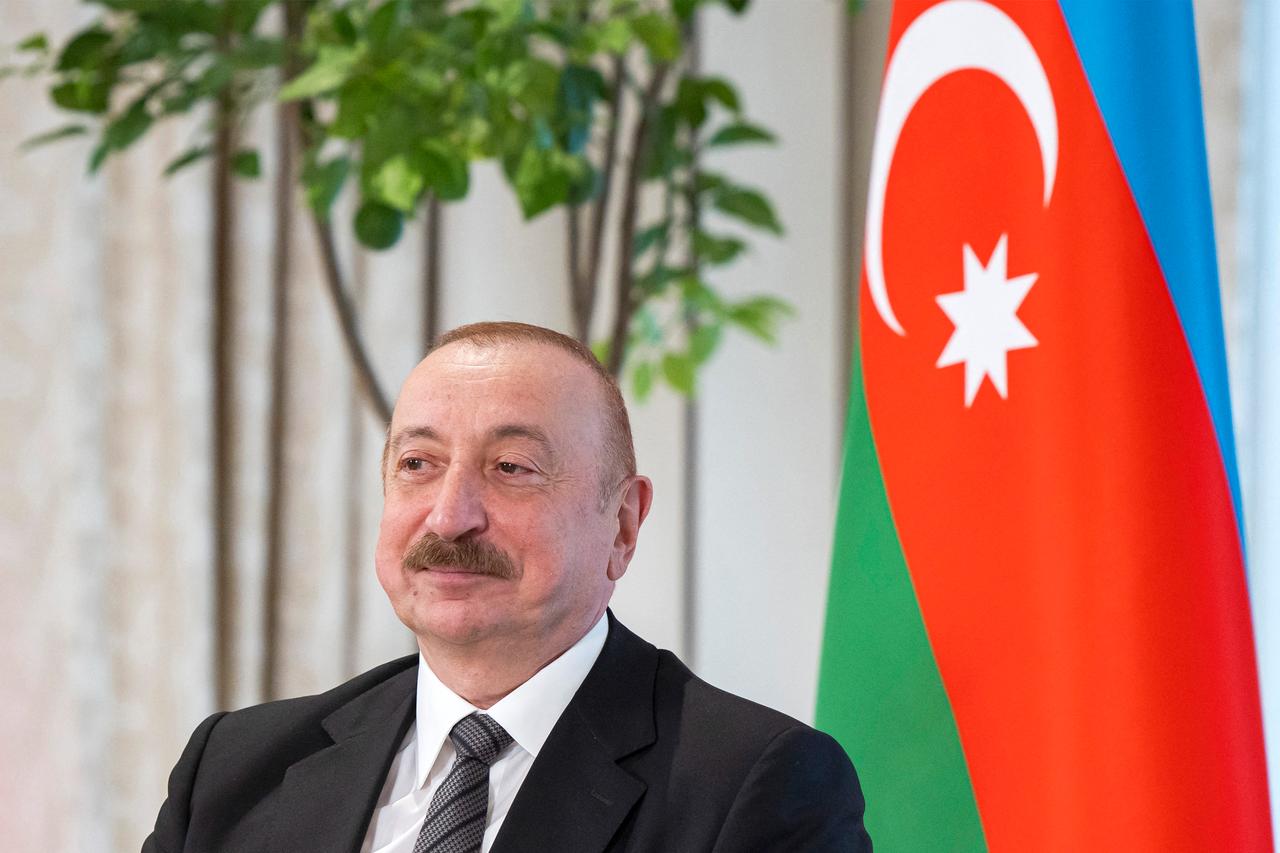


Azerbaijan is working behind the scenes to ease tensions between Israel and Türkiye, Israeli sources confirmed to the Israeli news outlet Ynet, following a week marked by an Israeli strike on a Syrian airbase.
According to Ynet, Azerbaijani officials are deeply concerned about the deterioration in relations between Israel and Türkiye, both close partners of Baku, and initiated direct dialogue between the two countries roughly a year ago, when a mechanism for operational coordination in Syria was established.
A source familiar with the matter told Ynet that the United States is also working to reduce tensions.
"Have you and Türkiye lost your minds? You are our friends, and Türkiye is our friend too," an Azerbaijani official who spoke to the Israeli media outlet said, adding, "What are we supposed to do if, God forbid, you start fighting? That is why it is important to reduce the tensions immediately."
Ynet reported that efforts appear to be underway to revive the Syria coordination mechanism and renew direct dialogue between Israel and Türkiye in an attempt to prevent miscalculation that could lead to escalation.
Alongside Azerbaijan's mediation efforts, Axios reported Sunday that Syrian Foreign Minister Asaad al-Shaibani met with Mossad chief Roman Gofman following the Israeli strike on the Abu al-Duhur airbase.
Sources familiar with the matter said the meeting went well, according to reports.
Shaibani told Reuters on Sunday that contacts with Israel were suspended after the strike, but said Damascus expects negotiations with Israel over a security agreement to resume soon.
"Syria currently does not trust Israel, but it is extending its hand to diplomacy and calling on Israel to seize the historic opportunity," Shaibani said.
In a separate interview with Western media cited by Syria Alikhbaria TV, the Syrian foreign minister said direct contacts with Israel stopped after the Aug. 18 airstrike on the Abu al-Duhur airbase in Idlib province.
"We do not trust Israel at present," he said, adding that Israel struck the facility despite Damascus having informed it that the site "would not become a Turkish base."
He said Syria would continue relying on Turkish assistance in military training and cooperation.
"We will not dispense with this support," he said.

Shaibani said Damascus and Tel Aviv had reached understandings on most provisions of a proposed security agreement earlier this year.
"Almost everything was agreed upon on paper," he said.
According to Shaibani, the proposed agreement would require Israel to refrain from attacking Syria or interfering in its internal affairs, halt military operations, and withdraw from territories seized after the fall of Bashar Assad's regime. It would also establish several security zones near the border, including a U.N.-only buffer zone alongside areas where Syrian forces would be deployed at varying levels, he said.
Shaibani accused Israel of avoiding finalization of the agreement.
"We did not find that they had the motivation or genuine will to reach an agreement," he said.
He said Syria's immediate priority regarding the occupied Golan Heights is to stop Israeli attacks, with discussions on the Golan and broader peace to follow later.
He also said the U.S. is exerting continuous pressure on Israel to return to the negotiating table.
Germany criticized the Israeli airstrike on the Abu al-Duhur airbase, with a senior Foreign Ministry official telling Türkiye's state-run Anadolu Agency (AA) that Syria's sovereignty and territorial integrity must be respected.
"The German government has noted with concern reports of an airstrike on the Abu al-Duhur airfield in northwestern Syria," the official said.
"Any foreign military intervention is not conducive to the stabilization of Syria or to peace in the region. A stable Syria contributes to the stability of the Middle East as a whole. Syria's sovereignty and territorial integrity must be respected by all countries," the official added.
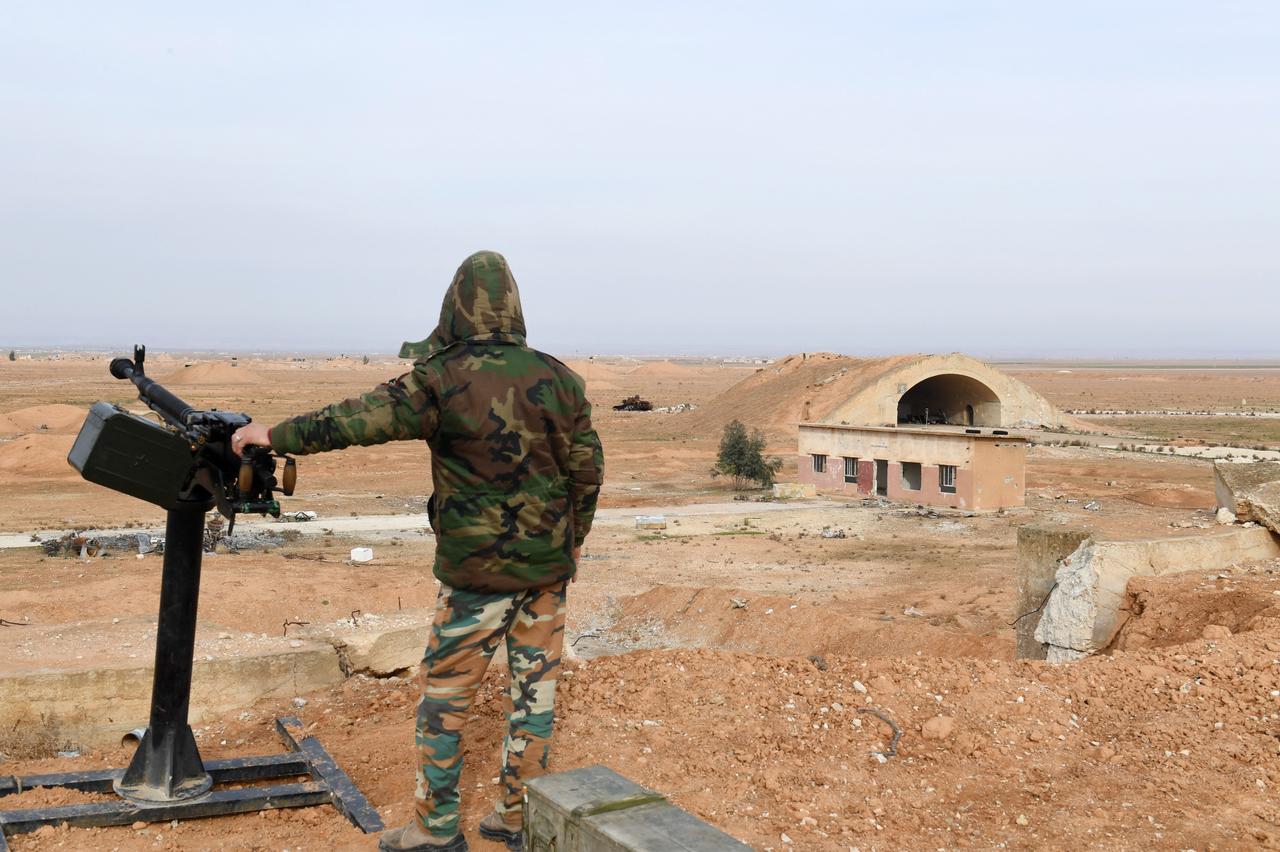
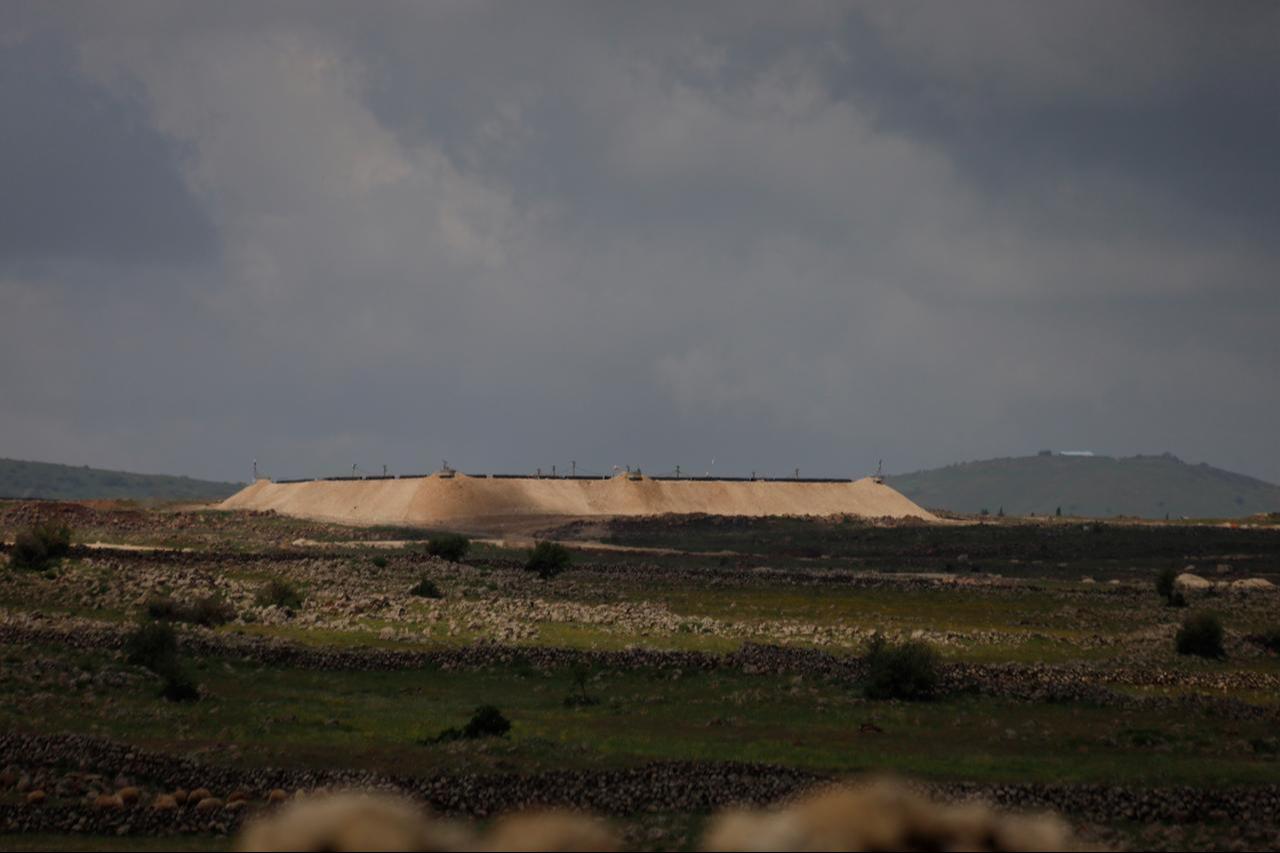
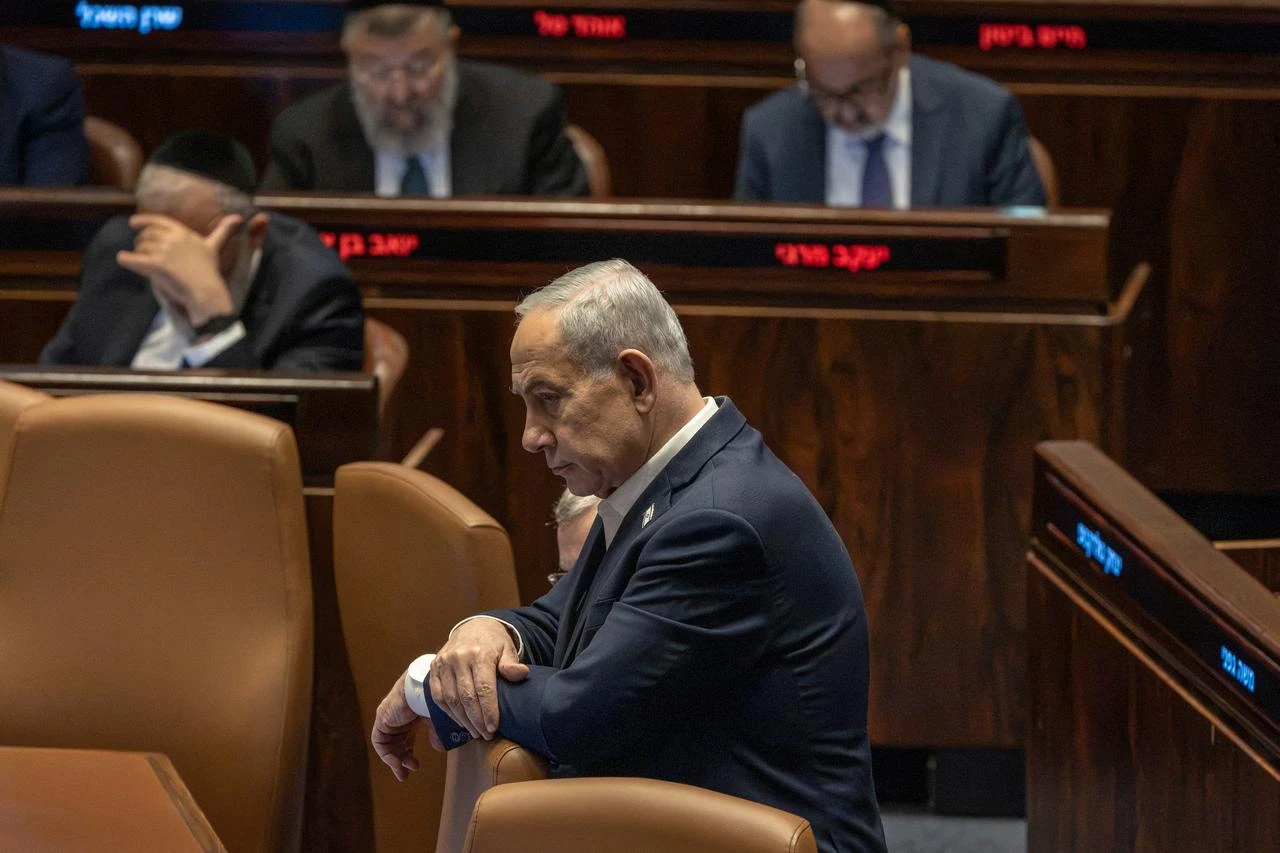
Israeli aircraft carried out eight strikes on the runway of the Abu al-Duhur military airfield on Aug. 18, damaging its infrastructure. Netanyahu claimed Israel had warned Syria against allowing a Turkish presence at the base, a justification Shaibani and Türkiye rejected.
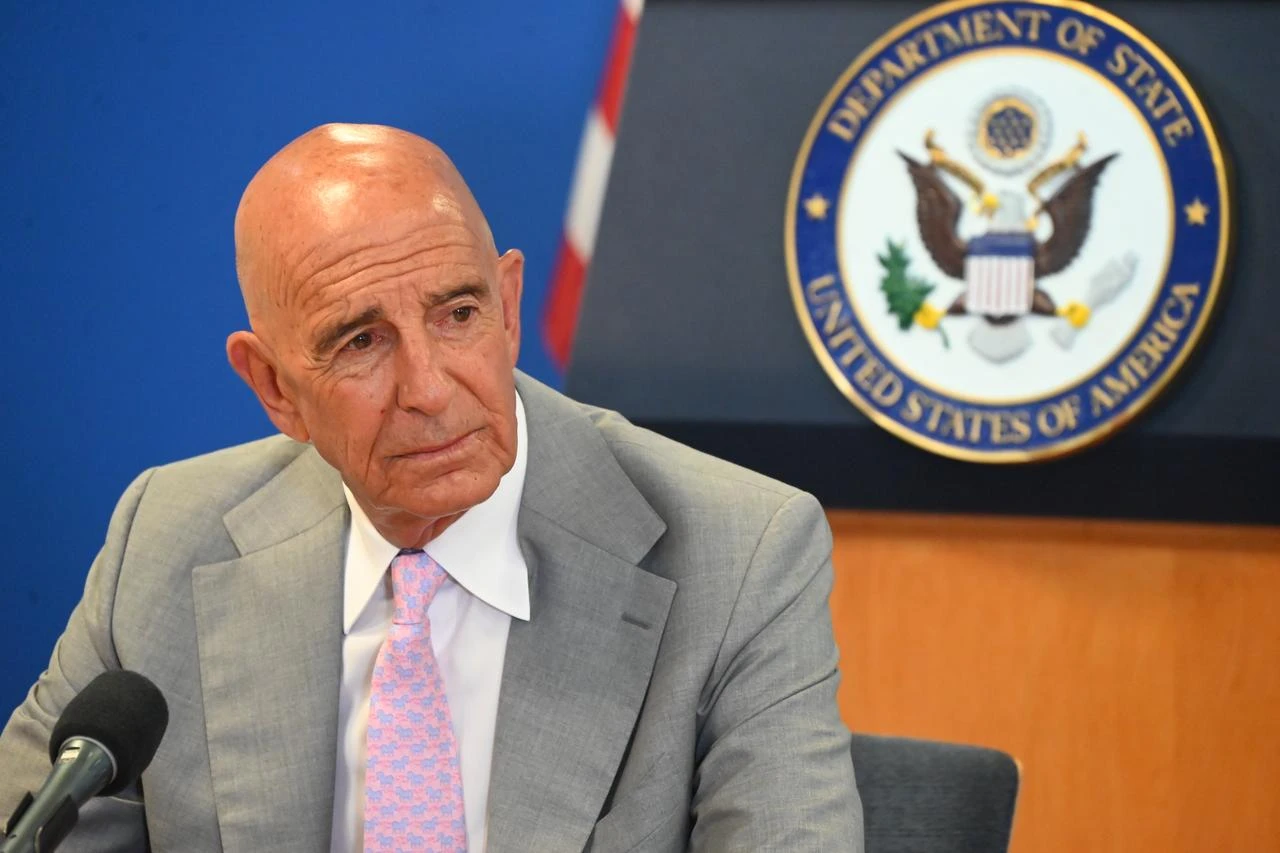
Israeli newspaper Haaretz cited a warning from U.S. envoy Tom Barrack that the strike "could have escalated into a direct military confrontation" between Israel and Türkiye, suggesting this may have been Israel's actual objective.
Barrack stressed that Türkiye "has no intention of attacking Israel or of entering into a military confrontation with it," and warned Israel may be "acting irrationally" during its election period.


 Set as preferred source
 Set as preferred source


 2 min read
 1 min read