

 Newsletters


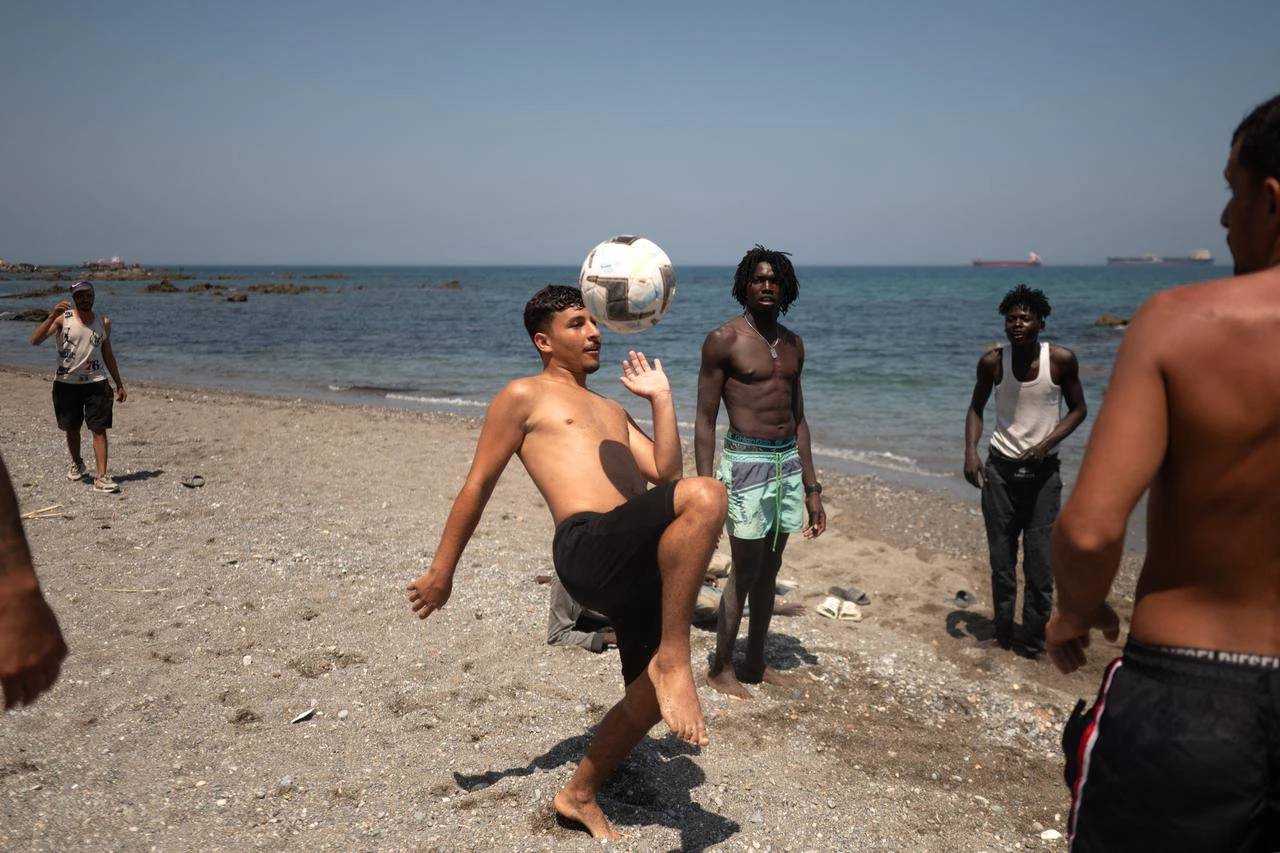


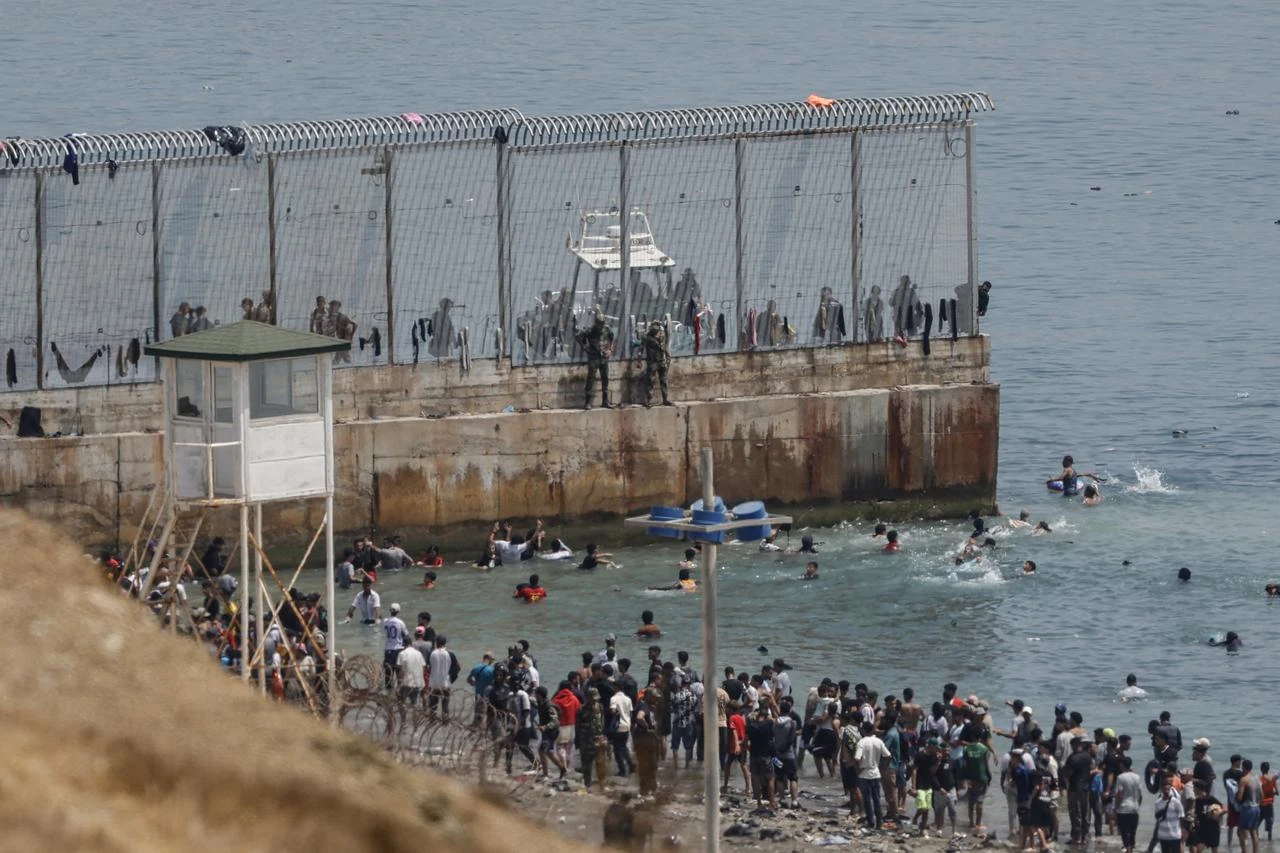
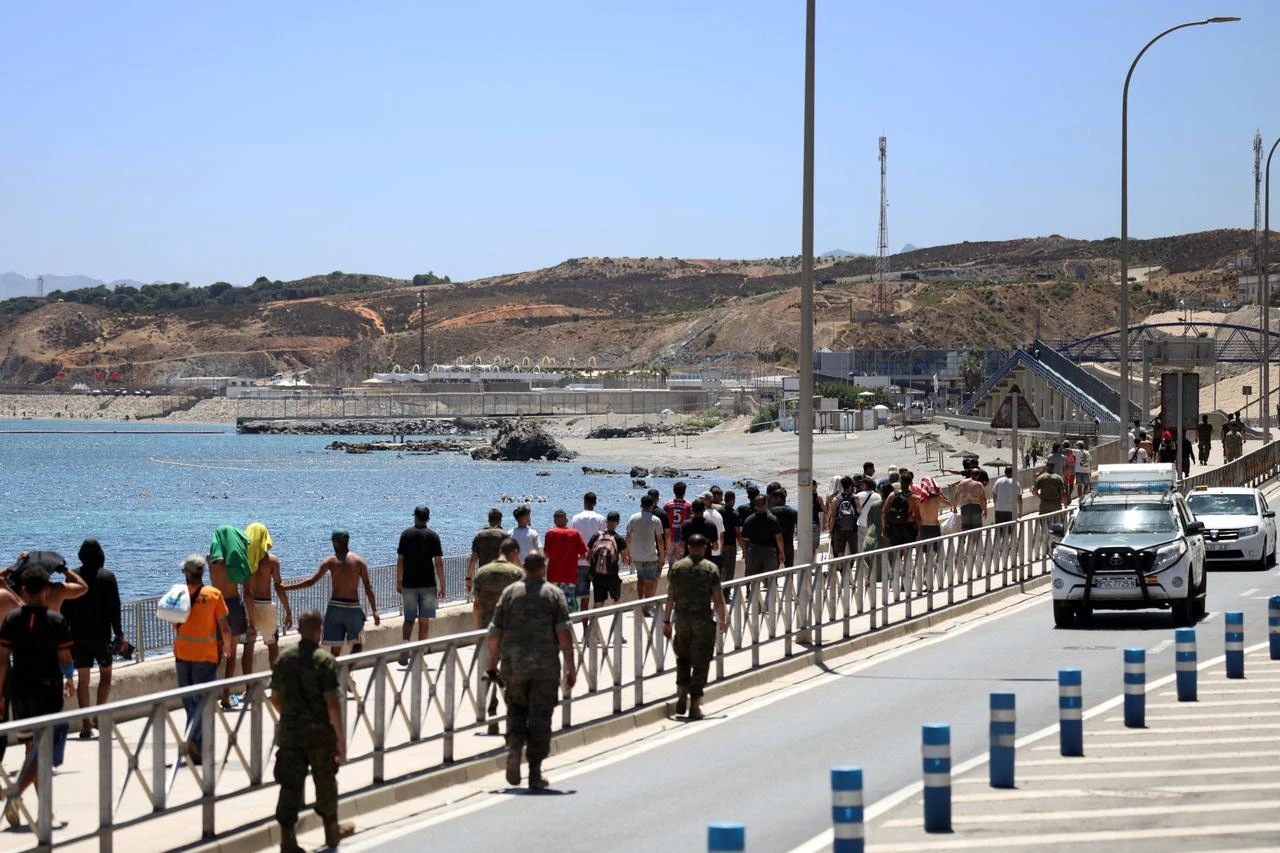
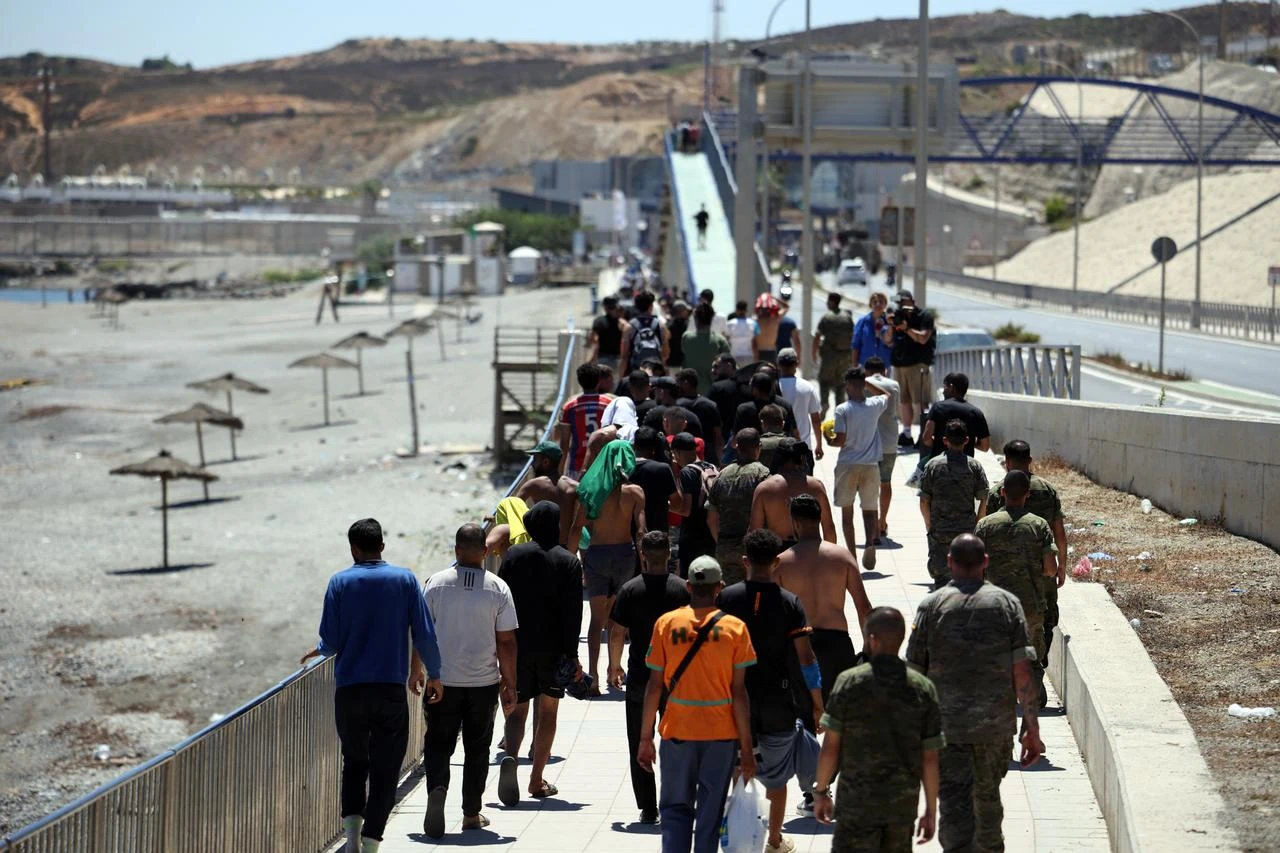
Last month's crossing of 72,000 would-be migrants from Morocco into the Spanish exclave of Ceuta revived memories of previous European migration crises, but this time many were not fleeing poverty or conflict.
In fact, Morocco's economy is booming, at least on the surface, but experts say the persistent allure of life on the other side of the border is rooted in deeper anxieties, particularly among the young.
Even with 70,000 of the migrants pushed back in the days immediately after crossing and dozens dying in the attempt, the pull remains strong, with Moroccan authorities saying they have taken measures against fresh calls on social media for a mass crossing on Saturday, a public holiday in Spain.
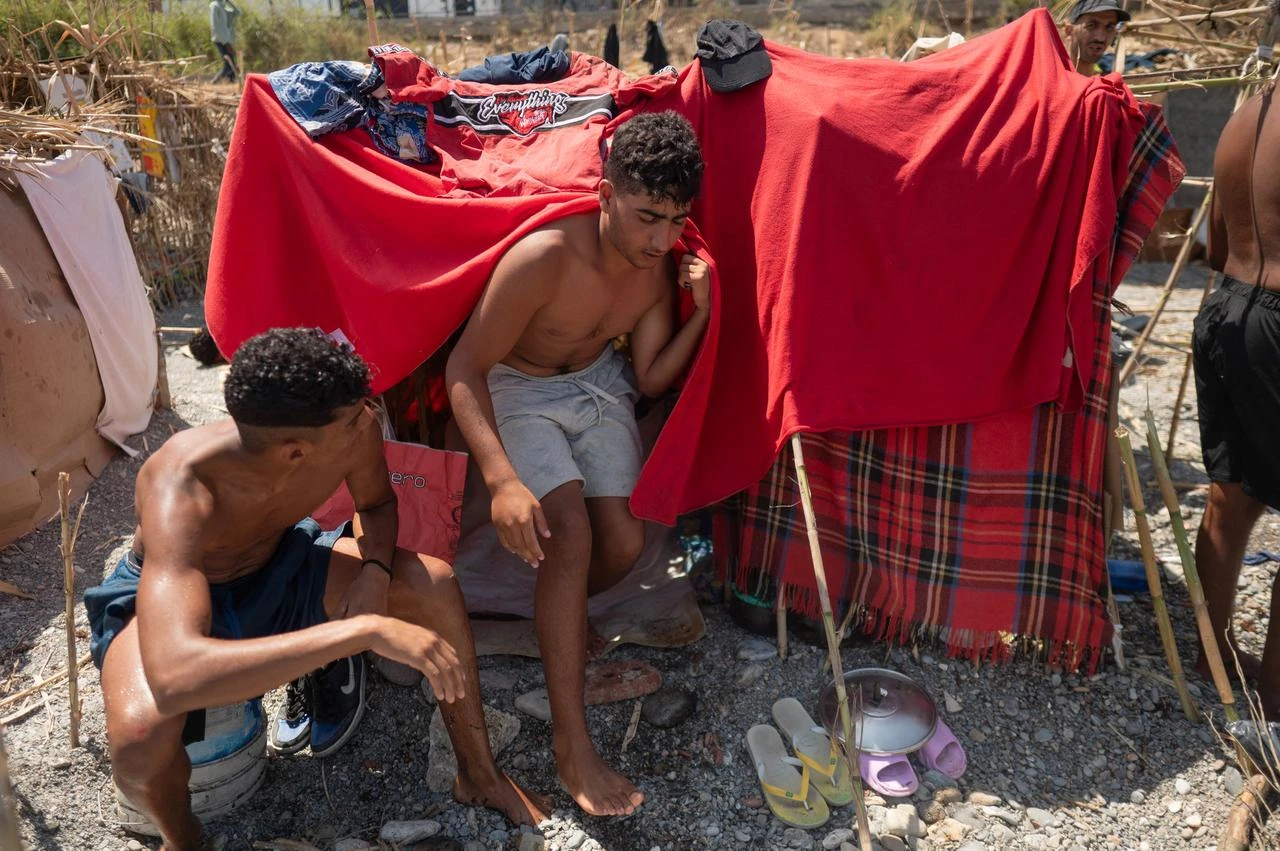

The Moroccan economy grew by 5% in 2025, with the country investing heavily in infrastructure, especially around preparations for the 2030 World Cup, which it will co-host with Spain and Portugal.
Some experts point to persistent, deep inequalities between urban and rural areas, with youth unemployment in the latter at 27% compared to 9.5% nationally.
And while Spain suffers from similarly high levels of youth and total unemployment, Spanish GDP per capita is around eight times that of Morocco's, according to World Bank figures.
Nevertheless, the people who took part in the mass attempt to reach Spain "seem more diverse" than usual, said Mohamed Benaissa of the Northern Observatory for Human Rights (ONDH), based in the Moroccan region bordering Ceuta.
A good number of those who risked death to reach Ceuta "are in relatively acceptable socio-economic situations," he stated. Many who crossed did so after abruptly quitting their jobs as waiters, laborers or fishermen.
Said Tribak was one of them. The 38-year-old craftsman from Tangiers dropped everything to head to the border town of Fnideq after hearing via social media that the frontier was open.
He traveled with his children, but upon seeing the chaos at the border, he took them home before returning again to swim across on his own. Tribak described his life as "not bad," but he said: "I thought I would earn more if I put in the same effort there as I do here."
Benaissa said the mass crossing by such people was a "deeper sign of a crisis of confidence in the future" and in "the ability of institutions to guarantee adequate social protection and equal opportunity."
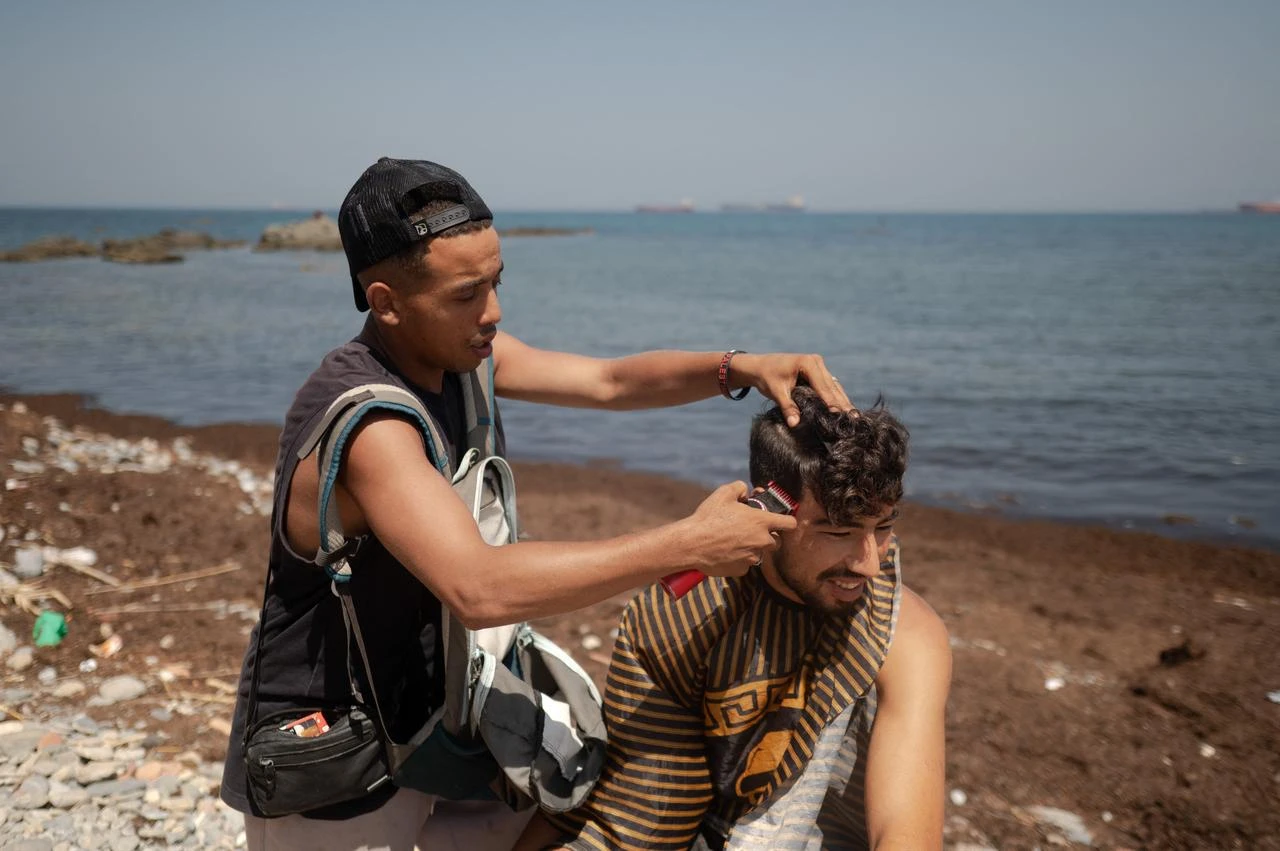
"The image of a European El Dorado remains very strong" in Morocco, sociologist Soumaya Naamane Guessos said. "Europe is associated, in young people's minds, with success and upward social mobility," she said, adding that social media played a key "amplifying role."
According to a recent survey by the ONDH, 74% of 500 young people living near the border said they followed accounts or content related to preparing to emigrate.
Morocco has also experienced youth-driven social movements, such as the GenZ 212 collective, which last year organized mass protests calling for better health and education services.
But Guessos said that young people in the country lacked places "where they can express their frustrations, defend their rights and take part. Young people don't feel like actors in society but spectators in a country that is being built without them."


 Set as preferred source
 Set as preferred source


 1 min read
 1 min read


