Newsletters




Moroccan authorities said Wednesday they have taken measures to prevent another mass crossing into the Spanish exclave of Ceuta, after detecting a wave of online disinformation claiming the border would open on August 15.
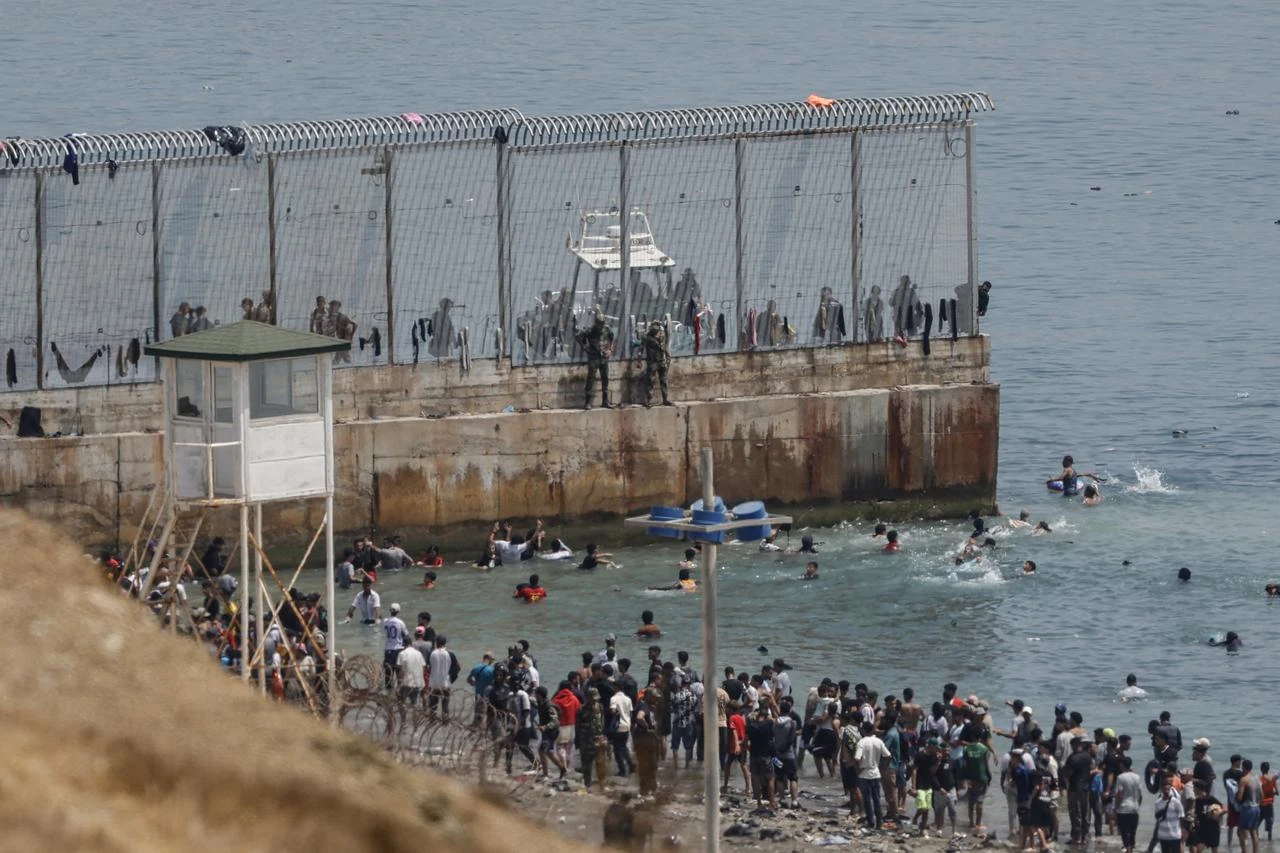
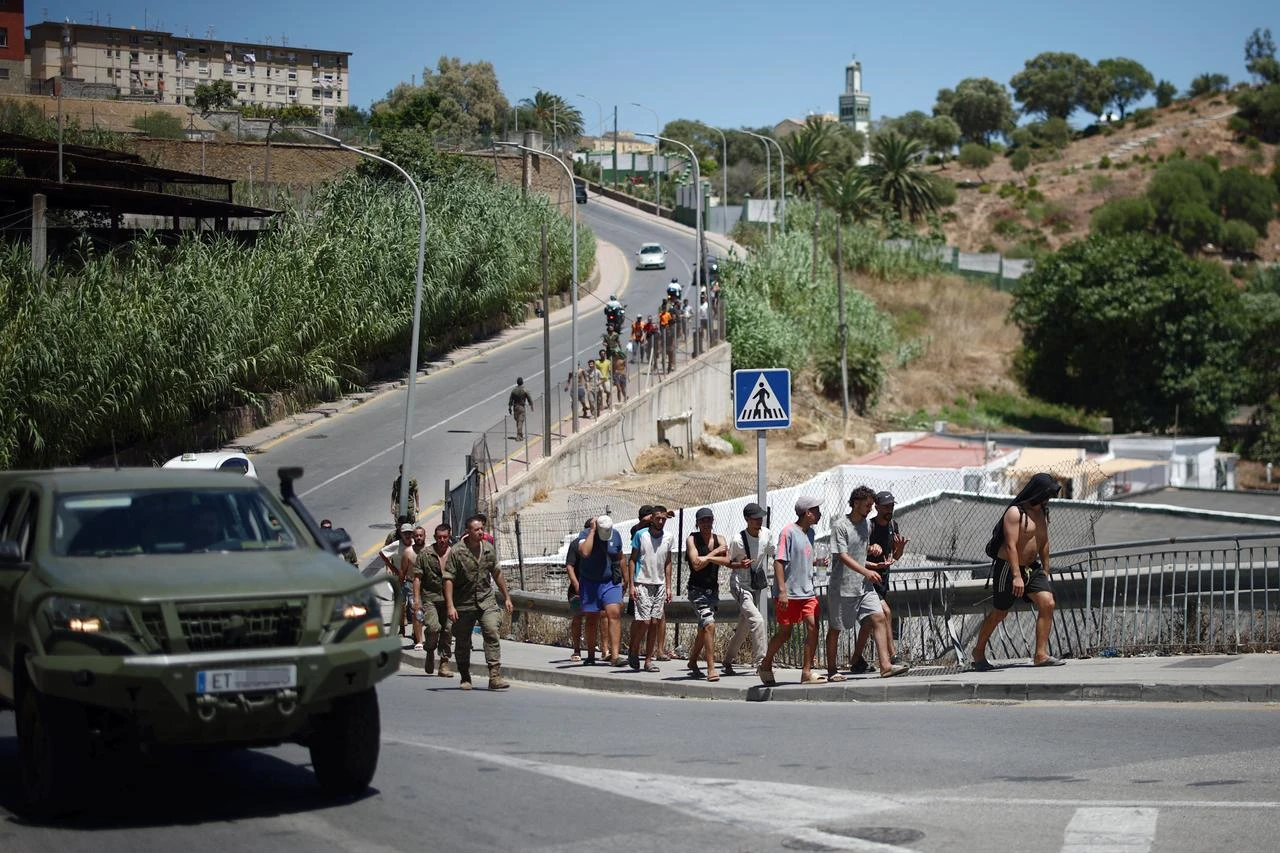
The announcement comes roughly two weeks after some 72,000 people, most of them Moroccan nationals, crossed irregularly into Ceuta over the course of a few days in late July, an unprecedented surge, though nearly all have since been returned to Morocco.
For more than a week, posts circulating online have claimed that the crossing point between the Moroccan town of Fnideq and Ceuta would open on August 15, a public holiday in Spain. The Moroccan interior ministry said it had "detected over the last days the circulation of publications and anonymous messages on social media inciting the organisation of collective, illegal crossing attempts" toward the Spanish territory.
"All the necessary measures were taken to counter all attempts at illegal passage and intercept every person seeking to participate," ministry spokesman Rachid El Khalfi said, in remarks carried by the state news agency MAP.
The ministry said legal proceedings would be pursued against those responsible for spreading the calls to cross, and El Khalfi said a group of individuals suspected of involvement had already been summoned for questioning.
Ceuta, together with the nearby exclave of Melilla, forms one of the European Union's only land borders with Africa. Spain has held the territory since 1580, and the crossing near Fnideq has periodically been the site of large-scale, unauthorized entry attempts by migrants seeking to reach European soil.
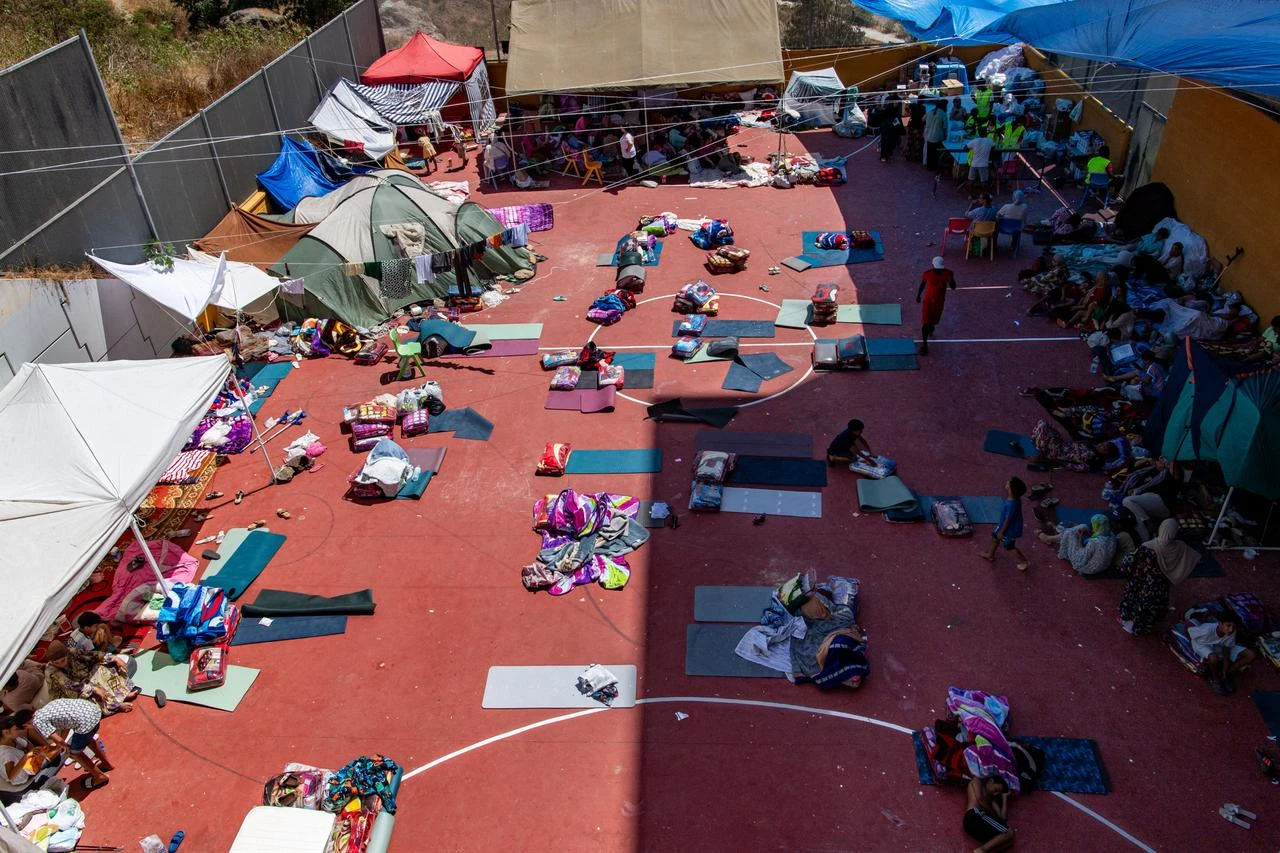
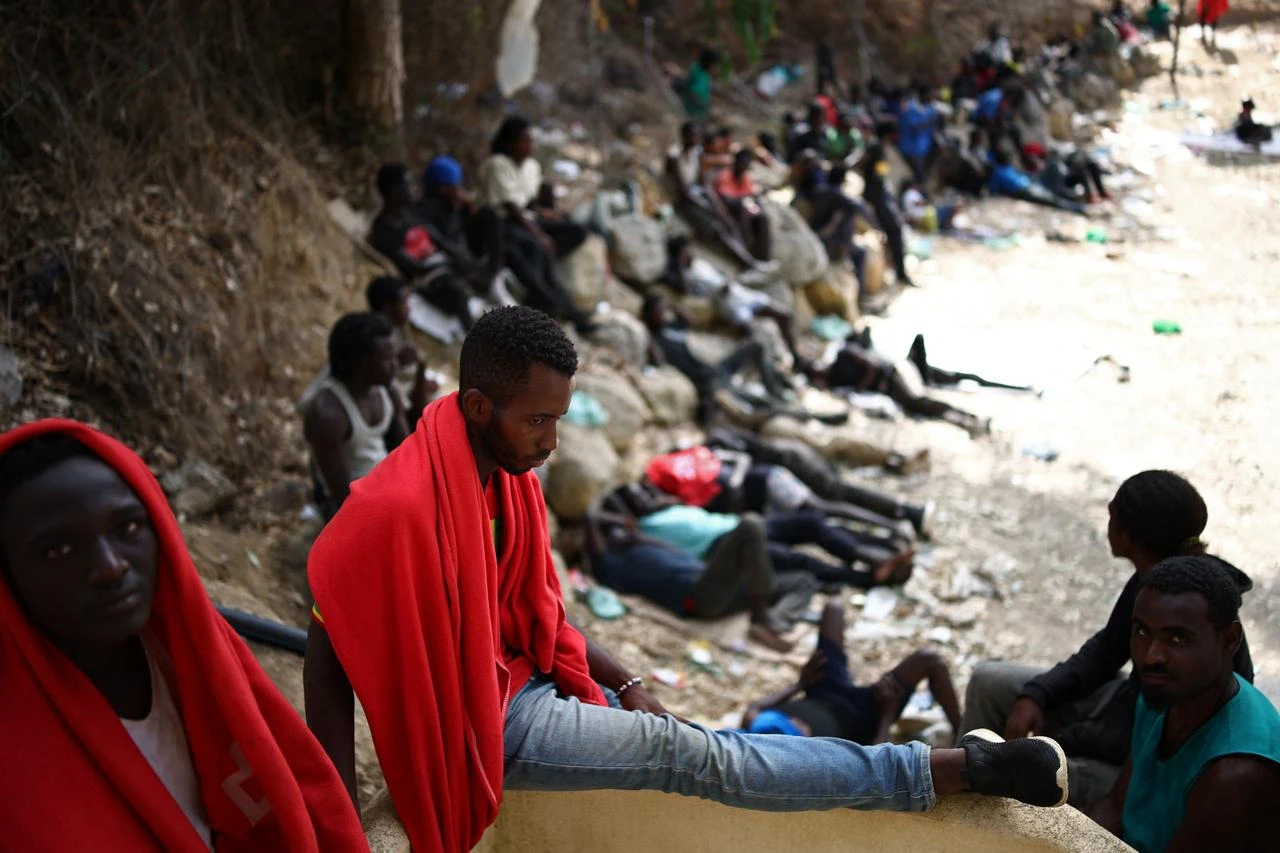
The late-July influx left about 2,000 people in Ceuta, including roughly 1,000 unaccompanied minors, according to local authorities in the territory. Morocco's interior ministry has called on Spanish authorities to accelerate the return of those minors.
The human toll of the crisis remains disputed. Moroccan authorities said they recovered 11 bodies in its aftermath, while Spain put the death toll at at least 80. The Moroccan Association for Human Rights, a non-governmental organization, has estimated that at least 141 people died.


 Set as preferred source
 Set as preferred source


 1 min read
 1 min read