Newsletters


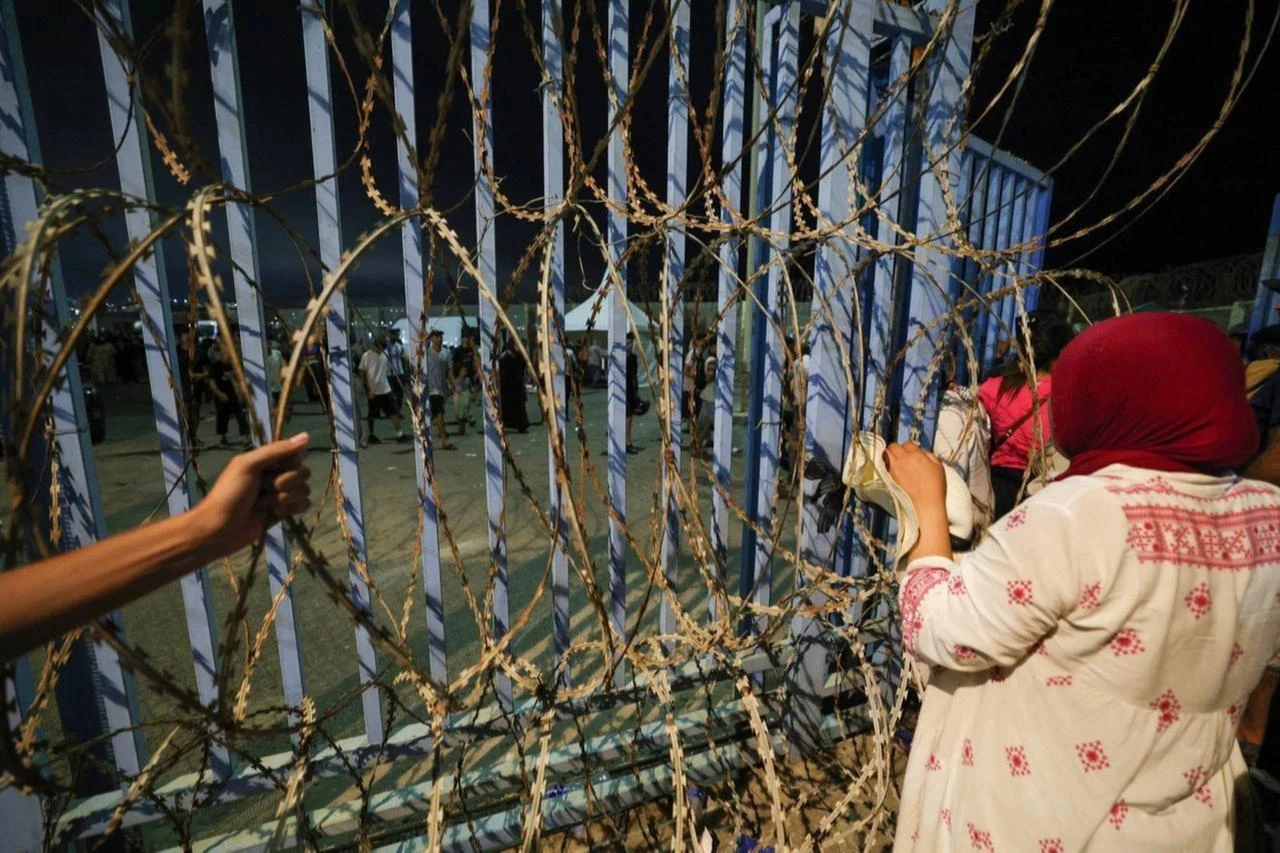


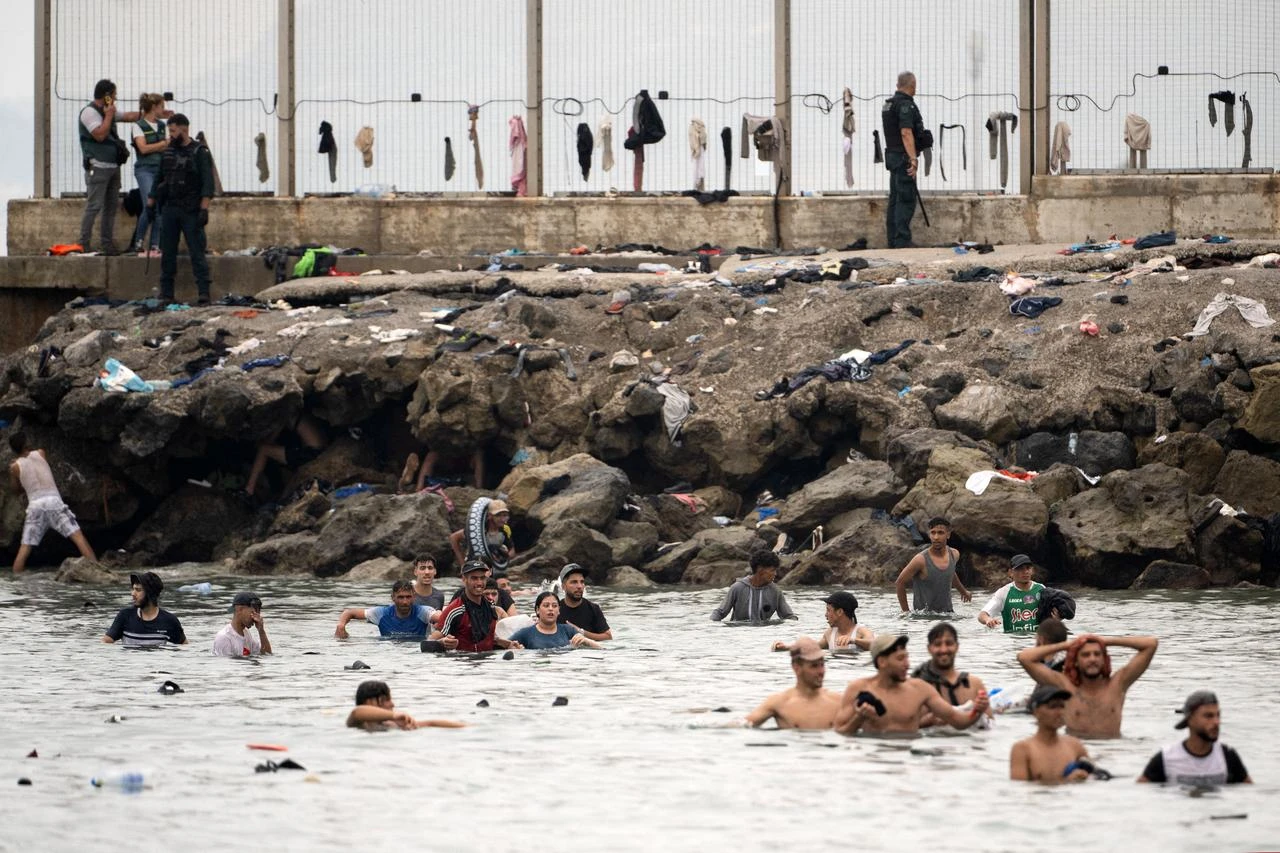
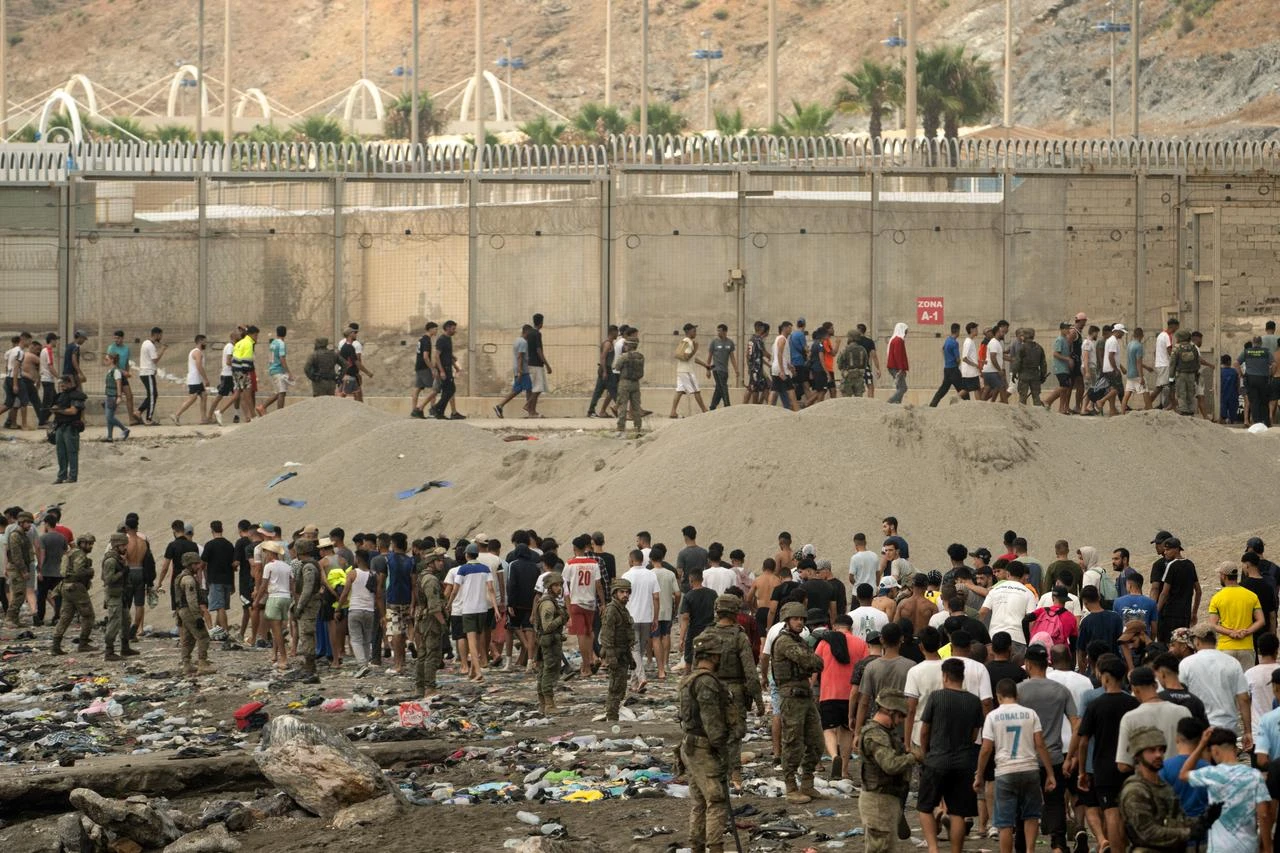
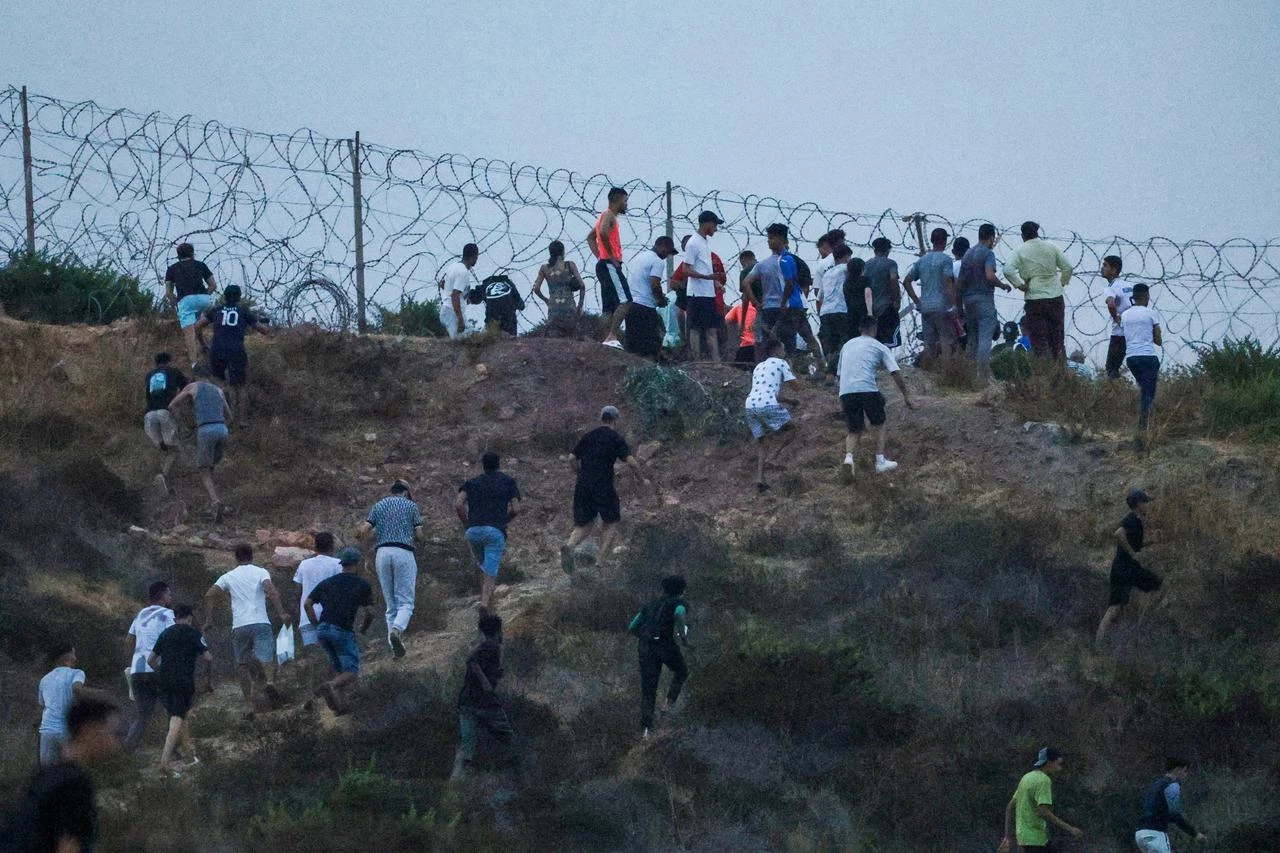
European Union interior ministers will convene an emergency video conference Tuesday to address the mass crossing of migrants into Spain's North African enclave of Ceuta, after 22 of the bloc's 27 member states demanded an urgent coordinated response to one of the largest border breaches in the EU's recent history.
Irish Prime Minister Micheal Martin, whose country holds the EU's rotating presidency, announced Saturday that Dublin would convene the Justice and Home Affairs Council meeting. Spain's interior ministry said the same day that nearly all of the roughly 60,000 migrants who had breached the border since Wednesday had since returned, and that the situation in Ceuta was nearly back to normal.
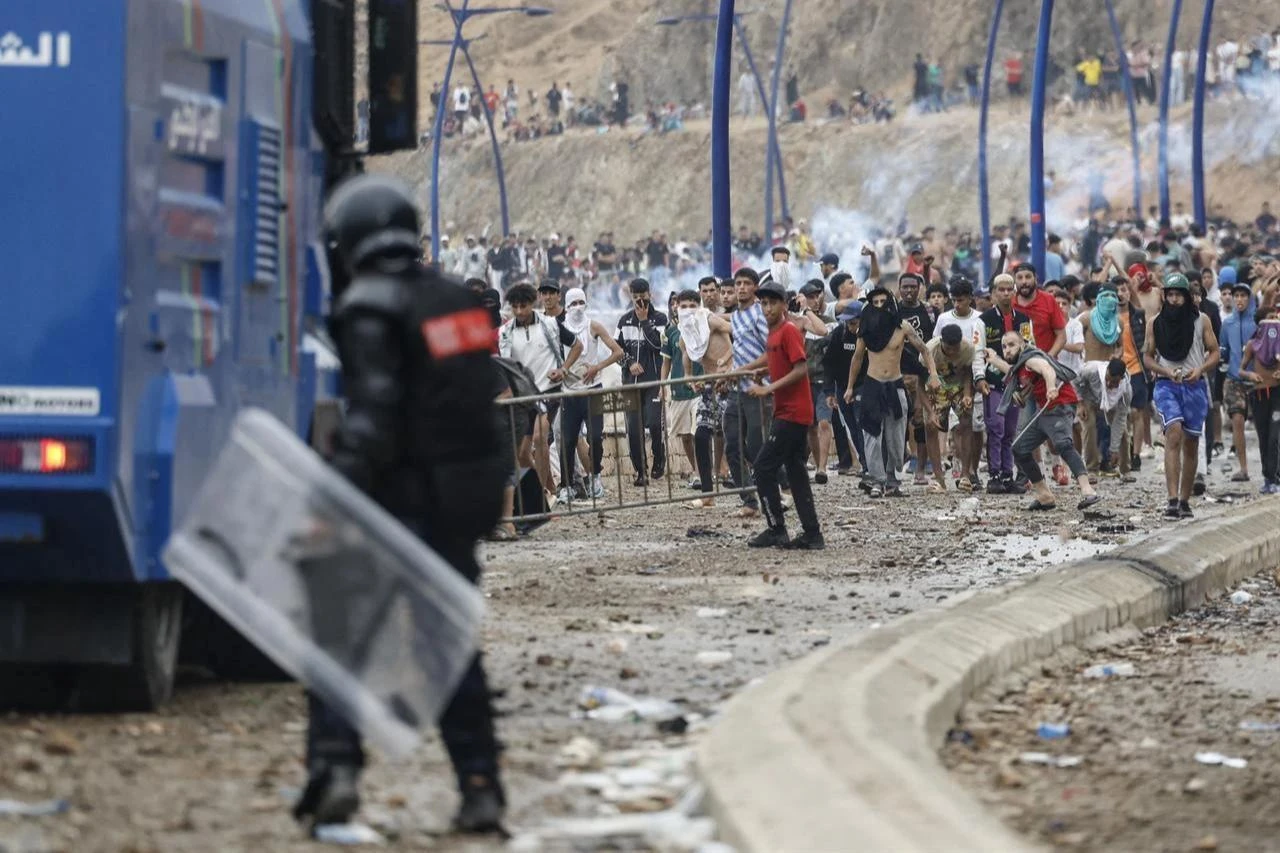

The joint letter, initiated by Italian Prime Minister Giorgia Meloni and Danish Prime Minister Mette Frederiksen, drew signatures from 22 EU member states, including German Chancellor Friedrich Merz and the prime ministers of Hungary, Sweden and Poland.
Notably absent were the leaders of France and Portugal, both of which share land borders with Spain.
The letter called on interior ministers to convene "as a matter of urgency" and warned that allowing the perception of possible illegal entry into the EU to take hold "would encourage further attempts, undermine confidence in our common migration policy and have repercussions for all Member States."
It urged ministers to consider enhanced support from Frontex, the EU's border and coast guard agency, and to review the effectiveness of EU cooperation with Morocco.
Meloni, whose government has temporarily suspended Schengen-area rules with Spain, framed the crisis as a test of collective European will, writing that "defending the external borders of the Union is not the interest of a single Nation. It is a shared responsibility of Europe."
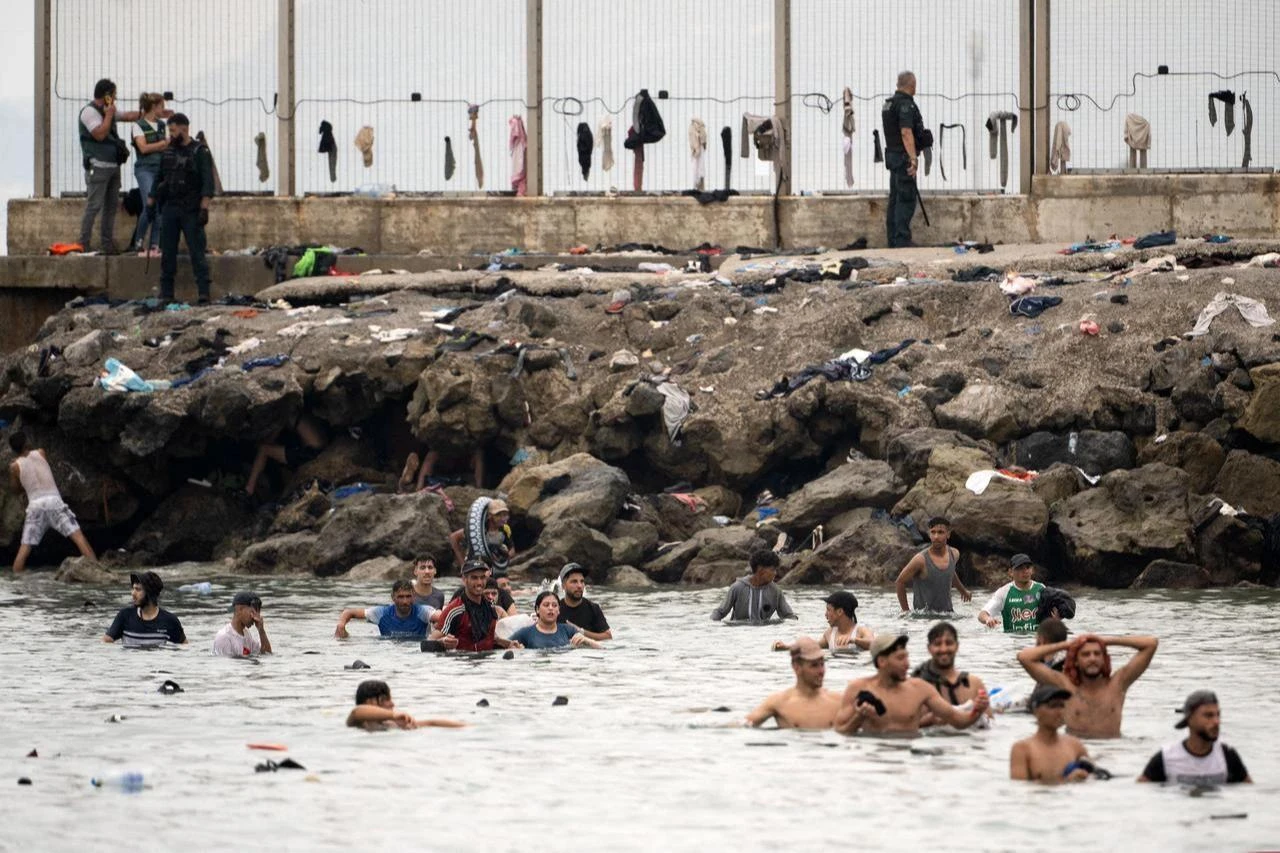
The Schengen Area, which permits passport-free travel across 29 European countries, allows member states to temporarily reintroduce border controls on security or public-order grounds, a provision Italy invoked this week.
Frederiksen went further on Friday, suggesting the EU should consider suspending Schengen cooperation with Spain altogether, a proposal that deepened fault lines within the bloc.
EU foreign policy chief Ursula von der Leyen acknowledged the gravity of the situation while noting a key distinction, saying that "not a single person reached mainland Spain or the rest of the EU" during the influx.
She called for a structured review of what went wrong, describing the need for "a lessons learned process to improve our European resilience."
Ceuta, a Spanish autonomous city on the northern tip of Africa that has belonged to Spain since the 16th century, has long served as one of the EU's most exposed external borders.
Together with Melilla, another Spanish enclave bordering Morocco, it represents a rare land entry point from Africa into European territory, making it a persistent focus of migration pressure.
A surge in 2021, in which several thousand migrants crossed in a single episode, prompted the deployment of Spanish troops and a diplomatic crisis with Rabat.
The letter from EU leaders suggested that ministers should also weigh "the effectiveness of EU cooperation with Morocco," a reference to the bloc's reliance on Rabat to police its side of the border.
The letter added that no unauthorized onward movements from Ceuta toward the European mainland had been recorded, a point von der Leyen also underscored.
The Tuesday video meeting will be the EU's first formal ministerial response to what European officials have described in terms of urgency not heard in Brussels since earlier migration crises reshaped the continent's politics.


 Set as preferred source
 Set as preferred source


 1 min read
 1 min read