

 Newsletters


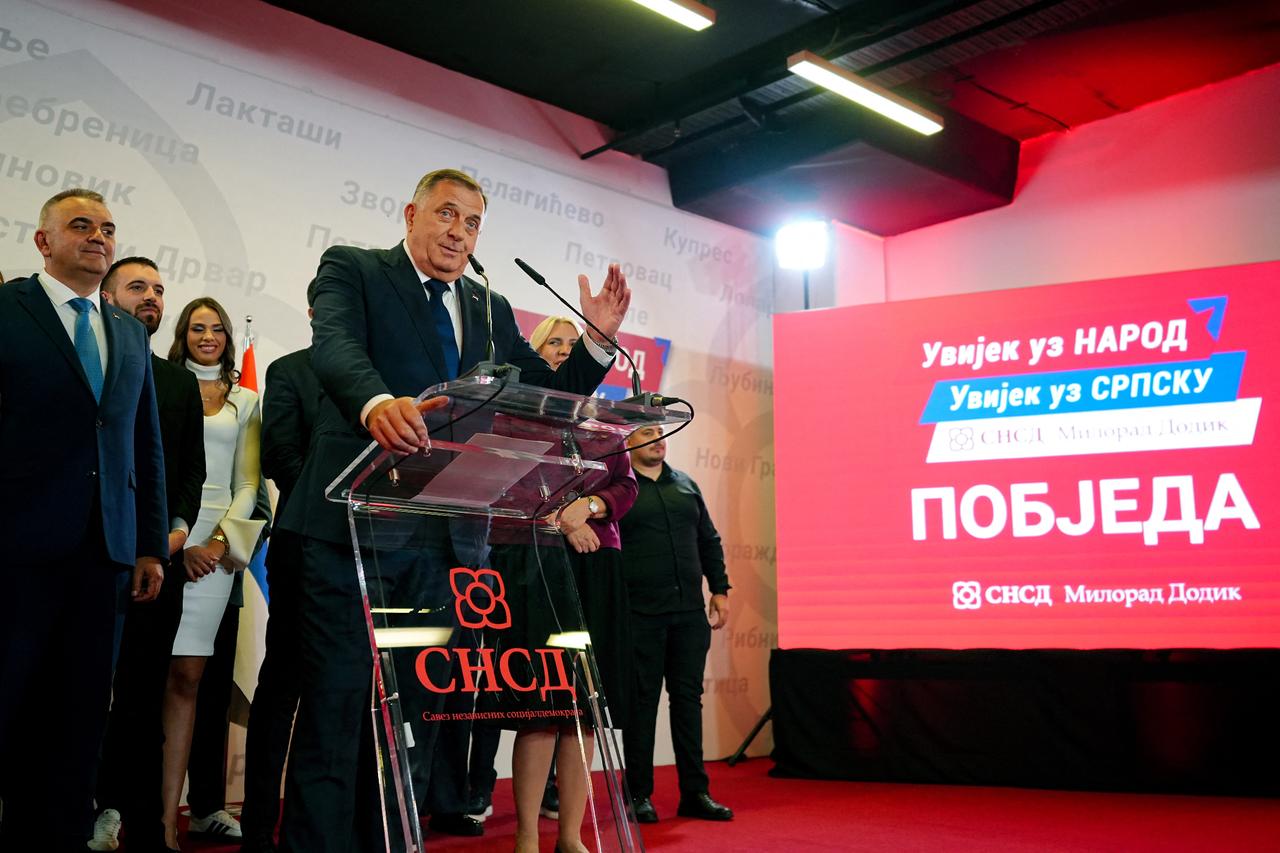


The recent rapprochement with Israel by Serb politician Milorad Dodik, the former president of Republika Srpska, or RS, one of Bosnia and Herzegovina’s two entities, has brought separatist rhetoric in the country back onto the agenda.
Dodik, the dismissed separatist president of RS and president of the Alliance of Independent Social Democrats, or SNSD, has frequently visited Israel, while the opening of an Israeli Trade Office in Banja Luka has drawn attention to growing ties between Israel and the Bosnian Serb entity.
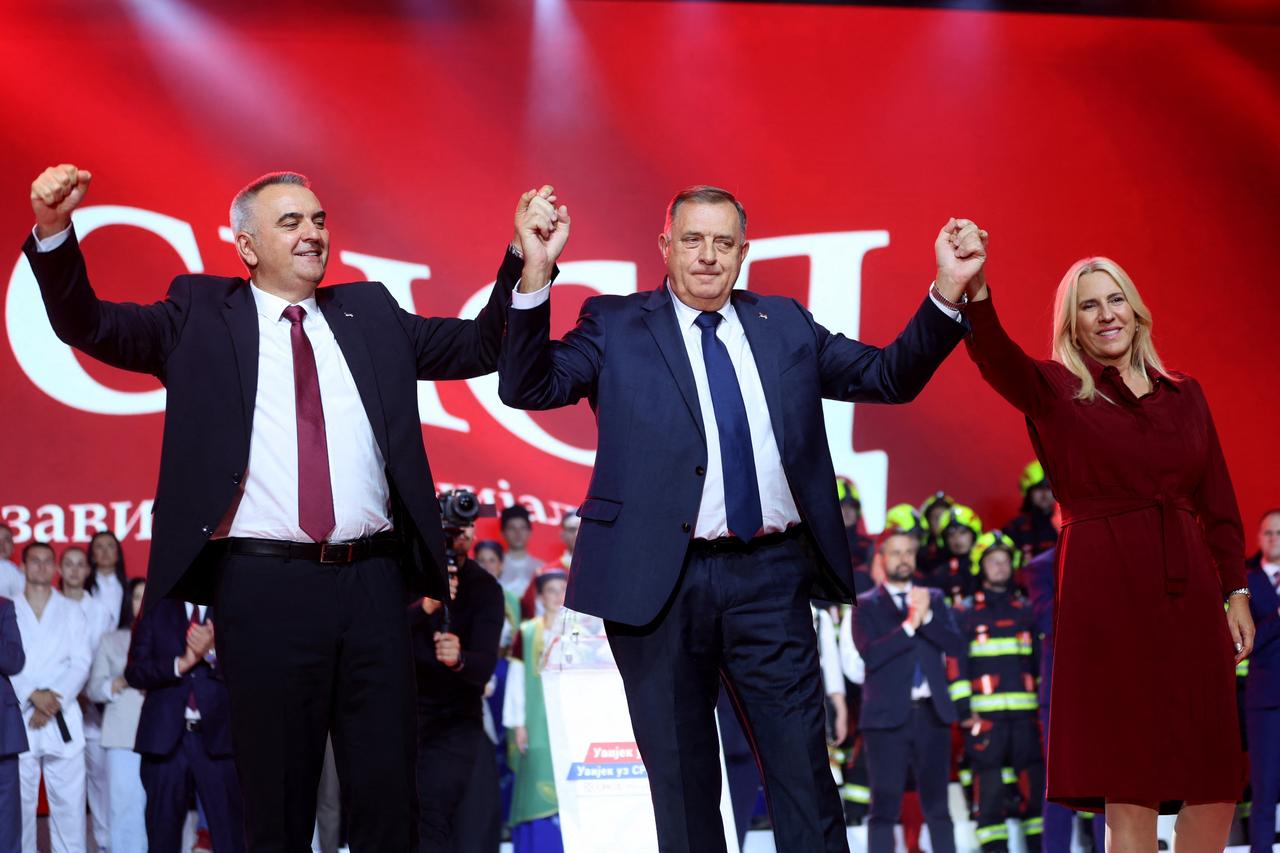
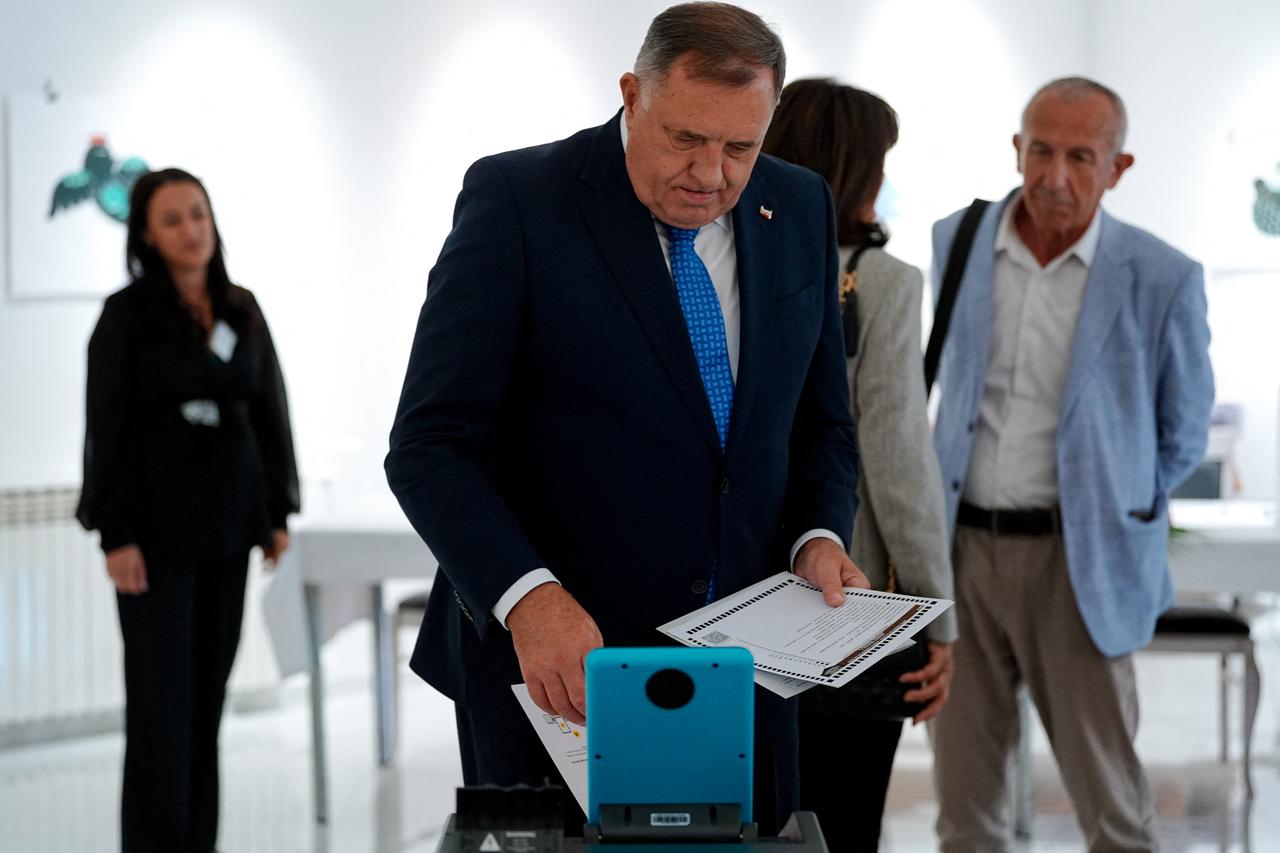
Dodik, who has repeatedly said RS could declare independence, continued to voice separatist claims after his party achieved significant success in Bosnia and Herzegovina’s Oct. 4 general election.
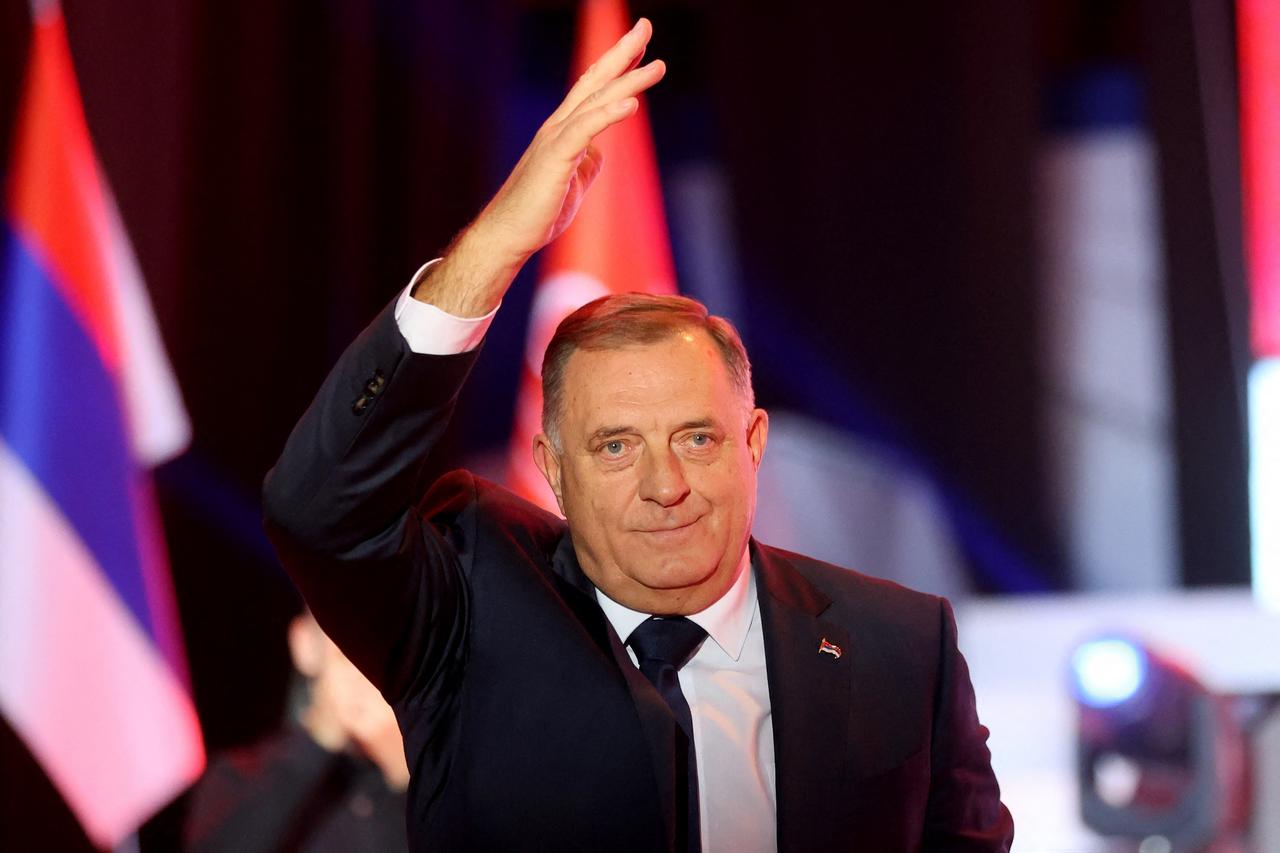

Israeli Prime Minister Benjamin Netanyahu congratulated SNSD after the party won the RS elections and referred to its leaders as “my great friends.”
Netanyahu congratulated Dodik, SNSD candidate Zeljka Cvijanovic, who was re-elected as the Serb member of Bosnia and Herzegovina’s Presidency, and SNSD candidate Savo Minic, who was elected RS president.
He said he expected cooperation between Israel and RS to expand in areas such as technology, energy and security.
Netanyahu’s statement drew attention because it did not mention Denis Becirovic, who was re-elected as the Bosniak member of the Presidency, or Darijana Filipovic, who was elected as the Croat member.
It was also notable that Netanyahu referred to RS in a way that resembled language used for an independent state.
Vuk Vuksanovic of King’s College London told Anadolu Agency that the RS administration had vetoed a decision to support Palestine’s United Nations membership, causing Bosnia and Herzegovina to abstain in the U.N. vote.
He recalled that RS has had good relations with Israel for the past 15 years.
Vuksanovic described Israel’s rapprochement with RS as “strategic.”
“Israel, by establishing relations both with Eastern European governments and at the entity level, such as with the RS, aims to influence debates in Europe on the Palestinian issue and create new diplomatic and security partnerships,” Vuksanovic said.
“Through these partnerships, Israel aims to expand its strategic room for maneuver, thereby balancing Türkiye and, to a lesser extent, Iran,” he added.
Vuksanovic said Dodik wanted to gain the support of Israeli lobby groups through the Israeli Trade Office opened in Banja Luka.
He added that Dodik could also gain easier access to U.S. President Donald Trump’s administration through the move.
Vuksanovic said he doubted Dodik would implement his plan for RS independence.
“I also doubt that the U.S. and Israel would be willing to change their policies in order to support this scenario,” he said.
“It is more likely that Dodik will choose to preserve the existing structure while using partners such as Israel to try to increase Banja Luka’s bargaining power both in the international arena and in its relations with the central government in Sarajevo,” he added.
Dodik recently claimed that Saudi Arabia and Israel would support RS if it declared independence.
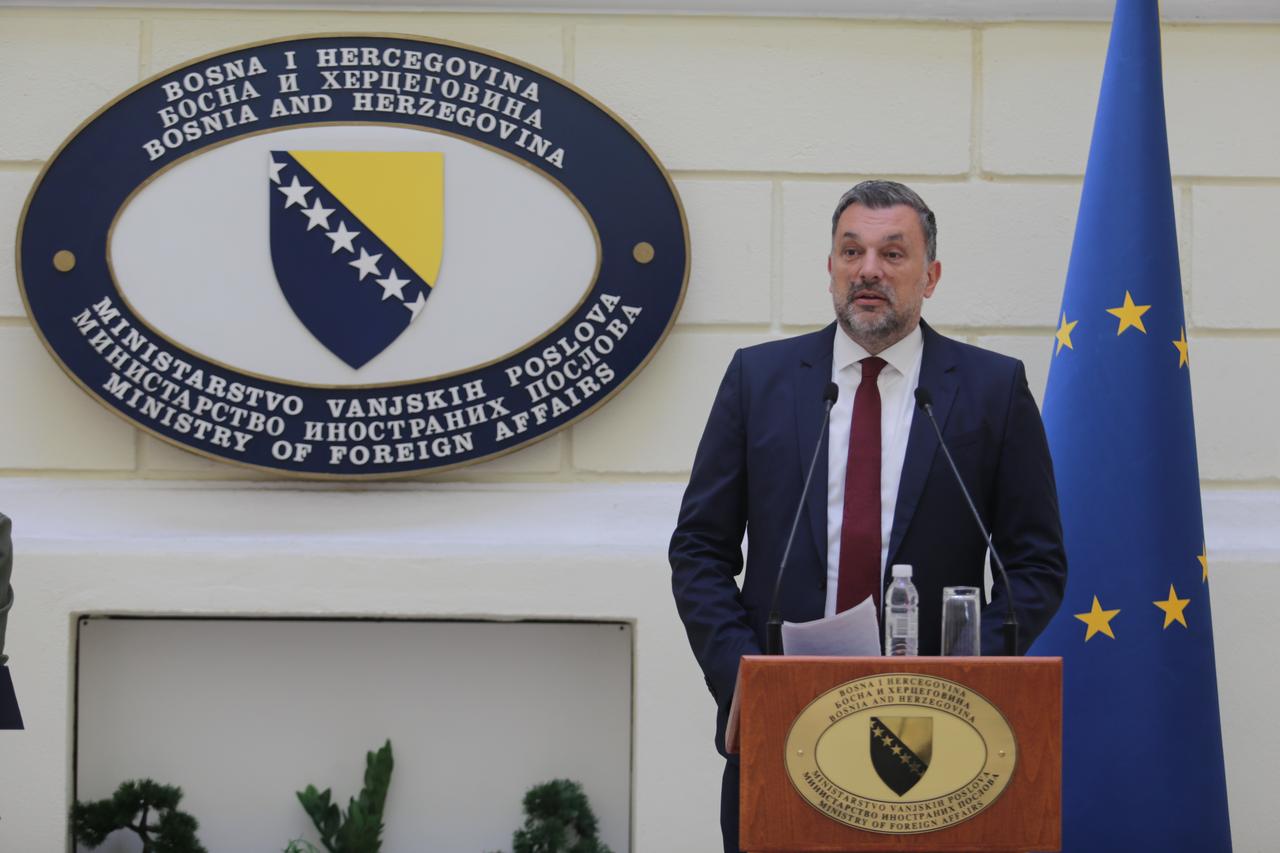
Bosnia and Herzegovina Foreign Minister Elmedin Konakovic said he did not find Dodik’s remarks “noteworthy” and that such statements would not harm Bosnia and Herzegovina’s relations with Saudi Arabia.
Dodik also sent a message of strong cooperation between Serbs and Croats in Bosnia and Herzegovina after meeting with representatives of the Croat Democratic Union of Bosnia and Herzegovina, or HDZ BiH.
HDZ BiH’s candidate won the Croat seat in Bosnia and Herzegovina’s Presidency in the Oct. 4 election.
Dodik’s repeated separatist rhetoric has raised questions over whether he could trigger a new political crisis in Bosnia and Herzegovina.


 Set as preferred source
 Set as preferred source


 1 min read

 1 min read


