Newsletters


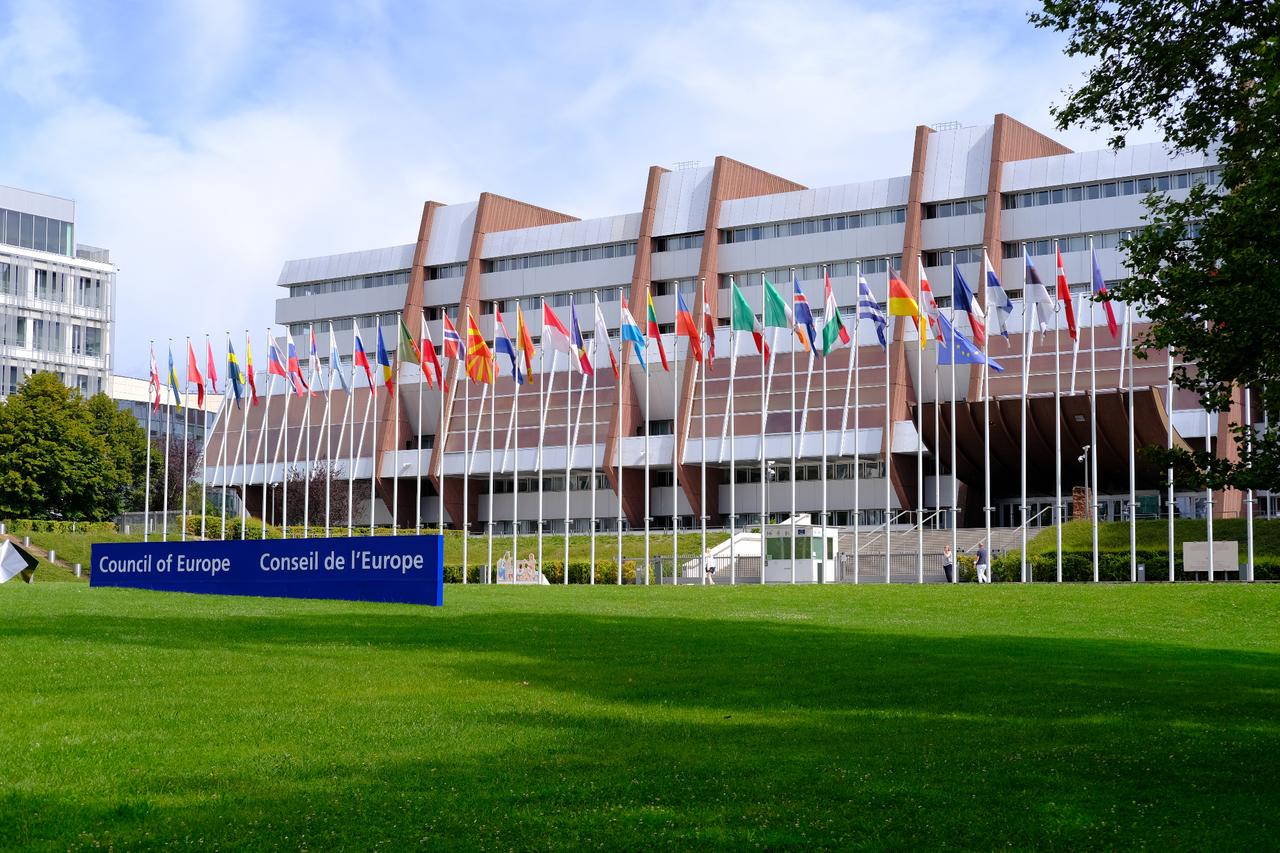


European Union member states agreed on Friday to keep roughly €210 billion ($246.67 billion) in Russian state assets frozen inside the bloc by barring any transfers of immobilized Central Bank of Russia assets back to Russia, according to a statement from the EU Council.
Under the regulation, the ban applies to any direct or indirect transfer of assets or reserves of the Central Bank of Russia, as well as transfers involving legal entities acting on its behalf or under its direction, with the EU Council citing the Russian National Wealth Fund as an example.
The Council said it acted on an urgent basis, arguing that without the prohibition, additional resources could be used by Russia to finance its war against Ukraine and could deepen economic strain within the EU.
The measures were described as temporary but were intended to remain in place as long as allowing Russia access to substantial resources continued to pose, or threaten to pose, economic difficulties within the EU and its member states.
The decision is expected to end a process that previously required unanimous approval every six months to extend the freezing of around €210 billion in Russian state assets. That change was expected to remove the risk that Hungary and Slovakia could refuse to back an extension of the freeze.
Following the Council's statement, European Commission President Ursula von der Leyen welcomed the decision in her post on X, asserting that the bloc sends "a strong signal to Russia that as long as this brutal war of aggression continues, Russia’s costs will continue to rise."
"We want to make sure that our brave neighbor becomes even stronger on the battlefield and at the negotiating table," von der Leyen added.
EU foreign policy chief Kaja Kallas said the decision shows the EU’s intention to continue increasing pressure on Russia until it takes negotiations seriously, while European Council President Antonio Costa signaled that the next step would be to secure Ukraine’s financing needs for 2026 and 2027.
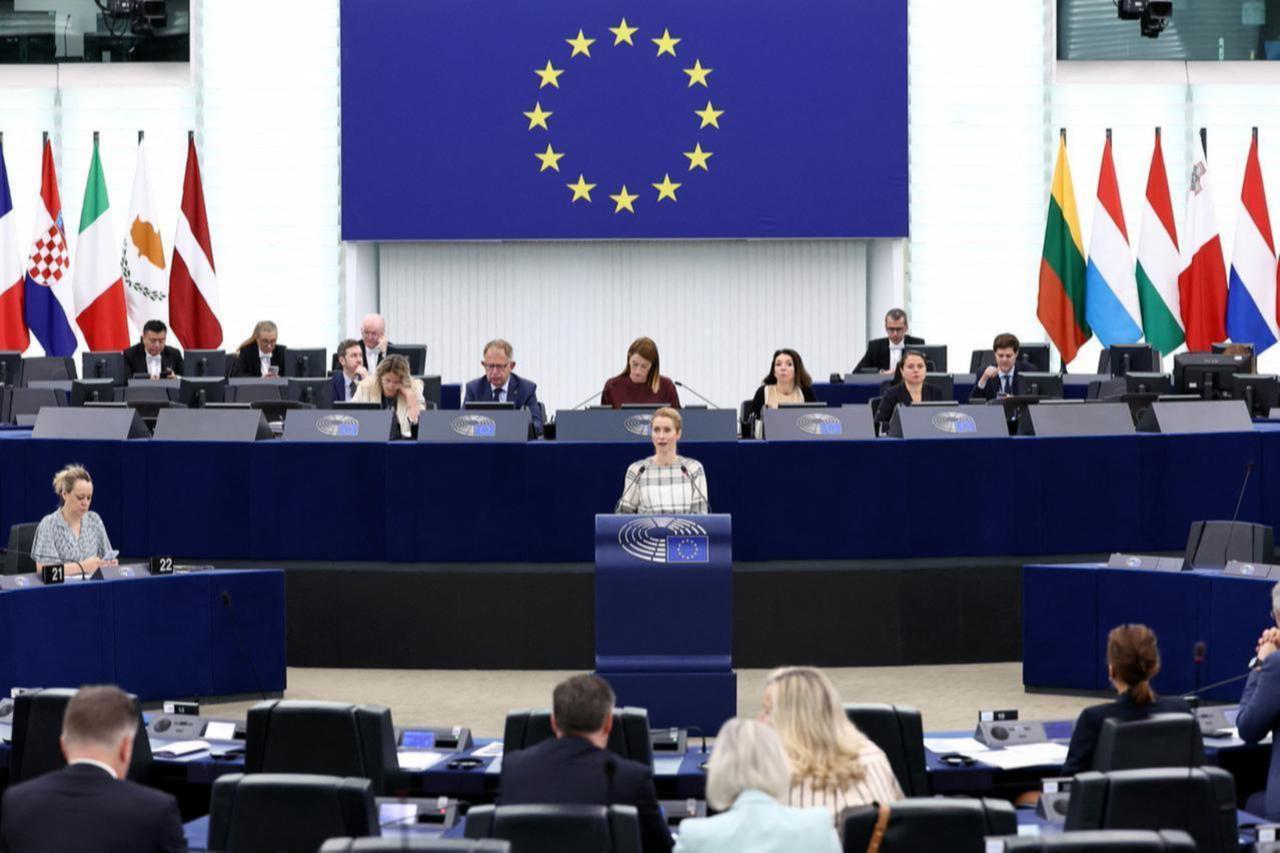

The European Commission had been working on the idea of using frozen Russian assets as collateral for loans to Ukraine, with a plan that would provide Ukraine with a large credit line and would foresee repayment only if Russia paid war reparations.
Around €185 billion of the frozen assets are held at Euroclear, a Belgium-based financial services company. Belgian Prime Minister Bart De Wever said earlier this week that using these assets as loan collateral would require shared risk, joint EU action, and a clear legal framework. Italy, Malta, and Bulgaria have also backed efforts to develop alternative approaches to the use of the assets.
Russia had initiated legal proceedings on the issue and had warned that Belgium would be held responsible if the frozen assets held at Euroclear in Brussels were seized.
The handling of frozen Russian assets is expected to be discussed further at the EU leaders’ summit in Brussels on Dec. 18, where member states will also address Ukraine’s financing needs for 2026 and 2027.


 Set as preferred source
 Set as preferred source


 1 min read
 1 min read