Newsletters




The European Union imposed sanctions on two Iranian individuals and a unit of Iran’s Islamic Revolutionary Guard Corps (IRGC) on Monday in the first use of the bloc’s new framework designed to safeguard freedom of navigation in international waterways.
The measures target the Hormozgan Provincial Command of the IRGC Navy, as well as Mohammad Akbarzadeh, the navy’s deputy commander for political affairs, and Hamid Hosseini, a representative of Iran’s Oil, Gas and Petrochemical Products Exporters’ Union.
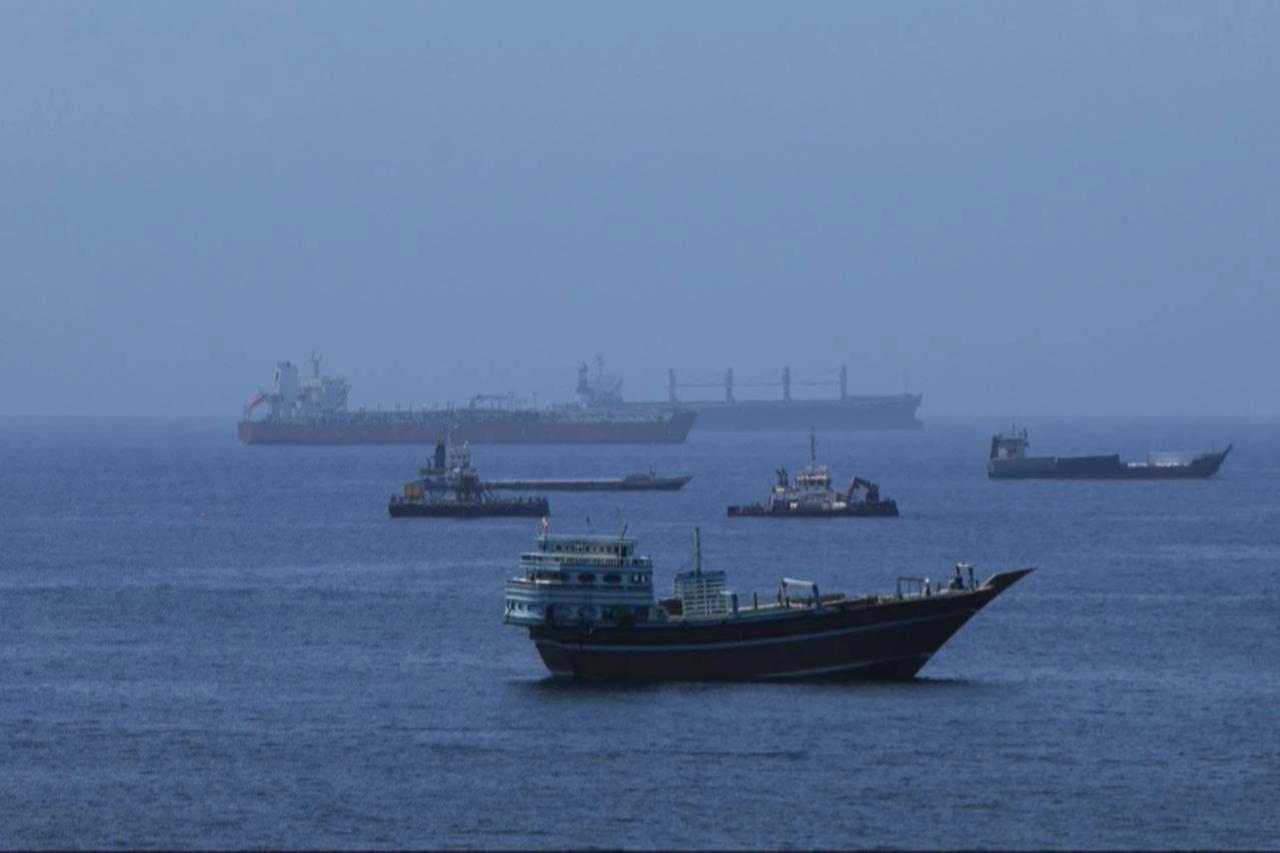
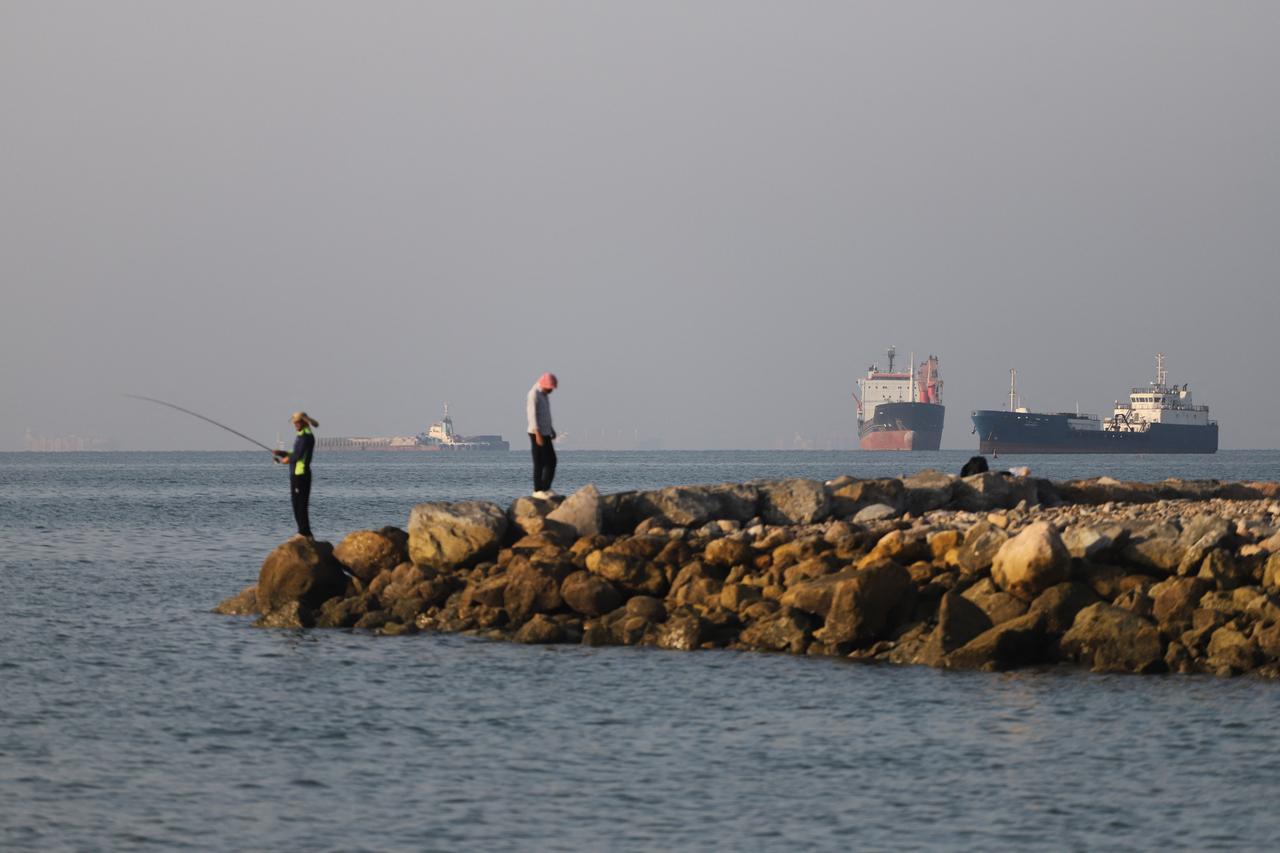
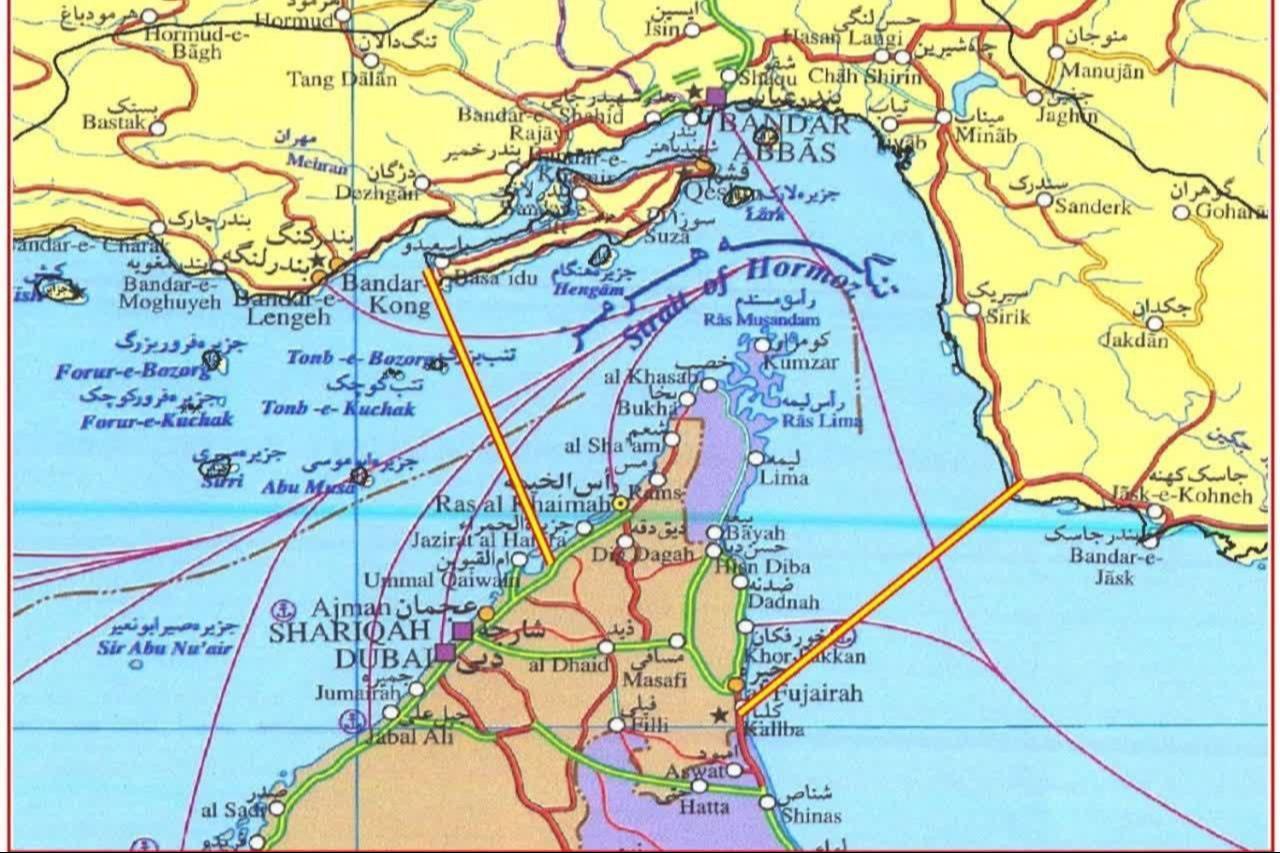
The EU accused them of playing roles in disrupting maritime traffic through the Strait of Hormuz, a strategic passage that normally carries roughly one-fifth of global oil supplies.
Announcing the move during an informal meeting of European defense ministers in Greek Cyprus, EU foreign policy chief Kaja Kallas described Iran’s actions in the strait as unacceptable and confirmed that member states had approved sanctions against those involved in obstructing transit through the waterway.
"This is the first time the EU has applied its new freedom of navigation regime and when necessary we will apply it again," Kallas stated.
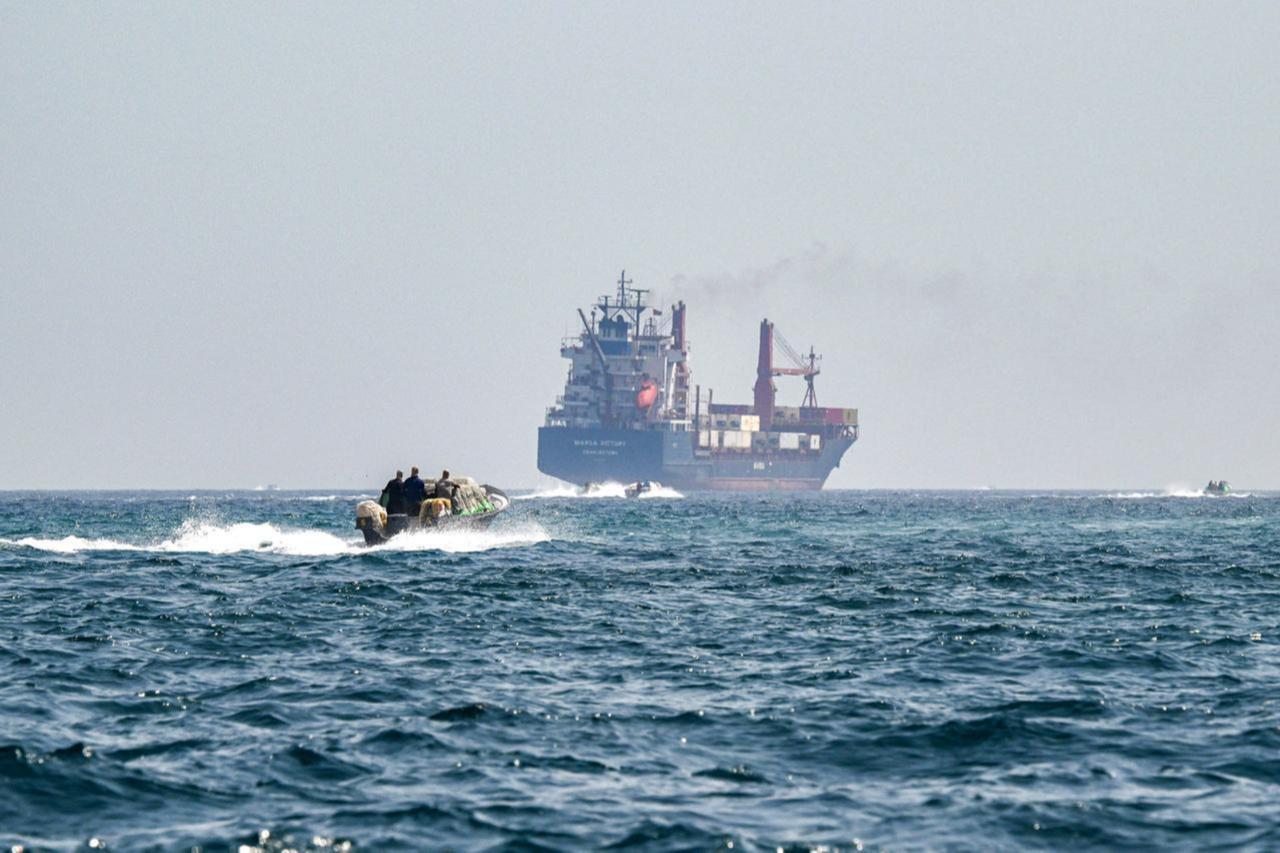
According to the EU, the IRGC Navy has taken control of shipping movements in the Strait of Hormuz by screening vessels, determining which ships may pass and, in some cases, requiring transit fees. The bloc contends that these actions undermine freedom of navigation and threaten commercial shipping in the region.
The sanctions include an asset freeze and travel ban on Akbarzadeh, whom the EU accused of threatening to use missiles or drones against vessels transiting the strait. Hosseini was sanctioned for promoting the toll system imposed on passing ships.

The sanctions follow shipping restrictions introduced by Iran after the war with the U.S. and Israel began on Feb. 28. EU officials argue that the measures have disrupted lawful transit through the strait and contributed to an energy shock across European economies.
In response, the bloc expanded its sanctions framework in May to allow penalties against individuals and entities involved in impeding maritime traffic in the strategic waterway.
Kallas also noted that ministers would discuss additional steps related to maritime security, including the EU’s naval operations in the region and efforts to address risks posed by Russia’s so-called shadow fleet.
Addressing the broader situation in the Middle East, Kallas urged restraint following renewed escalation in the region and reiterated the EU’s support for a diplomatic solution. She argued that Iran and the United States ultimately need to reach an agreement to ease tensions and restore normal shipping through the Strait of Hormuz.
"The region does not need escalation," Kallas said, adding that the parties should return to negotiations and work toward a ceasefire before tackling more complex issues.


 Set as preferred source
 Set as preferred source


 1 min read
 1 min read