Newsletters


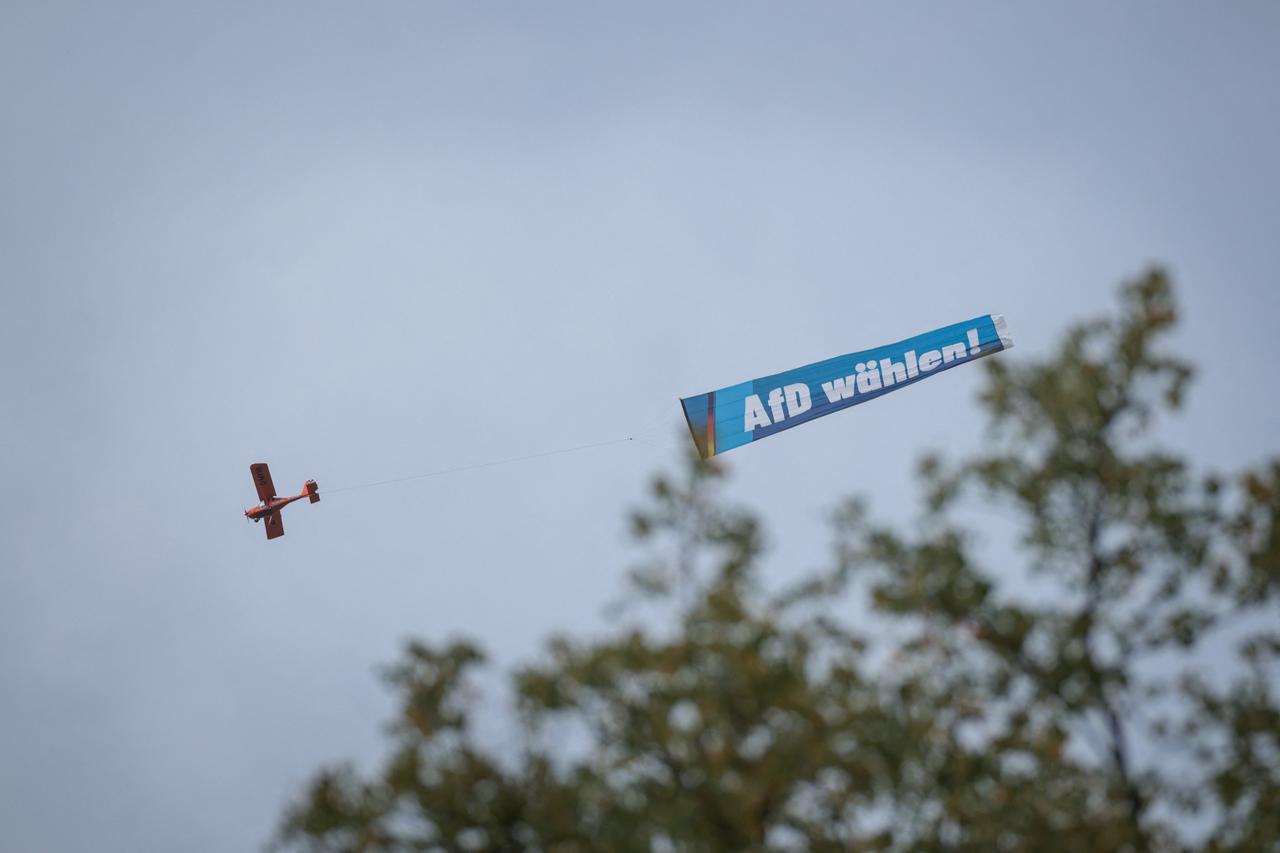


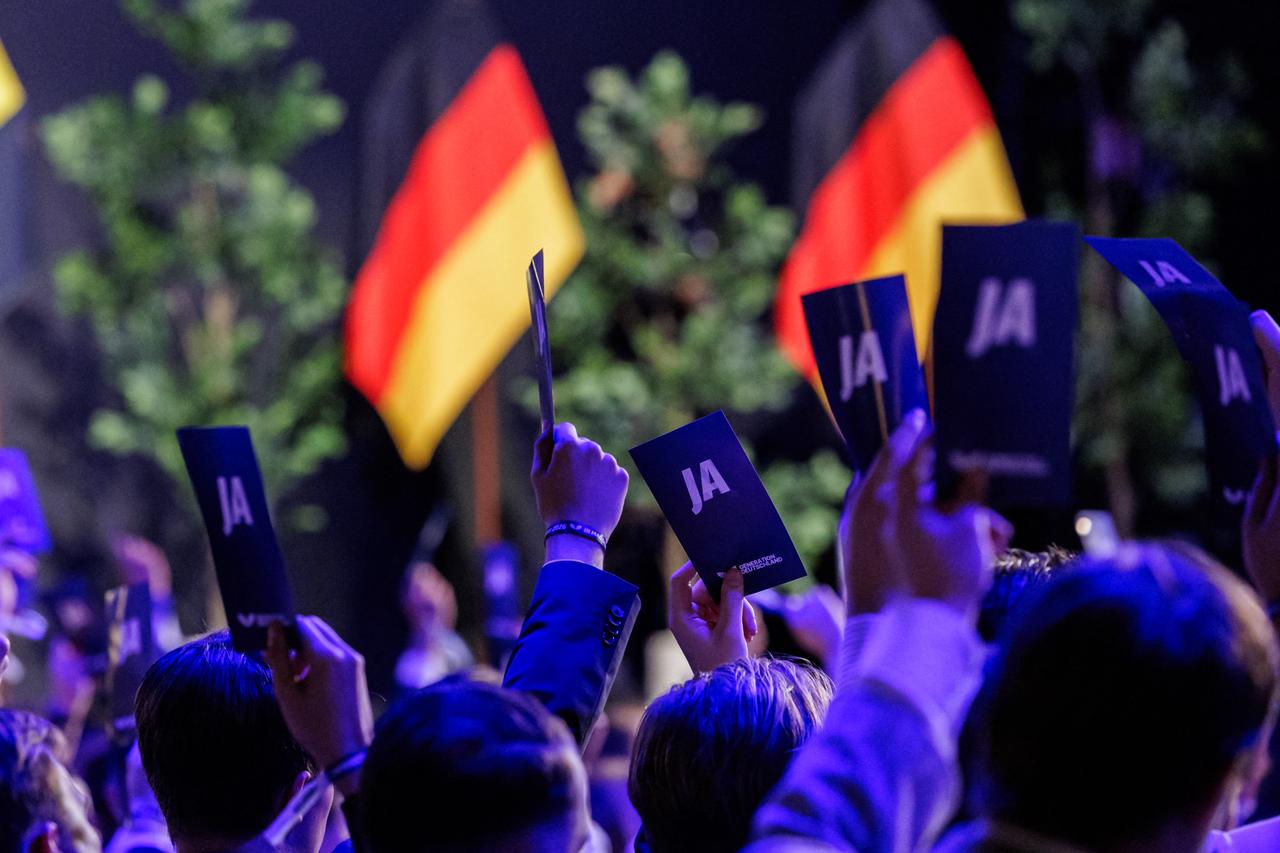
Germany faces a landmark regional election Sunday in the former communist east, where the far-right Alternative for Germany (AfD) is widely expected to win and is aiming to lead its first state government.
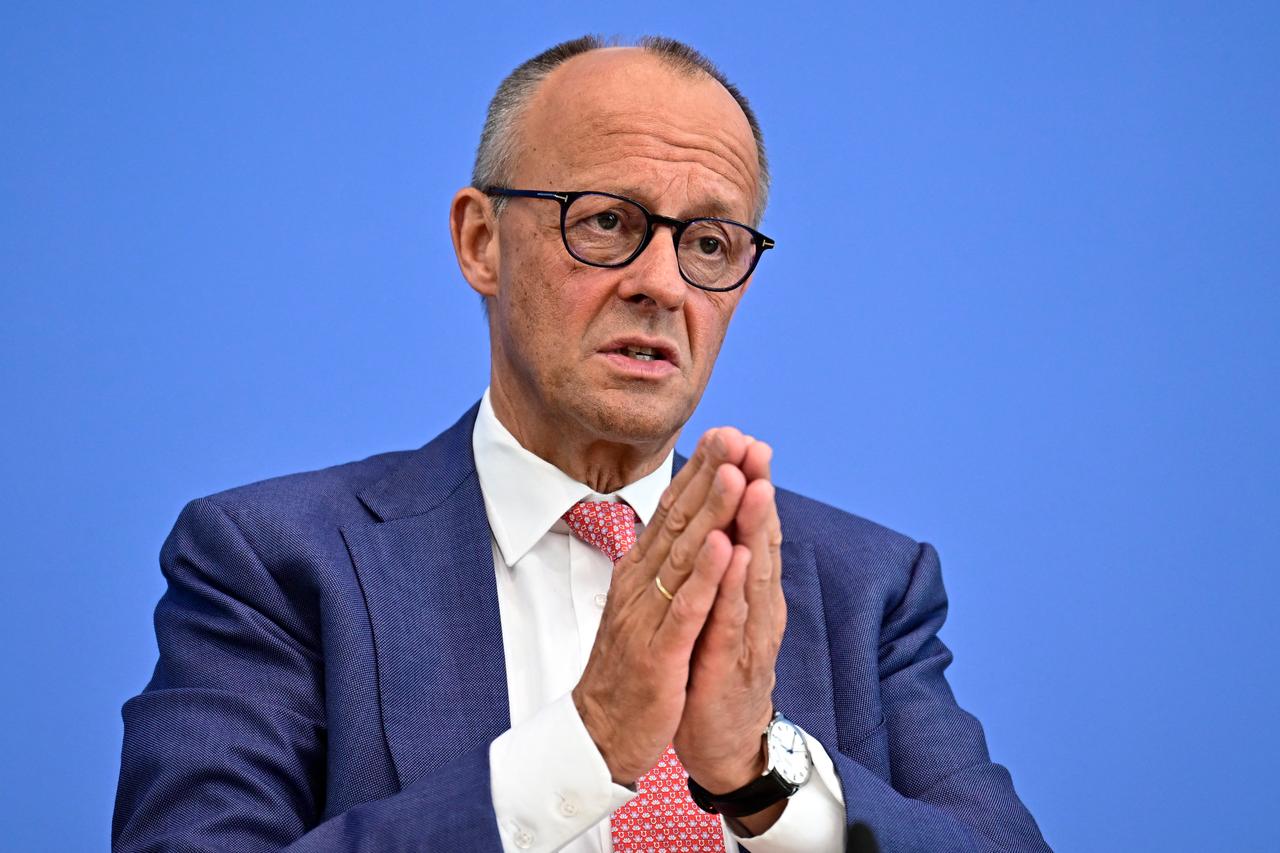
While it is far from certain that the AfD will win enough votes to govern Saxony-Anhalt alone, topping the polls would heap pressure on Chancellor Friedrich Merz and deliver another major boost to the anti-immigration party.
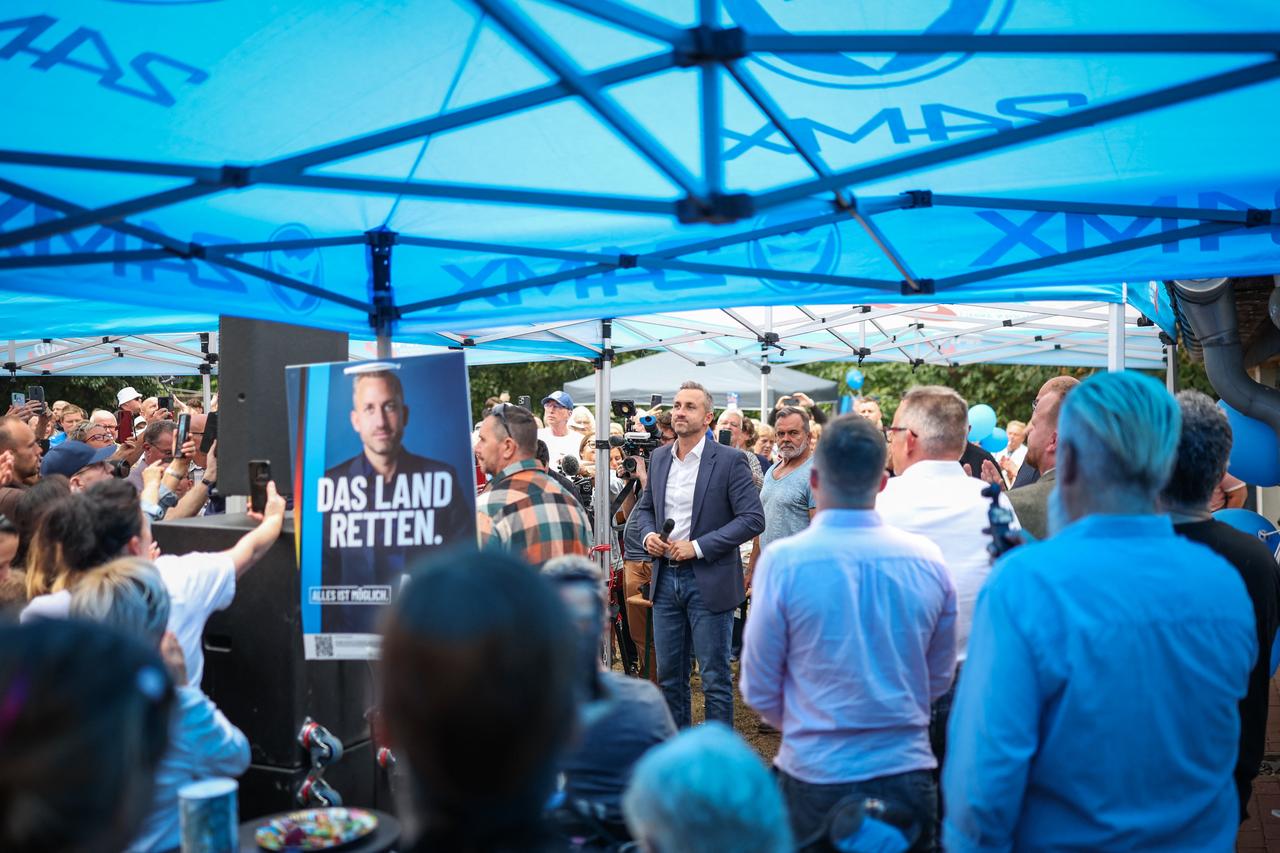
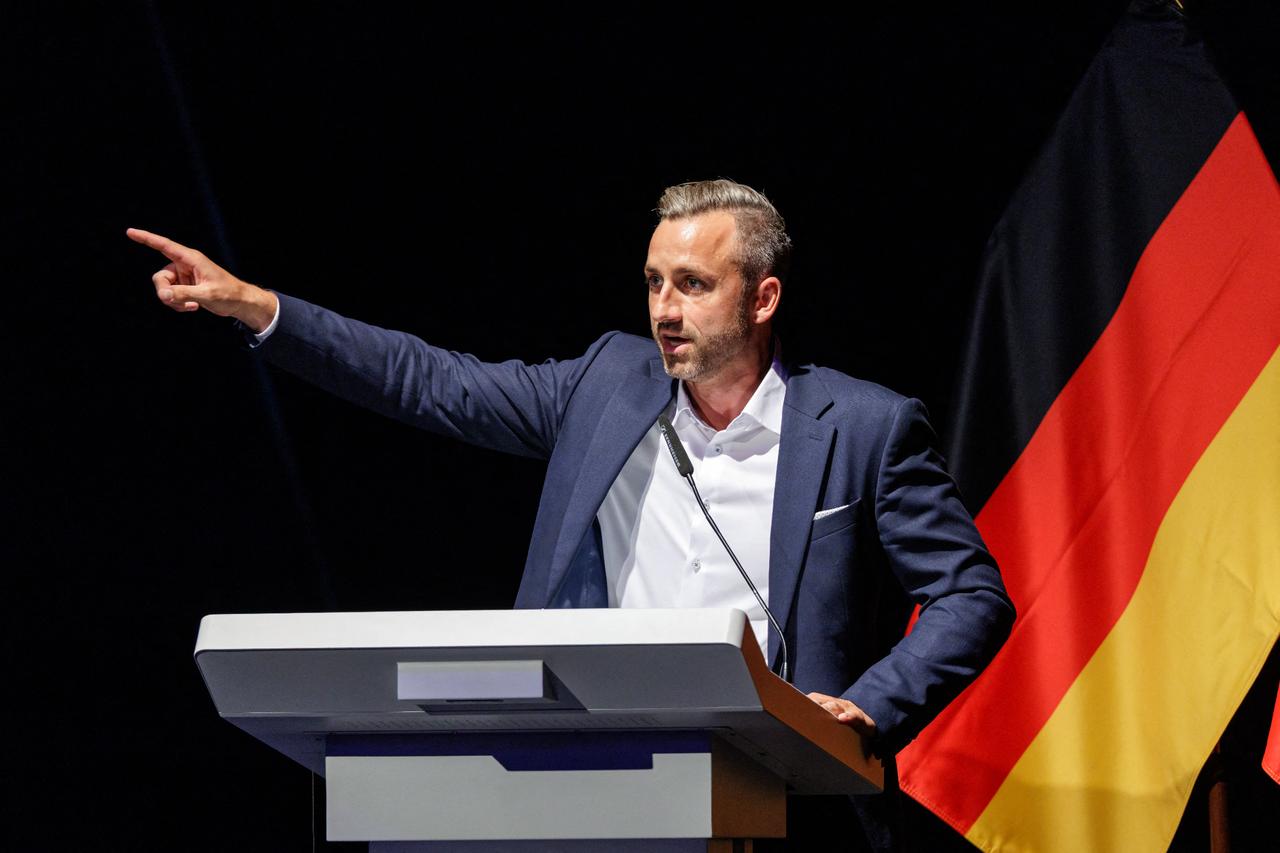
For months, the AfD has polled at 40% or higher in the state, led by its top candidate Ulrich Siegmund, a telegenic 35-year-old who is celebrated like a rock star at campaign events and by his large following on TikTok.
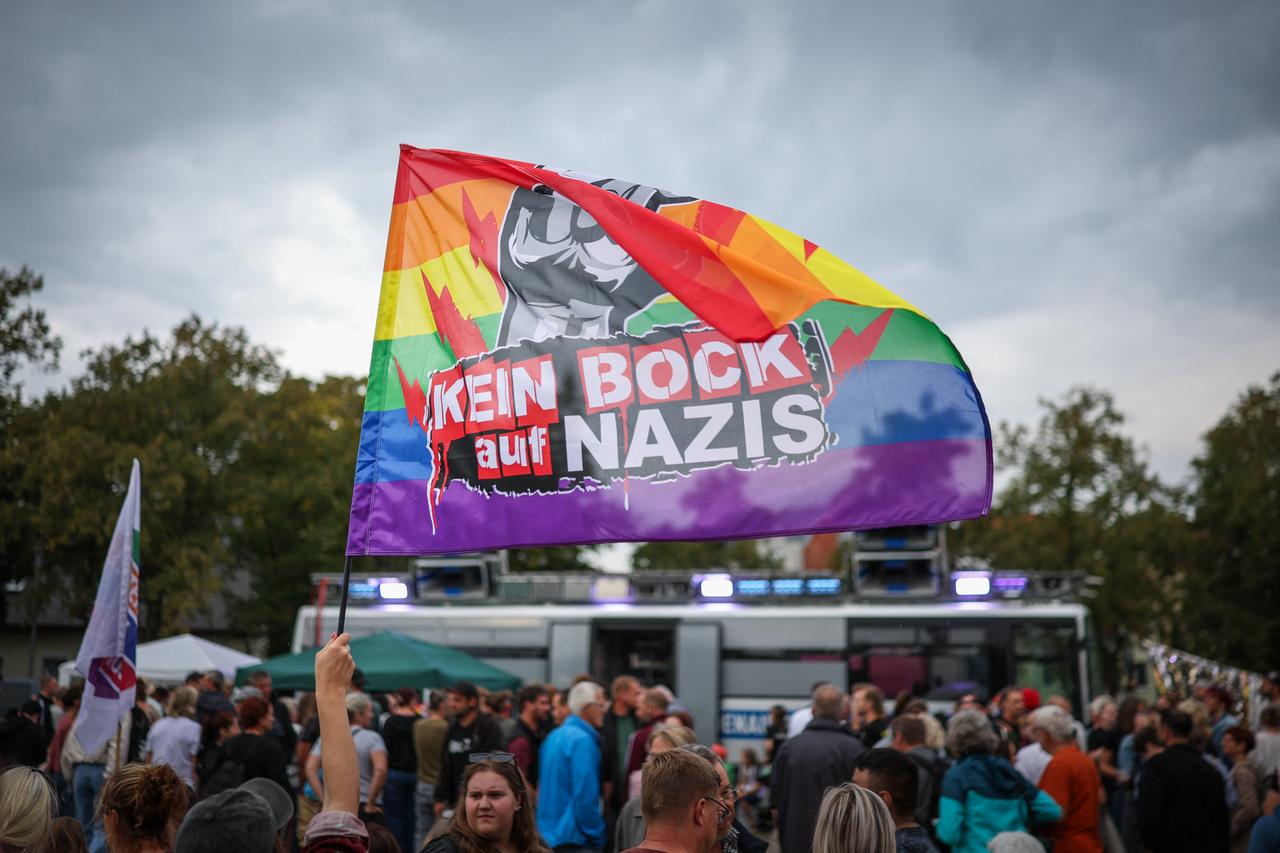
His campaign promises include an immediate “remigration and deportation” offensive targeting irregular migrants, a ban on LGBTQ pride rainbow flags at public schools and an end to new wind farms.
The Moscow-friendly party has also tapped into nostalgia for the bygone days of communist East Germany and resentment over a wealth gap with western Germany decades after the 1989 fall of the Berlin Wall.
Siegmund has vowed to “make history” Sunday and lead a political revolution from the small state of 2.1 million people that he hopes will propel his anti-establishment party to national victory in 2029.

The incumbent state premier, 47-year-old Sven Schulze of Merz’s center-right Christian Democratic Union (CDU), leads a multiparty coalition.
His campaign has placed large billboards beside highways warning voters that the “far right leads into the ditch.”
While many AfD voters want dramatic change, the prospect of an AfD victory has alarmed much of Germany, a country long at pains to atone for its history of World War II and the Holocaust.
Germany’s domestic intelligence agency, the BfV, categorizes the AfD’s Saxony-Anhalt branch as a “right-wing extremist” organization.
In its latest report, the BfV said many AfD politicians in Saxony-Anhalt “employ language that demonizes migrants” and routinely brand Muslim refugees as criminals, a collective disparagement it said violates “the principle of human dignity.”
All other major parties have so far maintained a “firewall” of noncooperation with the AfD.
However, the small Sahra Wagenknecht Alliance (BSW), which is economically on the left but veers right on immigration, has signaled it may support the AfD forming a government.
Merz has vowed to halt the AfD’s decade-long rise by reviving Germany’s stagnant economy and restricting irregular migration.
So far, however, the party has continued to lead nationwide polls.
“If the AfD wins the Saxony-Anhalt election, it would represent a personal defeat for Friedrich Merz,” said Oliver Lembcke of Ruhr University in Bochum.
“He had aimed to cut the AfD's vote share in half. Instead, the AfD has overtaken the CDU as the strongest party—even at the federal level. He bears personal responsibility for this outcome,” he said.
A state election win, Lembcke said, would show “the firewall strategy would have failed at the ballot box—and neither Merz nor his team know how to handle the situation.”
For now, all sides agree that the AfD’s poll lead of more than 40% is all but insurmountable.
The question of whether it can win an outright parliamentary majority is more complicated.
Much depends on whether smaller parties cross Germany’s 5% threshold to enter parliament. If some fail, the AfD would need less than 50% of the vote to form a government.
The BSW, which has already declared the “firewall” to have failed, has recently polled below 5%. But if it enters parliament, it could help the AfD’s path to power.
The CDU, polling at 22%-24%, and other mainstream parties, including the Social Democrats and Greens, hope to secure enough votes between them to form a governing coalition.
In one scenario, those parties would try to form a minority government that would have to seek ad hoc support from the far-left Die Linke party.
AfD politicians, who would again be excluded from power, would likely cite such a scenario as proof that Germany’s mainstream parties, which they disparage as an undemocratic political “cartel,” are ignoring the will of voters.
“Even if the AfD doesn't come to power, the situation will become critical in Saxony-Anhalt,” said Anke Prellwitz, a 50-year-old high school teacher.
“It will continue to divide society while portraying itself as a victim,” she said.


 Set as preferred source
 Set as preferred source


 2 min read
 1 min read