Newsletters


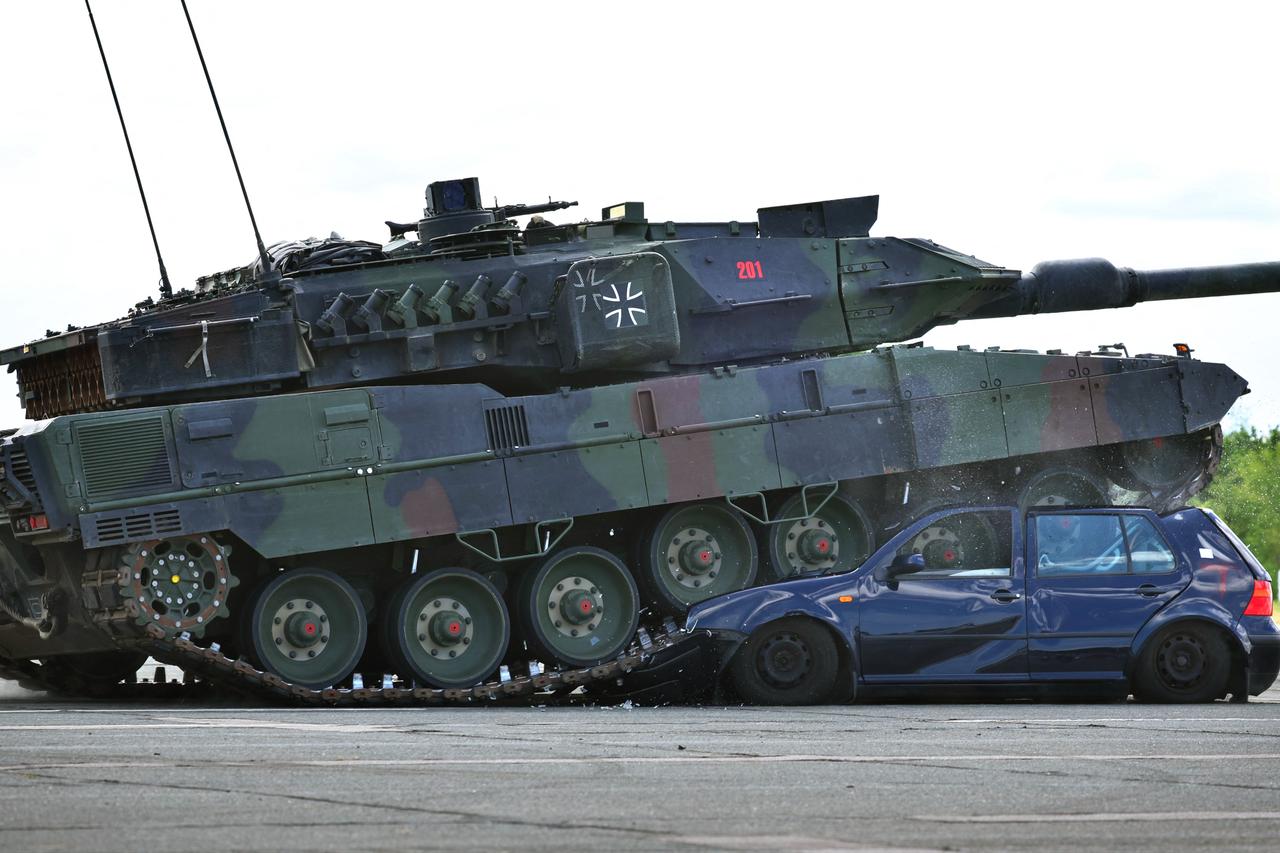


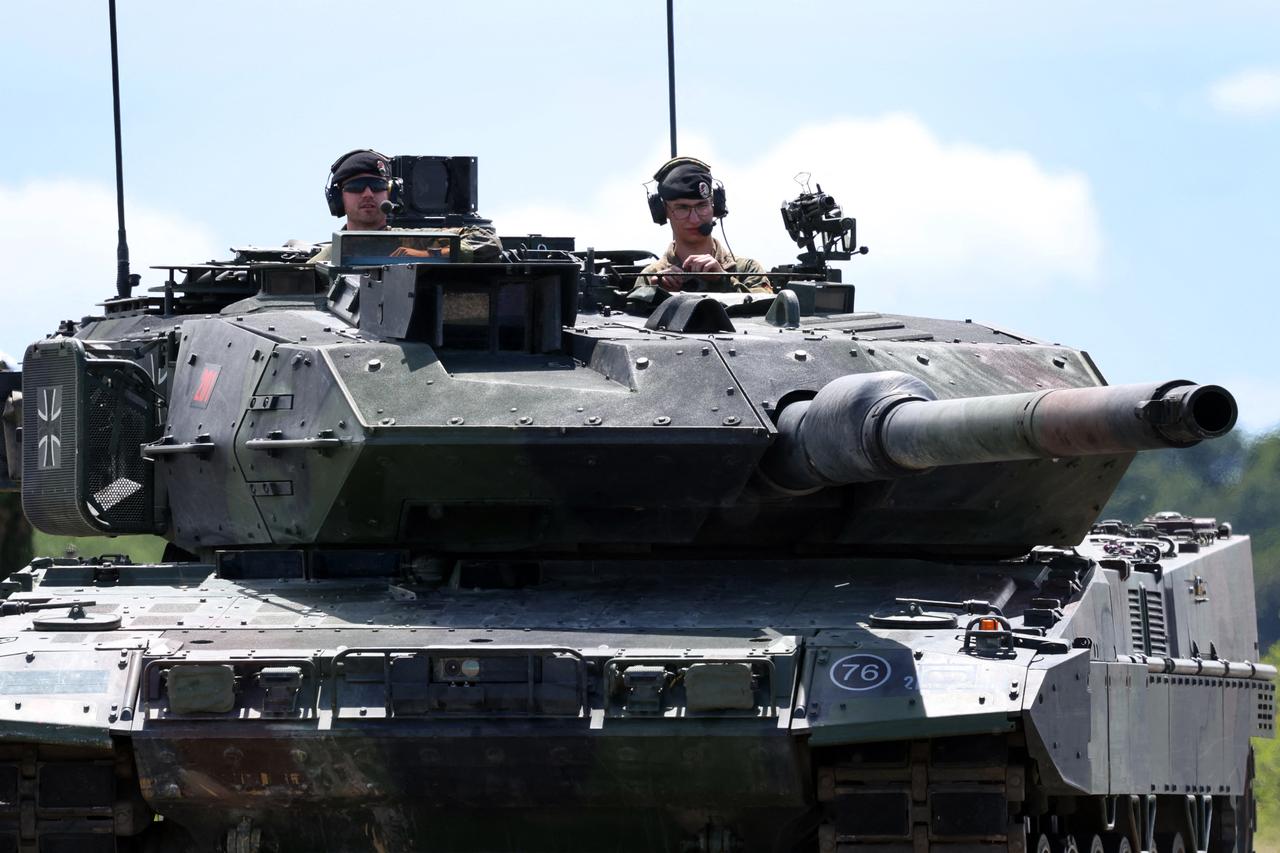
France and Germany insisted Friday that their joint next-generation battle tank project remains active, a day after France's top military officer told lawmakers that Berlin had decided to leave the program.
"We would like to tell you, together with my colleague Minister Boris Pistorius, that MGCS remains a current and active project," French Defense Minister Catherine Vautrin said alongside her German counterpart near Bordeaux.
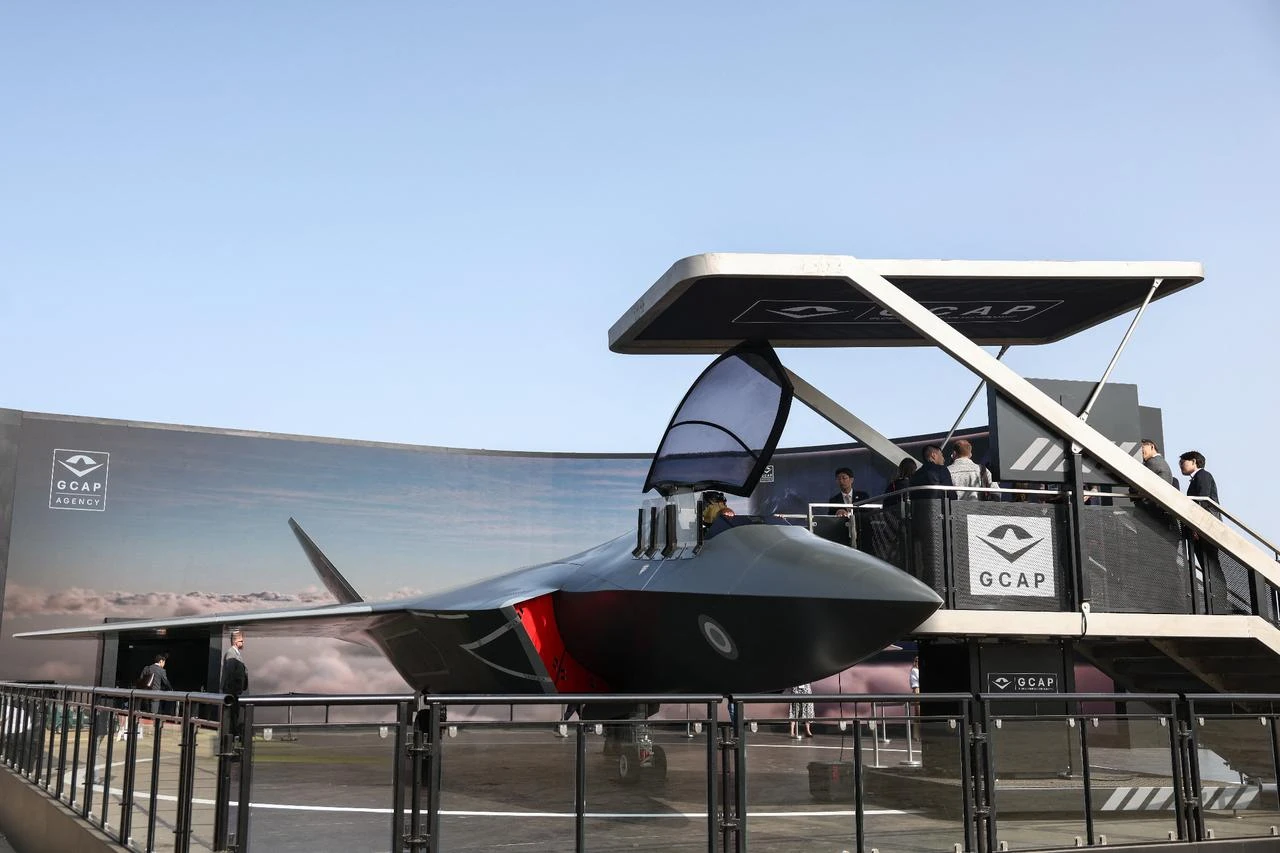
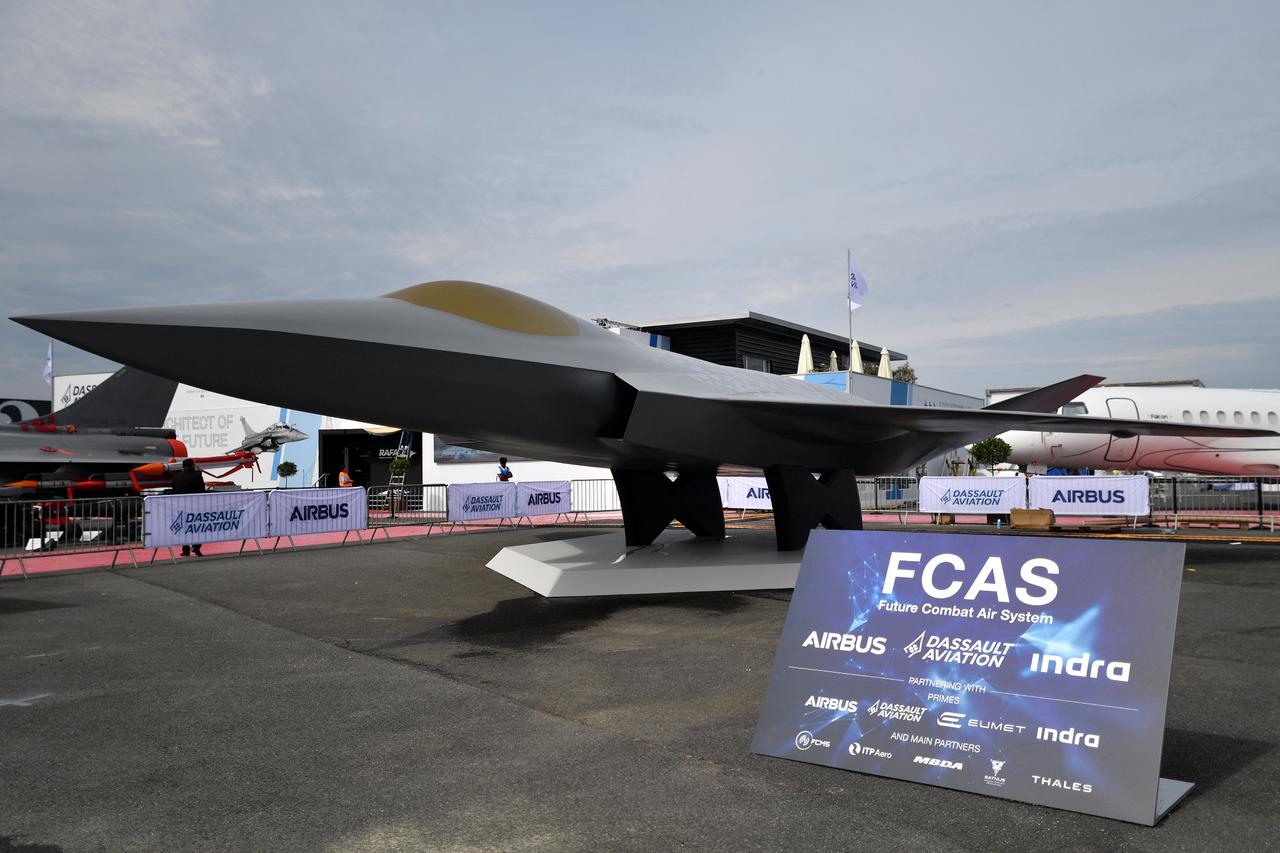
The conflicting messages over the Main Ground Combat System (MGCS) come four months after France and Germany scrapped their flagship FCAS fighter jet project, raising fresh doubts over Europe's biggest joint defense programs.
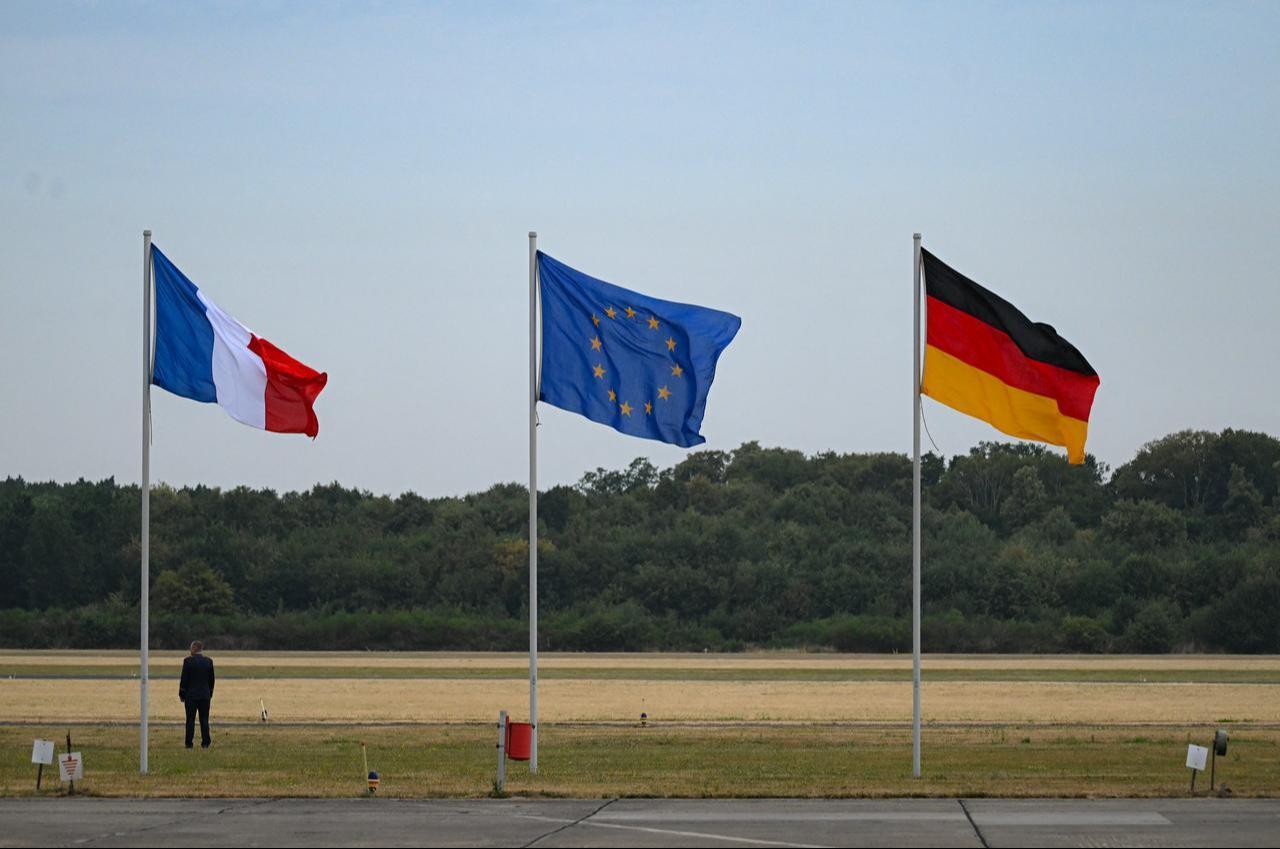

"The MGCS project is not finished. It has not been abandoned. Nobody has stopped it. On the contrary, it is a flagship project of Franco-German cooperation," Pistorius said.
A German Defense Ministry spokesperson said the two countries had agreed months ago to adjust the program to reflect lessons from Russia’s war in Ukraine.
"This does not mean the MGCS project has failed. On the contrary: We remain committed to equal partnership in the MGCS and are focusing on future technologies for armored combat," the spokesperson said.
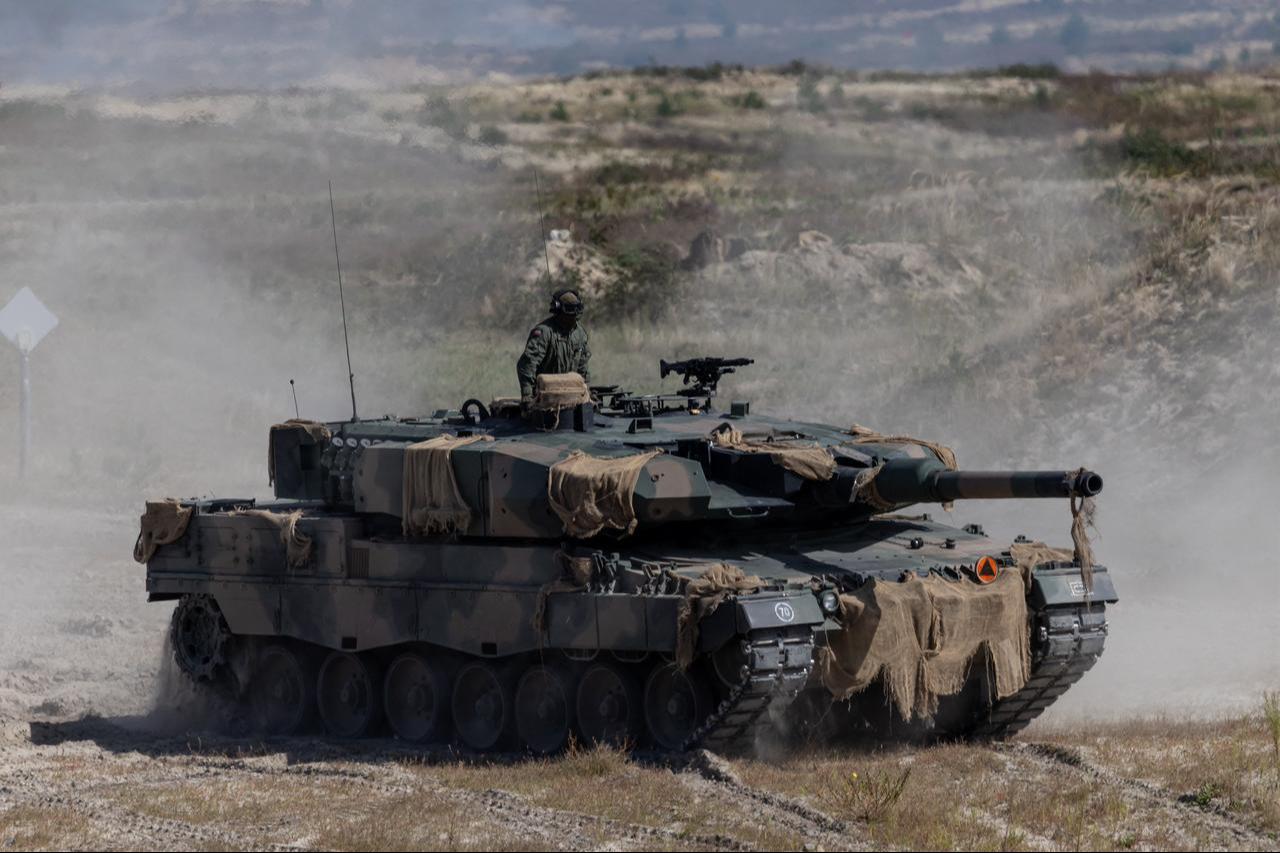
French Chief of the Defense Staff Gen. Fabien Mandon told a National Assembly hearing on Thursday that the result of the joint work was disappointing.
"The outcome is not good. We had hoped to build a future tank in cooperation with the Germans, but unfortunately we have to acknowledge that the Germans have decided to leave the project," he said.
"It’s not a complete failure; it’s an important decision by Germany, but our land forces have worked together for several years to determine what a future main battle tank should look like," Mandon said.
"It wasn’t a waste of time. But from an industrial standpoint, this isn't good news," he added.
Later Thursday, Mandon softened his remarks in a statement.
"Although delayed, the programme is continuing and remains highly relevant," he said.
Mandon said France still needs heavy combat capability, complemented by robots, artificial intelligence and greater data sharing.
"We will have a gradual withdrawal of the Leclerc starting in 2038. In 2027, we must launch the studies to be ready for this deadline," he said.
Paris and Berlin agreed in 2017 to develop the MGCS to replace France’s Leclerc and Germany’s Leopard 2, but the project has been hit by delays and disputes over work-sharing, financing and technology, with deployment pushed toward 2040 or 2045.
KNDS, Rheinmetall and Thales are involved in the MGCS program.


 Set as preferred source
 Set as preferred source


 1 min read
 1 min read