Newsletters


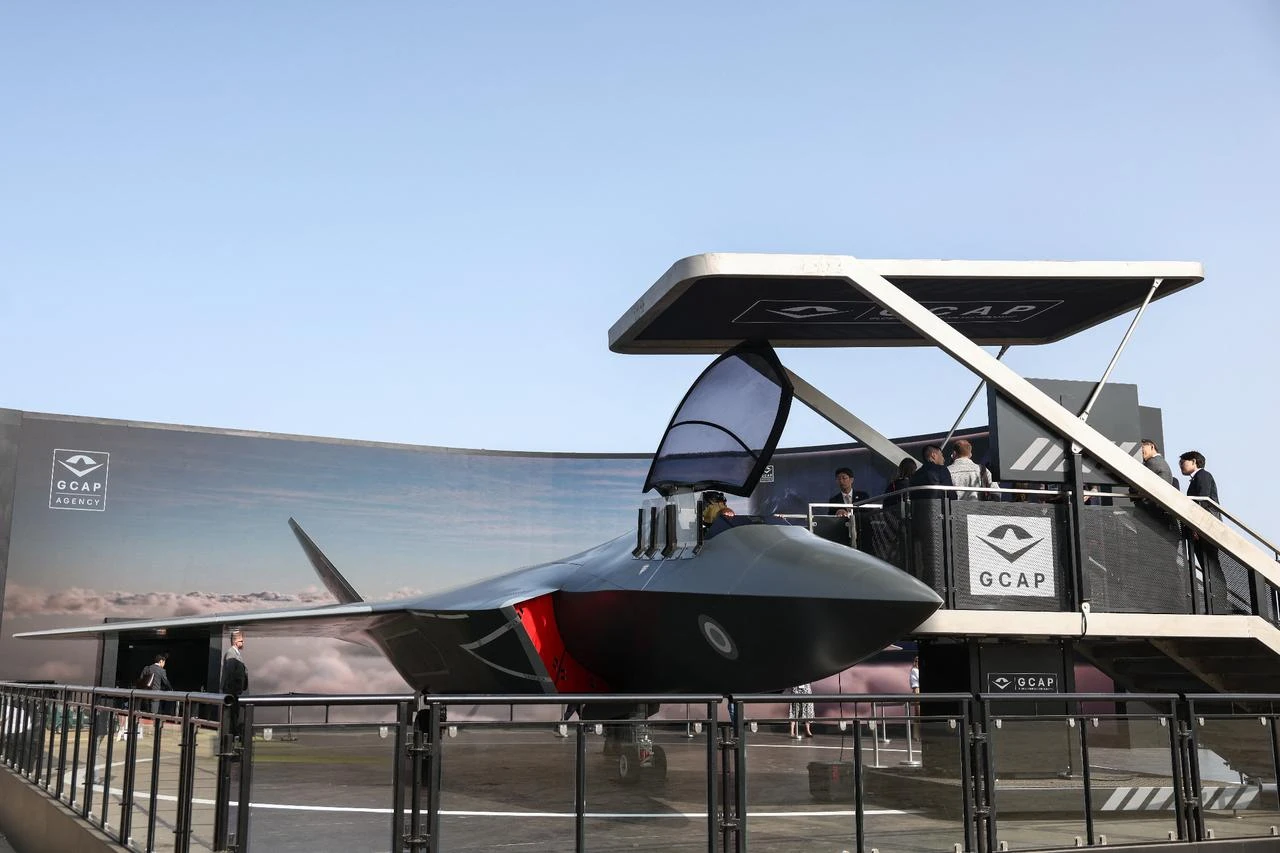


Canada has joined the Global Combat Air Program (GCAP), the next-generation fighter jet project developed by the United Kingdom, Italy and Japan, as the program's first Observer Nation, the four countries announced Tuesday.
According to a joint U.K. government statement, Canada will gain direct insight into GCAP, including capability development, industrial collaboration and long-term delivery plans, through structured engagement with partner nations.
While Canada will not have a decision-making role, the status gives it privileged access to the program and paves the way for discussions on its potential future participation.
Observer status involves no financial commitment, according to Reuters.
In a joint statement issued after ministers from the four countries met in London on July 21, Italian Defense Minister Guido Crosetto, Japanese Defense Minister Shinjiro Koizumi, U.K. Defense Secretary Wes Streeting and Canadian Defense Minister David McGuinty said Canada's observer status "will provide Canada with enhanced insight into GCAP and an opportunity to deepen its understanding of the program's governance, capabilities and industrial framework, as well as the related security requirements and wider partnering opportunities."
The statement said the move would also support "greater alignment of strategic priorities" among the founding partners and "strengthening global security."
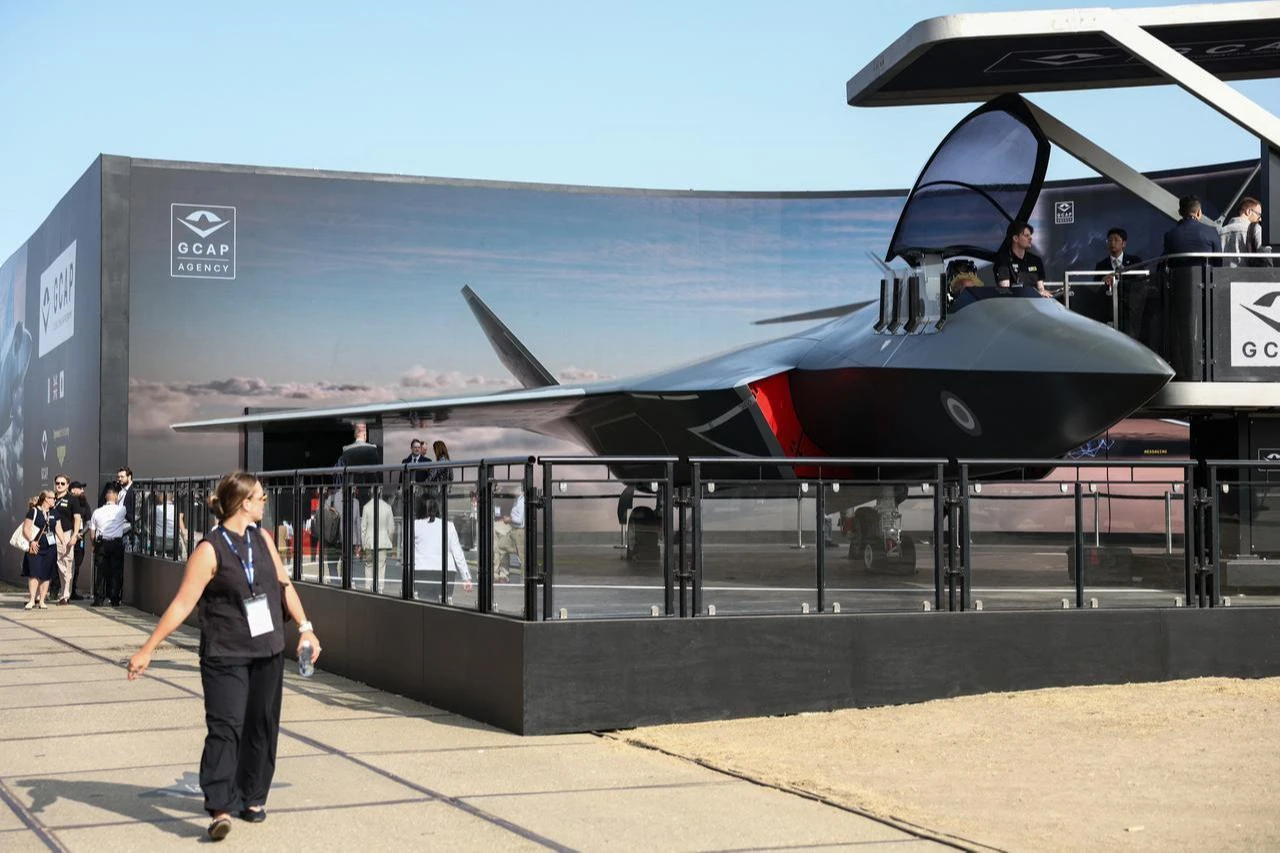

The announcement was made as Streeting hosted his Japanese, Italian and Canadian counterparts at Wellington Barracks in London on his first full day in the defense post.
British Prime Minister Andy Burnham said: "As I said on the steps of Downing Street, we are going to honor our commitments on defense, and use that investment to transform people's lives. And we are going to work even more closely with our allies. So today, we are not just recommitting to our state-of-the-art GCAP fighter program, but I am delighted to announce that Canada will join the program as the first Observer Nation."
Streeting said: "The first duty of any government is to keep our country safe. That's why I'm pushing this program forward on my very first day in the job. GCAP continues to strengthen our security, drive technological innovation and create highly skilled jobs across the U.K. We are proud to welcome Canada to this new phase of engagement and look forward to sharing expertise and working on technological advances as we continue to deliver this groundbreaking program."
Canadian Defense Minister David McGuinty had previously told Reuters in Tokyo last month that he had discussed GCAP with his Japanese counterpart, describing it as a "promising initiative."
The move represents another step in Canada's effort to diversify its defense spending away from the United States and deepen ties with European and mid-tier nations, a priority set out by Canadian Prime Minister Mark Carney.
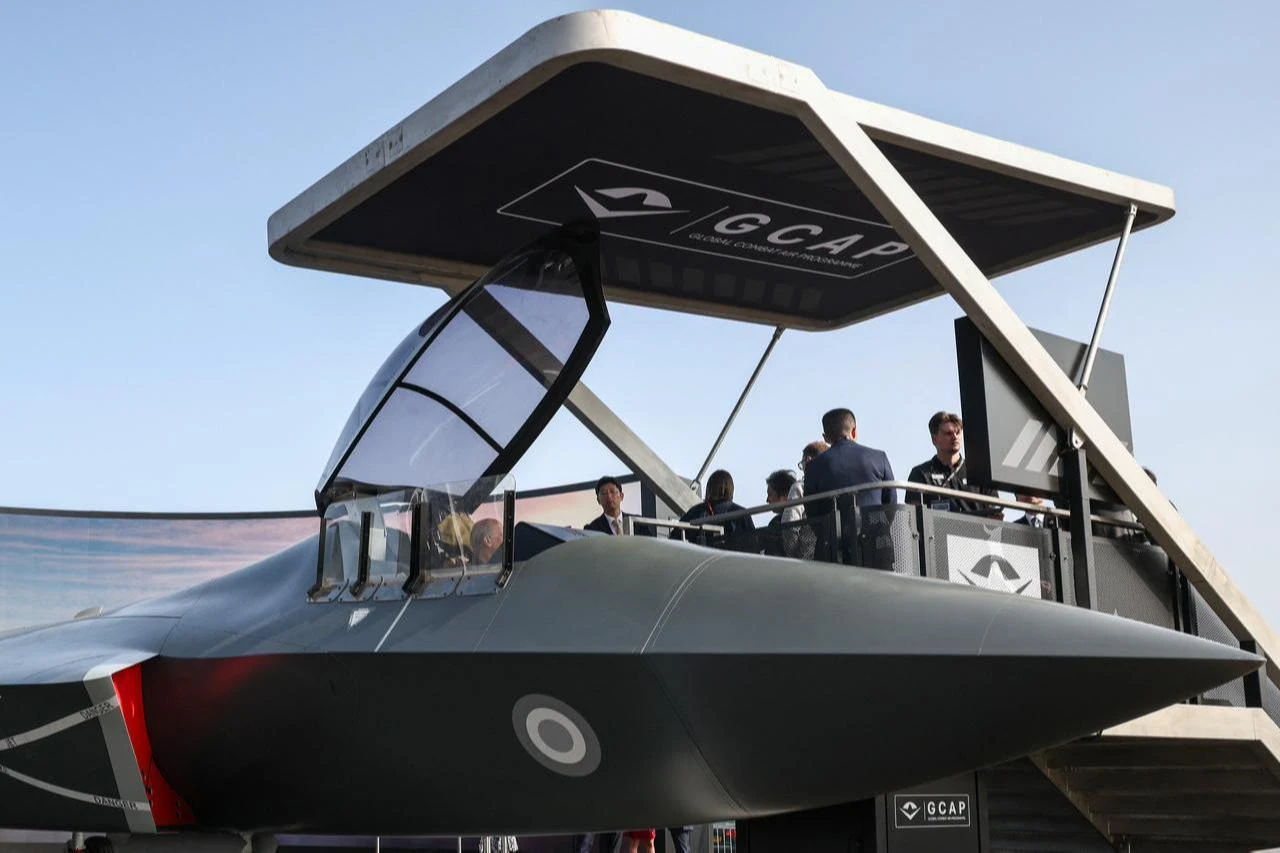
GCAP was launched in 2022 by the U.K., Italy and Japan to develop a sixth-generation stealth fighter intended to be in service by 2035, replacing aircraft including the U.K.'s Typhoon and Japan's F-2.
The program is led industrially by the UK's BAE Systems, Japan's Mitsubishi Heavy Industries and Italy's Leonardo, through the Edgewing joint venture, which secured a £4.6 billion ($6.15 billion) contract from the three governments in early July to advance the aircraft's design.
The U.K. government said GCAP is part of a broader future combat air system that already supports 4,500 jobs across the U.K., with more than 600 companies involved in the supply chain, and comes alongside an £8.6 billion ($11.5B) U.K. government investment in the program over four years as part of the Defense Investment Plan.
The U.K. statement said GCAP will deliver a sixth-generation aircraft designed to operate alongside capabilities including the F-35, using advanced autonomy, AI, uncrewed systems and next-generation sensors.
Speaking at the Farnborough Airshow, Edgewing CEO Marco Zoff told reporters the program's 2035 timeline would not be affected by the addition of new partners.
"There is such pressure and such direction from our three governments to keep the timing strict and to deliver that I think we will find a way to accommodate... not jeopardizing the final timeline," he said.
Reuters reported that Japan, viewing China's military expansion as a security threat, is seen as particularly focused on maintaining the 2035 target, which coincides with the retirement of its F-2 fighters.
Zoff said any new partner joining GCAP would be a "net positive," according to Reuters, adding that the joint venture is "basically doing things quicker in respect to the standard times of industrial defense," with focus currently on completing a concept assessment phase due by the end of 2027.
Reuters reported that Italy's defense minister said in June that a new partner would help share program costs, and that Leonardo had suggested Germany could be a particularly valuable partner given its expertise.
Reuters noted Saudi Arabia has also expressed interest in GCAP.


 Set as preferred source
 Set as preferred source


 2 min read

 1 min read